
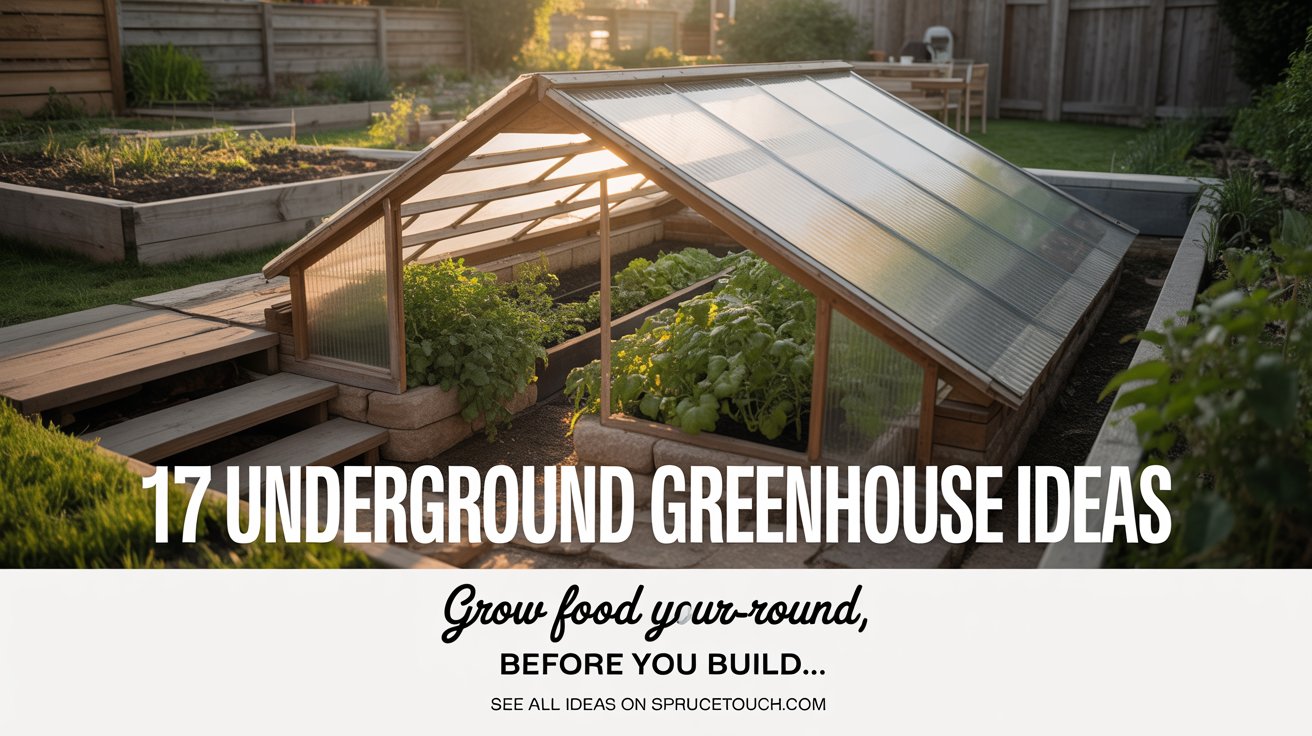
There’s something magical about stepping down into a space that feels warm, green, and alive — even when the weather outside isn’t cooperating. An underground greenhouse (often called a walipini or earth-sheltered greenhouse) uses the natural insulation of the soil to create a stable growing environment. That means fewer temperature swings, longer growing seasons, and sometimes year-round harvests.
When I first learned about underground greenhouses, I assumed they were complicated or expensive. But the more I researched (and experimented), the more I realized they can be surprisingly practical — especially for passionate gardeners who love DIY projects. Whether you have a small urban yard or a larger rural plot, there’s an option that can work for you.
If you’re dreaming of growing fresh greens in winter, protecting tender plants, or simply creating a cozy garden retreat, these underground greenhouse ideas will inspire you to start digging — literally.
1. The Classic Walipini Greenhouse
The walipini (a concept popularized in parts of South America) is one of the most efficient underground greenhouse designs. It’s essentially a rectangular pit greenhouse with a transparent roof angled toward the sun. The surrounding soil acts like insulation, helping maintain a more stable temperature inside.
What I love about this design is its simplicity. You dig 6–8 feet into the ground, build retaining walls (brick, concrete, or treated lumber), and install a sloped clear roof — usually polycarbonate or greenhouse plastic. The roof angle is crucial because it maximizes winter sun exposure.
This design works especially well in colder climates where winter growing feels impossible. Imagine harvesting spinach and kale while frost covers your lawn. If you’re also planning outdoor raised beds nearby, you might find inspiration in our guide on Small Garden Pond Ideas for integrating water features close to your growing space without compromising functionality.
2. Small Backyard Underground Greenhouse
You don’t need acres of land to build an underground greenhouse. In fact, smaller versions can fit neatly into suburban backyards. A 6×8-foot pit greenhouse can provide enough room for herbs, salad greens, and starter plants.
One trick I’ve learned is to keep the depth moderate (about 4–5 feet) in smaller yards to avoid major structural complications. Use reinforced retaining walls and ensure proper drainage. Compact doesn’t mean cramped — install vertical shelving along the walls to maximize space.
Pairing this with smart fencing can add privacy and wind protection. If you’re upgrading your yard overall, our article on Modern Fence Design Ideas offers privacy-friendly fence styles that beautifully frame garden projects like this.
3. Earthbag Underground Greenhouse
Earthbags are one of the most budget-friendly ways to construct sturdy underground walls. Filled with soil and stacked like oversized bricks, they create thick, insulating walls perfect for an earth-sheltered greenhouse.
This option is great if you love sustainable building techniques. Earthbag walls are surprisingly strong and help regulate temperature naturally. Once plastered with lime or clay, they look beautifully rustic.
It’s a hands-on project, but incredibly rewarding. If you enjoy DIY garden builds, this might become your favorite weekend obsession.
4. Underground Greenhouse With Raised Beds Inside
Instead of planting directly in the soil floor, consider adding raised beds inside your underground greenhouse. This improves drainage and makes planting easier on your back.
Raised beds also allow you to control soil quality better. You can customize blends for leafy greens, root vegetables, or flowers. I’ve found this setup especially helpful for crop rotation and seasonal switching.
Plus, it just looks organized and tidy — something every gardener secretly loves.
5. Underground Greenhouse With Thermal Mass Barrels
Thermal mass is the secret weapon of underground greenhouse design. Large black water barrels placed along the back wall absorb heat during the day and slowly release it at night.
I’ve seen temperature differences of several degrees just by adding barrels. In colder climates, this can mean the difference between survival and frost damage.
Place them strategically where they get maximum sunlight. It’s a simple, affordable addition that dramatically improves performance.
Underground Greenhouse Cost Breakdown
One of the biggest questions I get about underground greenhouses is: “Okay… but how much does it really cost?” The answer depends entirely on your materials, size, and how much DIY work you’re willing to take on.
Here’s a realistic breakdown based on common backyard builds:
🛠️ Budget DIY Underground Greenhouse ($800 – $3,000)
This is the scrappy, hands-on version — perfect if you’re comfortable digging (or renting a small excavator for a day).
Typical materials:
- Treated lumber or earthbag walls
- Greenhouse plastic or basic polycarbonate panels
- Gravel floor + basic drainage
- Manual ventilation (no electric fans)
If you do most of the labor yourself, your biggest costs will be:
- Excavation rental: $200–$600
- Roofing panels/plastic: $300–$1,200
- Wall materials: $300–$1,000
This version is functional, efficient, and ideal for growing greens, herbs, and seedlings. It may not look architectural-magazine perfect — but it works beautifully.
If you already enjoy DIY backyard projects like building fences or small patio features, this level will feel manageable.
🌿 Mid-Range Underground Greenhouse ($3,000 – $8,000)
This is where aesthetics and durability really improve.
Typical upgrades:
- Brick or reinforced block retaining walls
- High-quality twin-wall polycarbonate roof
- Built-in raised beds
- Proper French drain system
- Thermal mass barrels
You might hire help for:
- Excavation
- Wall reinforcement
- Roofing installation
This is the sweet spot for most homeowners. It’s sturdy, long-lasting, and visually impressive — almost like adding a sunken garden room to your yard.
🏡 Professional Build Estimate ($8,000 – $25,000+)
If you hire contractors for excavation, engineering, drainage systems, and finishing work, costs increase quickly.
Professional builds often include:
- Engineered retaining walls
- Concrete foundation
- Custom glass or insulated roofing
- Automated vent systems
- Integrated irrigation
This version can become a permanent landscape feature — similar in investment to a patio renovation or small backyard remodel.
If you’re already investing in structural upgrades (like modern fencing or patio redesign), integrating an underground greenhouse can add long-term food security and property value.
6. Sunken Greenhouse With Brick Retaining Walls
Brick walls add both strength and aesthetic appeal. If you want your greenhouse to feel permanent and polished, this is a beautiful option.
Brick holds heat well, adding to the thermal mass effect. It also blends seamlessly with traditional home architecture.
When done right, it doesn’t just feel like a growing space — it feels like a secret garden room.
7. Underground Greenhouse Attached to a Shed
Attaching your underground greenhouse to an existing shed reduces materials and simplifies construction. One wall is already built!
It also makes winter gardening more convenient — you can step from storage space directly into your greenhouse. Store tools, pots, and soil just steps away.
This setup works beautifully if your shed faces south or receives strong sun exposure.
8. Underground Greenhouse With Passive Ventilation
Ventilation is essential. Without it, temperatures can skyrocket even underground. Install vent windows at the highest point of the roof and lower intake vents for airflow.
Some gardeners add simple PVC pipe ventilation systems that allow cool air to circulate underground before entering the greenhouse.
This keeps your space comfortable without relying on electric fans — perfect for off-grid gardeners.
9. Underground Citrus Greenhouse
If you’ve ever dreamed of picking fresh lemons in winter, an underground greenhouse makes it possible in cooler climates.
Citrus trees benefit from stable temperatures and protection from frost. Choose dwarf varieties to fit comfortably inside.
Add reflective surfaces to bounce light around and maximize winter sun exposure.
10. Underground Greenhouse With Cozy Patio Entrance
Make your greenhouse entrance part of your landscape design. A small patio with warm lighting creates a welcoming transition.
Soft lighting ideas — like those we shared in our Cozy Patio Lighting Ideas for Evenings Outdoors — can transform the entrance into a magical evening space.
It turns a practical structure into a backyard feature you’ll genuinely enjoy spending time in.
11. Gravel Floor With Drainage System
Drainage is one of the most overlooked elements. Installing a gravel floor with a French drain prevents water buildup.
Without proper drainage, heavy rains can cause flooding — something you absolutely want to avoid.
A simple sloped floor directing water away from planting areas can save you from major headaches later.
12. Underground Greenhouse With Polycabonate Roof Panels
Polycarbonate panels are lightweight, durable, and better insulated than single-pane glass.
They’re also easier for DIY installation and less likely to shatter in storms.
If you live in an area with hail or strong winds, this material is a practical choice.
13. Multi-Level Underground Growing Space
If you’re working with deeper excavation, consider tiered growing platforms along the walls.
This creates microclimates — warmer near the top, cooler near the bottom.
It’s a clever way to grow a variety of plants with different temperature needs.
📊 Underground Greenhouse Pros & Cons
Here’s a simple side-by-side comparison to help you think practically:
| Feature | Underground Greenhouse | Traditional Above-Ground Greenhouse |
|---|---|---|
| Heat Retention | Excellent – Earth insulation stabilizes temps | Moderate – Can lose heat quickly |
| Ventilation Needs | Essential but manageable with passive vents | Very important; overheating is common |
| Drainage Risk | Higher risk if not planned properly | Lower flooding risk |
| Initial Digging Effort | High (labor-intensive upfront) | Low to moderate |
Quick Takeaways:
- 🌡️ Heat retention is the biggest advantage. Soil insulation keeps temperatures stable day and night.
- 🌬️ Ventilation must be planned carefully. Underground doesn’t mean “no airflow needed.”
- 💧 Drainage is non-negotiable. A poorly drained greenhouse can turn into a muddy headache.
- 🪓 The hardest part is the beginning. Digging is intense — but once it’s done, maintenance is minimal.
14. Underground Greenhouse With Companion Planting Layout
An enclosed greenhouse is perfect for intentional plant pairing. Basil near tomatoes, marigolds near greens — thoughtful layouts reduce pests and improve yields.
If you’re planning pest control naturally, our guide on Pest Fighting Plants That Naturally Repel Bugs can help you choose supportive companions.
Strategic layout makes your greenhouse not just productive, but balanced and healthy.
15. Minimalist Modern Underground Greenhouse
For those who love modern landscaping, keep the structure clean and geometric.
Concrete retaining walls, black-framed roof panels, and simple raised beds create a sophisticated aesthetic.
It pairs beautifully with contemporary fence designs and structured garden layouts.
16. Family-Friendly Underground Learning Garden
An underground greenhouse can become a hands-on classroom. Kids can experiment with seedlings even in winter.
Add simple labels, a potting bench, and easy-access pathways.
It becomes more than a structure — it becomes a memory-making space.
17. Hidden “Secret Garden” Underground Greenhouse
This is my personal favorite. Add climbing vines around the entrance, stone steps, and lush interior planting to create a secret escape.
It feels peaceful and slightly magical — especially in winter.
An underground greenhouse isn’t just about growing food. It’s about creating a space that feels alive when the world outside looks dormant.
🤔 Is an Underground Greenhouse Worth It?
Short answer?
Yes — if you’re serious about extending your growing season or growing year-round.
Here’s the honest breakdown:
It’s Worth It If:
- You live in a climate with cold winters.
- You want lower heating costs compared to traditional greenhouses.
- You enjoy DIY or long-term garden projects.
- You value food security and sustainable living.
- You love unique backyard features that feel special.
It May Not Be Worth It If:
- You dislike heavy labor or excavation work.
- Your yard has severe drainage problems.
- You only garden casually in spring and summer.
From my perspective as someone who loves practical garden upgrades, an underground greenhouse isn’t just about plants. It’s about independence. It’s about harvesting spinach in January while everything else looks dormant. It’s about stepping into a warm, green space when the air outside feels icy.
That feeling alone?
For many gardeners — it’s absolutely worth it.