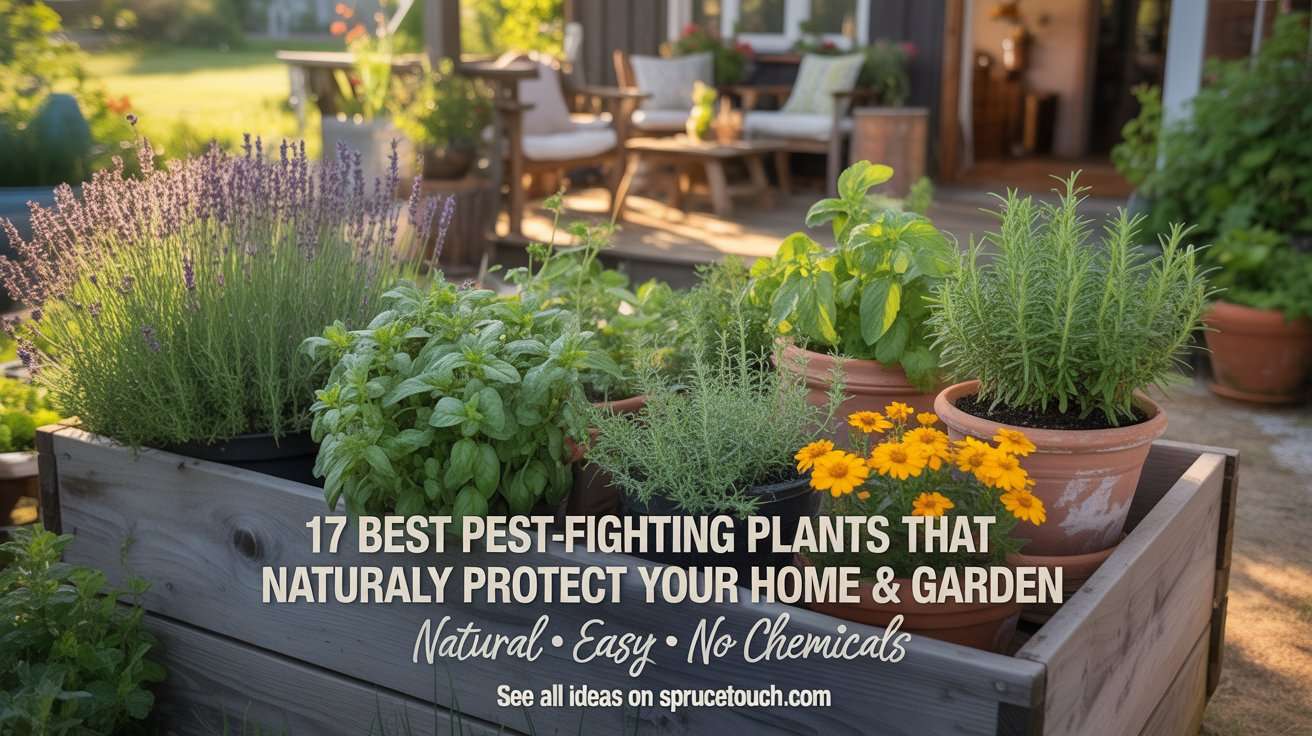
17 Best Pest-Fighting Plants That Naturally Protect Your Home & Garden
If you’ve ever stepped into your garden with a cup of tea only to be chased back inside by mosquitoes, ants, or mysterious leaf-eating bugs, you’re not alone. I’ve tried sprays, coils, and DIY tricks over the years—and honestly, nothing feels as good as letting nature do the work for you. Pest-fighting plants are one of those quiet, underrated garden heroes that look beautiful and protect your space at the same time.
Whether you garden in pots on a terrace, have a cozy backyard, or just a sunny windowsill, these plants can help repel insects naturally while adding texture, fragrance, and life to your home. Below are my favorite tried-and-tested pest-repelling plants—shared the way a fellow plant lover would, with real tips that actually work.
1. Lavender – The Calm Beauty Bugs Hate
Lavender is one of those plants that instantly makes a space feel peaceful—but mosquitoes and moths strongly disagree. I planted lavender along my patio edge a few summers ago, and the difference was noticeable within weeks. Evening tea outside suddenly became enjoyable again.
What makes lavender special is its strong essential oils. They smell heavenly to us but overwhelm insects’ sensory systems. I’ve found it works especially well near doorways, windows, and seating areas where bugs usually sneak in.
Lavender loves sunlight and good drainage, so avoid soggy soil. If you’re gardening in pots, terracotta containers work beautifully and keep roots healthy. Bonus: dried lavender flowers tucked into drawers help repel moths indoors too.

2. Basil – A Kitchen Staple with Hidden Powers
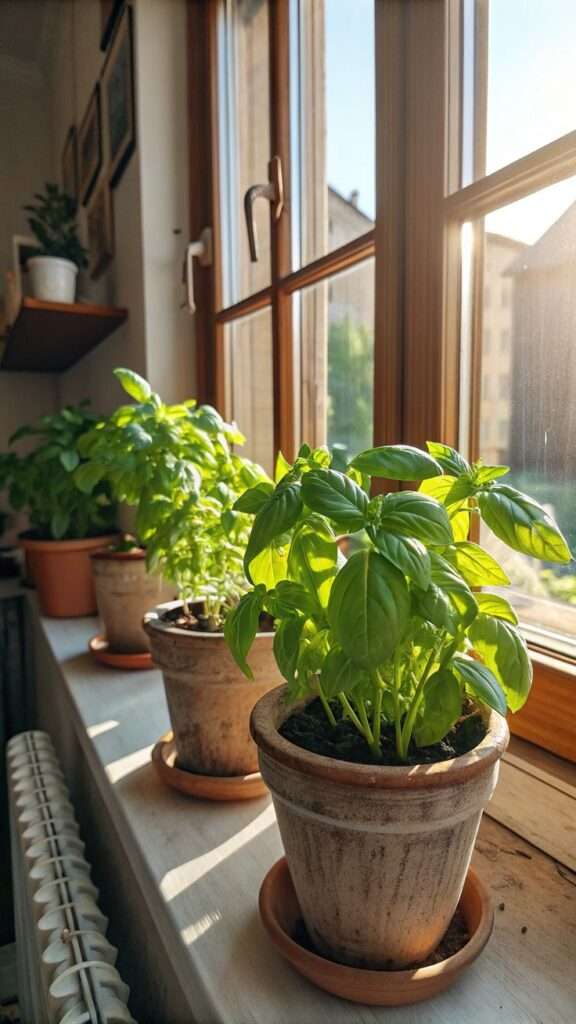
Basil does more than elevate pasta—it’s surprisingly effective against flies and mosquitoes. I always keep a few pots near my kitchen window, and it genuinely reduces those annoying houseflies hovering around food prep areas.
The strong aroma comes from natural oils that insects dislike. What I love most is how easy basil is to grow, even for beginners. Just sunlight, regular watering, and the occasional trim to keep it bushy.
If you already enjoy edible plants, basil is a perfect multitasker. And if you’re exploring small-space gardening, you might also enjoy our guide on Terrace Garden Ideas for Small Homes, which pairs beautifully with plants like basil.
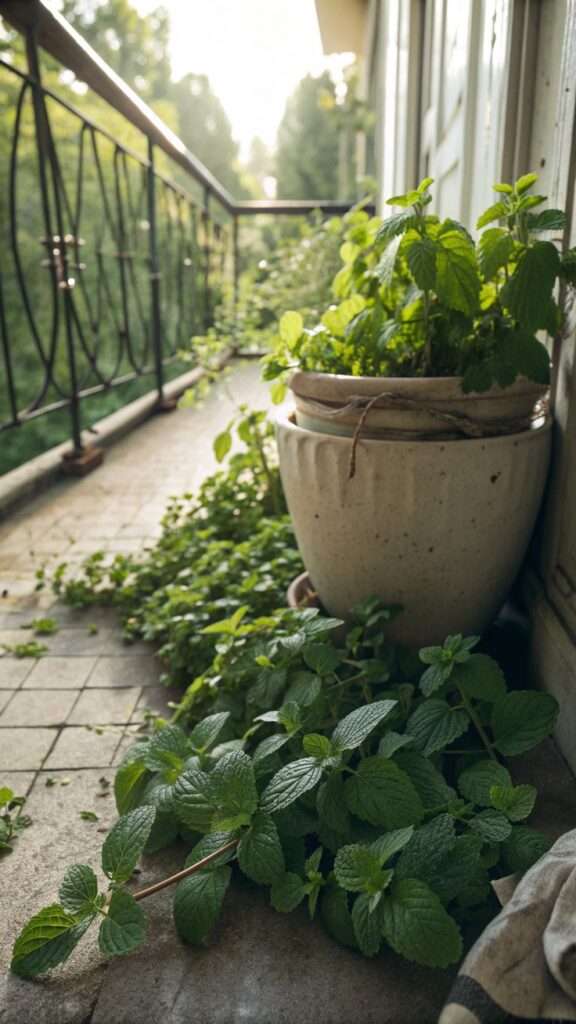
3. Mint – Fast-Growing & Fierce Against Ants
Mint is one of the strongest-smelling herbs you can grow, and ants absolutely hate it. I learned this after placing a mint pot near an ant trail—and watching it disappear within days.
The trick with mint is control. It spreads aggressively, so I always recommend growing it in containers rather than open soil. This keeps it tidy and prevents it from taking over your garden beds.
You can crush a few leaves and rub them along entry points or even mix them into a homemade spray. Plus, mint thrives in partial shade, making it perfect for balconies and shaded patios.
4. Marigolds – Bright Blooms with Serious Protection
Marigolds may look cheerful, but underground they’re quietly fighting nematodes and aphids. I plant them around vegetable beds every season—it’s like giving your garden a natural shield.
Their roots release compounds that deter soil pests, making them especially useful near tomatoes and leafy greens. Above ground, their scent discourages flies and mosquitoes too.
Marigolds are low-maintenance and thrive in most climates. If you love layered, cozy garden layouts, these pair beautifully with ideas from our Cottage Garden Design Guide, where flowers and function go hand in hand.

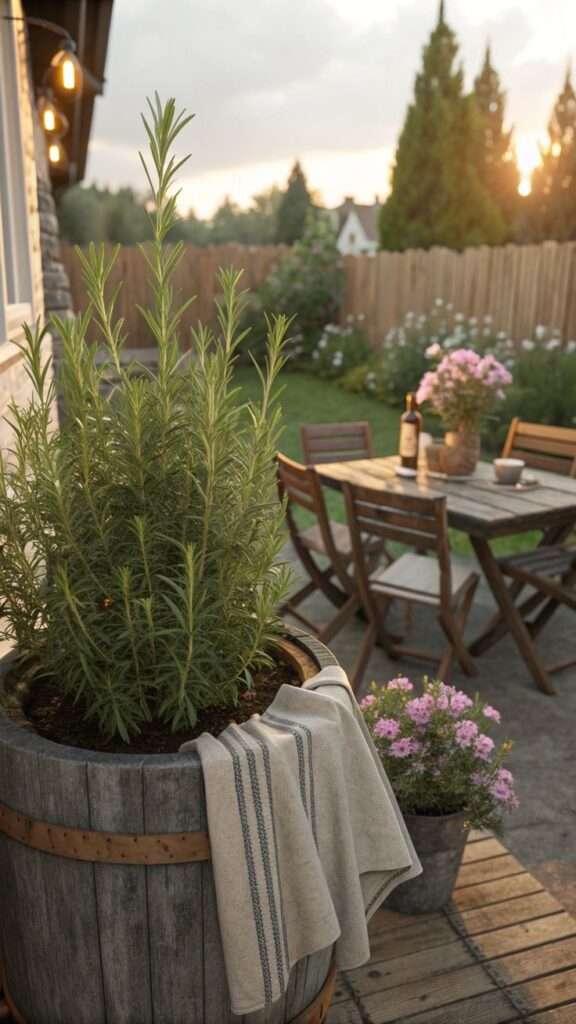
5. Rosemary – A Woody Herb Bugs Avoid
Rosemary’s pine-like scent makes it a natural insect deterrent. I keep two large rosemary pots flanking our patio door, and I’ve gotten into the habit of tossing a few sprigs straight onto hot charcoal whenever we’re grilling in the evening — the smoke carries the scent further than the plant alone ever could, and it noticeably cuts down on mosquitoes hovering near the table.
This herb prefers dry soil and full sun, so it’s ideal for low-water gardens. I let mine go almost completely dry between waterings, which sounds risky but it’s actually what rosemary wants — the one plant I babied with frequent watering ended up with root rot within a season.
Once established, it’s incredibly resilient. The pair by our door have survived two winters with only a light frost cover, and they’ve grown woody and tree-like at the base, which adds real structure to that corner year-round.
6. Lemongrass – Nature’s Mosquito Shield
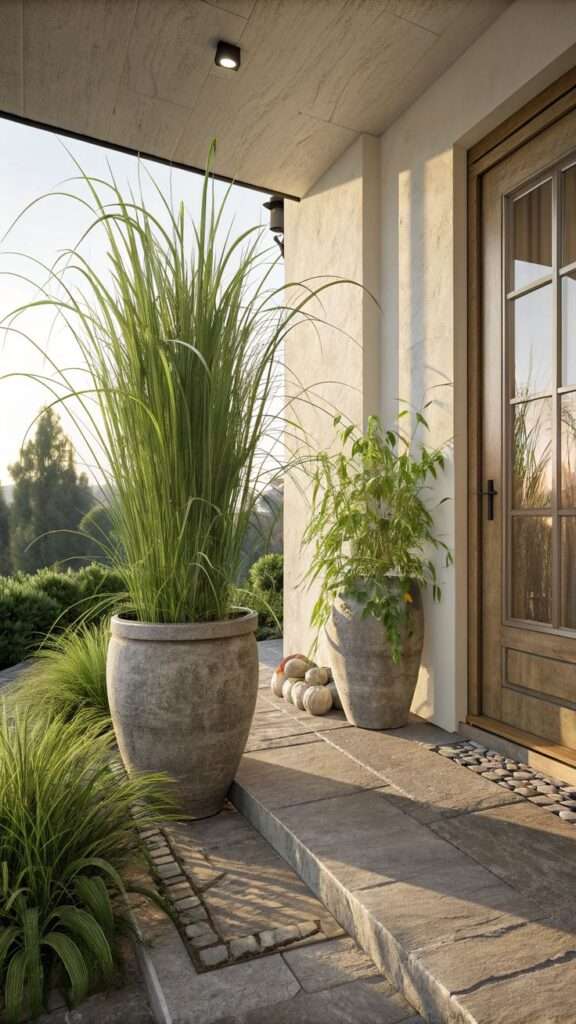
Lemongrass contains citronella, the same ingredient used in many mosquito repellents. Growing the real plant feels like upgrading your garden’s defense system, and I noticed the difference the first summer I planted a cluster of it near our back steps.
I keep three pots grouped together near the entrance and seating area — one plant alone barely makes a dent, but the cluster creates enough concentrated scent to actually matter. It also adds a lovely tropical texture; the tall arching blades catch evening light in a way none of our other plants do.
Lemongrass thrives in warm weather and containers, but I learned the hard way that it needs a genuinely large pot — the first one I used was too small, and the roots outgrew it by midsummer, leaving the plant stunted and pale by August.
7. Catnip – Stronger Than You Think
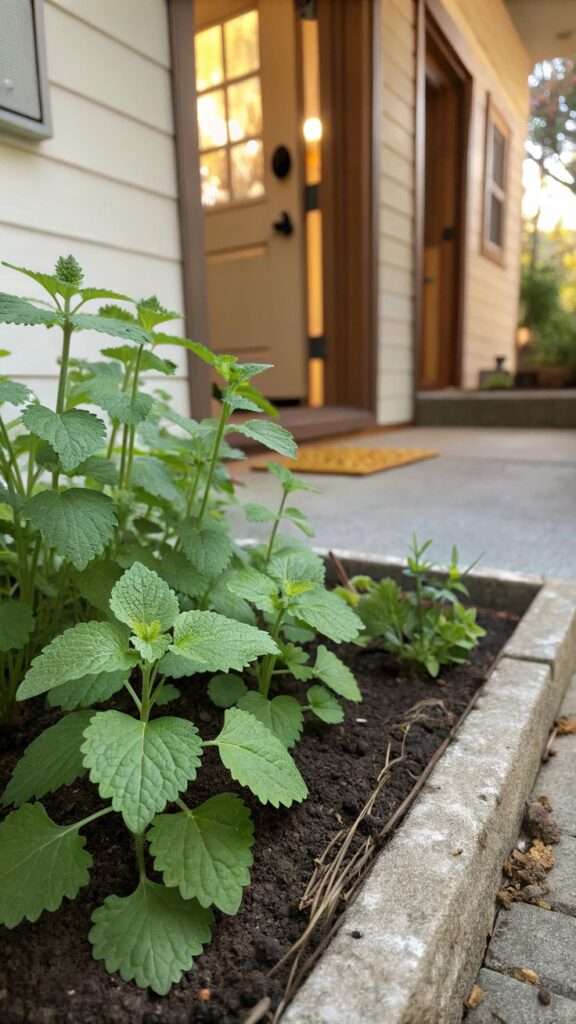
Catnip is incredibly effective against mosquitoes — some studies suggest even more than citronella. I didn’t believe it until I planted a small patch near our back door two summers ago and stopped getting bitten on the porch steps almost entirely.
It grows easily and doesn’t need much care — mine has practically taken over an 18-inch bed on its own without any real attention from me. Just be prepared if you have neighborhood cats: ours discovered it within a week, and I now have a slightly flattened patch where they roll around most afternoons.
Catnip works best when planted near entry points or seating areas where mosquitoes gather, though I’d recommend containing it the same way you would mint — it spreads more aggressively than the tidy little herb pictures suggest.
8. Chrysanthemums – Beautiful but Powerful
Chrysanthemums contain pyrethrin, a compound used in many commercial insect repellents. I added a row of them along our front walkway last fall, and beyond the pest benefit, they turned out to be one of the few things still blooming well into late October.
They’re especially helpful against ants, roaches, and ticks — I noticed a real drop in ants crossing the walkway once the row filled in. I use them near pathways and entrances specifically, since that’s where I’d rather bugs turn back than push forward toward the house.
They do need more attention than some of the other plants on this list — regular deadheading and consistent sun, or they get leggy fast. Mine sulked for the first few weeks in a spot with afternoon shade before I moved them to full sun, after which they took off.

9. Sage – Subtle but Effective
Sage has a warm, earthy aroma that insects generally avoid. I grow a small patch near our fire pit, and on nights we’re sitting out there, I’ll cut a few stems and let them smolder slightly at the edge of the fire — it’s a trick my grandmother used, and it does seem to keep the gnats from swarming as badly as they do around the neighbor’s yard.
It’s drought-tolerant and perfect for low-maintenance gardens — I’ve genuinely forgotten to water mine for two weeks straight during a busy stretch and it didn’t skip a beat. Sage also pairs well with rosemary and lavender for a cohesive look, and all three happen to like the same dry, sunny conditions, so grouping them together saves you from guessing at different watering schedules.

10. Bay Laurel – Elegant & Functional
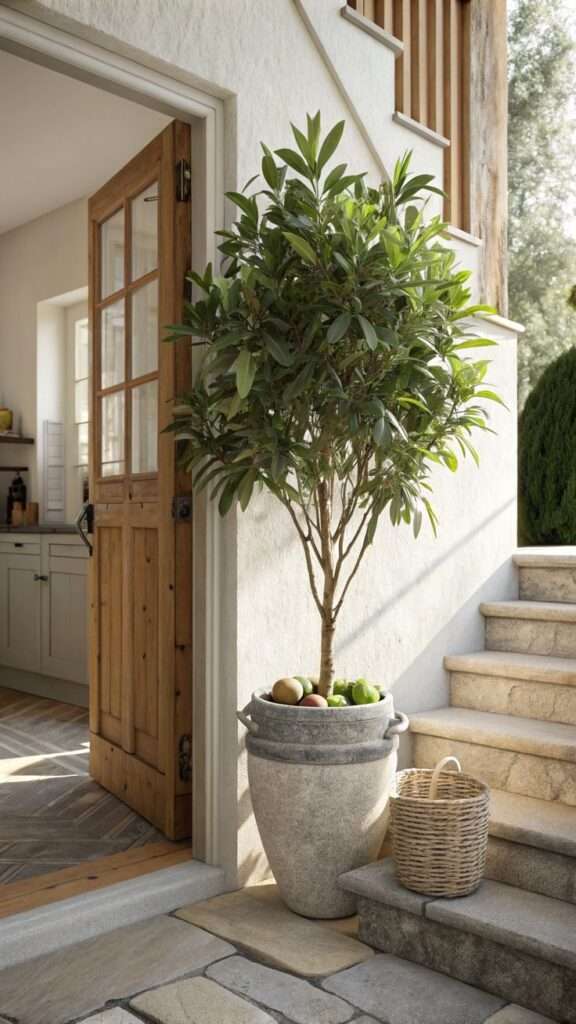
Bay laurel helps repel flies, moths, and even pantry pests. I keep one potted plant near our kitchen entrance, and I dry a handful of leaves each fall to toss into the pantry and flour containers — an old trick for keeping weevils out that’s worked better for me than any store-bought pantry moth trap.
It grows slowly — mine has taken almost three years to reach shoulder height in its pot — but it’s becoming a genuinely elegant small tree, and I’ve started shaping it into a rough topiary form, which gives that whole corner of the patio a more finished look than I expected from something started as a pest deterrent.
11. Garlic – Not Pretty, But Powerful
Garlic’s strong sulfur compounds repel aphids, beetles, and even rodents. I interplant a row of garlic between our tomato plants every fall, and it’s one of the few things I’ve kept up consistently for three growing seasons because the payoff is obvious — the tomato bed with garlic has noticeably fewer aphid clusters than a test row I left without it two years ago.
It’s low effort — plant cloves in fall, mostly ignore them through winter, and harvest by early summer. The only real mistake I made early on was planting too shallow; the bulbs came up small and split. Two to three inches deep, pointed end up, made a real difference the following year.

12. Geraniums – Colorful Mosquito Repellers
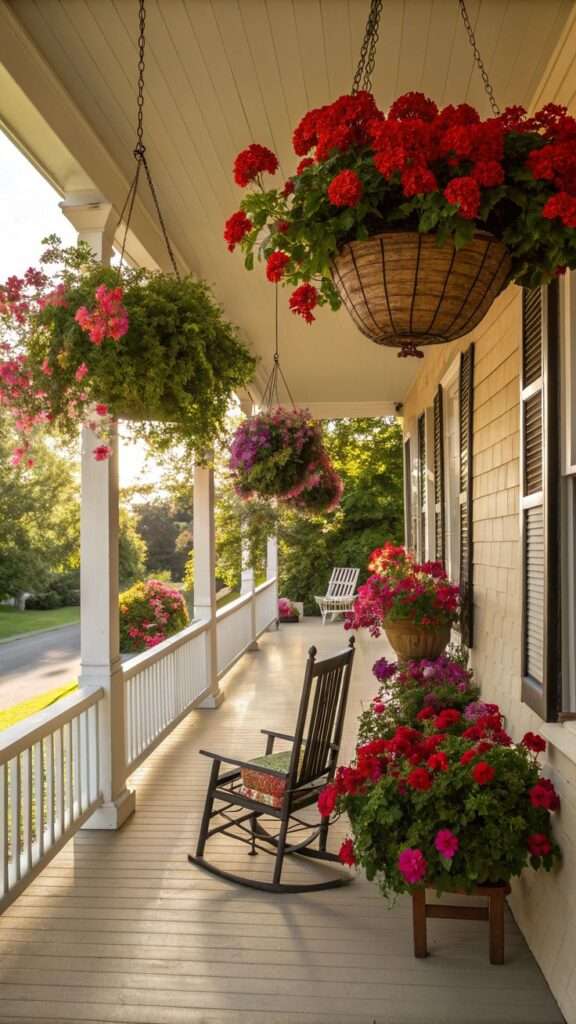
Geraniums, specifically the citronella-scented varieties (sometimes sold as “mosquito plant”), release a lemony scent that mosquitoes dislike. I use them in hanging baskets flanking our front porch, and while I can’t say they’re a total barrier, the porch has noticeably fewer mosquitoes lingering at dusk than it did before I hung them.
They’re easy to care for — regular watering and deadheading keeps them blooming most of the season — and they add instant charm; ours have become the thing neighbors comment on most walking past the house. One thing worth knowing: the citronella-scented type looks a bit different from standard geraniums (more feathery, less rounded leaves), so double-check you’re buying the right variety if pest control is your main goal.
13. Nasturtium – The Trap Plant That Saves Your Veggies
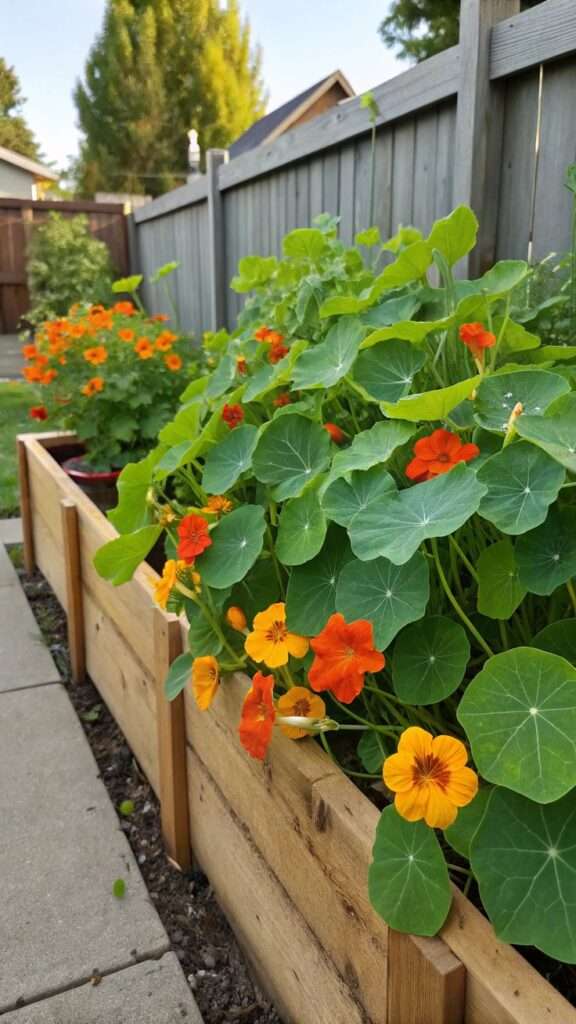
Nasturtiums are what gardeners call a “trap crop,” and once you understand how they work, you’ll want them everywhere. Instead of pests attacking your vegetables, aphids and whiteflies are drawn to nasturtiums first. I plant them deliberately near my tomatoes and cucumbers, and it genuinely reduces pest damage.
What I love most is that they don’t feel like a defensive plant. Their round leaves spill over edges, and the bright orange and yellow flowers instantly make the garden feel playful and lived-in. It’s pest control that doesn’t look like pest control.
They grow easily from seed, tolerate poor soil, and thrive in containers too. Plus, the flowers are edible—perfect for salads or garnishing summer drinks. It’s one of those plants that gives far more than it takes.
14. Alliums – Quietly Protecting from Below
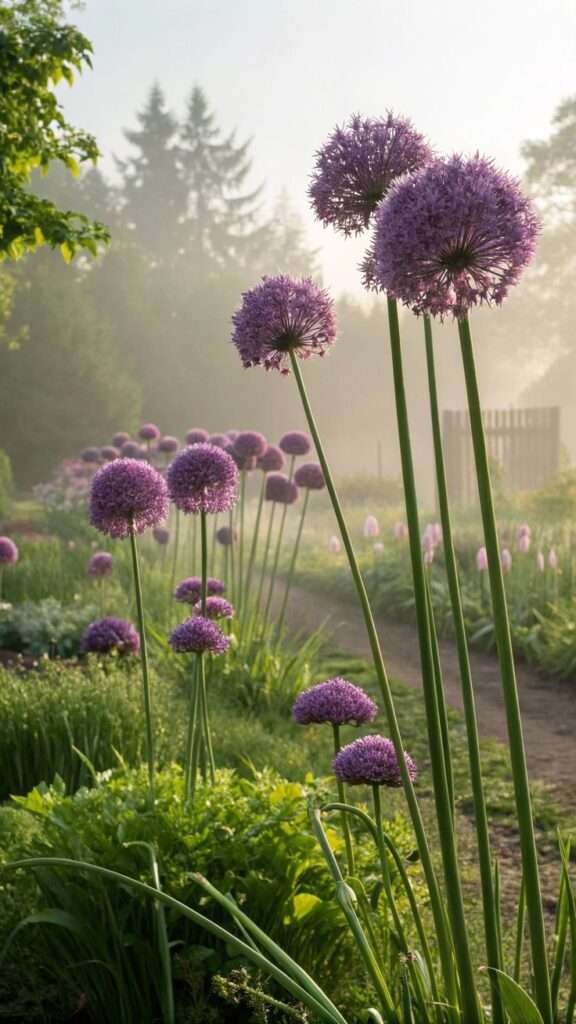
Alliums are part of the onion family, and pests absolutely hate that sharp scent—even if we can’t always smell it. I started planting ornamental alliums simply for their tall, sculptural flowers, but over time I noticed fewer aphids and beetles nearby.
These plants work especially well when mixed into flower borders or vegetable beds. Their upright shape adds visual interest, and they don’t crowd surrounding plants. It’s a subtle way to layer protection without changing your garden’s look.
Alliums are low-maintenance and come back year after year, which makes them a long-term investment in a healthier garden. If you’re already planning structured beds, they pair beautifully with border layouts like the ones shared in our Best Perennial Plants for Borders guide.
15. Petunias – Pretty, Fragrant, and Protective
Petunias don’t get enough credit when it comes to pest control. They help deter aphids, tomato hornworms, and leafhoppers, all while filling your garden with color. I like planting them along borders and in hanging baskets near windows.
They’re especially useful if you want pest-fighting plants that still feel decorative. Not every protective plant has to look herbal or wild—petunias prove that beauty can be practical too.
Petunias thrive in sun and bloom generously with regular watering. A little deadheading goes a long way, and the payoff is a cheerful garden that’s quietly working in your favor.
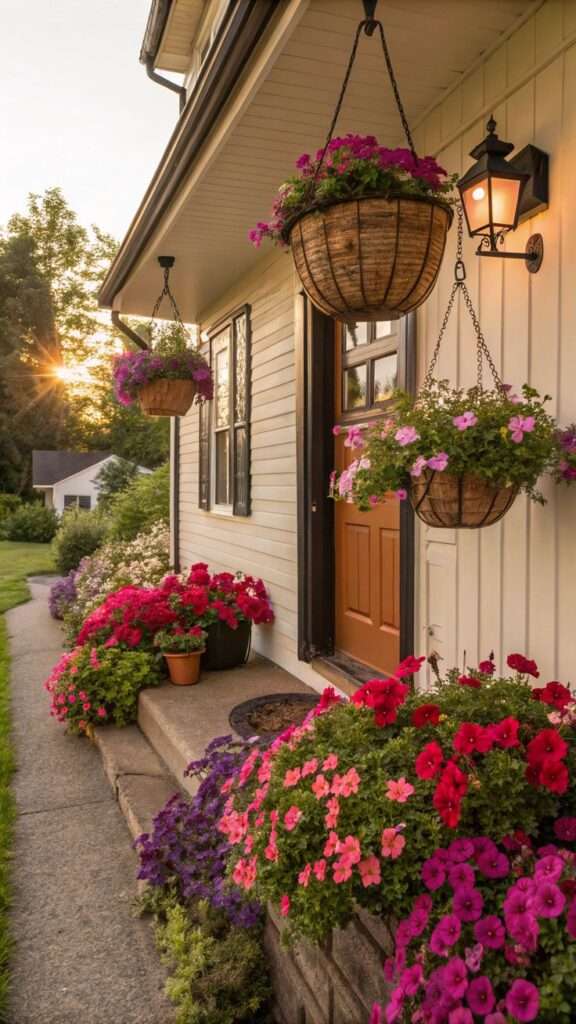
16. Eucalyptus – Fresh Scent, Fewer Bugs
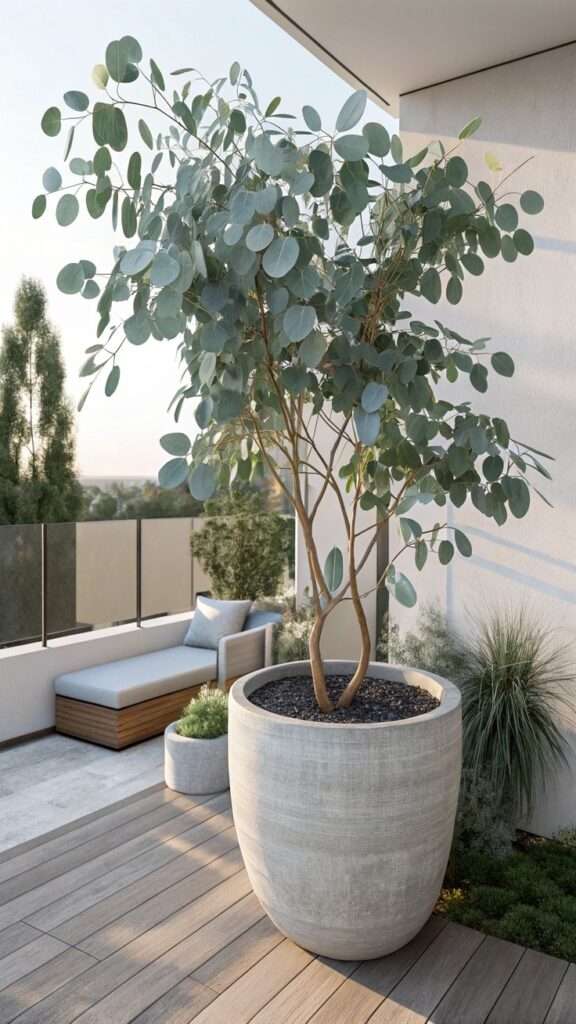
Eucalyptus leaves release a strong, clean scent that insects find overwhelming. I keep a small eucalyptus plant near outdoor seating, and I also cut branches to place in vases indoors during warmer months.
It’s especially effective against mosquitoes and flies, and the scent instantly makes a space feel spa-like. If you enjoy calm, minimal garden aesthetics, eucalyptus fits beautifully without feeling cluttered.
Just be mindful—eucalyptus likes space and good airflow. It does best in large containers or open garden areas where it can breathe and grow freely.
17. Tansy – Old-School Pest Control That Still Works
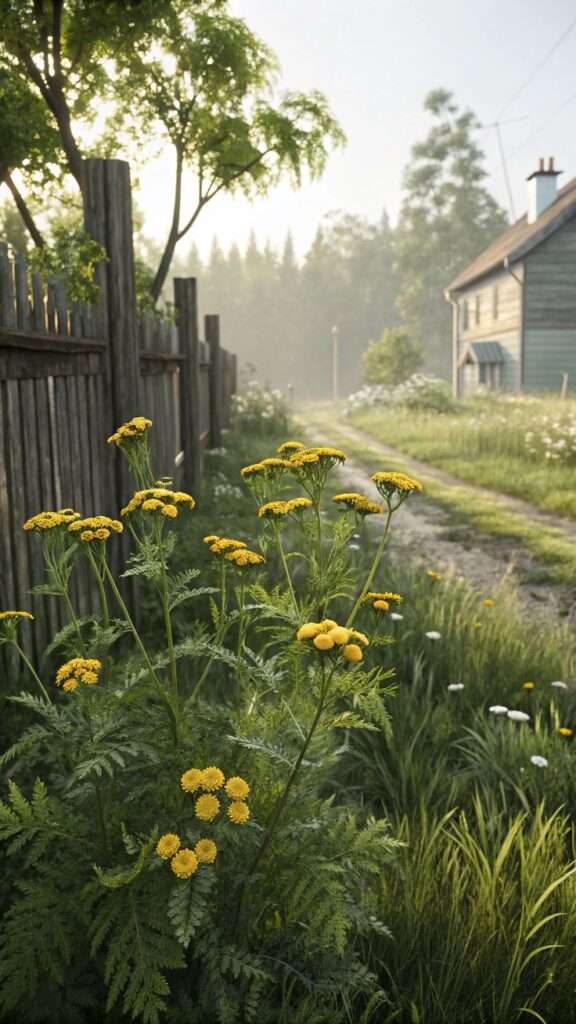
Tansy is one of those old-fashioned plants that our grandparents relied on long before chemical sprays existed. Its strong scent helps repel ants, flies, mosquitoes, and even some crawling insects.
I like planting tansy near compost areas or less-used corners of the yard where pests tend to gather. It’s not the flashiest plant, but it’s incredibly hardworking and reliable.
Tansy does need occasional pruning to keep it from spreading too much, but with a little attention, it becomes a dependable part of a natural pest-control strategy.
Pest-fighting plants are one of those rare wins where beauty meets function. They won’t replace every solution, but layered thoughtfully, they create a healthier, more enjoyable home and garden.

Aagam – Founder of SpruceTouch
Hi, I’m Aagam — the creator behind SpruceTouch. I’m a home and garden enthusiast who shares practical ideas for backyard design, garden projects, patio decor, and small outdoor spaces. Through SpruceTouch, I focus on simple and budget-friendly ways to improve outdoor living spaces.