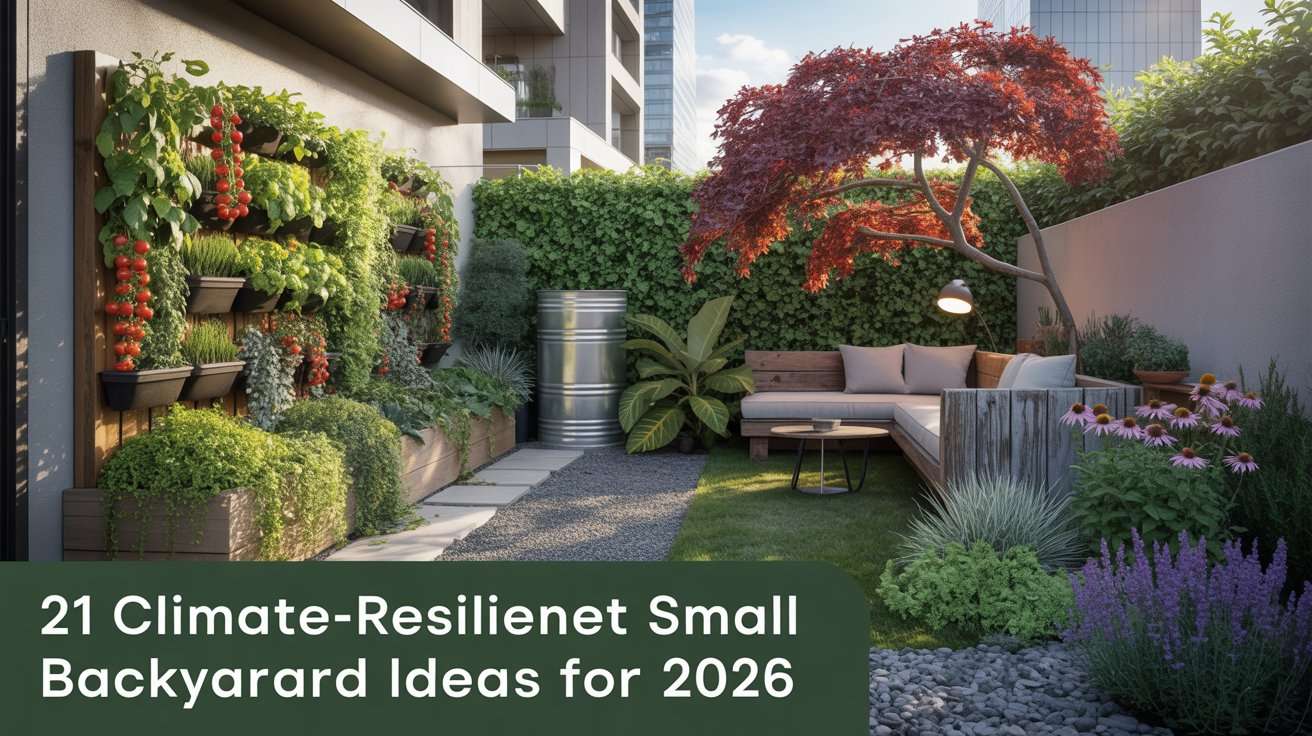
21 Climate-Resilient Small Backyard Ideas for 2026
I used to be that gardener. The one who lovingly planted delicate roses only to watch them crisp under the relentless midsummer sun, no matter how much I watered. It felt like I was battling nature itself, and I was losing. My tiny, sun-baked patio was a graveyard of good intentions, filled with thirsty plants and evaporating dreams of a backyard oasis.
But I learned something critical: it wasn’t my lack of skill, it was my choice of plants and design for our changing climate. I realized I needed a different approach – one that worked with the environmental shifts we’re all seeing. After much research and trial-and-error, I’ve curated this collection of 21 game-changing, climate-resilient ideas specifically for small backyards.
These aren’t just trendy concepts; they’re practical, forward-thinking solutions that I’ve seen thrive, and they’ll help you create a stunning, sustainable space that withstands whatever weather 2026 throws our way.
The secret, you see, isn’t about fighting the heat, but embracing it with smart, beautiful choices.
| Feature | Best For… | Key Benefit |
| Native Plants | Everyone! | Unmatched adaptability & pollinator support |
| Gravel Gardens | Hot, dry spots | Minimal water, stunning textural contrast |
| Permeable Paving | Managing heavy rain | Reduces runoff, recharges groundwater |
| Small Fruit Trees | Edible landscaping | Produces food even in limited space |
| Rainwater Harvesting | Efficient irrigation | Sustainable water source for your garden |
Idea 1: Native Plants for Effortless Resiliency
How to use it: Research and plant species indigenous to your specific region. They are naturally adapted to local climate conditions, requiring less water and fewer fertilizers.
Where to buy or source cheaply: Check local native plant nurseries or conservation districts. Often, they hold annual plant sales with excellent prices.
One mistake to avoid: Just because a plant is native doesn’t mean it goes anywhere. Match the plant’s sunlight and soil needs to the correct spot in your garden.
Idea 2: Create a Drought-Tolerant Rock Garden
How to use it: Combine varied sizes of rocks and boulders with xeric plants like succulents, sedums, and ornamental grasses. The rocks help retain soil moisture and suppress weeds.
Where to buy or source cheaply: Look for free or cheap rocks from local construction sites (ask first!) or online classifieds. Buy small starter plants for better value.
One mistake to avoid: Planting things too close together. These plants need good air circulation to thrive.
Idea 3: Build a Vertical Herb Garden
How to use it: Utilize fences or walls to stack planters or grow herbs vertically. This maximizes growing space and provides a handy culinary source close to the kitchen. Consider a mix of classic culinary herbs like basil, thyme, rosemary, and mint (keep mint in its own pot!).
Where to buy or source cheaply: Upcycle pallets, shoe organizers, or use simple terracotta pots attached to a trellis. Or, buy pre-made vertical planters on a budget. Check out how to propagate mint to easily expand your collection.
One mistake to avoid: Inadequate watering. Vertical planters often dry out faster than in-ground gardens, so monitor moisture closely.
Idea 4: Plant an Understory Tree for Shade and Resilience
How to use it: Choose a small-statured tree, like a Japanese Maple or Eastern Redbud, that naturally grows well in the shade of larger trees or structures. This creates a multi-layered garden that offers natural cooling and increases biodiversity.
Where to buy or source cheaply: Look for end-of-season sales at local nurseries or consider smaller, younger saplings that will grow into the space.
One mistake to avoid: Planting too close to foundations or utility lines. Be sure to check the mature spread and root system of your chosen tree.
Idea 5: Install Permeable Pavers for Smarter Runoff Management
How to use it: Replace solid concrete or asphalt with permeable alternatives like open-cell pavers filled with gravel or grass, or simple gravel paths. This allows rainwater to soak directly into the ground, reducing runoff and nourishing your garden.
Where to buy or source cheaply: Compare prices at local landscaping supply yards. Reusing salvaged bricks or stepping stones can also create a beautiful, permeable path.
One mistake to avoid: Poor base preparation. Without proper grading and a good base layer of gravel, permeable systems can still fail to drain effectively.
GROWING SECRET: Need a quick and incredibly effective way to improve your soil’s water retention and suppress weeds? Use chopped leaves! Instead of bagging up autumn leaves, shred them using your lawnmower or a specialized shredder and pile them directly onto your garden beds as mulch. As they decompose, they not only retain moisture beautifully but also break down into rich humus, boosting soil life and making your garden far more resilient. Best part? It’s completely free and better than most store-bought options!
Idea 6: Use Rain Barrels to Capture Free Water
How to use it: Position rain barrels beneath downspouts to collect and store rainwater from your roof. This provides a free, untreated water source for your garden during dry spells.
Where to buy or source cheaply: Many municipalities offer subsidized rain barrels or rebates. Check local city or county websites for environmental programs.
One mistake to avoid: Forgetting the overflow. Ensure your barrel has an overflow hose that directs excess water safely away from your home’s foundation.
Idea 7: Plant a “Pollinator Pocket” for Biodiversity
How to use it: Dedicate even a small corner or planter to a variety of flowering plants that attract bees, butterflies, and other beneficial insects. Include different flower shapes and bloom times.
Where to buy or source cheaply: Focus on native wildflowers, which often readily reseed themselves. Exchange seeds with fellow gardening friends.
One mistake to avoid: Using pesticides. These can harm the very pollinators you’re trying to attract. Embrace natural pest control methods.
Idea 8: Choose Drought-Tolerant Lawns or Alternatives
How to use it: If you must have a lawn, opt for fine-fescue or buffalograss, which require significantly less water and mowing than traditional turf. Better yet, replace some lawn areas with groundcovers like clover or thyme.
Where to buy or source cheaply: Purchase fescue seed mixes or clover seed. Start small in sections.
One mistake to avoid: Overwatering fescue! It goes dormant in summer heat—don’t mistake this natural survival mechanism for death.
Idea 9: Design with Multi-Functional Hardscaping
How to use it: Incorporate features that serve more than one purpose, like a retaining wall that offers seating, or integrated planters within a patio design.
Where to buy or source cheaply: Salvaged materials from construction sites or local ads can be incredibly cost-effective. Use simple concrete blocks for structures, then veneer them with stone or wood for a refined look.
One mistake to avoid: Neglecting proper drainage around retaining walls, which can lead to failure over time.
Idea 10: Integrate Smart Irrigation Technology
How to use it: Install a simple drip irrigation system connected to a smart controller. These systems deliver water directly to plant roots and automatically adjust watering schedules based on real-time weather data.
Where to buy or source cheaply: Start with a basic drip kit from a home improvement store and upgrade to a smart controller later. DIY installation saves significantly.
One mistake to avoid: Incorrect emitter placement. Ensure water is delivered where the plant needs it, not just randomly along the tubing.
Seasonal Maintenance Calendar
To keep your small backyard resilient and thriving through 2026 and beyond, consistent (but efficient!) maintenance is key. Here’s a basic calendar to guide you:
| Season | Task |
| Spring | Prune summer-blooming shrubs. Amend soil with compost. Plant new native/resilient varieties. Start seeds indoors/propagate cuttings. Check irrigation systems. |
| Summer | Mulch heavily! Water deeply but infrequently (early morning is best). deadhead flowers for continuous bloom. Watch for pests naturally. Harvest produce regularly. |
| Autumn | Plant spring-blooming bulbs & fall-blooming resilient perennials. Divide overcrowded perennials. Clean up fallen leaves (use as mulch!). Plant hardy native species. |
| Winter | Clean and maintain tools. Review your garden’s performance & plan changes. Shop for resilient seeds. Prune deciduous trees & shrubs during dormancy. Mulch tender plants if needed. |
Idea 11: Maximize Microclimates for Year-Round Growing
How to use it: Recognize that different spots in your small yard hold unique growing conditions. Use the warmth of a sunny south-facing wall to overwinter tender plants, or the cool shade of your house for moisture-loving ferns.
Where to buy or source cheaply: This strategy is free! All you need is observation and strategic plant placement. You might even discover a spot warm enough to try starting seeds in winter!
One mistake to avoid: Ignoring seasonal shifts. A perfect spot in spring might become a heat trap in peak summer. Monitor your microclimates throughout the year.
Idea 12: Opt for Sustainable, Recycled Materials
How to use it: Choose landscaping materials made from recycled plastic, reclaimed wood, or salvaged stone. These choices reduce environmental impact and often add unique character.
Where to buy or source cheaply: Look for composite decking made with recycled content. Check local online marketplaces and building salvage yards for reclaimed lumber and stone.
One mistake to avoid: Assuming all “recycled” materials are durable. Research the longevity and maintenance requirements of any alternative product.
Idea 13: Plant for Natural Pest Control with Companion Planting
How to use it: Interplant flowers and herbs known to repel harmful insects or attract beneficial ones that prey on pests. For example, marigolds can help deter nematodes, while dill and fennel attract predatory wasps.
Where to buy or source cheaply: Purchase seeds and grow your own companion plants for the most cost-effective approach. Share seeds with other gardeners to increase variety.
One mistake to avoid: Forgetting about competition. Don’t plant companion crops so densely that they end up competing for resources like light and water.
Idea 14: Build Your Own Efficient Compost System
How to use it: Create a simple, contained compost system using wood pallets, wire mesh, or a purchased tumbler. Regularly add kitchen scraps (no meat/dairy), garden waste, and leaves.
Where to buy or source cheaply: Upcycle materials like old wooden pallets or mesh fencing. Some municipalities offer low-cost composting bins.
One mistake to avoid: Adding too much of one ingredient. Maintain a balanced mix of “greens” (nitrogen-rich, like food scraps) and “browns” (carbon-rich, like dried leaves) for optimal decomposition.
Idea 15: Embrace Xeriscaping Principles for Maximum Efficiency
How to use it: Xeriscaping isn’t just rocks! It’s about designing your entire landscape for minimal water use. Group plants by water needs, use efficient irrigation, and heavily mulch all garden areas.
Where to buy or source cheaply: Focus on native plants and drought-tolerant non-natives, which are often widely available. DIY installation saves on labor costs.
One mistake to avoid: Misinterpreting “xeriscape” as “zero-scape.” Plants are still essential for cooling, wildlife, and aesthetics—choose the right plants.
Idea 16: Create a Smart, Self-Watering Container Garden
How to use it: Utilize self-watering containers for vegetables or thirstier plants. These pots feature an integrated reservoir that wicks moisture up to plant roots as needed, reducing watering frequency and waste.
Where to buy or source cheaply: Find self-watering planters at gardening stores or online. You can also DIY your own using nested buckets and a wicking material.
One mistake to avoid: Allowing the reservoir to go dry. Monitor water levels, especially during hot weather. The system only works if the reservoir is filled.
Idea 17: Choose High-Yield Plants for Small Spaces
How to use it: In tight quarters, prioritize plants that produce abundantly in a small area. Think bush varieties of tomatoes and cucumbers, prolific herbs, and ‘cut-and-come-again’ salad greens.
Where to buy or source cheaply: Look for ‘bush’ or ‘patio’ labeled varieties in seed catalogs or at your local nursery. Share seedling leftovers with friends.
One mistake to avoid: Overcrowding. Even small-space varieties need room for air circulation. Proper spacing prevents disease.
Idea 18: Plant for Climate Comfort with Natural Cooling
How to use it: Use plants strategically to shade your patio and home. Deciduous vines grown on a pergola or trellis offer cool shade in summer but allow warming winter sun to pass through.
Where to buy or source cheaply: Opt for fast-growing vines like hops, clematis, or runner beans (which also provide food!). Start from seeds or small starter plants for savings.
One mistake to avoid: Choosing overly aggressive vines. Avoid invasive species like wisteria or trumpet vine, which can quickly overwhelm a small space and structure.
Idea 19: Grow a Resilient, No-Mow Groundcover Lawn
How to use it: Ditch the traditional, thirsty grass lawn entirely. Replace it with a resilient groundcover like creeping thyme, clover, or chamomile, which requires little to no mowing or watering once established.
Where to buy or source cheaply: Purchase seeds for clover or thyme in bulk. Start smaller sections using plant plugs for faster coverage.
One mistake to avoid: Planting in heavy-traffic areas. While these groundcovers are tough, most won’t withstand constant, heavy foot traffic like turf grass.
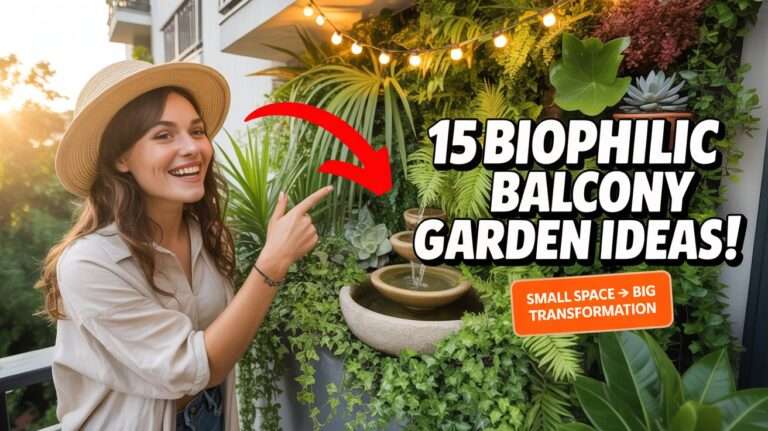
Idea 20: Incorporate Small-Scale Vertical Water Features
How to use it: A simple wall-mounted fountain or a bubbling container pot can provide a calming focal point and a water source for beneficial wildlife, all while using very little space and recycling water.
Where to buy or source cheaply: DIY your own from a large, sealed pot and a small solar-powered pump. Or, look for affordable options at home decor or gardening stores.
One mistake to avoid: Forgetting to clean it. Stagnant water can breed mosquitoes. Clean regularly and consider using mosquito dunks if needed.
Idea 21: Future-Proof with Container Fruit Trees
How to use it: Grow dwarfing varieties of fruit trees like apples, pears, and citrus in large containers. This allows you to harvest delicious fresh fruit even without a dedicated orchard space.
Where to buy or source cheaply: Purchase bare-root trees in late winter/early spring for the best selection and value. Look for varieties explicitly labeled for container growing.
One mistake to avoid: Inadequate nutrition. Trees in containers have limited access to nutrients. Use a high-quality fertilizer specifically formulated for fruit trees.
Common Mistakes to Avoid for a Resilient Small Backyard:
- Ignoring Native Plants: Fighting the climate with delicate non-natives is a losing battle in the long run.
- Neglecting Drainage in Containers: Always, always ensure your pots have proper drainage to avoid root rot.
- Overcrowding: While density is good, respect each plant’s mature size and space needs to prevent disease and competition.
- Over-reliance on Lawn: Lawns are often water and resource hogs; replace with permeable paving, gravel, or resilient plantings where practical.
- Skipping Mulch: Mulch is crucial for moisture retention and weed suppression – don’t overlook it!
Final Thoughts on Building a Future-Ready Oasis
Creating a resilient small backyard for 2026 isn’t about expensive overhauls; it’s about making smart, conscious choices that work with our shifting climate. It’s a personal journey of adaptation, but one that yields profound rewards.
By embracing native plants, maximizing efficiency with drip irrigation, composting, and perhaps even integrating some productive edibles, you’re not just creating a beautiful space – you’re building a sustainable, thriving, and self-sufficient sanctuary, effortlessly and affordably, right at home. It’s incredibly satisfying to step into your little urban plot and know it’s not just withstanding environmental shifts but actively contributing positively to the local ecosystem. So, take it one step, one idea at a time, and embrace the satisfying process of nurturing a future-ready small-scale oasis you can truly be proud of, starting today.
Frequently Asked Questions (FAQ)
1. How do I choose the best native plants for my specific small backyard?
The key is locality. Research native plant nurseries dedicated to your specific eco-region rather than relying solely on generic advice. These specialists understand the native species, their growth habits, and can recommend varieties truly proven to thrive in smaller spaces in your climate. You can also consult resources like your local extension office or native plant society for personalized guidance.
2. Is a drip irrigation system really necessary for a small garden?
Yes, absolutely! Drip irrigation is arguably the single most water-efficient method, delivering focused hydration directly to plant roots with virtually zero waste. Especially in small backyards where every square inch counts and water efficiency is crucial into 2026 and beyond, it saves substantial amounts of water, money, and time, while encouraging healthier, more resilient plant growth compared to less efficient watering methods.
3. What’s the biggest mistake people make with vertical gardening on a budget?
Undersizing the support structure. It’s easy to start with a small, inexpensive trellis, only to realize months later that your chosen vigorous climbing plant has completely outgrown and overwhelmed it, potentially collapsing under its own weight or in strong winds. Always research the mature size of your climber and build or buy a sturdy, reinforced trellis or vertical support before planting, ensuring it’s adequate for the plant’s ultimate potential.
4. How can I attract more pollinators without spending a lot of money?
Focus on two simple, low-cost strategies: planting native wildflowers and providing simple nesting habitat. Choose native flowering plants suitable for your region, ensuring a succession of blooms throughout the season to provide food. For habitat, incorporate simple native bee houses or nesting tubes – you can easily find affordable pre-made options online or construct a DIY version from bundled stems or drilled wood blocks.
5. I have heavy clay soil. Can I still have a gravel garden or path?
Yes, with proper installation! The critical mistake is trying to lay gravel directly over clay. Instead, you must create a stable, permeable base. Excavate a shallow area, lay down permeable landscape fabric to prevent the gravel sinking into the clay, then build up a sturdy, well-compacted base layer of aggregate (like crushed stone) before adding your functional and beautiful surface layer of gravel. This ensures adequate drainage and prevents a muddy mess.
We genuinely hope these detailed climate-resilient small backyard ideas for 2026 empower you to create a beautiful, sustainable, and truly future-ready urban oasis you can be proud of. Happy gardening!

Aagam – Founder of SpruceTouch
Hi, I’m Aagam — the creator behind SpruceTouch. I’m a home and garden enthusiast who shares practical ideas for backyard design, garden projects, patio decor, and small outdoor spaces. Through SpruceTouch, I focus on simple and budget-friendly ways to improve outdoor living spaces.