15 Genius Ways to Keep Your Patio Cool Even in Extreme Summer Heat
Last summer, I remember stepping onto my patio with a cup of iced tea… only to turn right back inside within seconds. The floor was scorching, the air felt heavy, and even the shade didn’t help. It honestly felt like my patio was working against me instead of being a relaxing escape.
If you’ve ever felt the same, you’re not alone. Most patios are unintentionally designed in ways that trap heat instead of reflecting it.
But here’s the secret I discovered after a lot of trial and error: cooling your patio isn’t about one big change—it’s about layering small, smart solutions together.
In this guide, I’m sharing the exact strategies that transformed my patio into a breezy, usable space—even during peak summer afternoons.
Quick Selection Table (Top Cooling Ideas)
| Idea | Best For | Budget | Effort Level | Instant Impact |
|---|---|---|---|---|
| Outdoor Shade Sail | Large sunny patios | $$ | Medium | ⭐⭐⭐⭐⭐ |
| Cooling Plants | Natural cooling lovers | $ | Low | ⭐⭐⭐⭐ |
| Outdoor Curtains | Privacy + shade | $$ | Medium | ⭐⭐⭐⭐ |
| Misting System | Extreme heat zones | $$$ | Medium | ⭐⭐⭐⭐⭐ |
| Light-Colored Rugs | Heat reflection | $ | Low | ⭐⭐⭐ |
The Ideas Section
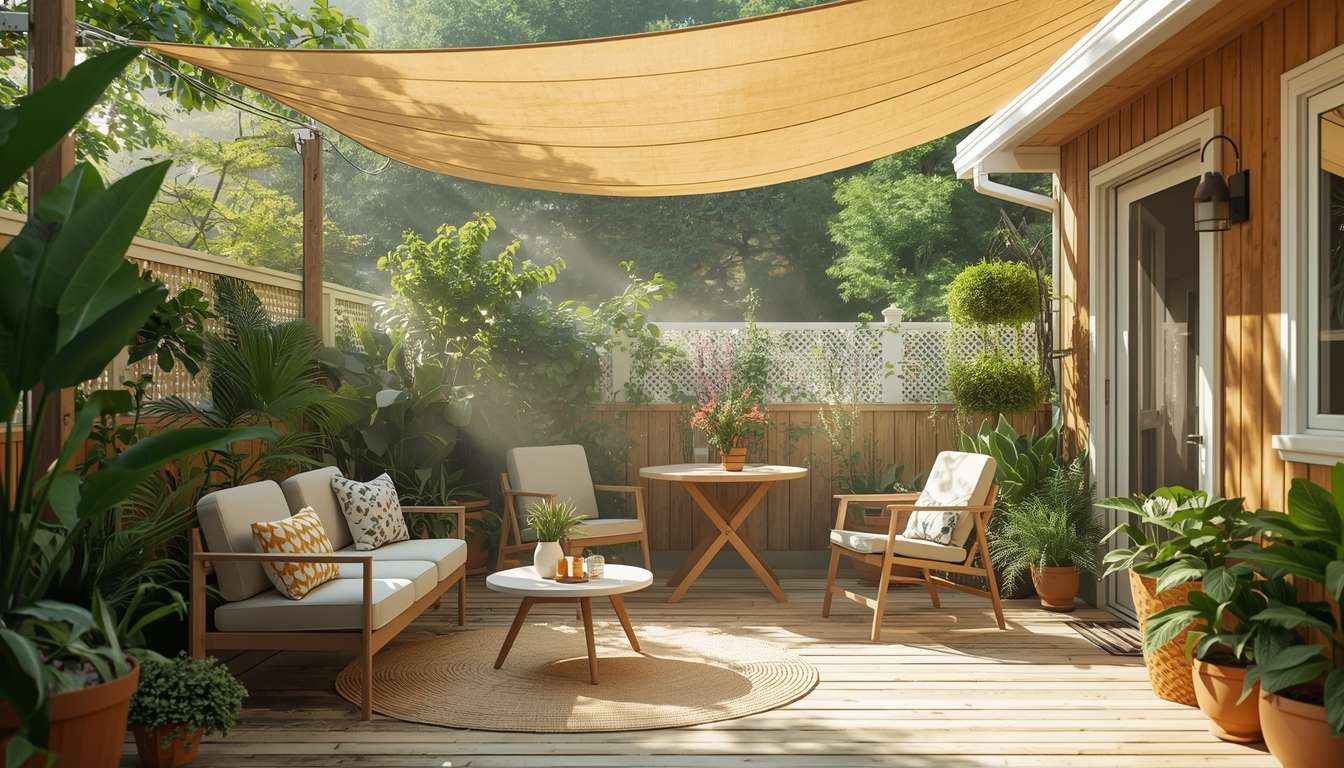
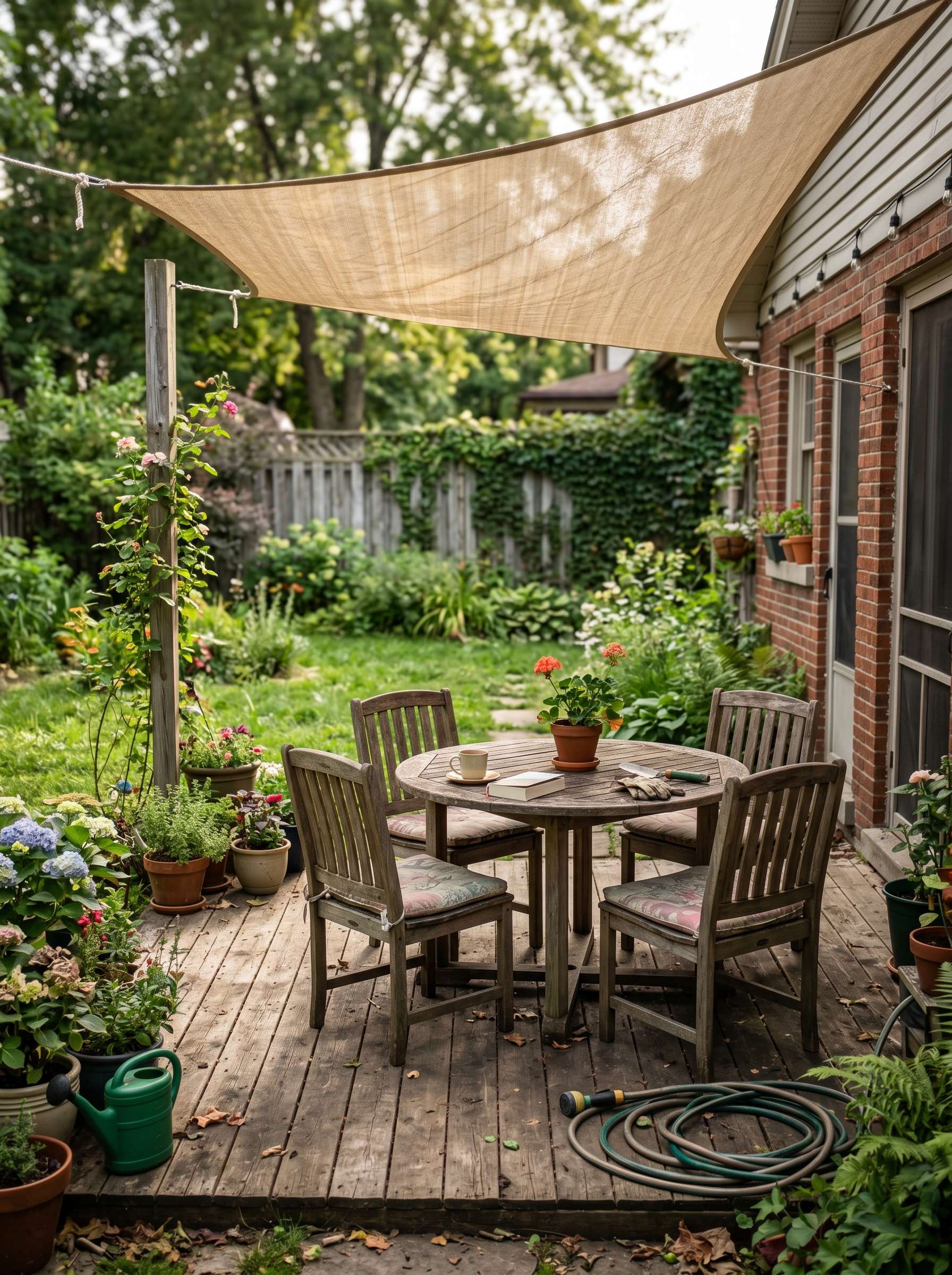
1. Install a Shade Sail for Instant Relief
A shade sail was honestly the first thing that made a dramatic difference in my patio temperature. Before installing it, the sun would directly hit my seating area from noon to 4 PM. After? It felt like stepping into a completely different space.
The key here is placement. Don’t just stretch it randomly—angle it slightly so it blocks the strongest sunlight direction in your region.In hot regions with intense afternoon sun, that usually means covering the west-facing side.
You don’t need expensive materials either. I found a durable UV-resistant shade sail online at a reasonable price, and it’s held up surprisingly well through multiple summers.
One mistake I made early on was installing it too flat. This caused water to collect during rain and stretched the fabric. Always create a slight slope so water drains off naturally.
2. Use Cooling Plants to Naturally Lower Temperature
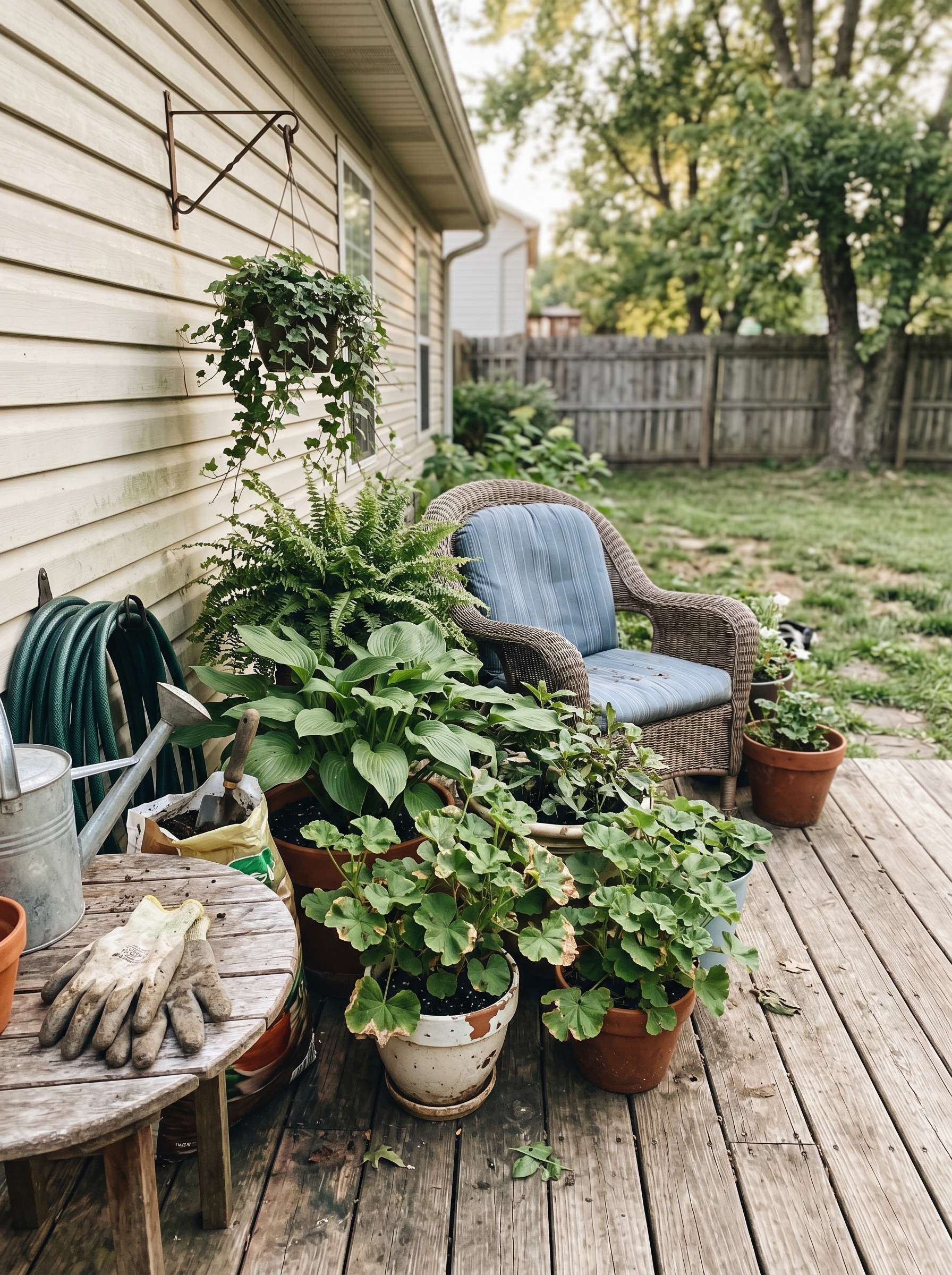
Plants aren’t just for looks—they actually cool the air around them. I noticed this when I clustered a few large leafy plants around my seating area. The difference in temperature was subtle but noticeable.
Focus on plants with broad leaves like areca palms or banana plants. These release moisture into the air and create a mini microclimate. Even placing 4–5 pots strategically can change the feel of your patio.
If you’re on a budget, start with smaller plants and let them grow. Local nurseries often have better prices than big stores.
One mistake people make is placing plants randomly. Instead, create a “green wall” effect on one side to block heat and wind.
If you’re planning to expand your greenery, you might love these shade-friendly plant ideas that thrive even in low-light patios.
3. Add Outdoor Curtains for Shade + Breeze Control
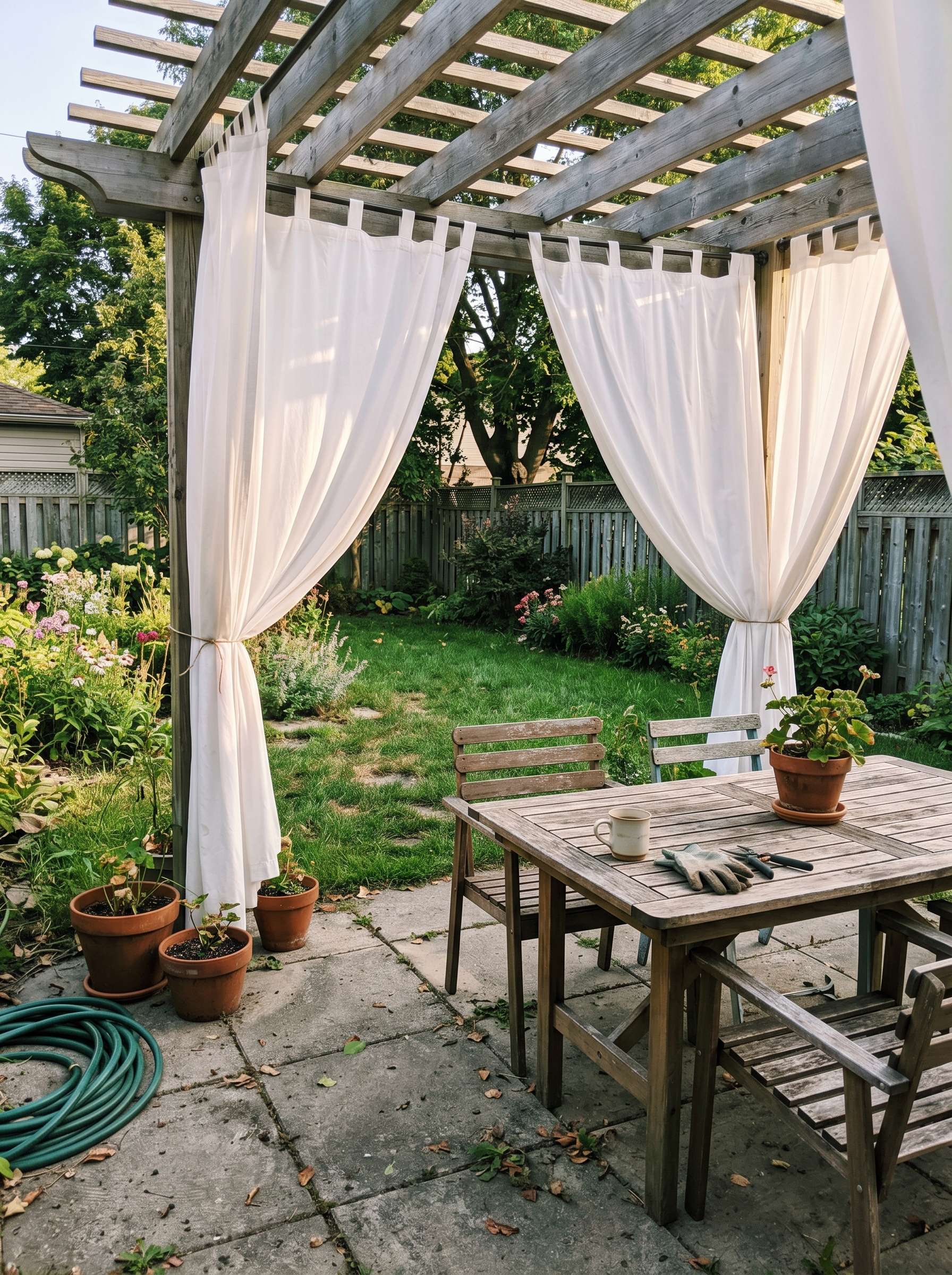
Outdoor curtains are one of those upgrades that feel luxurious but are surprisingly affordable.
I installed light-colored, breathable curtains on one side of my patio, and they instantly reduced the harsh afternoon sun. The best part? I could tie them back in the evening to let airflow in.
Choose light fabrics like linen or polyester blends. Dark colors might look elegant, but they absorb more heat.
A mistake I learned the hard way: avoid heavy fabrics. They block airflow and can actually make the space feel stuffy.
Install them on rods or simple wire systems—nothing too complicated.
4. Install a DIY Misting System
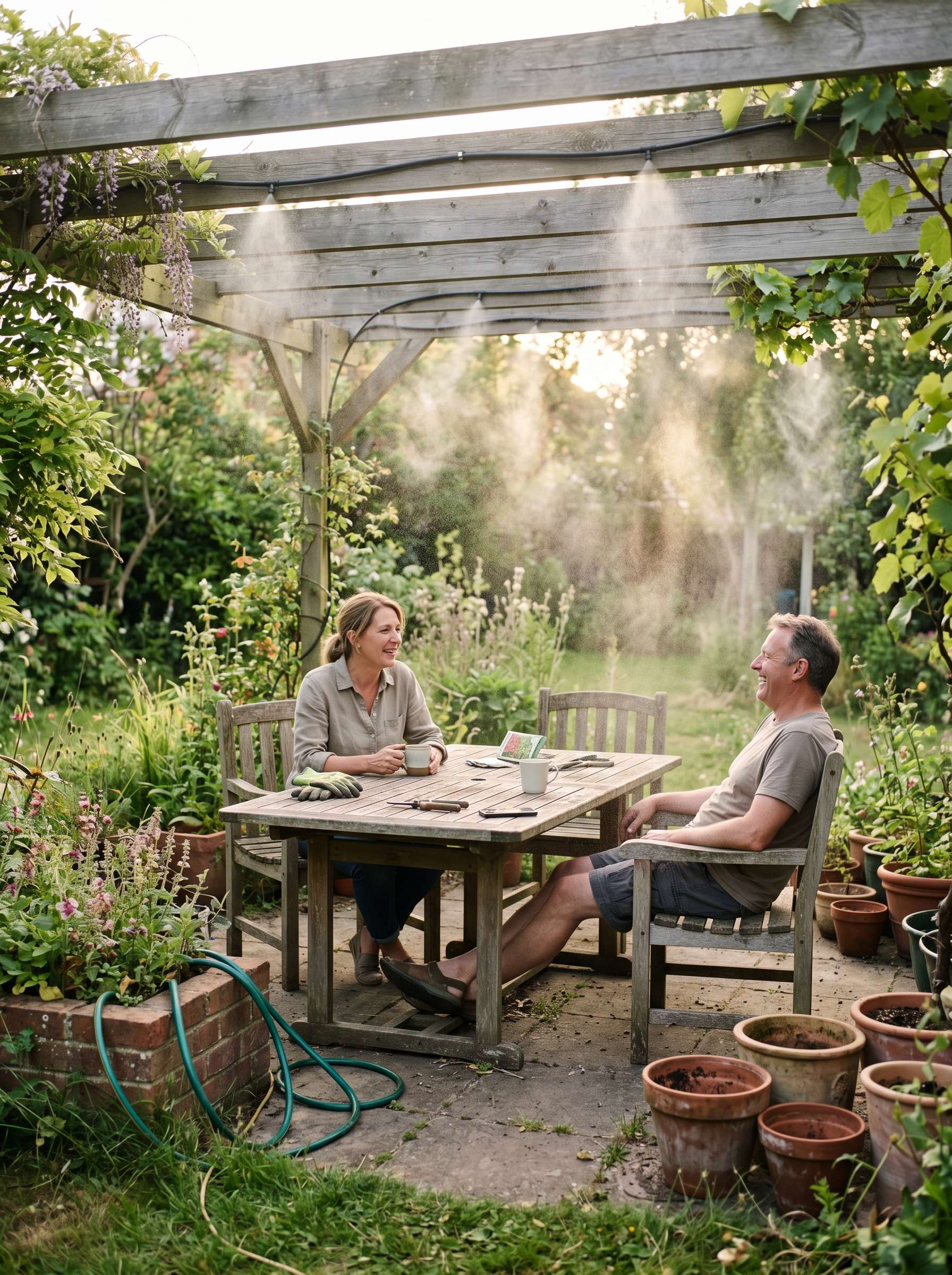
This is hands-down the most effective cooling method I’ve tried.
A misting system sprays ultra-fine water droplets that cool the surrounding air instantly. On peak summer days, it can drop the temperature by several degrees.
You don’t need a professional setup. I started with a basic DIY kit connected to my outdoor tap, and it worked beautifully.
Just make sure you install it overhead and not too close to seating areas—you want cooling, not soaking.
One mistake to avoid: using low-quality nozzles. They drip instead of misting, which defeats the purpose.
5. Switch to Light-Colored Flooring or Rugs
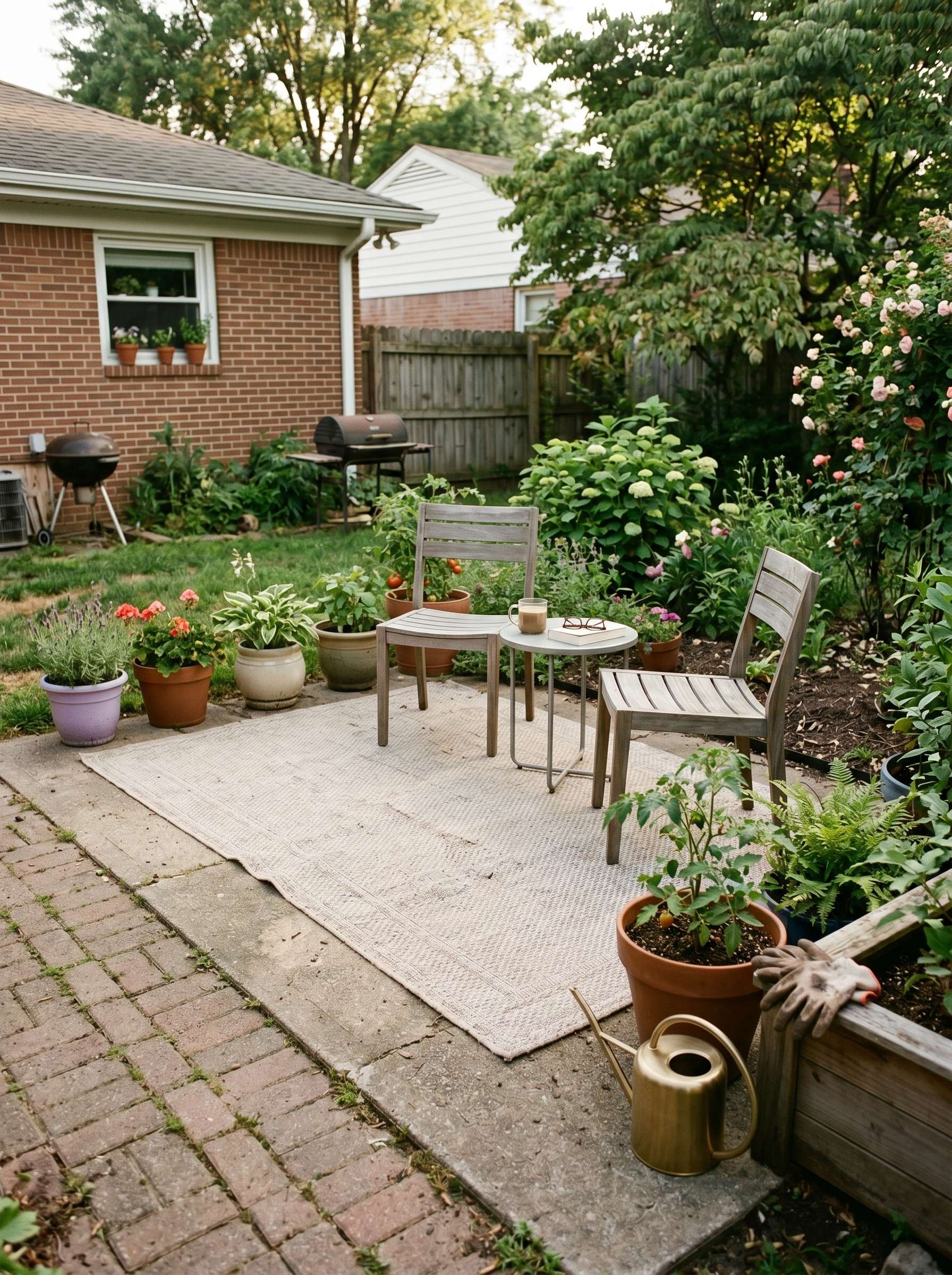
I didn’t realize how much my dark flooring was contributing to the heat until I added a light outdoor rug.
Light colors reflect sunlight, while dark surfaces absorb it. This simple change made walking barefoot on my patio actually possible again.
Outdoor rugs are the easiest upgrade. Look for UV-resistant materials so they don’t fade quickly.
Avoid thick rugs—they trap heat underneath. Go for breathable weaves instead.
If you’re redesigning your patio, consider lighter tiles or stone finishes long-term.
PRO TIP
GROWING SECRET:
Most people focus only on shade, but airflow is equally important. A shaded patio with no ventilation still feels hot. Always combine shade solutions with airflow strategies like fans, curtains, or open layouts.
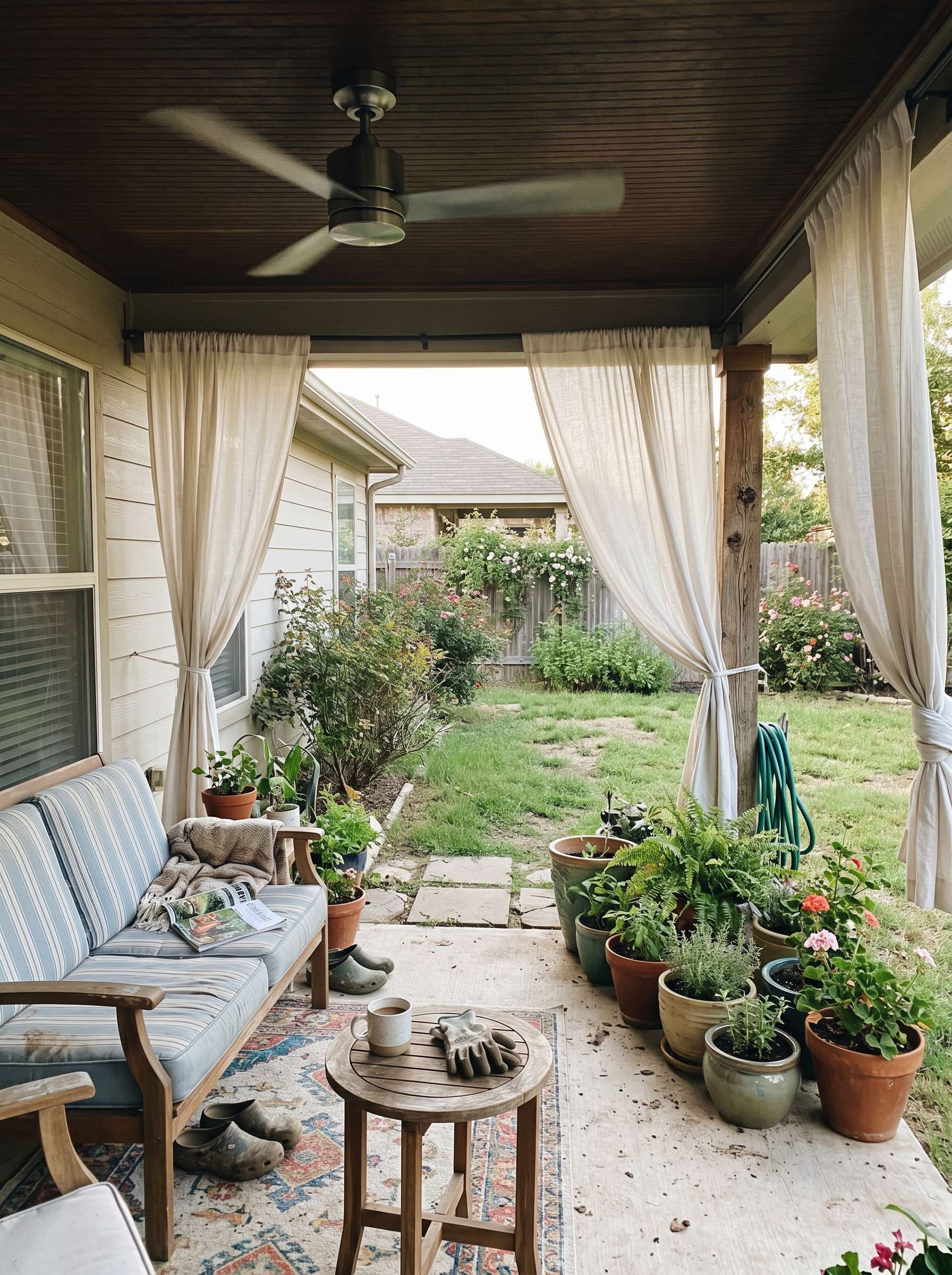
6. Add an Outdoor Ceiling or Pedestal Fan for Instant Airflow
I used to underestimate how powerful simple airflow can be—until I added an outdoor pedestal fan to my patio. The difference wasn’t just physical temperature, but how the space felt. Moving air instantly makes heat more bearable.
If you have a covered patio, a ceiling fan is ideal. It looks clean and evenly distributes airflow. But if not, a high-quality pedestal or wall-mounted fan works just as well—and it’s portable, which is a bonus.
When buying, look specifically for “outdoor-rated” fans. These are built to handle humidity and dust. I learned this the hard way after ruining an indoor fan in just one season.
Placement matters more than you think. Don’t aim the fan directly at seating—angle it slightly upward to circulate air across the entire space.
Mistake to avoid: Don’t go for the cheapest fan available. Weak airflow won’t make any real difference, especially during peak heat.
If you’re redesigning your patio layout, combining airflow with smart layout strategies—like those used in small cozy patio lighting ideas —can amplify the cooling effect.
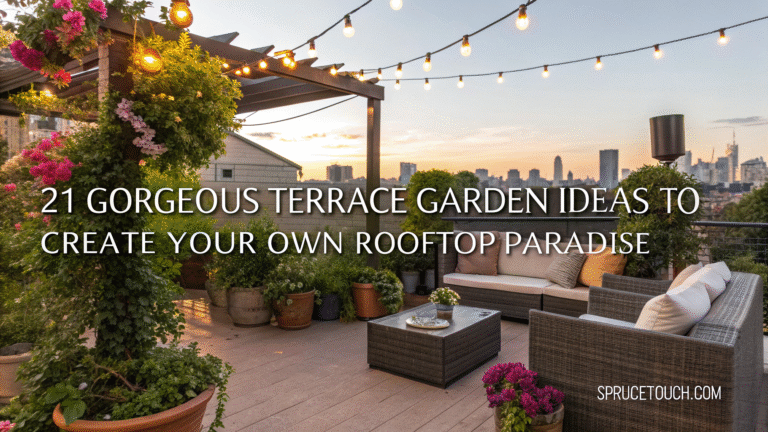
7. Build a Pergola with Climbing Vines for Natural Shade
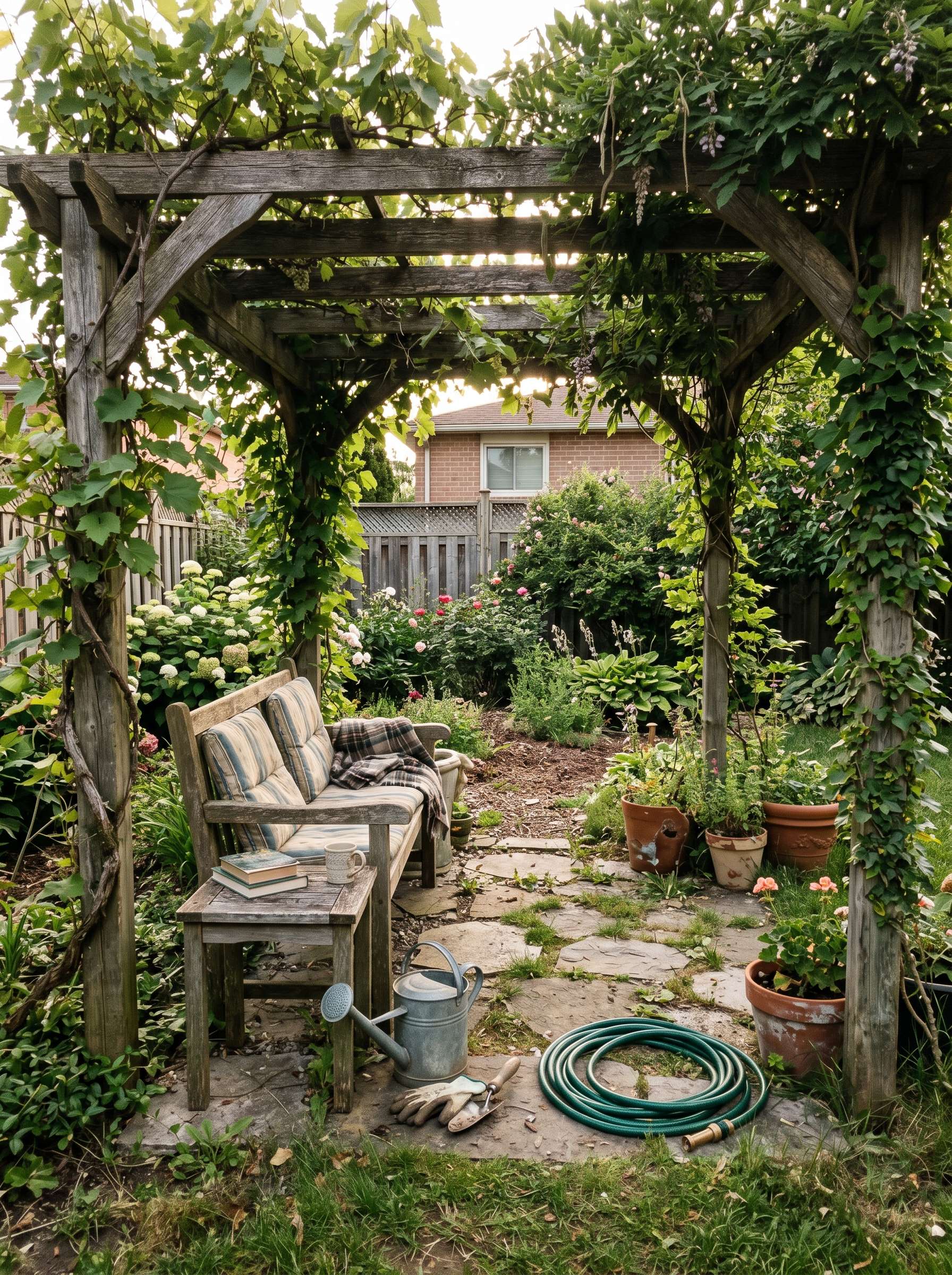
A pergola alone gives partial shade—but when you combine it with climbing plants, it becomes a natural cooling powerhouse.
I added a simple wooden pergola and trained fast-growing vines over it. Within a few months, it transformed into a living canopy that filtered sunlight beautifully.
Plants like bougainvillea, jasmine, or even grapevines work well in warm climates. They not only block sunlight but also cool the air through evaporation.
If you’re on a budget, you don’t need a fancy pergola. Even a DIY wooden frame or metal structure can do the job.
Mistake to avoid: Don’t expect instant results. Vines take time to grow. In the beginning, you can add a temporary fabric cover until the plants fill in.
To expand your vertical greenery ideas, you can explore creative garden structure inspirations that blend design with functionality.
8. Try the Ice Bowl + Fan Hack (Quick DIY Cooling)
This is one of those surprisingly effective tricks I wish I had tried sooner.
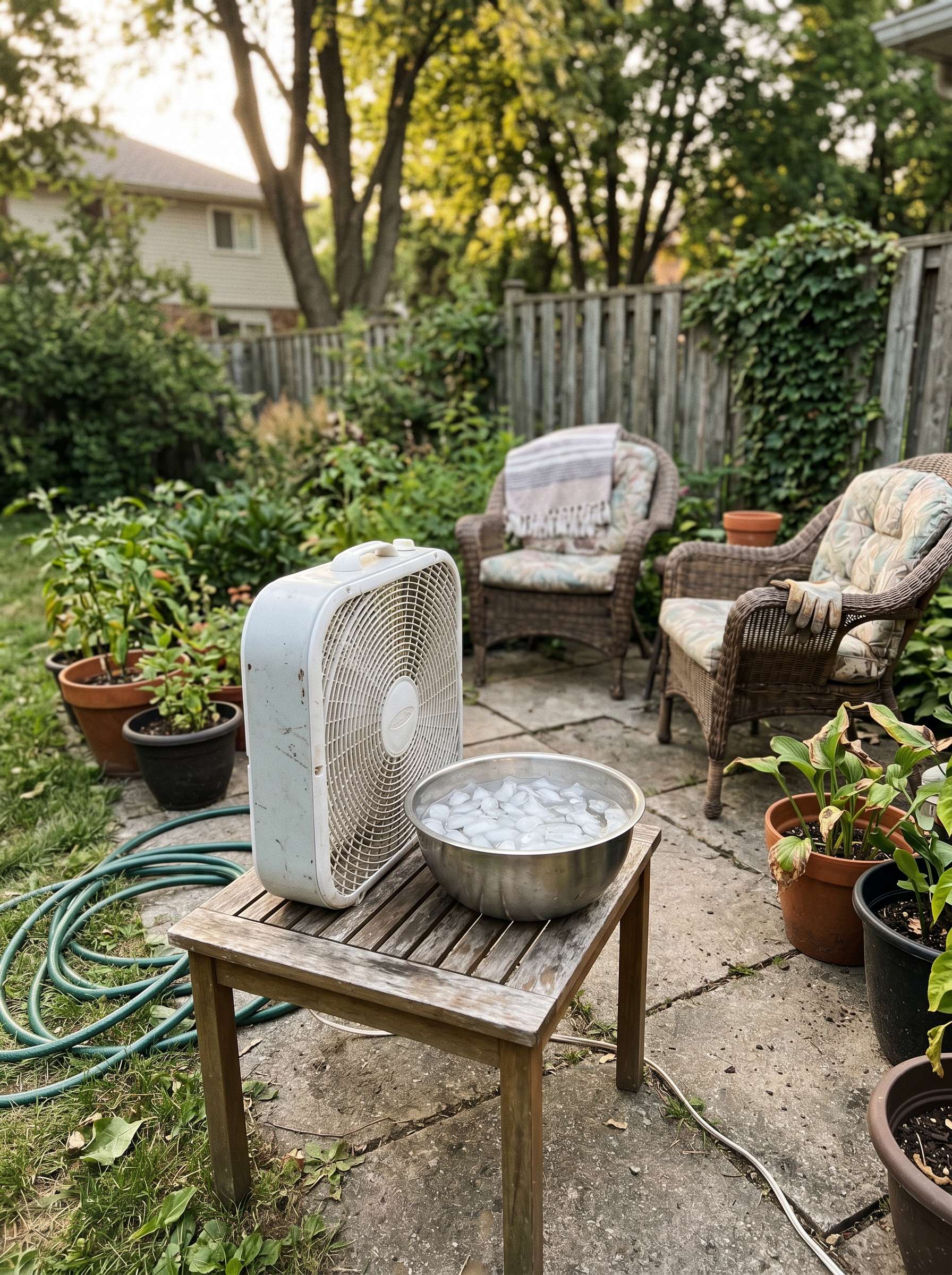
All you need is a large bowl of ice placed in front of a fan. As the fan blows air over the ice, it creates a chilled breeze—almost like a mini air conditioner.
I used this during a small outdoor gathering, and everyone kept asking how the space felt so cool without any expensive setup.
It’s not a permanent solution, but it’s perfect for short-term use—like evening hangouts or small parties.
Use a metal or insulated bowl to keep the ice from melting too quickly. You can even freeze water in large containers beforehand to make bigger ice blocks.
Mistake to avoid: Don’t place the ice too far from the fan. The airflow needs to pass directly over it to work effectively.
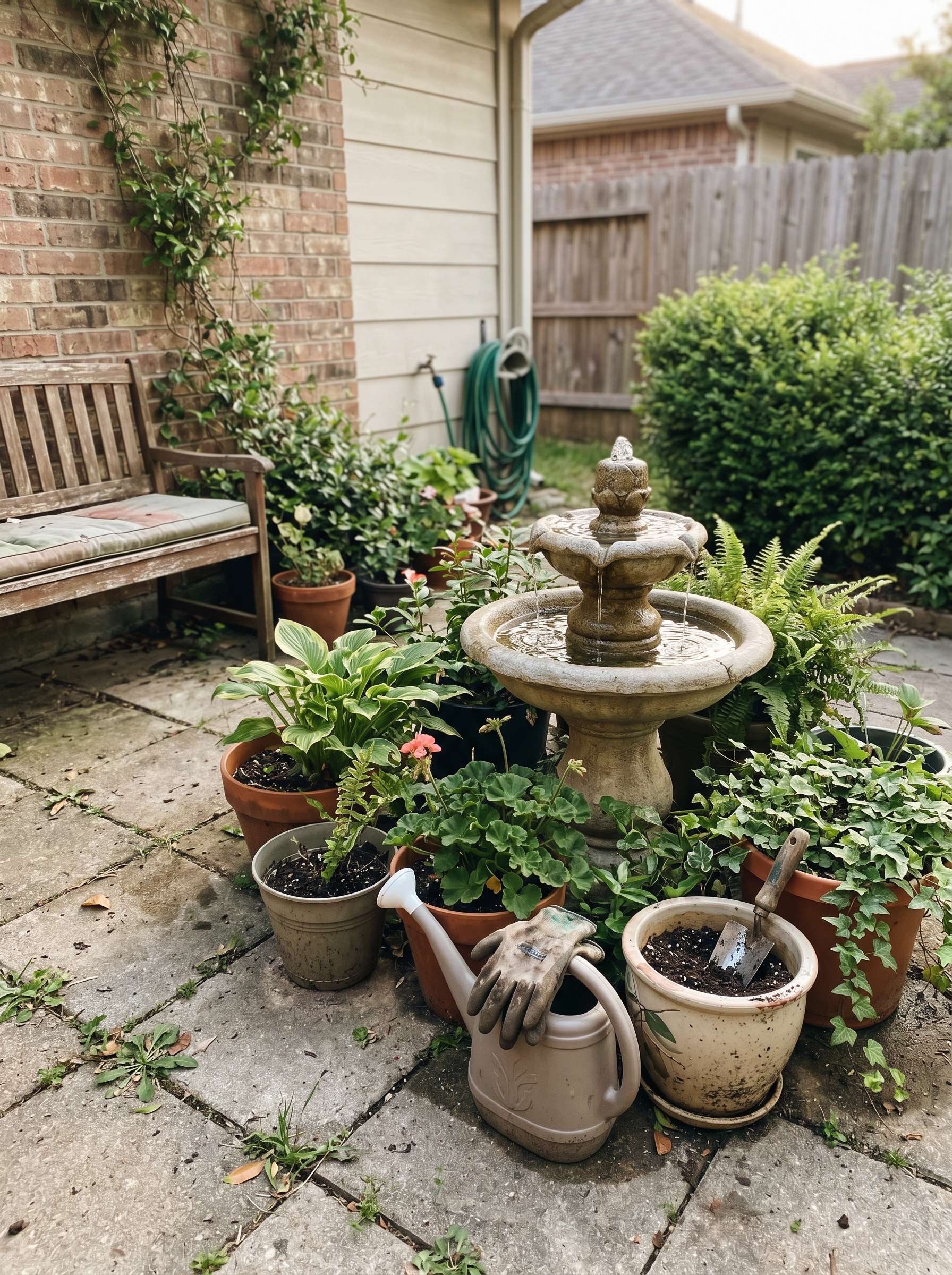
9. Add a Small Water Feature for Cooling Effect
There’s something incredibly calming—and cooling—about water.
I added a small tabletop fountain to my patio, mostly for aesthetics at first. But over time, I noticed the area around it felt slightly cooler and much more relaxing.
Water features help cool the air through evaporation, especially when combined with airflow from a fan.
You don’t need anything elaborate. Even a simple ceramic fountain or DIY water bowl setup can make a difference.
Placement is key—keep it near your seating area but not in direct sunlight to reduce water loss.
Mistake to avoid: Don’t choose a high-maintenance fountain if you’re busy. Go for simple, easy-to-clean designs.
10. Use Bamboo or Reed Screens to Block Harsh Sun
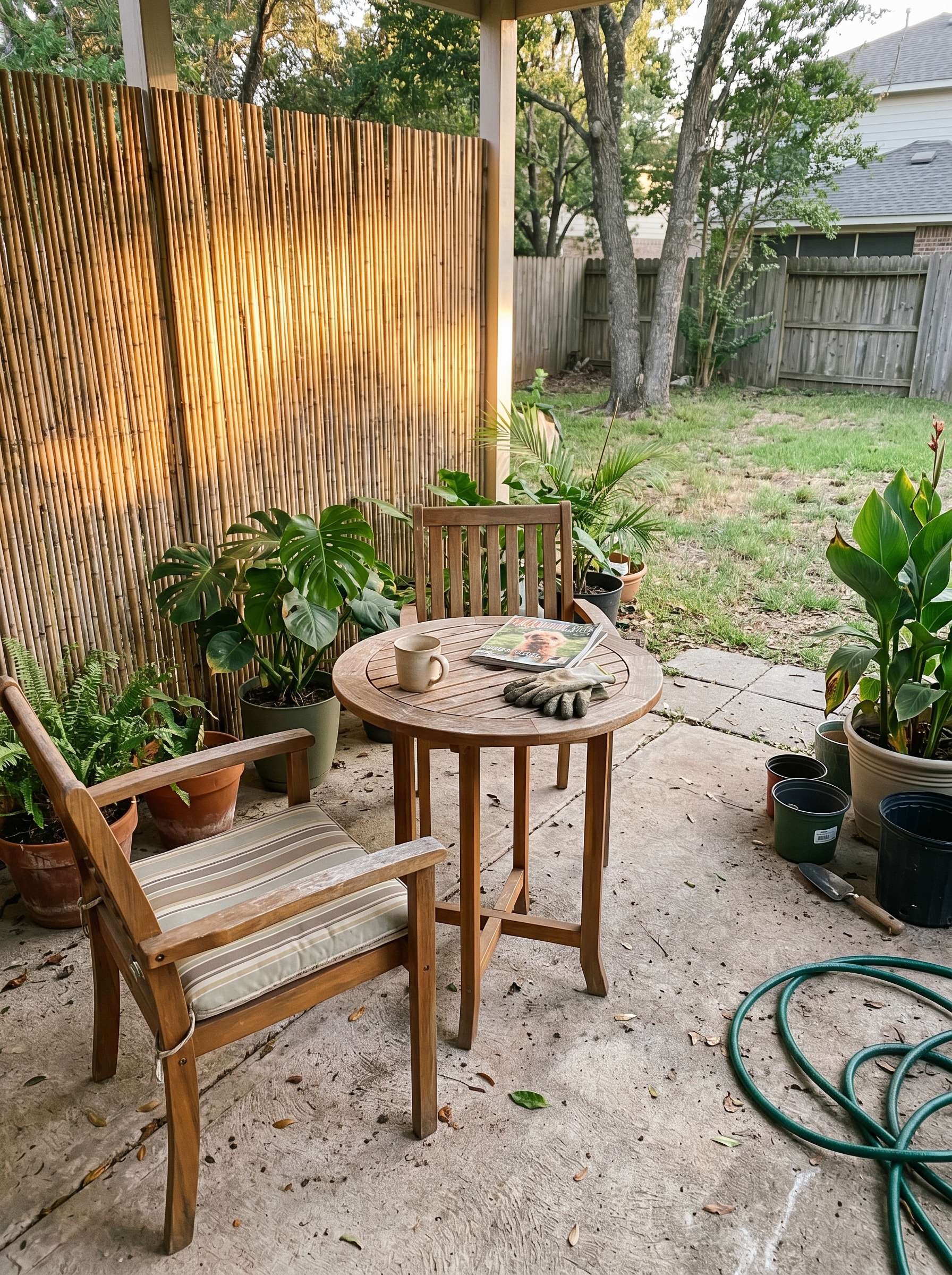
Bamboo screens are one of the easiest and most affordable ways to reduce direct heat.
I installed a roll-up bamboo screen on the side of my patio that gets the most afternoon sun. It instantly cut down the harsh glare and made the space usable again.
They’re lightweight, easy to install, and add a natural, relaxed vibe to your outdoor space.
You can find them at local markets or online at very reasonable prices. Some even come with roll-up mechanisms for flexibility.
For best results, position them where the sun hits strongest—usually west-facing areas.
Mistake to avoid: Don’t leave gaps between panels if you’re trying to block strong sunlight. Overlap slightly for better coverage.
If you love natural textures, pairing bamboo with elements from rustic outdoor decor ideas can elevate the entire patio look.
PRO TIP
COOLING SECRET:
Most patios stay hot because heat gets trapped, not just because of sunlight. Always leave some openings for cross ventilation. A fully enclosed patio can feel hotter than one with partial sun exposure but good airflow.
11. Apply Reflective Paint or Heat-Reducing Sealants
This is one of those upgrades that doesn’t look flashy—but makes a huge difference over time.
I noticed my patio walls and floor were absorbing heat all day and slowly releasing it into the evening. That’s when I decided to try a reflective outdoor sealant—and honestly, it changed everything.
Reflective coatings work by bouncing sunlight away instead of absorbing it. You can apply them to concrete floors, walls, or even rooftops near your patio.
The best part? It’s a one-time effort with long-term results. I found affordable options at local hardware stores, and applying it was easier than I expected—just like painting.
Mistake to avoid: Don’t skip surface cleaning before applying. Dust and grime can prevent proper adhesion, reducing effectiveness.
12. Choose Breathable Furniture Materials (Skip Heat-Trapping Ones)
I learned this the hard way after sitting on a metal chair that felt like it had been sitting inside an oven.
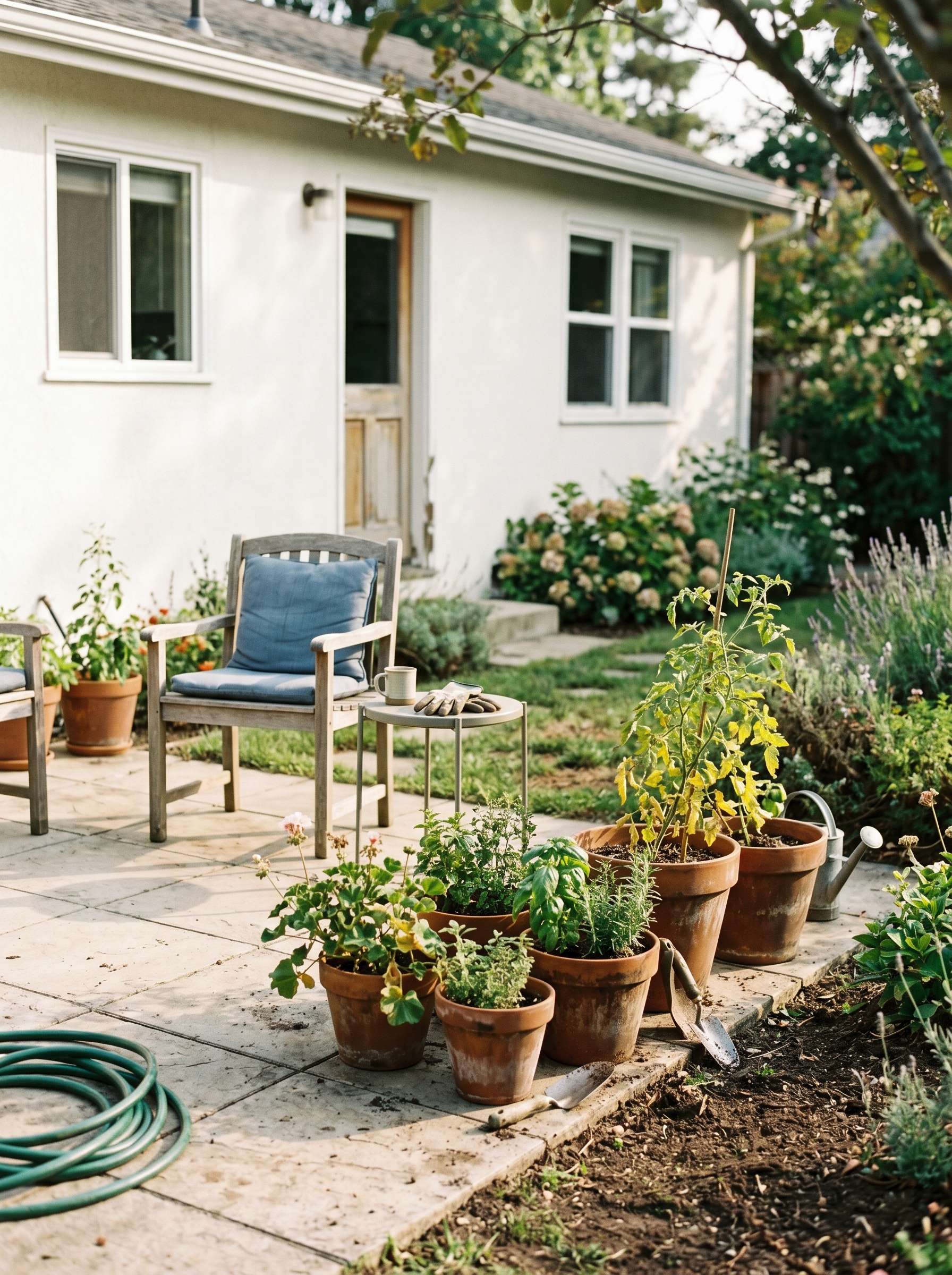
Furniture plays a bigger role in heat comfort than most people realize. Materials like metal and dark plastic absorb heat quickly and hold onto it.
Switching to rattan, wicker, or mesh seating made my patio feel instantly more comfortable—even during hot afternoons.
Look for cushions made with breathable, quick-dry fabric. These don’t trap heat and stay comfortable longer.
Budget tip: You don’t need to replace everything. Even adding a breathable cushion layer over existing furniture can help.
Mistake to avoid: Avoid dark-colored cushions—they absorb heat and fade faster in sunlight.
13. Create a Green Roof or Overhead Plant Canopy
This is one of the most beautiful—and effective—cooling methods I’ve seen.
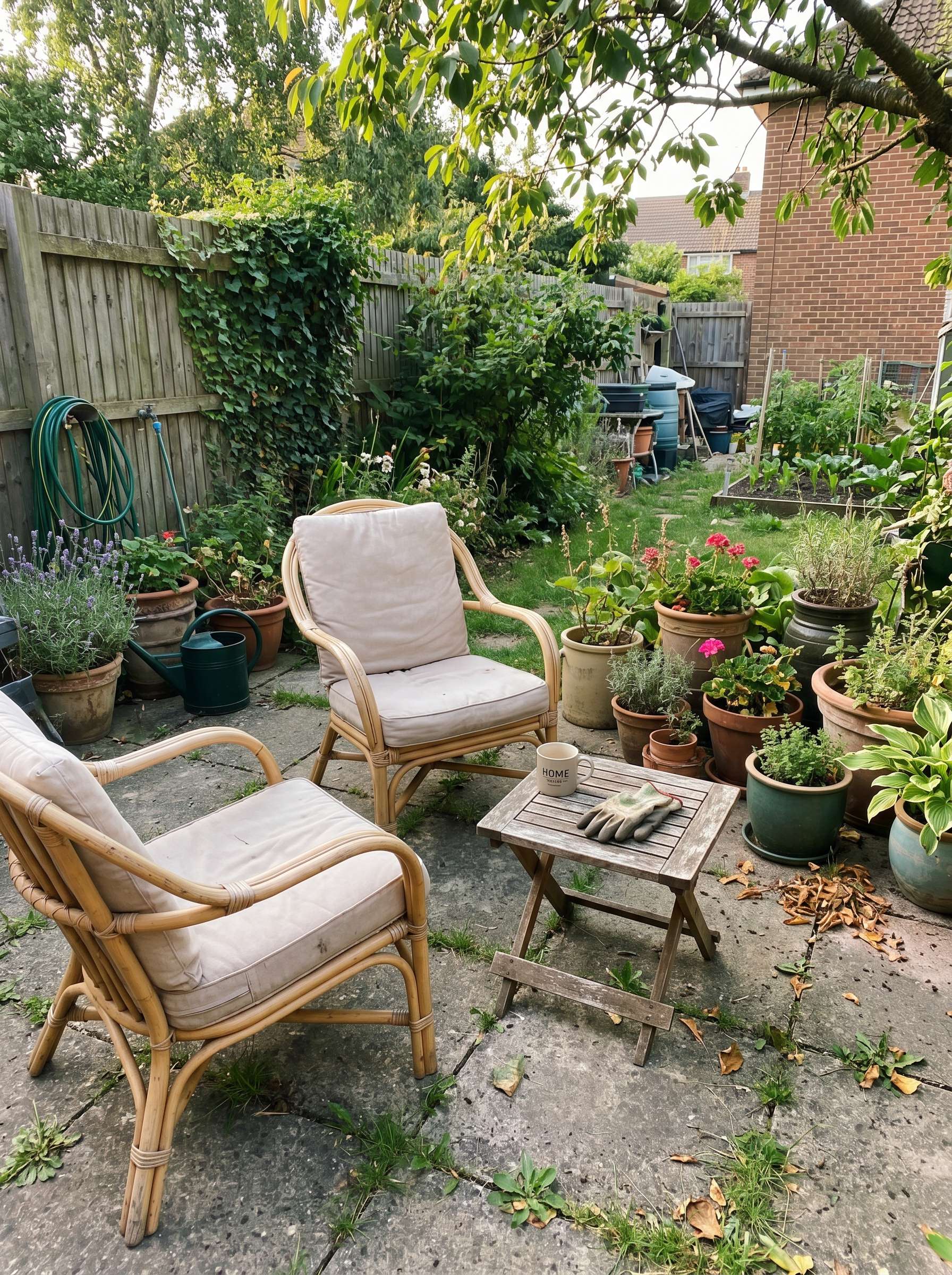
A green canopy (plants growing overhead) doesn’t just block sunlight—it actively cools the air through transpiration. Think of it as nature’s air conditioner.
If you already have a pergola or frame, you can train plants across the top. If not, even hanging planters or vertical supports can help create that layered green effect.
Start with fast-growing climbers and mix in hanging pots for instant impact.
It takes time, but once established, it becomes a self-sustaining cooling system.
Mistake to avoid: Don’t overcrowd too quickly. Plants need airflow too—otherwise you risk humidity buildup.
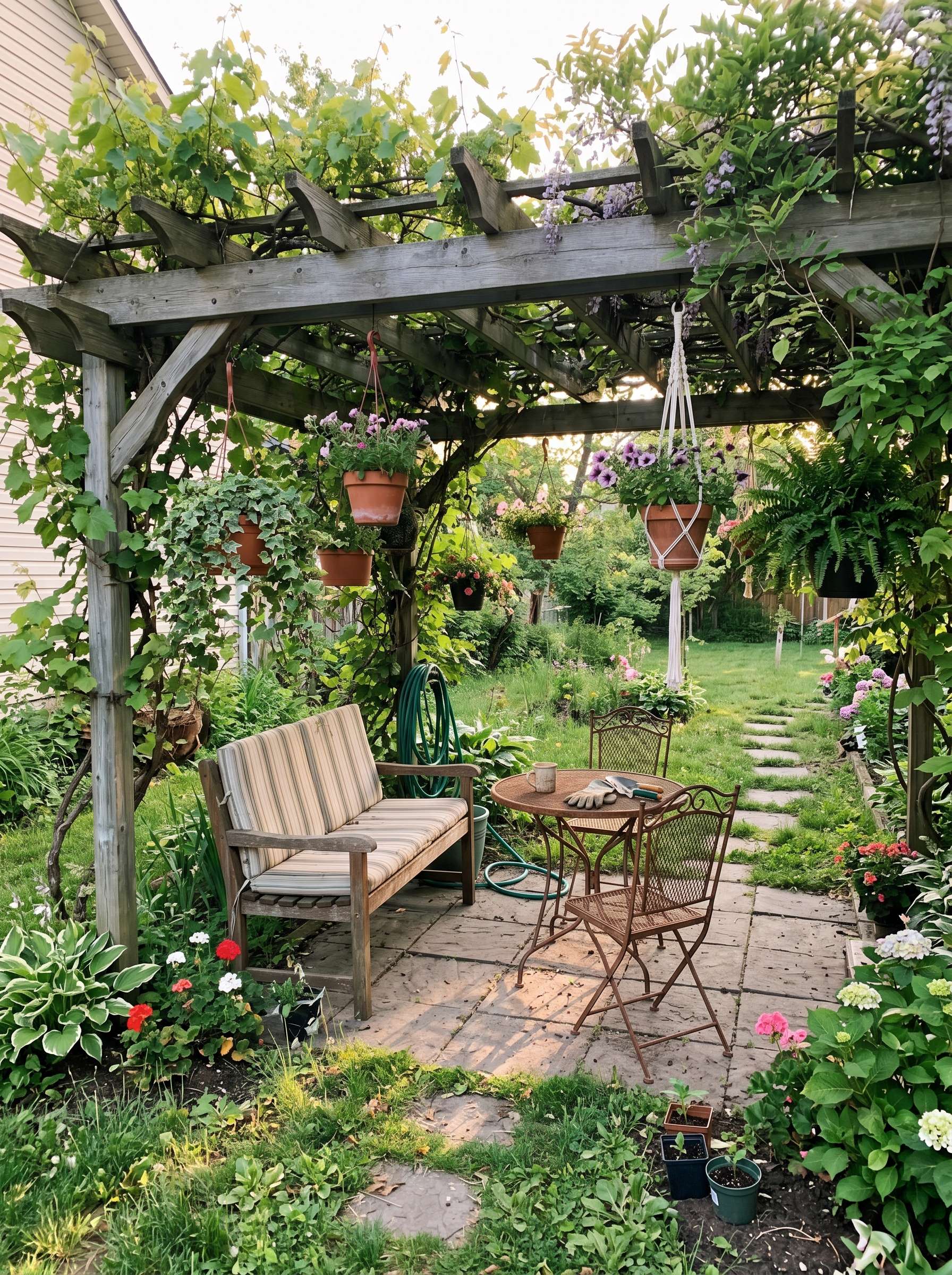
14. Design for Cross-Ventilation (Let the Air Flow!)
This is the “invisible” trick that most people overlook—but it’s incredibly powerful.
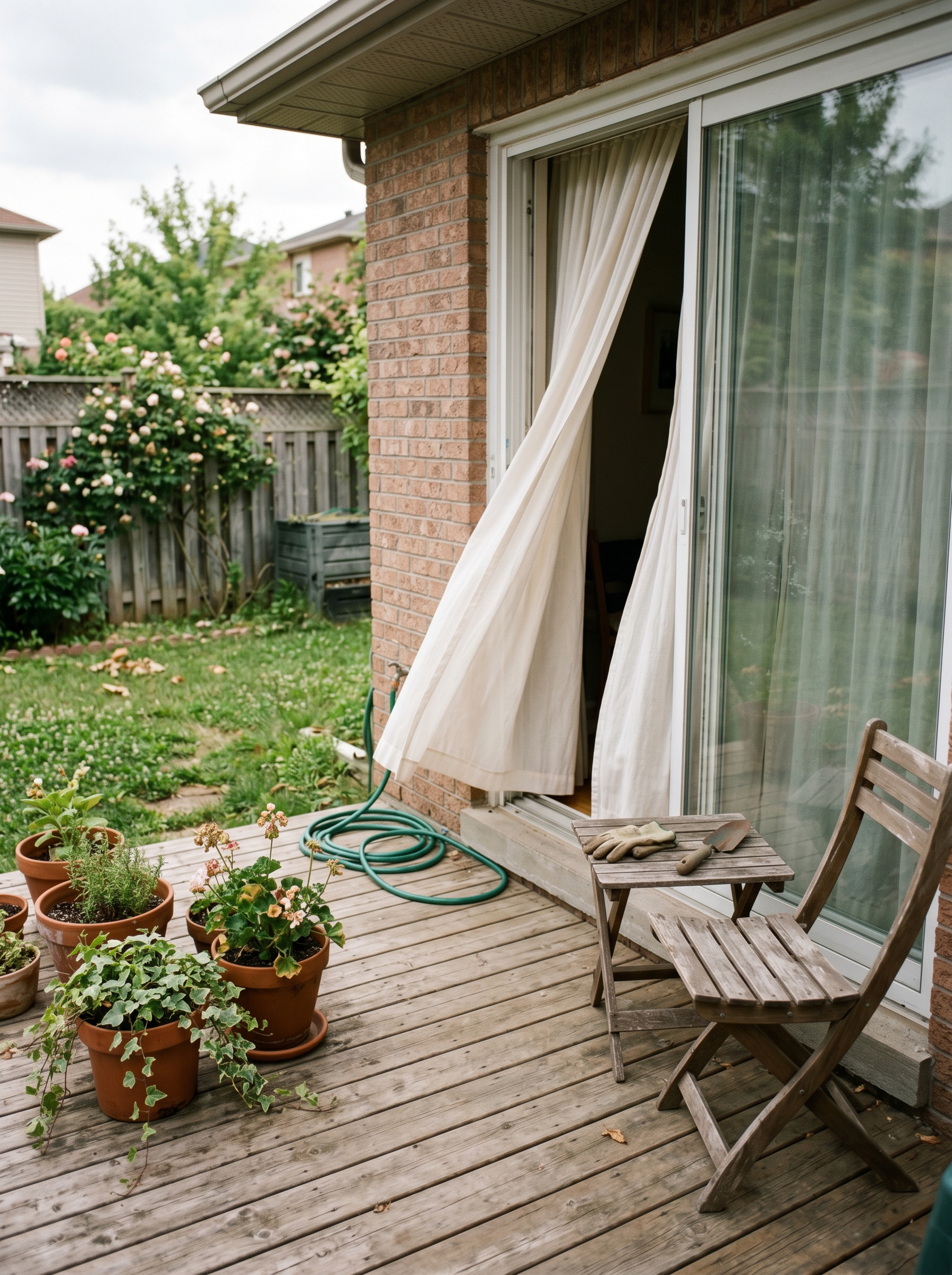
I used to block one side of my patio with storage and decor, thinking it looked better. But it actually trapped hot air inside.
Once I opened up both sides to allow wind to pass through, the difference was immediate. Even a light breeze can significantly cool your space if it flows properly.
Think of your patio like a tunnel—air should be able to enter from one side and exit from another.
Rearranging furniture, removing obstacles, or using lighter dividers can help create this effect.
Mistake to avoid: Don’t overcrowd your patio. Too many items block airflow and make the space feel hotter.
15. Add Portable Shade Umbrellas for Flexible Cooling
Sometimes, the simplest solution is the most practical.
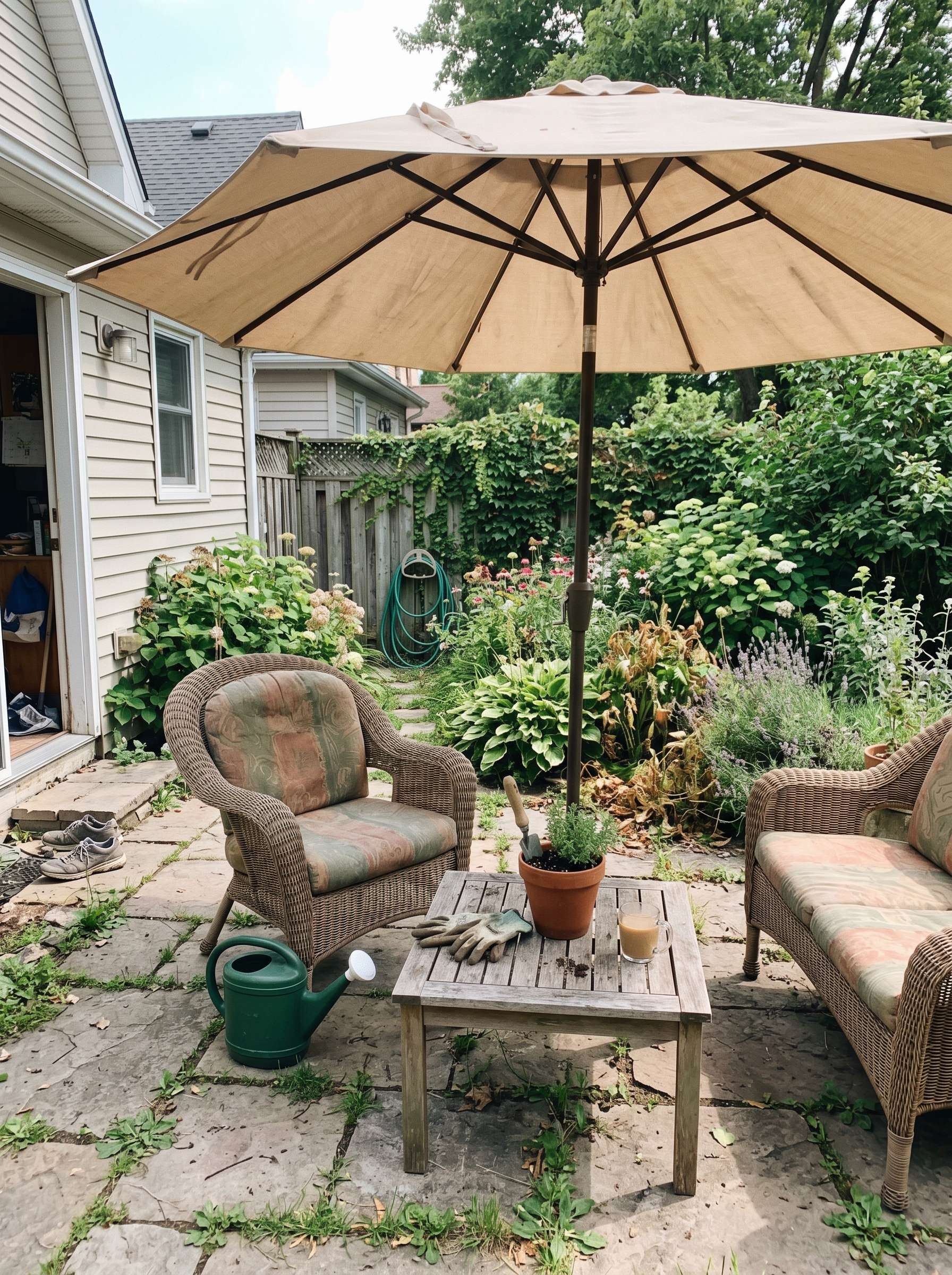
A good-quality patio umbrella gives you instant, adjustable shade exactly where you need it. I love this option because it’s flexible—you can move it as the sun shifts throughout the day.
Look for umbrellas with UV protection and tilt features. These let you block sunlight from different angles without constantly repositioning the base.
They’re also great if you rent or don’t want to install permanent structures.
You can find budget-friendly options online or at local stores, especially during summer sales.
Mistake to avoid: Don’t go too small. A larger canopy provides better coverage and actually makes a noticeable difference.
PRO TIP
FINAL COOLING SECRET:
The coolest patios aren’t built with just one idea—they combine at least 3: shade + airflow + natural elements. Even small improvements in each area can completely transform your outdoor comfort.
FAQs
1. What is the fastest way to cool a patio?
A misting system combined with shade gives the quickest results.
2. Do plants really reduce heat?
Yes, through transpiration—they release moisture that cools surrounding air.
3. Are outdoor fans effective in humid climates?
They help with airflow, but combining them with misting works best.
4. What color is best for patios in hot climates?
Light colors like beige, white, and light grey reflect heat better.
5. Is a pergola enough to block heat?
Only if combined with fabric, vines, or additional shade layers.
Seasonal Maintenance Guide
Summer Prep (March–May):
- Install shade systems
- Clean fans and misting nozzles
- Add fresh plants
Peak Summer (June–August):
- Water plants early morning
- Check airflow daily
- Adjust curtains/shades
Post Summer (September):
- Store portable items
- Clean fabrics and rugs
- Repair structures
Common Mistakes to Avoid
- Ignoring airflow while adding shade
- Using dark furniture and flooring
- Overwatering plants causing humidity buildup
- Installing misting systems too close
- Blocking natural wind direction
Final Thoughts
Cooling your patio isn’t about spending a lot—it’s about being intentional.
When I finally combined shade, airflow, and greenery, my patio transformed into a space I actually wanted to spend time in—even during peak heat.
Start small. Try one or two ideas this week. You’ll feel the difference faster than you expect.
And once you do, you’ll wonder how you ever lived without it.

Aagam – Founder of SpruceTouch
Hi, I’m Aagam — the creator behind SpruceTouch. I’m a home and garden enthusiast who shares practical ideas for backyard design, garden projects, patio decor, and small outdoor spaces. Through SpruceTouch, I focus on simple and budget-friendly ways to improve outdoor living spaces.