
17 Beautiful Butterfly Garden Ideas That Will Bring Your Yard to Life
There’s nothing quite like stepping into your backyard and watching butterflies flutter around as if they’re part of your daily story. A butterfly garden isn’t just about pretty blooms — it’s about creating a small sanctuary where nature comes alive, and your outdoor space feels more magical than ever. The best part? You don’t need a huge yard or endless time to make it happen. Even a cozy corner or a few planters can transform into a butterfly paradise.
Over the years, I’ve learned that butterflies are drawn to specific plants, sunny spots, and even little details like water puddles and flat stones. With a little planning, you can enjoy a colorful, thriving garden that also supports pollinators in your area. Whether you’re working with a small backyard, a front yard makeover, or even a terrace garden, these ideas will help you build a haven for butterflies (and for yourself too!).
The secret to a successful butterfly garden is providing the right nutrients from day one. To attract monarch and swallowtail butterflies instantly, I highly recommend starting with this [Non-GMO Milkweed & Wildflower Seed Mix]—it’s like a magnet for them!
Let’s dive into 17 inspiring ways you can create a butterfly garden that feels alive with color, movement, and joy.
Disclosure: This post contains affiliate links. If you make a purchase through these links, I may earn a small commission at no extra cost to you.
1. Plant a Nectar Buffet
The heart of any butterfly garden is nectar-rich flowers. Bright, colorful blooms like zinnias, coneflowers, marigolds, lantanas, and butterfly bushes are irresistible to butterflies. You’ll notice that they love clusters of blooms they can land on easily.
When I started my first butterfly patch, I simply mixed annuals and perennials in a sunny spot, and within a week, I saw monarchs and swallowtails dancing around. Don’t be afraid to go bold with color — butterflies are especially drawn to red, purple, orange, and pink shades. The more variety you plant, the more species you’ll attract.
If you’re already planning borders or flower beds, you can easily weave in nectar flowers. I found this tip especially useful when working on foundation plantings (you can read more in my guide on Plants for the Front of the House).
2. Add Host Plants for Caterpillars
Butterflies need more than nectar — they need host plants where they can lay eggs and where caterpillars can thrive. Milkweed, parsley, dill, fennel, and passion vine are some of the most popular choices.
I’ll be honest — at first, I was hesitant to “sacrifice” my dill and parsley to caterpillars. But once I realized that those hungry little guys turn into beautiful swallowtails, I actually found joy in letting them munch freely. It’s part of the magic!
If you have space, dedicate a section of your garden to host plants. Even if you’re container gardening on a terrace, you can tuck in a few pots of dill or parsley, and before you know it, you’ll have a thriving butterfly nursery.
3. Create a Butterfly Mud Puddle Spot
It might sound funny, but butterflies actually drink from muddy puddles. This process, called “puddling,” helps them absorb minerals and salts they don’t get from nectar.
I made a simple puddling station by sinking a shallow dish into the ground and filling it with sand and water. Within days, I spotted several butterflies sipping from it. If you prefer something more decorative, you can use a shallow terra-cotta saucer filled with moist sand and tiny pebbles.
Place the puddle in a sunny, sheltered area of your garden, and you’ll be amazed at how many winged visitors it attracts.
4. Choose Native Plants
One of the best decisions I made was shifting from exotic flowers to native plants. Butterflies are naturally adapted to the native plants of your region, so they’ll flock to them more than anything else.
In my area, native asters and goldenrods are a hit. Plus, they’re low maintenance and thrive without too much extra care. Do a little research about native plants in your region — your garden will be more resilient and much more attractive to local pollinators.
For small yards, tuck native plants into front garden beds. If you’re planning borders, you might like my roundup of Perennial Plants for Borders . It’s a simple way to mix color and structure while attracting butterflies.
5. Incorporate Flat Stones for Sunbathing
Butterflies love warmth, and they often sunbathe on flat stones to warm up their wings. Adding a few stepping stones or decorative rocks isn’t just functional — it can also elevate your garden design.
I placed a couple of flat slate stones near my flower beds, and it’s become a favorite butterfly hangout spot. It also makes for some of the most beautiful garden moments, like spotting a monarch opening its wings against the sunlight.
Choose stones that blend naturally into your garden style. They don’t need to be fancy — even a simple piece of slate will do the trick.
6. Design a Colorful Flower Border
Borders aren’t just for structure — they can also double as butterfly magnets. Imagine a walkway lined with phlox, salvia, lavender, and black-eyed Susans, all buzzing and fluttering with activity.
I love how borders create a sense of order while still being bursting with life. Plus, they’re a great way to guide visitors into your yard with a “butterfly welcome.” Borders are also easy to maintain once established, making them perfect if you want a long-term butterfly attraction.
Pairing borders with seating areas creates the perfect viewing spot, too — you can sit back with a cup of tea and watch the butterflies come and go.
Pro Tip: Butterflies don’t just need nectar; they need a place to stay hydrated. This [Hand-Painted Ceramic Butterfly Puddler] provides the essential minerals they need and looks like a piece of art in your garden.
7. Mix in Fragrant Herbs
Butterflies are attracted to the scent of herbs like lavender, oregano, thyme, and mint. I grow them not just for cooking but also because they double as nectar sources.
The best part? Herbs are easy to grow in pots, raised beds, or tucked into flower gardens. They’re also drought-tolerant and bring wonderful fragrance every time you brush past them.
If you’re working with a smaller space like a terrace or balcony, herbs can be your butterfly-friendly solution. Pair them with seating, and you’ll have a little oasis that’s both practical and enchanting.
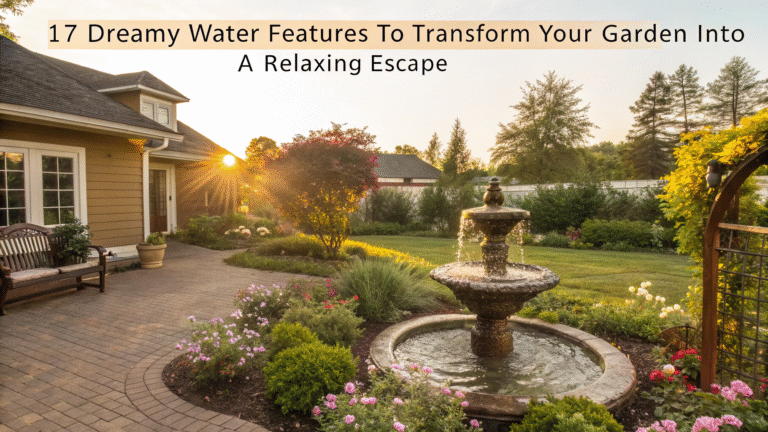
8. Add a Water Feature
Butterflies are drawn to gentle water movement. Adding a small fountain, birdbath, or mini waterfall can make your garden even more inviting.
I once added a tabletop fountain to my patio, and to my surprise, butterflies landed right near the edges. They’re not as splashy as birds, but they appreciate the calm water and surrounding damp soil.
If you’re planning a backyard refresh, a water feature can tie together the whole garden while serving as a butterfly-friendly detail. For more inspiration, you might like my list of Backyard Water Fountain Ideas.
9. Create a Wildflower Meadow
If you have a little extra space, turning part of your yard into a wildflower meadow is one of the most rewarding things you can do.
It doesn’t have to be huge — even a 10×10 patch can bloom into a butterfly paradise. Mix wildflower seeds like cosmos, coreopsis, and daisies, and let them spread naturally. The less you interfere, the more beautiful and natural it looks.
This approach also cuts down on mowing and creates a habitat for bees and other pollinators. It’s low-maintenance, eco-friendly, and endlessly charming.
10. Add Cozy Seating for Butterfly Watching
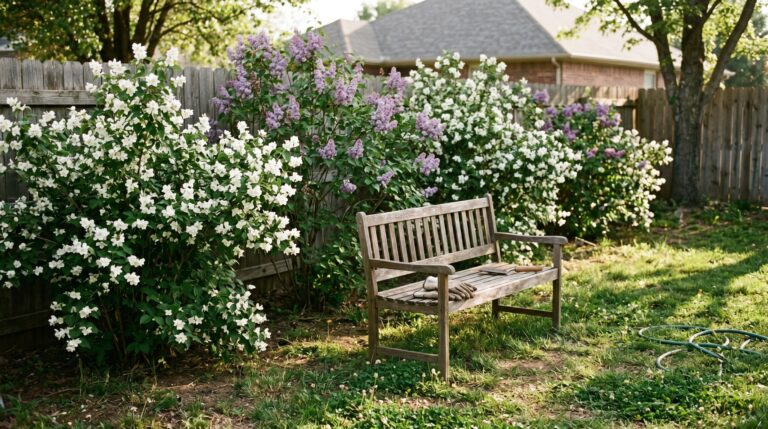
What’s the point of attracting butterflies if you don’t take time to enjoy them? Adding a bench, Adirondack chair, or even a small hammock nearby makes your garden feel more like a retreat.
I placed a simple wooden bench in my butterfly corner, and now it’s my go-to spot for morning coffee. There’s something calming about watching the gentle movement of butterflies as you start or end your day.
Pair your seating area with borders or flowering pots, and you’ll have a cozy nook that doubles as your own slice of paradise.
11. Plant in Layers for Year-Round Blooms
One thing I quickly learned is that butterflies don’t just visit in summer — they need food throughout the growing season. Planting in layers (spring, summer, and fall bloomers) ensures that your garden is a buffet all year long.
For example, start with early bloomers like lilac and phlox, add summer staples like lantana and coneflowers, and finish with fall favorites like sedum and asters. This way, butterflies can rely on your garden for months instead of just a few weeks.
When I planted for three seasons, I noticed more butterfly species sticking around longer, almost like they “knew” my garden was a safe stop. It also kept my yard colorful from spring to frost, which was a bonus for me!
12. Grow Climbing Vines for Vertical Interest
If your garden feels flat or limited in space, climbing vines are your secret weapon. Passionflower, trumpet vine, and honeysuckle are butterfly favorites, and they add a vertical element that makes your garden look lush and full.
I trained passionflower vines along my fence, and not only did butterflies flock to it, but the fence transformed into a colorful backdrop. Vines are especially useful if you’re working in a small yard, since they maximize vertical growing space.
Bonus: hummingbirds often join the party when you grow trumpet vine or honeysuckle — it’s like having a double treat in your garden.
To keep your butterflies safe during storms or cold nights, adding a [Wooden Butterfly House / Habitat] is a must. It’s a beautiful garden ornament that doubles as a life-saving shelter.
13. Design a Butterfly-Friendly Pathway
Butterflies love sunny spots, and designing a flower-lined pathway creates a guided route for them — and for you. Use stepping stones or gravel, and plant nectar flowers along both sides.
When I walk through my butterfly path in the mornings, I always feel like I’ve stepped into a nature trail. The butterflies practically lead the way. It’s such a simple design trick that makes your yard feel magical and intentional.
Consider mixing perennials and annuals along the pathway to keep things colorful and ever-changing.
14. Build a Mini Butterfly Sanctuary Corner
If you don’t want to transform your entire yard, dedicate one cozy corner to a butterfly sanctuary. All you need is a cluster of nectar flowers, a host plant or two, a water dish, and maybe a flat stone.
I have one such corner near my back porch, and it’s where butterflies gather daily. It’s small but mighty — even in limited space, butterflies don’t need much to feel welcome.
This is especially handy if you’re working with front yard landscaping or a smaller garden. It gives you a concentrated space where butterflies are almost guaranteed to show up.
15. Grow Bright Containers for Patios and Balconies
Not everyone has a full yard, but containers work just as well. I’ve had great success with zinnias, lantanas, and petunias in pots on my patio.
Arrange a cluster of pots in sunny spots, and butterflies will stop by for a visit. It’s amazing how even a small balcony can feel like a butterfly garden when you choose the right plants.
Try grouping three or five pots of varying heights to make it visually appealing — you’ll get a layered look that feels lush and inviting.
Want to see even more life in your yard? Hanging a [Glass Hummingbird Feeder] alongside your butterfly plants creates a complete wildlife sanctuary that will keep you entertained for hours.
16. Add Rustic Garden Decor for Charm
Butterfly gardens don’t have to look overly polished — rustic touches can make them feel even more magical. Think weathered birdhouses, wooden trellises, or vintage watering cans repurposed as planters.
I added an old ladder leaning against my shed and trained morning glories up its rungs. Butterflies adore it, and it became an instant focal point in the yard. Little rustic details like this give your butterfly garden a storybook feel.
Plus, rustic decor tends to blend naturally with plants instead of looking staged, which makes it all the more inviting.
17. Create Evening Magic with Garden Lighting
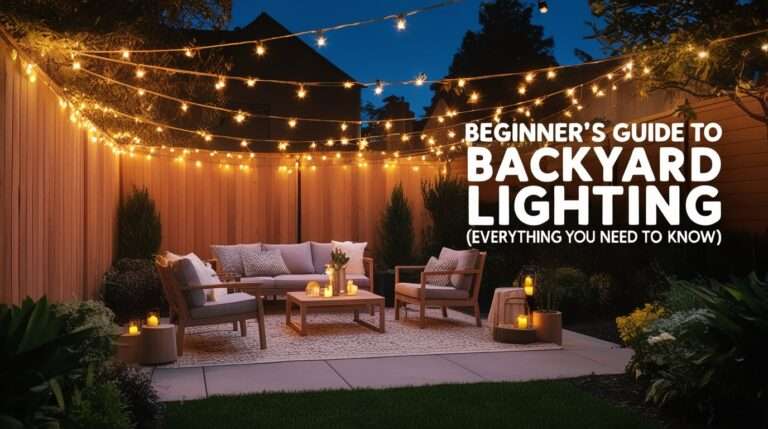
Butterflies may not be around at night, but that doesn’t mean your garden has to lose its magic. Adding string lights, lanterns, or solar path lights gives your butterfly space a dreamy glow after sunset.
I set up fairy lights along my fence and lanterns near my butterfly bench, and now my garden feels like an evening retreat too. Even though the butterflies are asleep, the ambiance stays alive.
Lighting also helps you extend your garden enjoyment into the evening hours, making it a place where you can relax anytime.
Final Thoughts
Building a butterfly garden is one of the most rewarding projects you can take on. Not only does it add beauty and life to your yard, but it also supports pollinators that play a vital role in nature. With a mix of nectar plants, host plants, water sources, and a few thoughtful design touches, you’ll create a space where butterflies feel at home — and where you feel more connected to the outdoors.
Whether you go all out with a wildflower meadow or keep it simple with a few balcony planters, the joy of seeing butterflies flutter around is unmatched. Start small, experiment, and watch as your garden transforms into a sanctuary of color, movement, and peace.
The “Butterfly Oasis” Gift Guide
- [Solar Powered Bird Bath Fountain] – “Butterflies love the sound of moving water and the mist it creates.”
- [Decorative Iron Garden Stakes] – “Add some height and color to your garden even before the flowers bloom.”
- [Organic Neem Oil Spray] – “Essential for keeping pests away without harming your precious butterflies.”
- [Butterfly Identification Guide Book] – “Perfect for kids and hobbyists to learn about the different species visiting your garden.”

Aagam – Founder of SpruceTouch
I’m Aagam, a home and garden enthusiast who enjoys growing, building, and improving outdoor spaces. I focus on practical backyard projects, garden ideas, and simple DIY solutions that are useful in real homes. Through SpruceTouch, I share what I’ve learned, what worked, what didn’t, and the small details that can make an outdoor project easier.