40 Natural Homemade Christmas Gift Ideas (Eco-Friendly & Unique)
Christmas gifts do not have to come from a crowded shopping cart or arrive wrapped in layers of plastic. Some of the most thoughtful presents are made with simple materials, useful ingredients, garden cuttings, dried flowers, fabric scraps, and things that would otherwise be thrown away.
The nice thing about making natural homemade Christmas gifts is that you can personalize almost everything. A jar of homemade herb seasoning, a small propagated houseplant, a set of handmade fabric napkins, or a pressed-flower bookmark can feel far more meaningful than another generic holiday purchase.
I’ve organized these 40 ideas around things people can genuinely use, display, grow, or enjoy. Some are inexpensive enough to make in batches, while others work beautifully as individual gifts for friends, parents, neighbors, teachers, gardeners, and people who appreciate handmade things.
You also do not need a professional craft room. Many of these projects use basic household supplies, reusable containers, natural materials, and straightforward techniques. For packaging gifts, Reusable Cotton Muslin Drawstring Bags are worth considering because they can replace disposable wrapping and be reused afterward for small household items, gift storage, or organizing craft supplies.
Let’s look at the ideas, including what makes each one special, how to recreate it, and the small details that make a homemade present feel finished.
Affiliate Disclosure: As an Amazon Associate, SpruceTouch earns from qualifying purchases. This post may contain affiliate links, which means we may earn a commission at no additional cost to you.
40 Natural Homemade Christmas Gifts Worth Making
Section 1: Handmade Gifts Using Fabric, Paper & Pressed Flowers
These gifts are particularly useful when you have leftover craft materials, old cotton clothing, fabric remnants, or flowers and leaves that can be preserved. They are also good choices when you want to make something personal without spending much money.
1. Reusable Fabric Gift Bags From Old Cotton Clothes
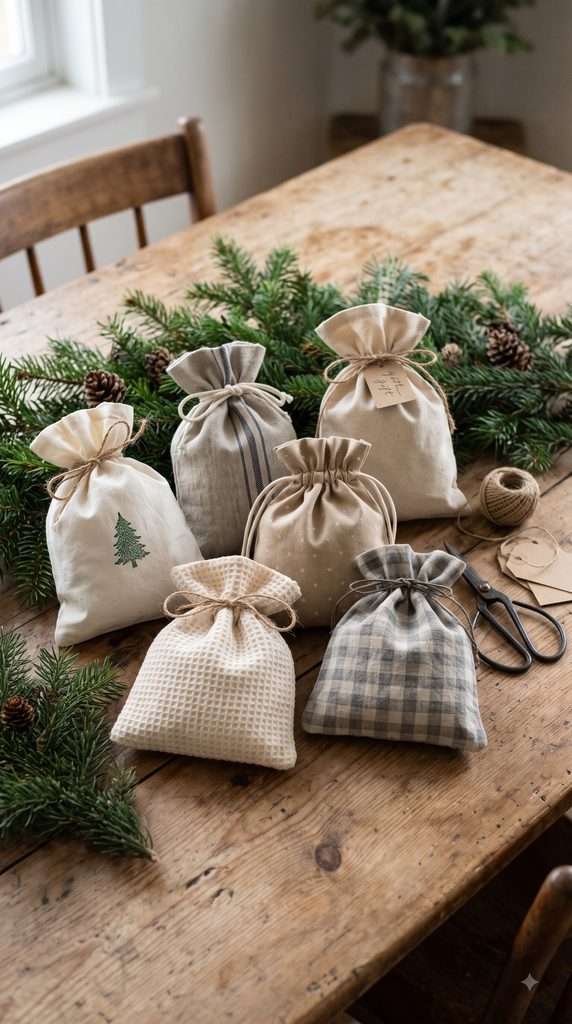
Instead of buying disposable wrapping paper for every Christmas present, make small fabric bags from old cotton shirts, pillowcases, or leftover sewing material. Cut the fabric into rectangles, sew the sides, and add a simple drawstring or fabric tie.
Different sizes make the bags useful for everything from homemade cookies to small ornaments and jewelry. You can personalize them with simple stitched initials or a small fabric label.
An especially nice detail is that the recipient can reuse the bag next Christmas. That makes the wrapping part of the present rather than something immediately thrown away.
2. Homemade Beeswax Food Wraps
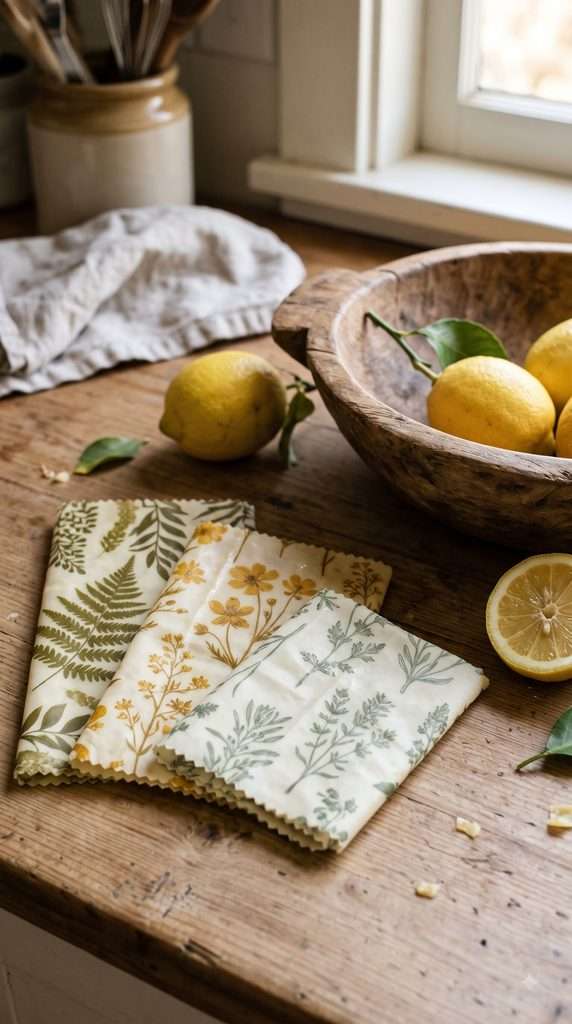
Beeswax wraps are a practical alternative to disposable plastic wrap for covering bowls and wrapping suitable foods. They are made using cotton fabric coated with beeswax, creating a flexible covering that can be shaped with the warmth of your hands.
Choose attractive cotton patterns, cut several sizes, and prepare a small set for someone who enjoys reducing single-use kitchen products. You can use Natural Beeswax Pellets for DIY Beeswax Wraps when making the coating mixture, following a reliable recipe and using suitable cotton fabric.
One important detail: beeswax wraps are for cool or room-temperature food, not hot dishes. They should be washed in cool water with mild soap and dried thoroughly. They should never be microwaved.
3. Handmade Natural Cotton Napkin Sets
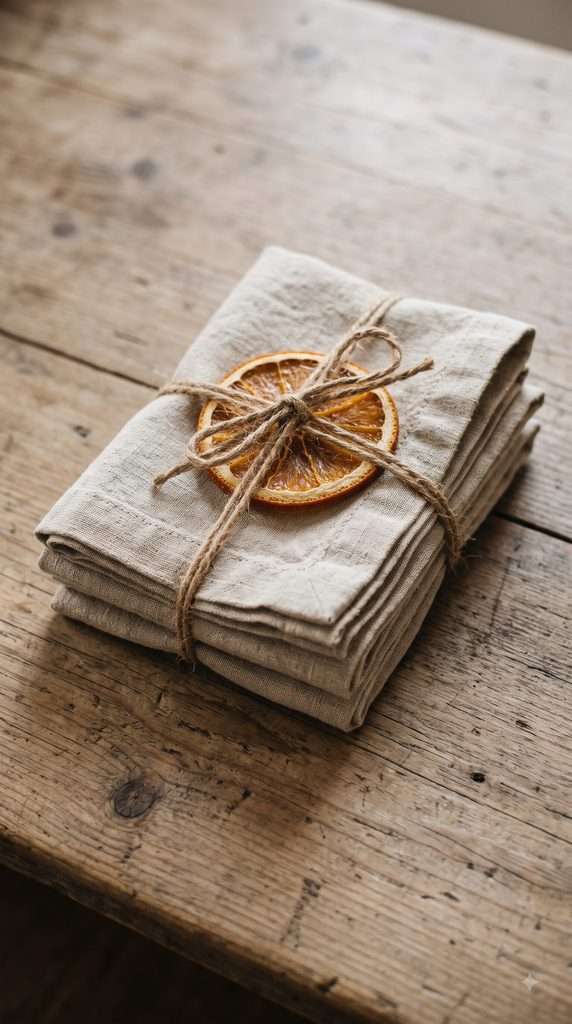
A set of reusable cloth napkins is one of those gifts that people can use throughout the year. You can make them using leftover cotton or linen fabric, particularly material in neutral shades that works with different table settings.
Cut matching squares, finish the edges with a simple hem, and bundle four or six together with cotton twine. Even basic sewing skills are enough for this project.
For a festive finish, add a small handmade tag or tie one dried orange slice into the bundle. It looks seasonal without requiring plastic decorations or complicated packaging.
4. Pressed Flower Bookmarks
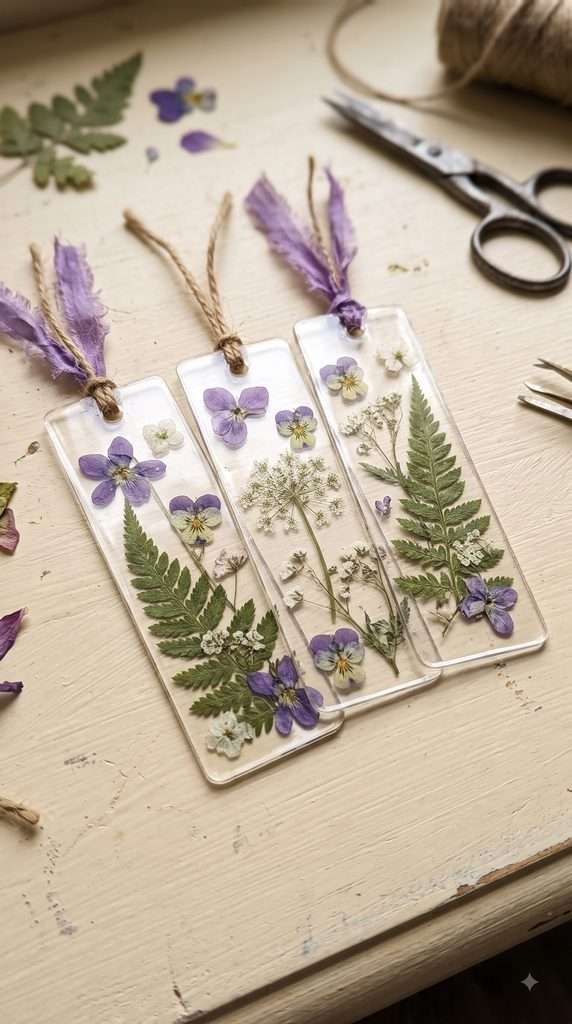
Pressed flower bookmarks are lovely for anyone who enjoys reading, journaling, or collecting nature-inspired stationery. Use flat flowers, delicate leaves, or small fern fronds and arrange them carefully between suitable paper layers.
The most important part is allowing the flowers to dry properly before assembling the bookmarks. A flower that still contains moisture can discolor or encourage mold.
A Wooden Flower Press Kit can help keep flowers flat while drying, especially when you want to prepare several bookmarks at once. You can also press suitable flowers using clean paper and a heavy book.
For more inspiration, see our guide to How to Start a Backyard Nature Journal (Pressed Flowers & Sketches).
5. Framed Pressed Botanical Artwork
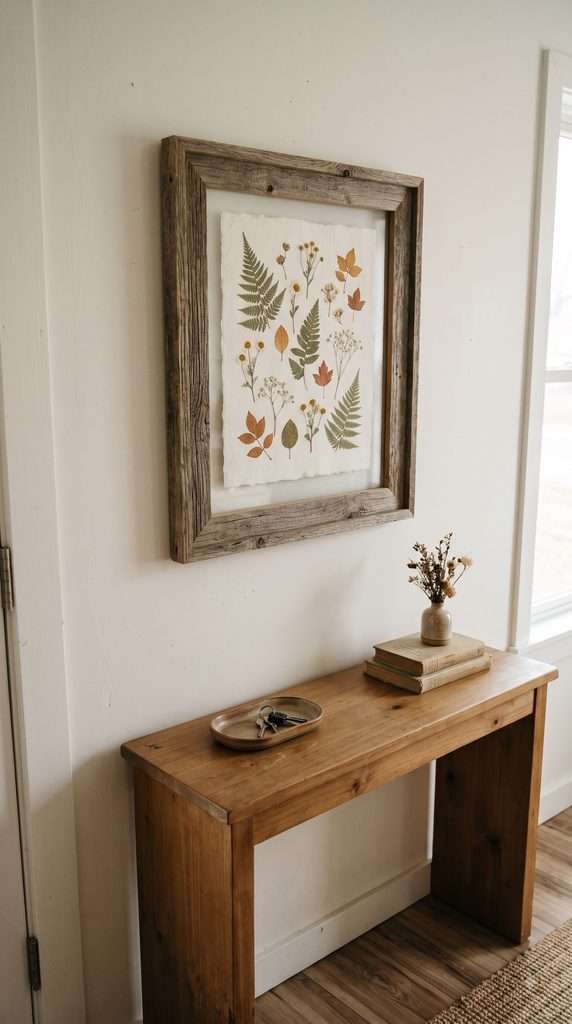
Turn collected leaves and pressed flowers into a small piece of wall art. Arrange botanical pieces on archival-quality or acid-free paper, then place the finished arrangement inside a simple wooden frame.
This is especially thoughtful for someone who appreciates nature, cottage-style interiors, or handmade home decorations.
You can choose flowers connected to a particular memory, such as blooms from a family garden or foliage from a meaningful seasonal walk. Keep the arrangement simple rather than overcrowding the frame.
Remember that some pressed flowers fade when exposed to prolonged direct sunlight, so suggest displaying the artwork somewhere with indirect light.
6. Recycled Paper Handmade Christmas Stationery
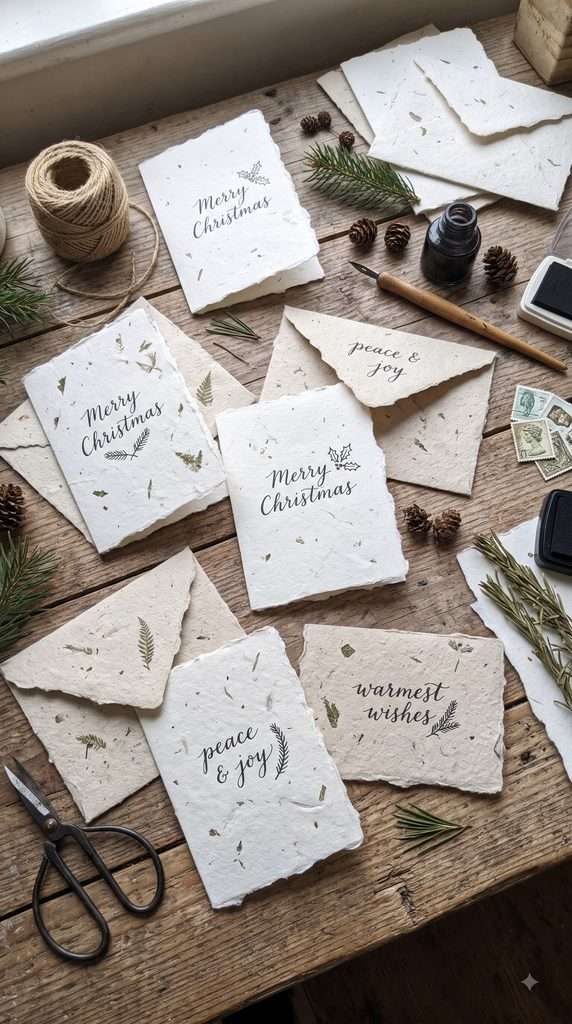
Handmade paper cards are a lovely way to reuse suitable scrap paper, including plain paper from old notebooks, envelopes, and unused sheets.
The basic process involves soaking torn paper, turning it into pulp with water, and spreading the pulp over a paper-making screen. Once the sheets have drained and dried, cut them into cards or writing paper.
Add a pressed leaf, a simple hand-drawn wreath, or a small botanical illustration. The natural texture gives each card a slightly different appearance.
You can make a complete stationery set with matching envelopes cut from reused paper. Just avoid adding glitter or plastic decorations if recyclability is part of your goal.
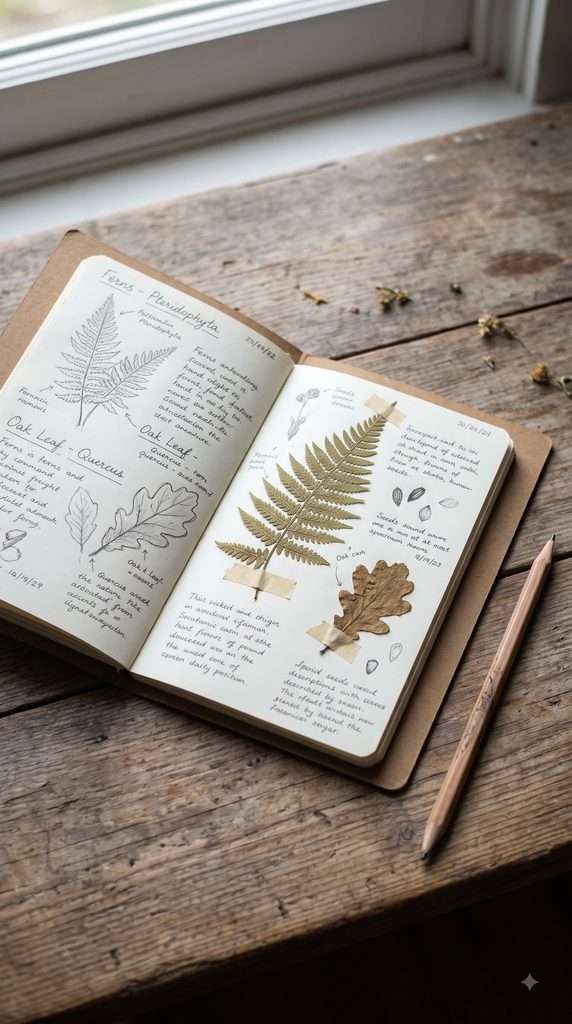
7. Personalized Nature Journals
A small nature journal is a thoughtful gift for gardeners, hikers, birdwatchers, and anyone who enjoys noticing seasonal changes.
Use a plain notebook and create a handmade cover with kraft paper, fabric scraps, pressed leaves, or simple botanical drawings. Inside, add a few optional prompts such as the date, weather, plants observed, and favorite garden moments.
You could also include a handwritten note encouraging the recipient to document flowers, birds, and seasonal changes in their own backyard.
This is an especially good handmade present for someone who prefers meaningful activities over decorative gifts.
8. Dried Lavender Drawer Sachets
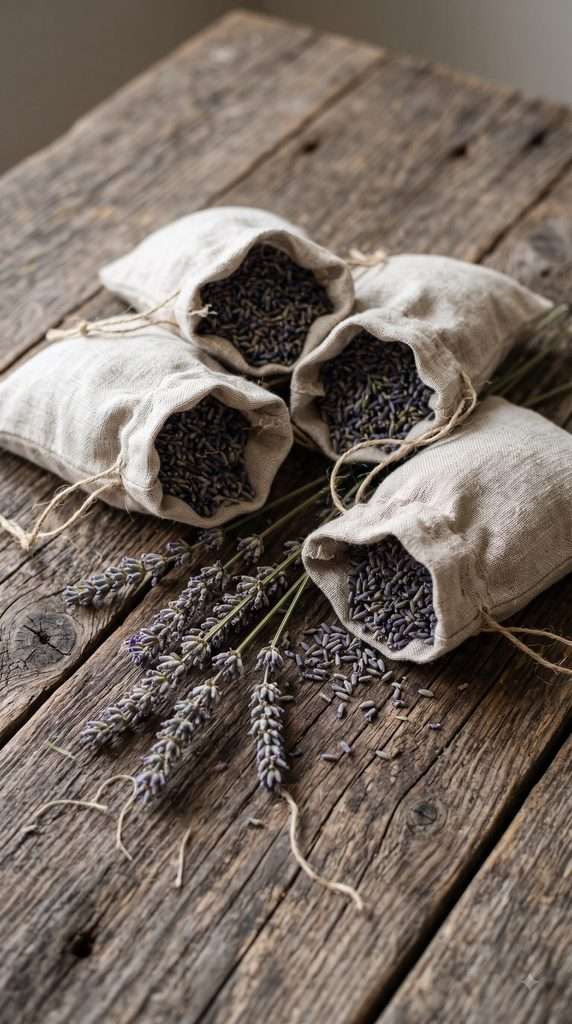
Lavender sachets are simple to make and work well as small gifts for bedrooms, linen closets, or dresser drawers.
Use clean, breathable cotton or linen scraps, sew small pouches, and fill them with completely dried lavender flowers. Finish each sachet with a ribbon or cotton cord.
They are inexpensive to prepare in batches and can be personalized using embroidered initials or simple fabric patterns.
Include a small ingredient label and mention that the sachets are decorative fragrance items rather than food. They should be kept away from pets and anyone who may be sensitive to fragrance.
9. Handmade Cotton-Cord Plant Hangers
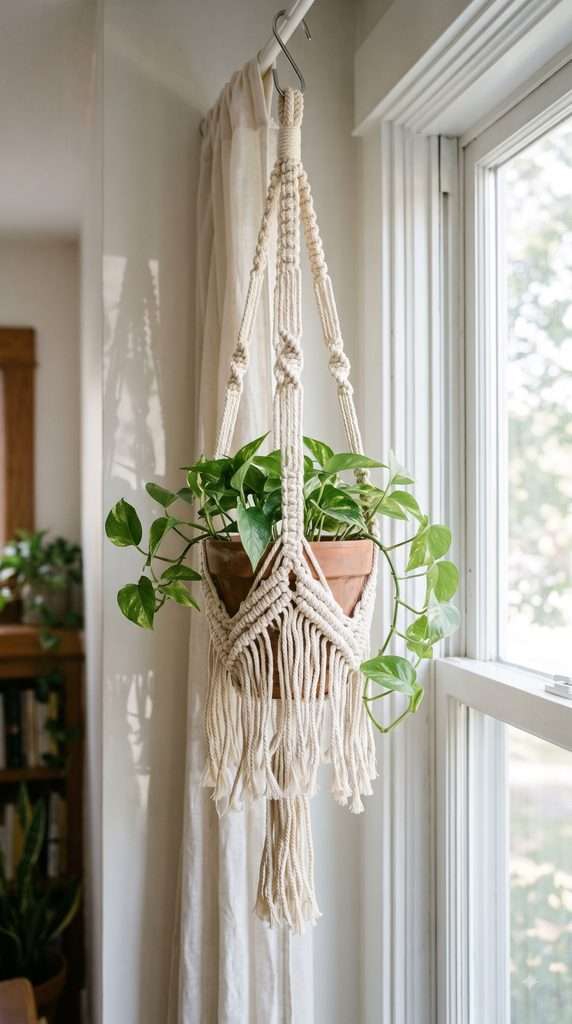
A plant hanger makes a thoughtful gift for someone who enjoys indoor greenery but has limited shelf space.
Use cotton cord and a basic knotting pattern to create a hanging holder for a lightweight nursery pot. You do not need complicated macramé designs; even a simple arrangement of square knots can look attractive.
Before gifting it, check that the finished knots and hanging loop are secure enough for the intended pot and its watered weight. A sturdy ceiling hook or appropriate mounting point is also important.
Pair it with a small plant for a more complete present.
10. Upcycled Denim Gardening Apron
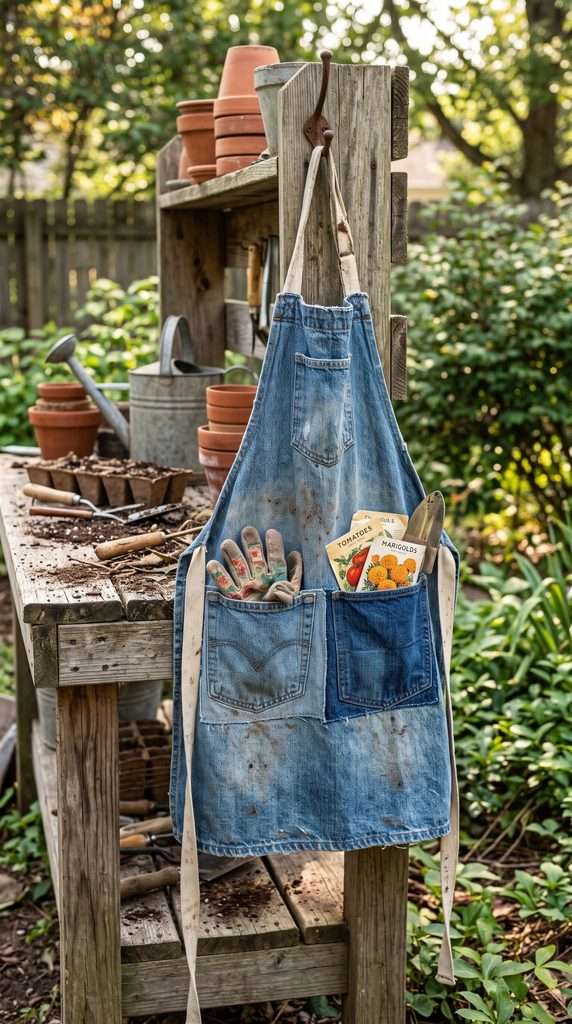
Old denim can become a surprisingly useful gardening gift. Cut a sturdy section from an unwanted pair of jeans, use existing pockets where possible, and add adjustable fabric ties.
The finished apron can hold seed packets, plant labels, gloves, pruning snips, or small hand tools while working around the garden.
This is a particularly suitable gift for someone who grows vegetables, maintains flower beds, or regularly works at a potting bench.
Check the seams and edges carefully. Gardening aprons need practical stitching rather than just decorative details.
Section 2: Homemade Edible Christmas Gifts
Food gifts are a good choice when you know what the recipient enjoys eating. The easiest options to prepare and package are usually dry mixes, baked goods, and properly dried ingredients.
For homemade food gifts, use clean food-grade containers, include ingredient information for people with allergies, and provide preparation and storage instructions. Dry mixes are particularly useful because the recipient can prepare them later.
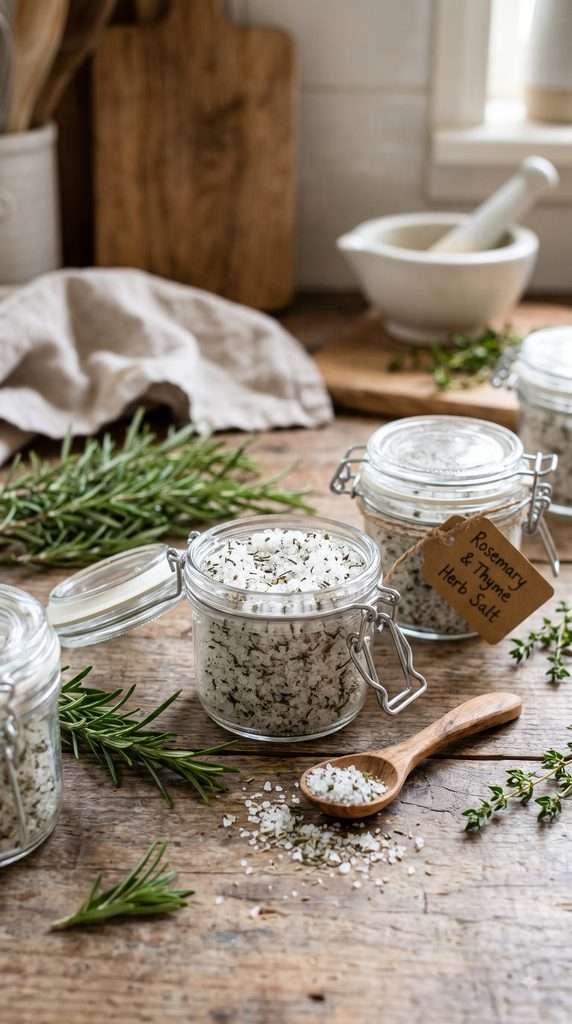
11. Homemade Herb Salt
Herb salt is a simple kitchen gift that can be made using salt and properly dried culinary herbs such as rosemary, thyme, oregano, or basil.
Combine the ingredients according to a suitable recipe, then transfer the finished mixture into a clean, completely dry glass jar. A small handwritten label with suggested uses makes the gift more useful.
It works particularly well for people who enjoy cooking roasted vegetables, potatoes, soups, and simple homemade meals.
For another gardening-to-kitchen project, see Herb Gardening Mastery: How to Dry and Store Herbs for Winter Use.
12. Homemade Herbal Tea Blends
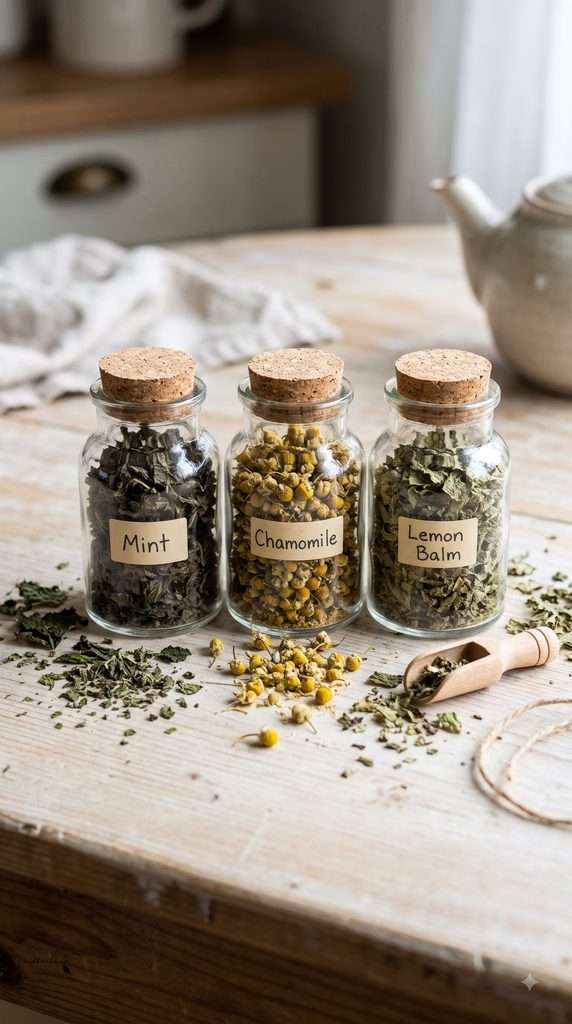
Prepare small tea blends using food-grade, correctly identified dried herbs and botanicals. Depending on the recipient’s preferences, ingredients might include culinary mint, chamomile, lemon balm, or other suitable tea ingredients.
Keep the mixture dry and package it in a clean food-safe jar or pouch. Add a label with the complete ingredient list and suggested brewing instructions.
Avoid using unidentified garden flowers or ornamental plants. Not every attractive plant is suitable for consumption, and some herbs may not be appropriate for certain people or medications.
13. Custom Homemade Spice Blends
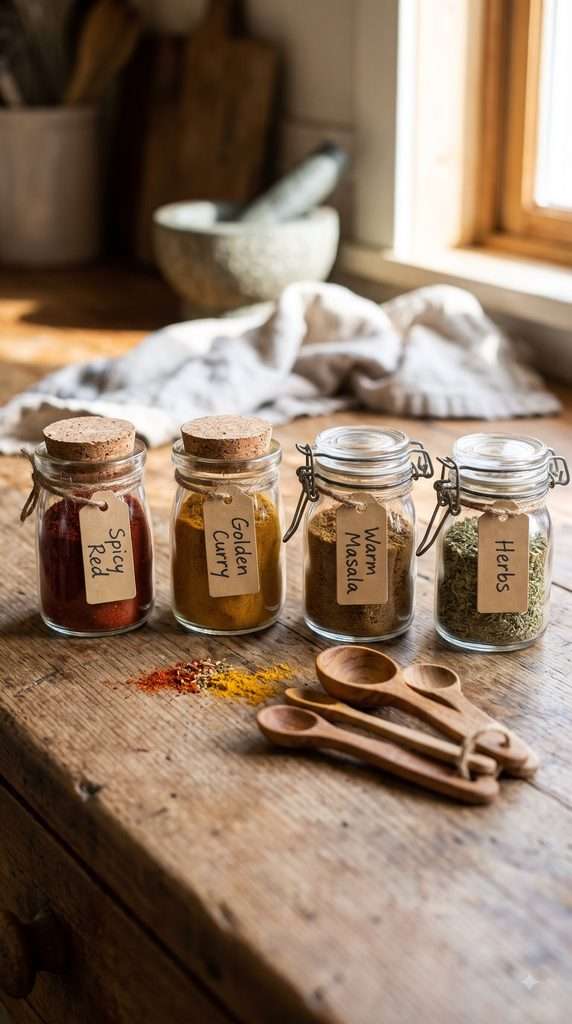
Create a collection of seasoning blends for the person who enjoys experimenting in the kitchen.
You could prepare separate jars for roasted vegetables, everyday cooking, barbecue seasoning, or a suitable holiday spice mixture. Choose a tested recipe and measure each ingredient carefully so the flavor remains balanced.
The real charm is in personalizing each blend. Someone who cooks vegetarian meals may appreciate a different combination from a person who regularly prepares grilled dishes.
Use airtight food-safe containers and include ingredient labels and storage guidance.
14. Homemade Hot Chocolate Mix Jars
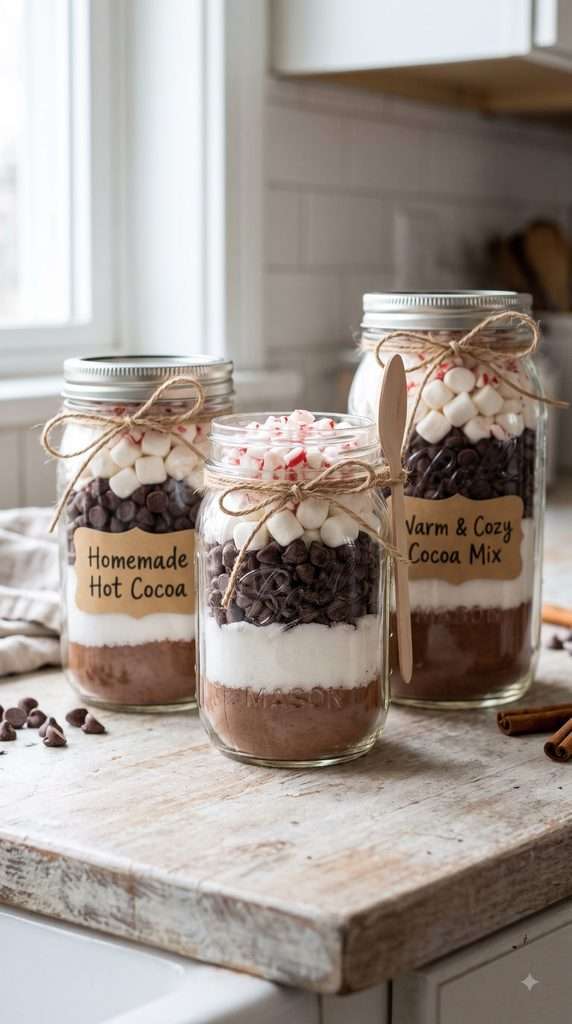
A hot chocolate mix is one of the easiest gifts to prepare in batches.
Layer suitable cocoa powder, sugar, and other dry ingredients in a clean jar. You can include chocolate chips or other dry toppings according to the recipe. Keep any ingredients with different storage needs separate where necessary.
Tie a small recipe card around the jar explaining how much mix to use and which liquid to add.
This is a nice gift for neighbors, teachers, friends, and families. Just remember to label milk, soy, nuts, or other allergens where present.
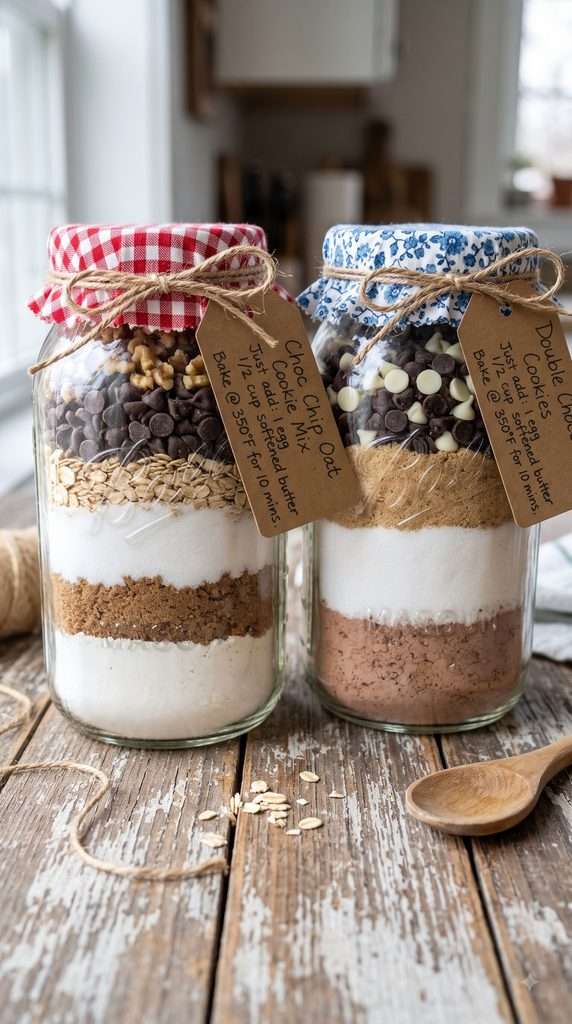
15. DIY Cookie Mix in a Jar
A cookie mix jar gives someone the ingredients for a homemade treat without requiring them to measure everything from scratch.
Layer dry ingredients from a suitable recipe inside a clean wide-mouth jar. Chocolate chips, oats, flour, and sugar can create attractive layers when packed neatly.
Attach a recipe card specifying any additional wet ingredients, baking temperature, baking time, and expected yield.
It is a practical choice for busy households or anyone who enjoys baking but appreciates a little preparation being done for them.
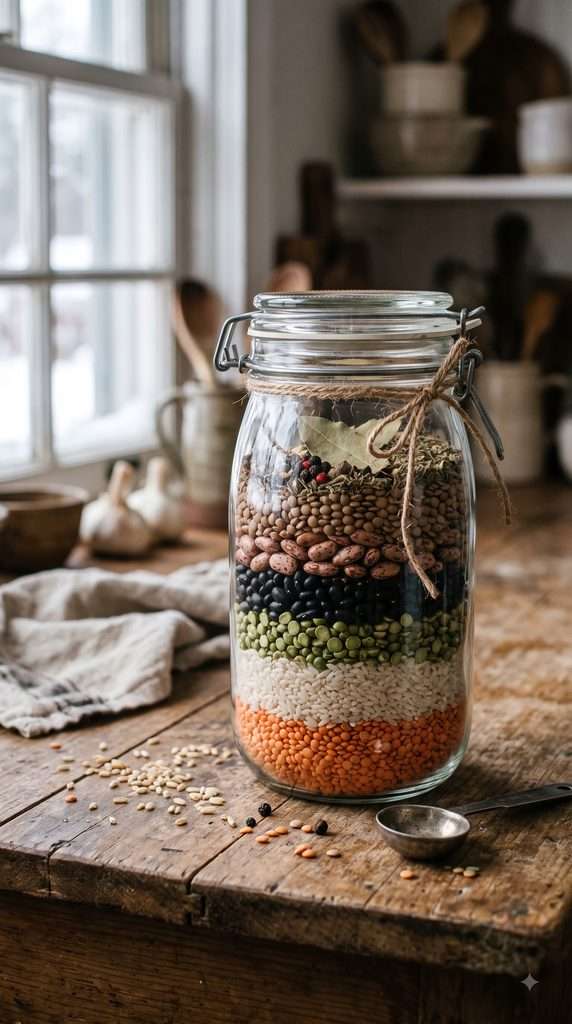
16. Homemade Soup Mix in a Jar
A dry soup mix can be a useful present for someone who appreciates convenient home cooking.
Arrange suitable dried beans, lentils, rice, and dry seasoning ingredients according to a tested recipe. The exact cooking instructions matter, so include the amount of water or stock, preparation time, and any ingredients that must be added separately.
Choose one recipe rather than randomly combining ingredients. Different legumes can require different cooking times, which may affect the final result.
The finished jar can be decorated with a reusable cloth cover and a simple recipe tag.
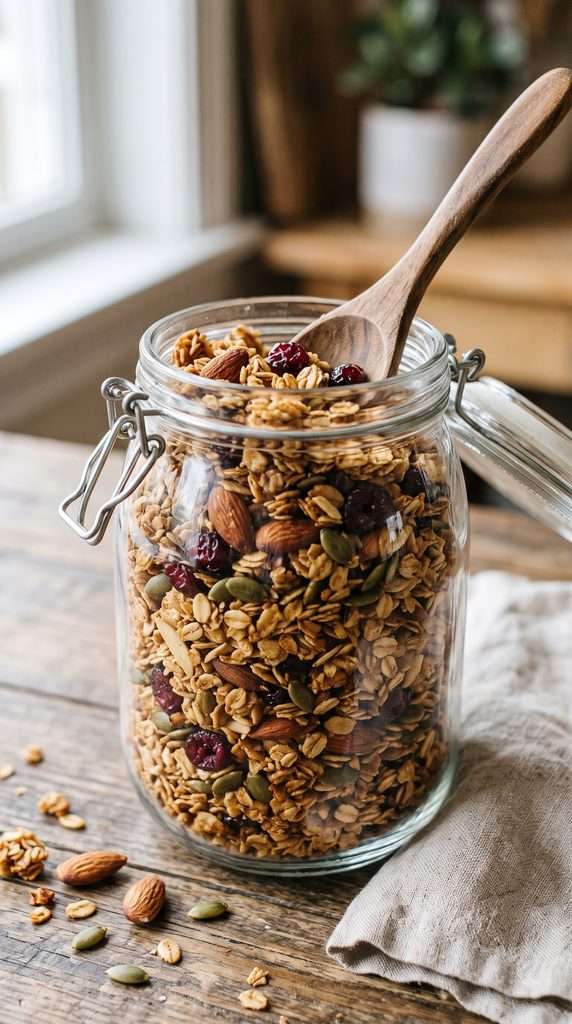
17. Homemade Granola Gift Jars
Homemade granola is ideal for someone who enjoys breakfast foods or simple snacks.
Use a reliable recipe with rolled oats and suitable additions such as nuts, seeds, and dried fruit. After baking, allow the granola to cool completely before transferring it to a clean, dry, airtight container.
Package it in a reusable glass jar or metal tin, and include a complete ingredient list. This is particularly important because granola recipes commonly contain nuts, seeds, or other allergens.
A small note suggesting serving ideas with yogurt or milk gives the present a personal touch.
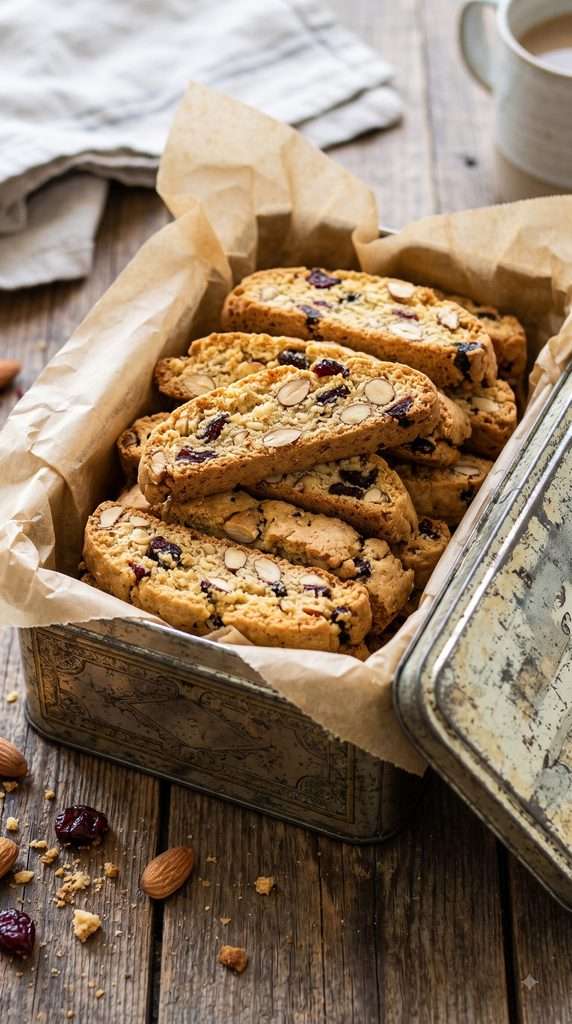
18. Homemade Biscotti in a Reusable Tin
If you enjoy baking, biscotti can make an attractive homemade Christmas gift.
Choose a reliable recipe, bake the biscuits until properly cooked and dried according to the recipe, and allow them to cool completely before packaging. Their firm texture makes them suitable for a reusable cookie tin.
You can prepare different varieties, such as almond, cranberry, or chocolate, but keep them separately identified.
Use a food-safe liner and label any nuts, dairy, or other allergens. For shipping, select a sturdy package that protects the biscuits from breaking.
Section 3: Natural Christmas Decorations & Handmade Self-Care Gifts
The next group combines natural seasonal materials with useful items for the home. Dried fruit, twigs, pinecones, cotton fabric, and simple wax-based craft supplies can produce attractive gifts without relying on lots of plastic decoration.
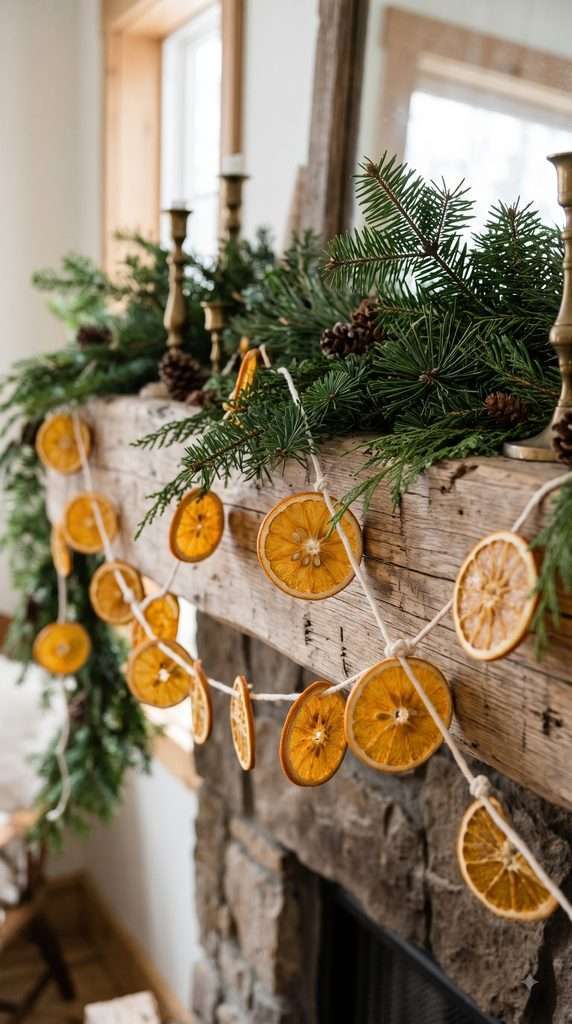
19. Dried Orange Christmas Garlands
Dried orange garlands bring a simple natural touch to holiday decorating.
Slice oranges evenly, dry them thoroughly using an appropriate low-temperature drying method, and allow them to cool before threading them onto cotton string. You can alternate the slices with cinnamon sticks or suitable dried foliage.
This project is especially attractive when someone prefers warm, understated Christmas decorations rather than bright plastic ornaments.
Make sure the fruit is completely dry before storage. Any remaining moisture can encourage mold, particularly when the garland is packed away for next year.
20. Homemade Christmas Simmer Pot Kits
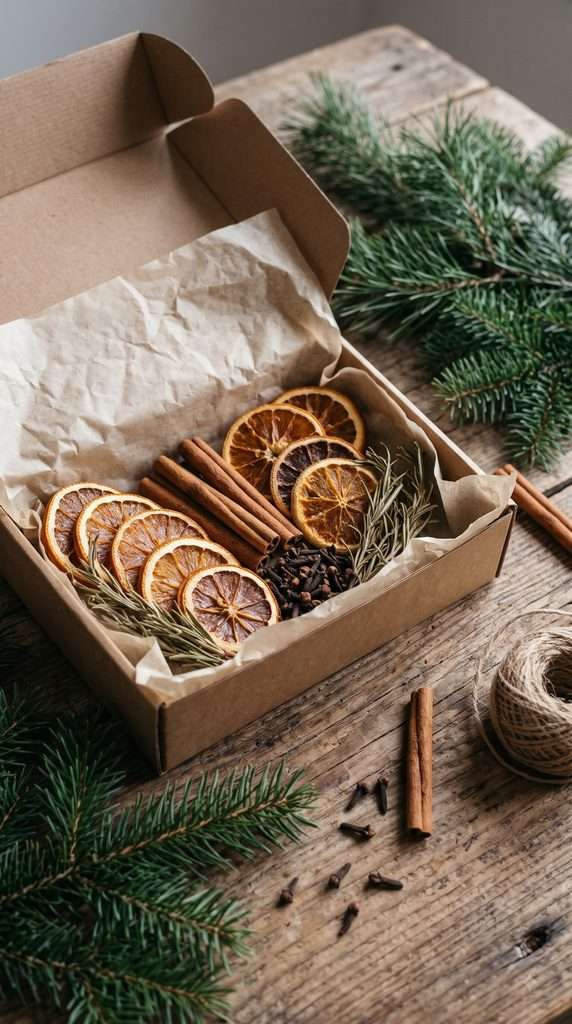
A simmer pot kit is a collection of dried ingredients intended to be gently heated in water to create a seasonal household fragrance.
Prepare a small gift package with dried orange slices, cinnamon sticks, suitable whole spices, and dried rosemary. Arrange everything in a reusable glass jar or paper pouch.
Include instructions to add the ingredients to a saucepan of water and heat gently. The recipient should never leave the saucepan unattended or allow it to boil dry.
Clearly label the package as a fragrance kit, not a food product. It is a simple present for someone who enjoys natural seasonal scents.
21. Handmade Pinecone Christmas Ornaments
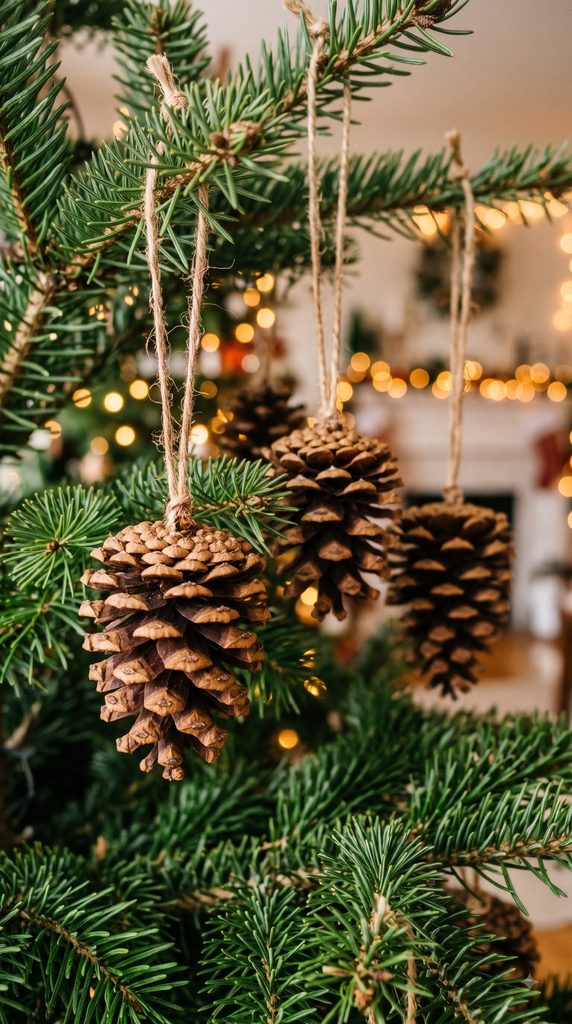
Pinecones are easy to turn into charming decorations for people who enjoy nature-inspired holiday styling.
Choose clean, dry pinecones and attach a secure hanging loop using suitable craft wire or sturdy natural cord. Small wooden beads or cotton ribbons can add detail without making the ornaments look overly decorated.
You can leave the pinecones natural or lightly highlight their edges with a suitable finish.
Before using outdoor-collected materials, inspect and clean them properly. Keep small decorative pieces away from young children and pets.
22. Rustic Twig Star Decorations
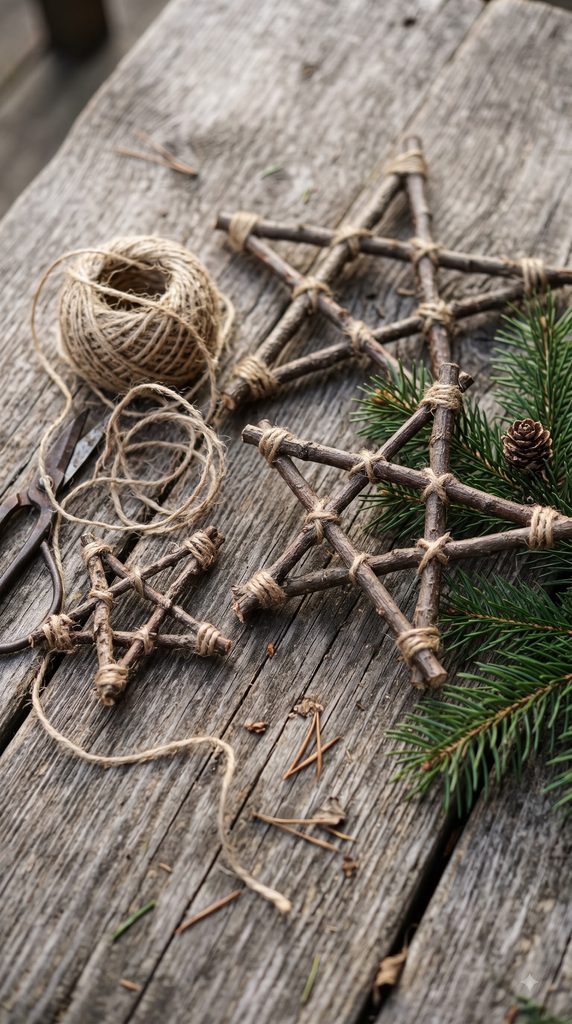
Twig stars are an inexpensive way to create handmade decorations using small fallen branches.
Collect straight, dry twigs, cut them to approximately equal lengths, and arrange them into a simple star shape. Secure the joints using suitable craft wire or strong cord, ensuring the pieces cannot easily come apart.
They can be hung on Christmas trees, attached to gift bags, or displayed on indoor wreaths.
Use dry, non-rotting branches and smooth sharp ends. The natural variations in the wood are part of what makes each decoration individual.
For more seasonal craft inspiration, explore 21 Cheap Homemade DIY Christmas Decorations That Look Expensive.
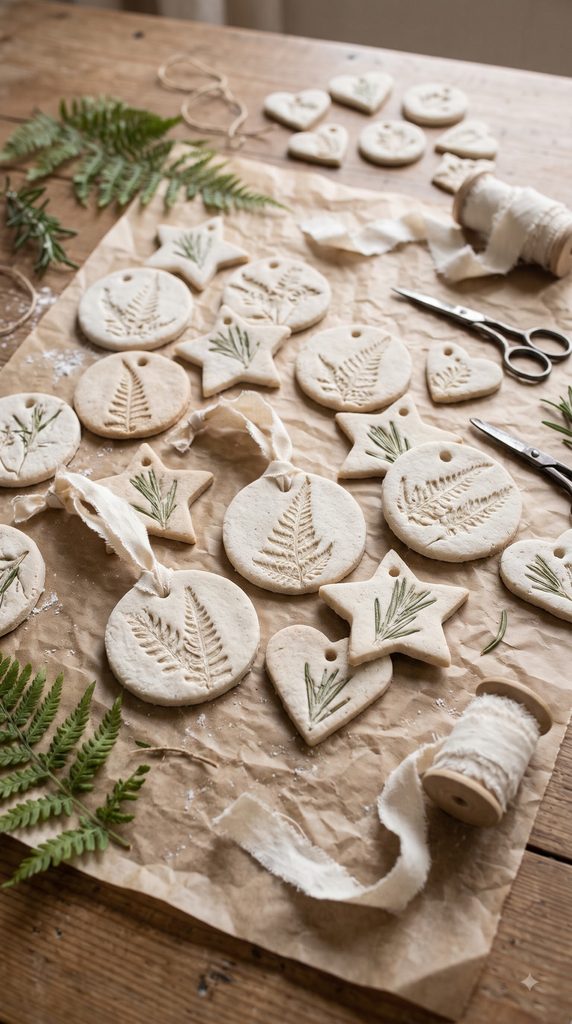
23. Homemade Botanical Salt Dough Ornaments
Salt dough ornaments are suitable for a simple family craft project.
Prepare a basic salt dough using an established recipe, roll it out, and press suitable leaves or small botanical materials into the surface to create natural impressions. Cut the shapes, add hanging holes before baking, and allow the ornaments to dry or bake as directed.
The pressed plant material creates texture without needing extra decoration.
These ornaments are decorative rather than edible. Label them accordingly, especially when making them with children. You can find more family-friendly project inspiration in 21 Christmas Crafts for Kids That Are Fun, Easy, and Budget-Friendly.
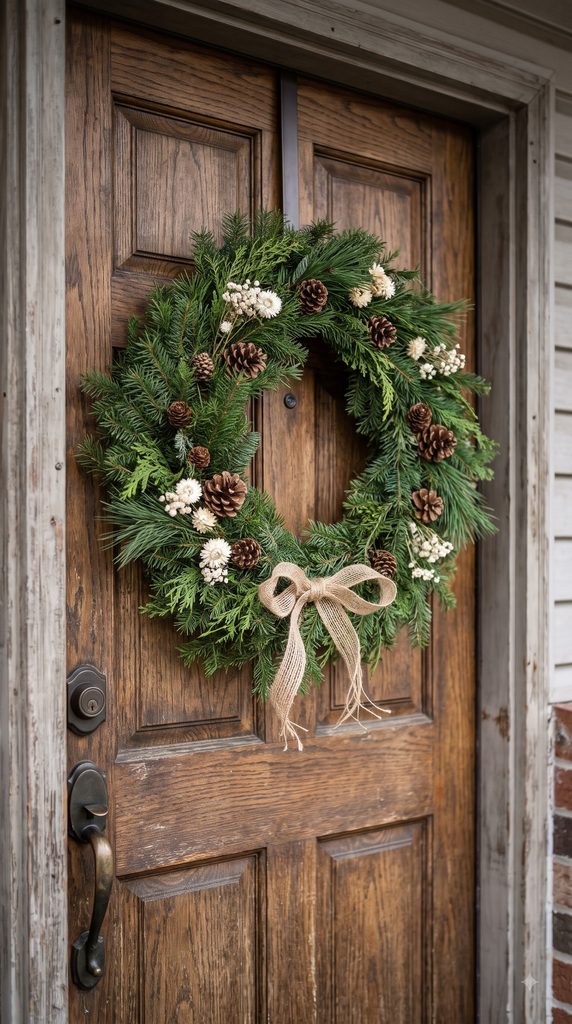
24. Natural Evergreen and Dried Flower Wreaths
A handmade wreath can be a wonderful gift for someone who enjoys decorating their front door.
Use a suitable wreath base and arrange evergreen branches, dried flowers, pinecones, or other seasonal natural materials. Keep the design slightly loose so the materials remain visible.
Attach the decorations securely and avoid including plant species that may irritate people or pose a risk to household pets.
Consider the recipient’s climate, too. Fresh greenery may dry faster in heated indoor conditions, while suitable dried materials can be more convenient for longer-lasting indoor arrangements.
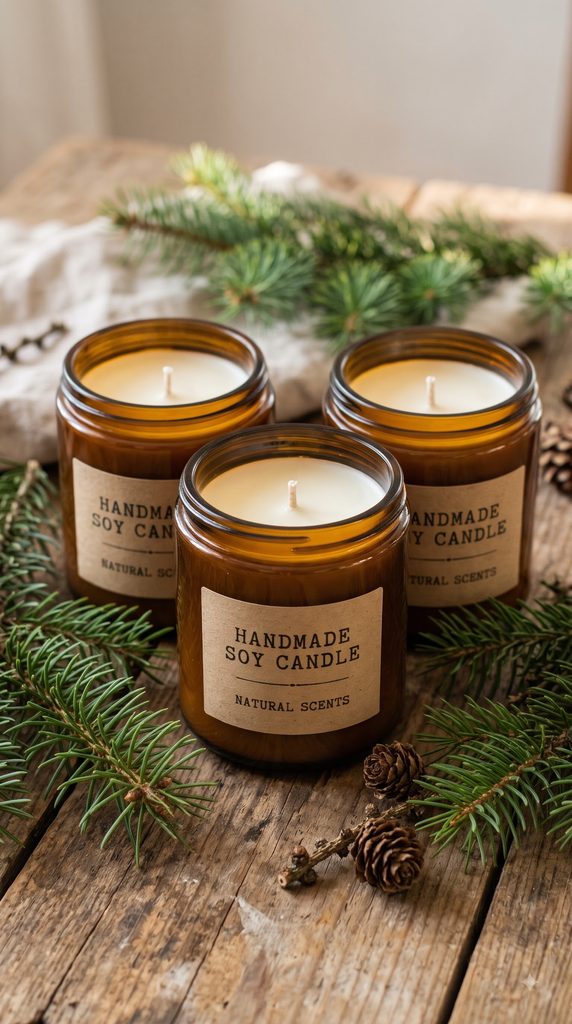
25. Homemade Natural Wax Candles
Candles are a classic handmade present, and a simple wax candle in a reusable container can look particularly attractive.
Use an appropriate candle-making recipe and compatible container, wick, and wax combination. A Soy Wax Candle-Making Kit with Cotton Wicks can be a convenient starting point because it brings together several of the basic supplies needed for a small project.
Keep the decoration understated with a paper label or reusable fabric tie. Avoid adding random dried flowers, leaves, or loose botanicals near the wick because they can create a fire hazard.
Always follow the manufacturer’s melting temperatures and candle-making instructions. Include a basic candle safety label with the finished gift.
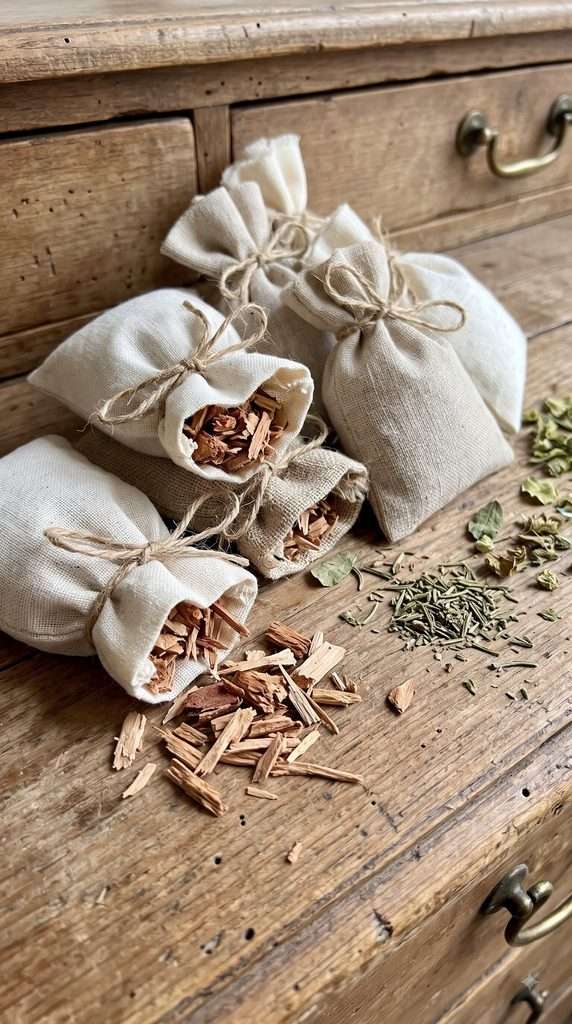
26. Natural Cedar and Herb Drawer Sachets
For a different version of a fabric sachet, prepare small breathable bags filled with clean, completely dry cedar shavings or suitable dried aromatic herbs.
These make simple gifts for linen closets, storage drawers, or craft cupboards. Choose a mild scent rather than combining several strong fragrances.
Use a securely stitched pouch so that loose filling cannot escape. Include an ingredient label and remind the recipient that these sachets are not intended to touch food or skin directly.
They can also be personalized with small stitched initials or fabric designs.
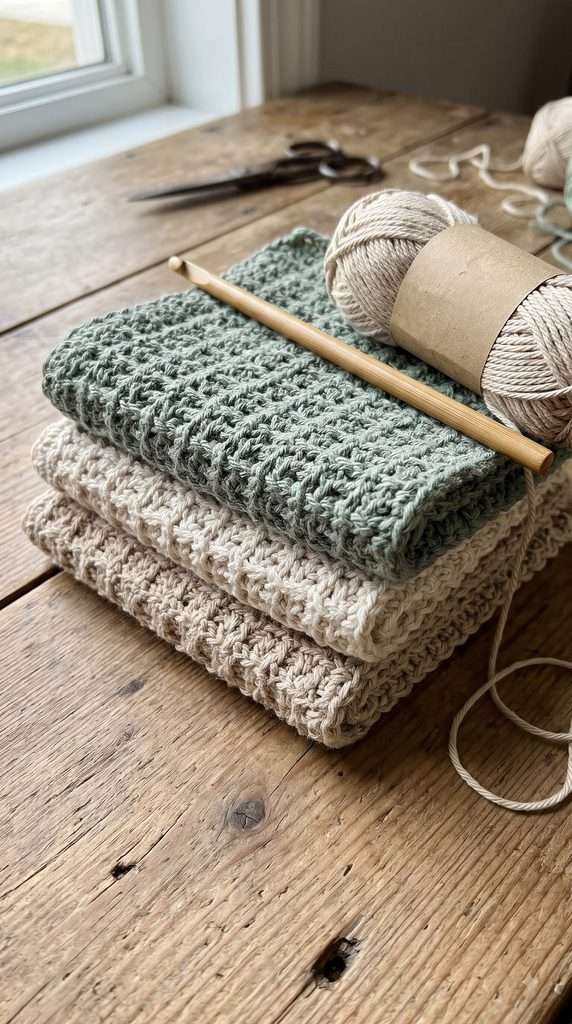
27. Handmade Cotton Crochet Dishcloths
If you know basic crochet, dishcloths are among the more useful small handmade presents.
Choose durable cotton yarn and make a few matching squares using a simple stitch pattern. Cotton is a practical option because it absorbs water and can generally be washed according to its care instructions.
You can package three or four cloths together with a handwritten care card.
This gift is particularly suitable for people who enjoy practical handmade products rather than decorative objects that spend most of the year in storage.
28. Natural Fabric Coasters
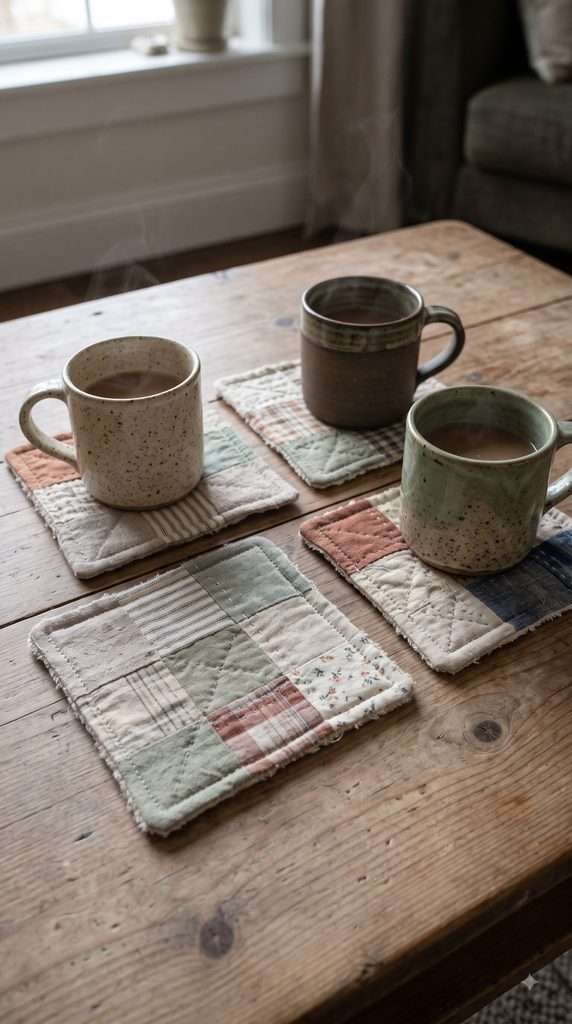
Fabric coasters are useful for people who enjoy handmade home accessories.
Use leftover cotton or linen fabric and add a suitable absorbent middle layer to give each coaster some thickness. Cut several matching squares or circles, stitch the edges, and finish with a neat seam.
A patchwork design makes it easy to reuse small fabric scraps that might otherwise be difficult to use in larger projects.
Make sure the finished coasters are washable and explain their care requirements. They are especially attractive as part of a small home coffee or tea gift set.
29. Homemade Melt-and-Pour Botanical Soap
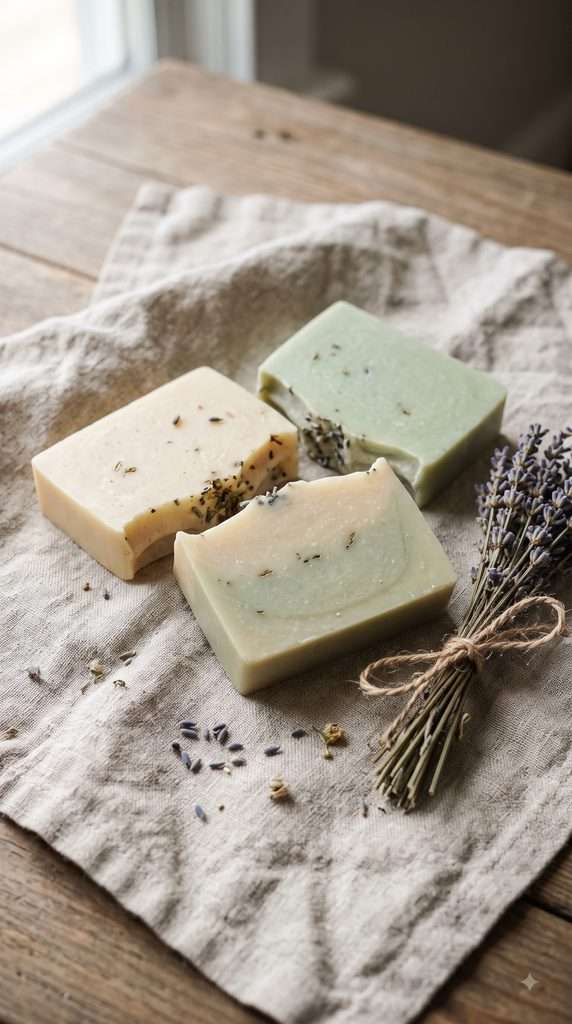
Handmade soap can be an attractive gift, particularly when the design is simple and the ingredients are clearly identified.
For beginners, a premade melt-and-pour base is a more approachable option than traditional lye soapmaking. You can use a Melt-and-Pour Soap Base for Handmade Soap, suitable molds, and optional cosmetic-grade ingredients according to the base manufacturer’s instructions.
Keep the recipe simple. Decorative botanicals should be suitable for the intended cosmetic use, and fragrances are optional rather than essential.
Traditional soapmaking with lye requires additional chemical-handling precautions, so it should not be treated as an ordinary beginner craft.
30. Simple Homemade Bath Soak Gifts
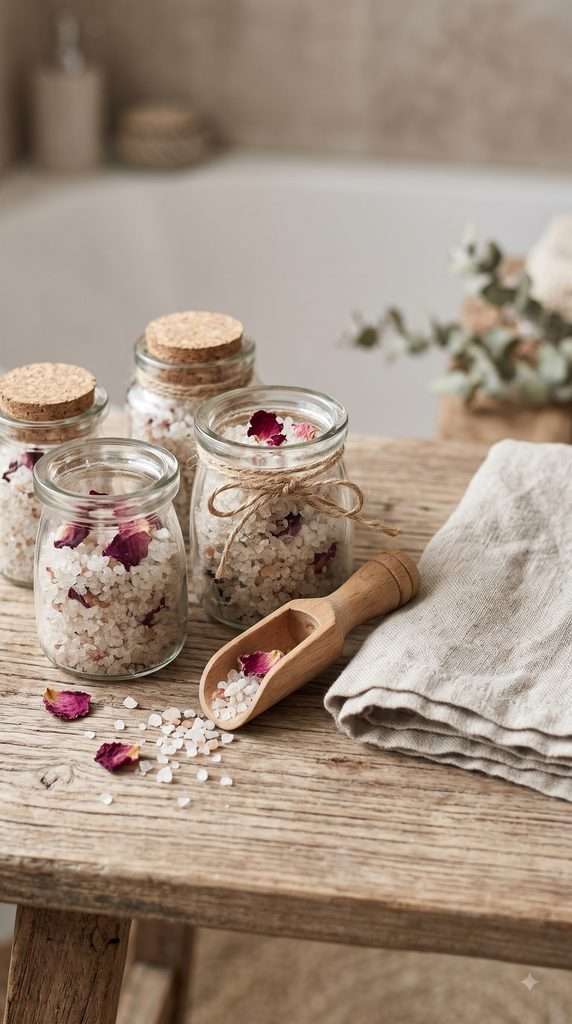
A bath soak can be made using suitable bath salts and a small amount of optional dried botanical decoration.
Package it in a clean, completely dry container with a label explaining the contents. I would keep the fragrance-free option available because not everyone enjoys strong scents or tolerates fragranced products.
If you use cosmetic-grade fragrance or other additives, follow supplier directions and check suitability for the intended use. Natural essential oils can still cause irritation or allergic reactions, so avoid assuming they are automatically safe.
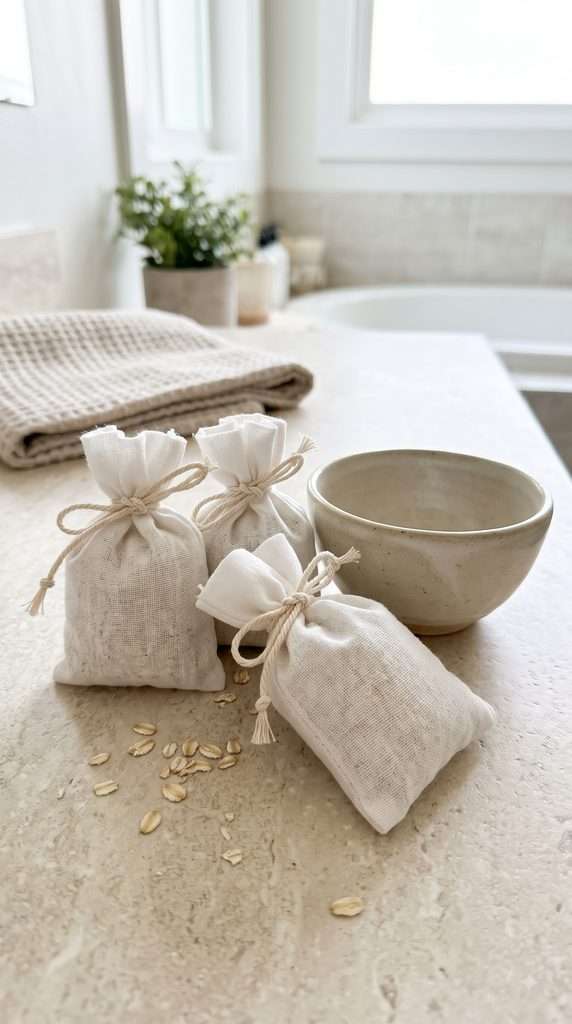
31. Handmade Oatmeal Bath Sachets
Oatmeal bath sachets are an alternative to loose bath products.
Use a clean, breathable cotton pouch and fill it with a suitable amount of finely ground plain oats. Tie it securely and include directions for use, such as placing the sachet in bathwater rather than scattering loose ingredients into the tub.
Choose simple ingredients and make sure the recipient understands what is inside. People with allergies or sensitive skin should check the ingredients before use.
A small set of reusable sachets is easy to prepare in batches.
32. Naturally Dyed Cotton Tea Towels
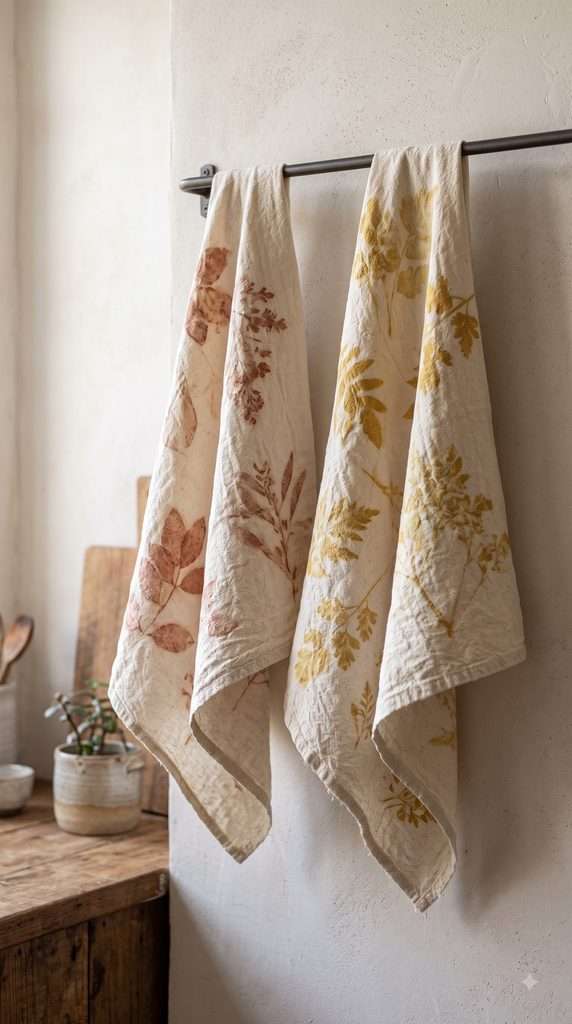
Naturally dyed tea towels are beautiful for someone who appreciates handmade kitchen textiles.
Depending on the dye materials and fabric, suitable plant-based color sources may include onion skins or other naturally pigmented materials. The final shade depends on the fiber, preparation, mordant, and dye process, so experiment with a small sample before making a gift set.
Choose cotton fabric and provide clear washing instructions. Some natural dyes can fade or transfer, particularly during the first washes.
A couple of matching towels tied with cotton string make a useful and attractive present.
Section 4: Garden-Inspired Gifts for Plant Lovers
These are some of my favorite types of gift ideas to recommend for garden enthusiasts because they can continue growing or producing something long after Christmas is over.
33. Small Potted Culinary Herb Gardens
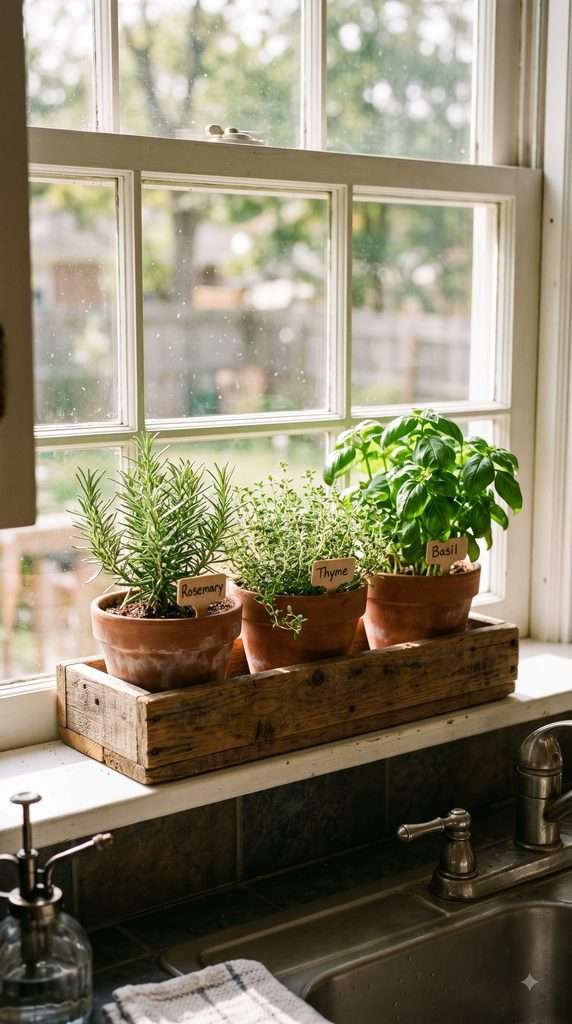
A small collection of culinary herbs is a lovely present for someone who enjoys cooking and gardening.
Choose suitable herbs such as thyme, rosemary, basil, or parsley, depending on the recipient’s climate and growing conditions. Plant them in individual containers with proper drainage and suitable growing medium.
You can arrange two or three small pots in a reused wooden tray or basket and attach handwritten plant labels.
Include basic care instructions covering sunlight, watering, and growing requirements. Remember that different herbs have different needs, so avoid giving them all identical care instructions.
34. Houseplant Cuttings in Reused Glass Jars
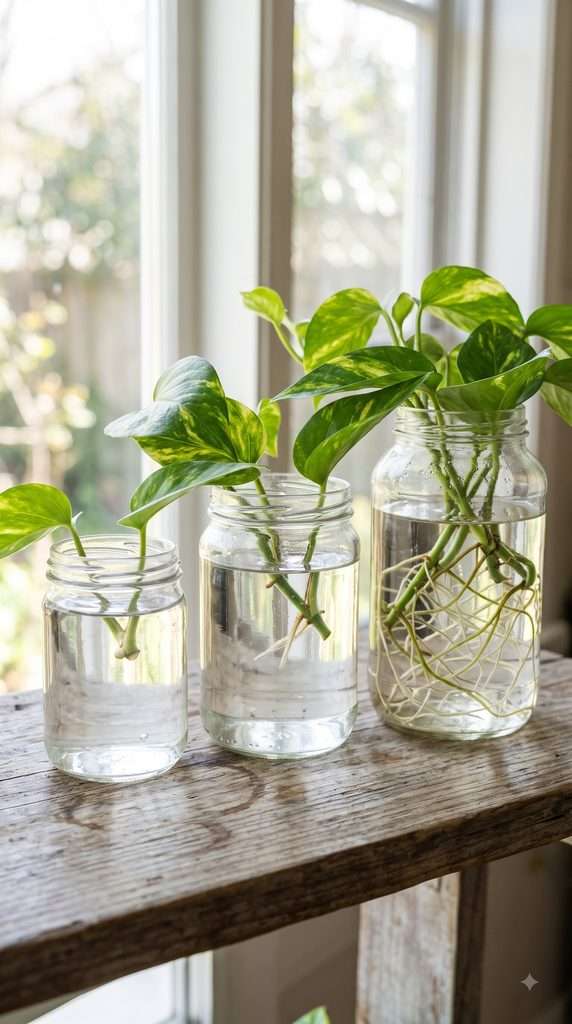
A small propagated plant can become a meaningful Christmas present, especially when it comes from a healthy plant you already own.
Choose a suitable plant, take a healthy cutting with the appropriate nodes, and place it in a clean glass container with water or use a suitable propagation medium for that species.
Once the cutting has developed roots appropriate for planting, transfer it into a small container or gift it with simple care instructions.
A reused glass jar makes a charming presentation, although it is important to explain that the plant may eventually need a proper growing container.
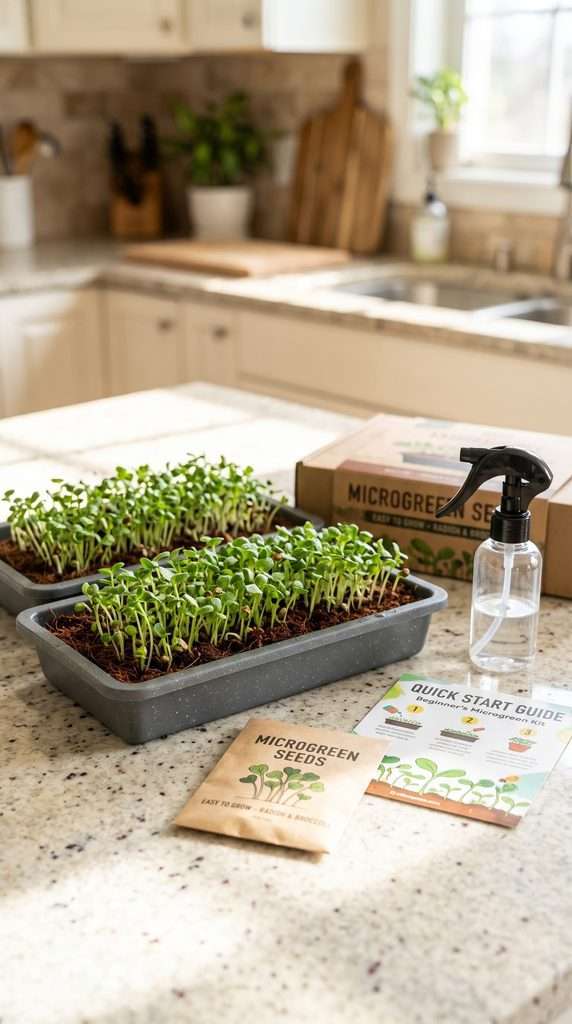
35. DIY Windowsill Microgreen Starter Kit
A microgreen starter kit is a useful present for someone who likes growing edible plants but does not have a backyard garden.
Put together shallow food-safe growing trays, a suitable growing medium, and seeds specifically sold for microgreen production. Add a simple instruction sheet explaining sowing, watering, light requirements, and harvesting.
Choose varieties according to the recipient’s preferences and follow the seed supplier’s growing and food-handling instructions.
This is a practical way to introduce someone to growing fresh edible greens indoors without investing in a large gardening setup.
36. Native Wildflower Seed Gift Envelopes
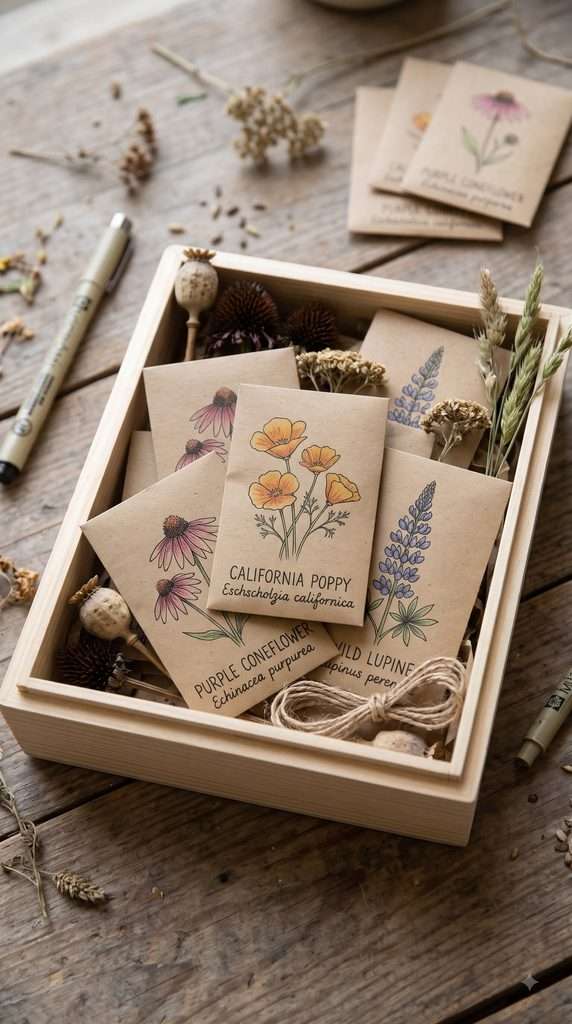
For someone who enjoys supporting pollinators and local wildlife, a carefully prepared native wildflower seed collection can be a thoughtful gift.
Choose regionally appropriate native species from a reputable supplier or ethically collected plants with the necessary permissions. Make separate paper envelopes and write the plant name, appropriate growing region, sowing season, sunlight requirements, and any special germination instructions.
Native seeds are not interchangeable across all parts of the United States. Local genetics, growing conditions, and germination requirements matter.
University of Maryland Extension explains that seed collection and germination vary by species and that permission and responsible collection practices are important.
37. Reclaimed Wood Garden Markers
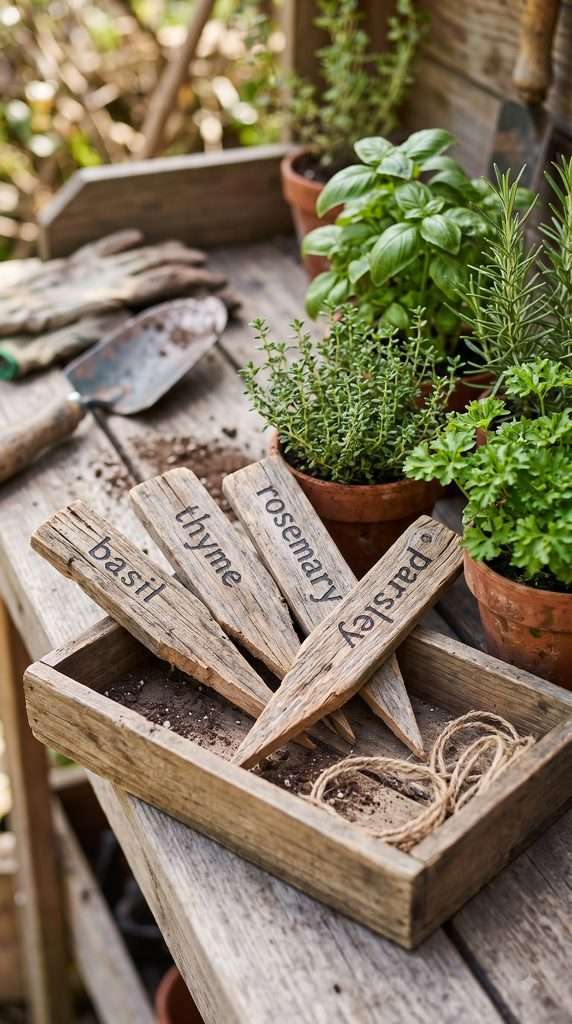
If you have access to clean untreated scrap wood, turn it into a useful set of plant markers.
Cut small pieces to similar sizes, smooth any rough edges, and write herb or vegetable names using a suitable weather-resistant marking method. You can personalize the set with the recipient’s favorite plants.
These markers are particularly useful for people who grow several varieties of vegetables, herbs, or flowers.
Avoid using wood that has been chemically treated or has unknown coatings, particularly where it will be placed around edible plants. Make the ends smooth enough to handle safely.
38. Newspaper Seed-Starting Pots
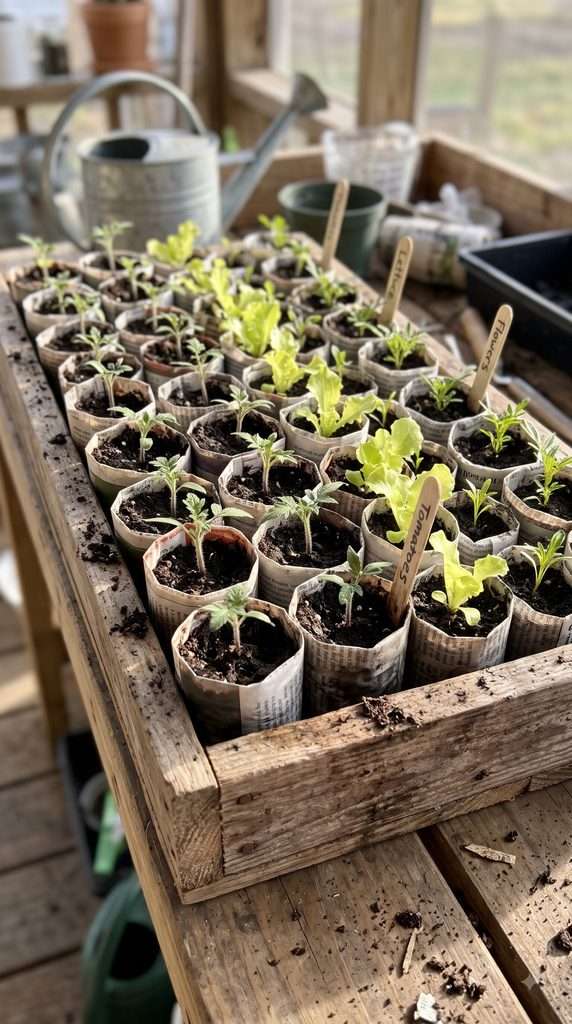
This is an inexpensive gift for someone preparing to start vegetables or flowers from seed.
Make small planting pots using plain, uncoated newspaper and a suitable folding technique. Arrange several in a shallow wooden tray and include a few regionally appropriate seeds with their sowing instructions.
You can also include Peat-Free Biodegradable Seed Starting Pots for someone who prefers ready-made planting containers. They offer a convenient alternative to making every pot by hand.
The important detail is to check the intended planting method and transplanting instructions for the chosen containers and seeds. Not every seedling should be transplanted at the same stage.
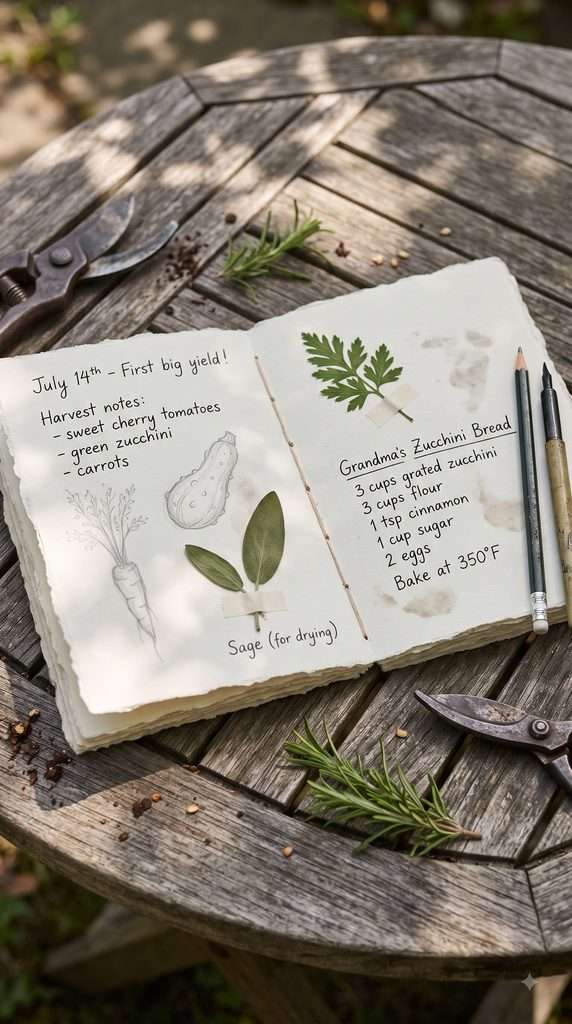
39. Personalized Garden Harvest and Recipe Journals
A gardening journal becomes more useful when it is designed around the recipient’s interests.
Prepare a small notebook with sections for planting dates, favorite vegetable varieties, harvest notes, seasonal observations, and recipes using homegrown produce.
You can decorate the cover with pressed leaves or a simple botanical illustration. Add a few blank recipe pages so the recipient can record what worked well in their kitchen.
This is a particularly thoughtful present for someone who grows vegetables, herbs, or fruit and enjoys keeping track of each growing season.
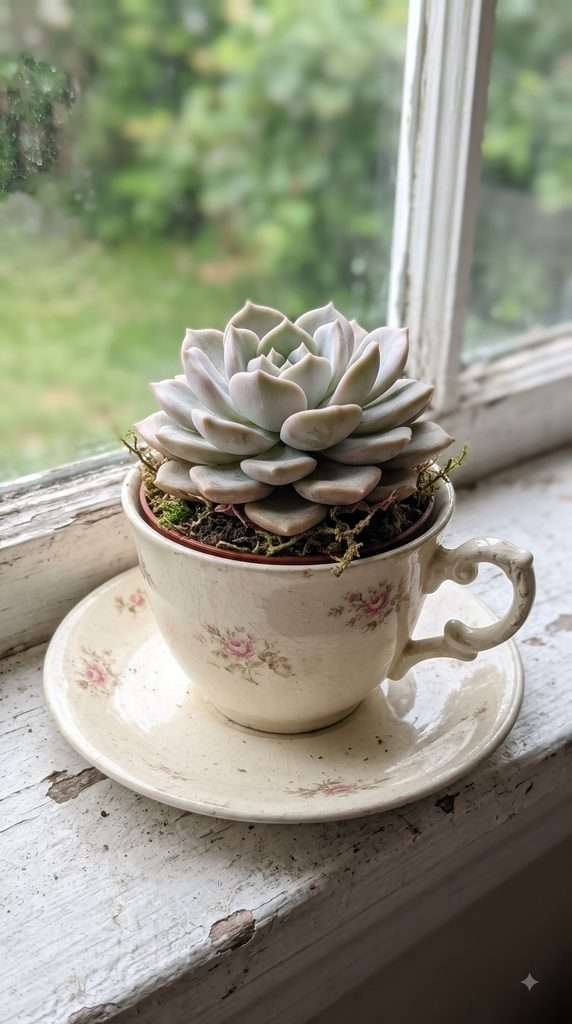
40. Teacup Succulent Planter Gifts
A vintage teacup makes a charming container for a small succulent gift.
Choose a suitable compact plant and use a well-draining succulent growing medium. One practical option is to keep the plant inside a small nursery pot and place that pot inside the decorative teacup. This avoids relying on a container without drainage holes.
Include a small care card explaining the plant’s light and watering requirements.
Look for a suitable plant for the recipient’s home, particularly when children or pets may be around. This small gift works particularly well for neighbors, teachers, and friends who appreciate unusual home decorations.
How to Make Natural Homemade Christmas Gifts Look Beautiful
The presentation does not need to be expensive. In fact, simple packaging often works better with handmade presents because it lets the materials and craftsmanship stand out.
Here are a few practical ways to finish these gifts.
Choose reusable packaging
Glass jars, cotton bags, small baskets, fabric pouches, and reusable tins are useful alternatives to disposable gift boxes.
For edible gifts, always use clean, suitable food-contact containers. Check jars for chips and cracks, and make sure the lids fit properly.
Use natural-looking decorations
Some inexpensive details can make a homemade gift look more finished:
- Cotton or jute string.
- Plain kraft-paper labels.
- Pressed leaves and flowers.
- Dried orange slices.
- Small wooden tags.
- Reused fabric ribbons.
- Handwritten gift notes.
There is no need to add every decoration. A single botanical element or a simple handmade label can be enough.
Wrap gifts with materials you already have
Before purchasing wrapping supplies, look at what is already available around the house.
A clean scarf, reusable cloth bag, old paper shopping bag, or previously used gift box can become part of the presentation. Plain recycled paper is another option, provided it does not contain plastic coatings, foil, or glitter that prevent recycling.
Sustainable gifting resources from the University of Maryland and the Natural History Museum also recommend reusing bags, fabric, boxes, and suitable paper rather than automatically purchasing disposable wrapping.
Add handwritten instructions
This is one detail that makes a meaningful difference.
A plant gift should include care instructions. An edible gift should have an ingredient list and storage information. A candle should come with safe-use instructions. A seed packet should explain what is being planted and when.
The recipient should not need to guess how to use the gift.
Important Things to Consider Before Making Homemade Gifts
Natural does not automatically mean harmless, food-safe, or environmentally suitable.
Be careful with homemade food preservation. Dry mixes, baked goods, and properly prepared dried ingredients can make suitable gifts, but homemade canned foods must follow tested preservation instructions. Avoid gifting homemade canned breads or cakes and do not treat homemade flavored oils as shelf-stable products without an approved preparation method.
Check ingredients and allergies. Label nuts, dairy, fragrances, essential oils, and other ingredients that may cause reactions.
Use appropriate plants. Do not assume that an ornamental garden plant is edible or suitable for skin contact. Identify botanical materials correctly before using them.
Make candles and soaps carefully. Follow the manufacturer’s instructions for candle materials and use a premade soap base rather than casually handling lye.
Choose local seeds thoughtfully. Use plants suitable for the recipient’s region and growing conditions. Do not collect rare plants or remove large quantities of seeds from natural habitats.
The goal is to create gifts that are enjoyable to receive and practical to use, not simply attractive in a photograph.
Frequently Asked Questions
Fabric gift bags, dried orange garlands, homemade seasoning jars, pressed-flower bookmarks, and reusable fabric napkins are among the easiest options. Most use accessible materials and can be prepared without specialized equipment.
Newspaper seed-starting pots, recycled-paper cards, herb salt jars, twig ornaments, pinecone decorations, and fabric coasters are good low-cost ideas. Reusing containers and materials you already own can reduce additional spending.
Potted herbs, propagated houseplants, native wildflower seed packets, reclaimed wood plant markers, botanical journals, and small microgreen kits are thoughtful gifts for gardening enthusiasts.
It depends on the project. Dried flowers, pressed botanical art, and knitted gifts may need several weeks of preparation. Food gifts should be prepared according to their recipe and storage requirements, while fresh plants should be maintained in suitable growing conditions until gifting.
Use reusable cotton bags, clean glass jars, cardboard boxes, kraft paper, fabric wraps, and previously used gift bags. Avoid unnecessary plastic ribbons, glitter, and foil-coated wrapping materials.
They can be, provided the ingredients are properly handled and the food is prepared and stored using reliable food-safety guidance. Include ingredients, allergen information, preparation instructions, and storage requirements. Do not assume that a homemade product is shelf-stable simply because it is sealed in a jar.
They can be a more thoughtful and resource-conscious option when they use appropriate reusable or reclaimed materials and suit the recipient’s needs. However, the environmental impact depends on the materials, packaging, transportation, and whether the recipient will actually use the gift.
The best natural homemade Christmas gifts are not necessarily the most elaborate. They are the ones that feel personal while still being useful.
A gardener might appreciate a set of locally appropriate seeds or a small potted herb collection. Someone who enjoys cooking may prefer homemade spice blends or a jar of cookie mix. For friends who love handmade home accessories, pressed botanical artwork, natural wax candles, or fabric coasters can be wonderful choices.
Start with materials you already have, choose projects that match your abilities, and pay attention to the little details that help each gift feel complete.
You do not need to make all 40 ideas. Even two or three carefully prepared presents can make Christmas feel more personal without creating unnecessary waste.
Transparency Note: This article draws on researched home, garden, crafting, and food-safety guidance. These projects have not been represented as personally tested. Adapt materials and instructions to the project, recipient, and intended use.

Aagam – Founder of SpruceTouch
I’m Aagam, a home and garden enthusiast who enjoys growing, building, and improving outdoor spaces. I focus on practical backyard projects, garden ideas, and simple DIY solutions that are useful in real homes. Through SpruceTouch, I share what I’ve learned, what worked, what didn’t, and the small details that can make an outdoor project easier.