
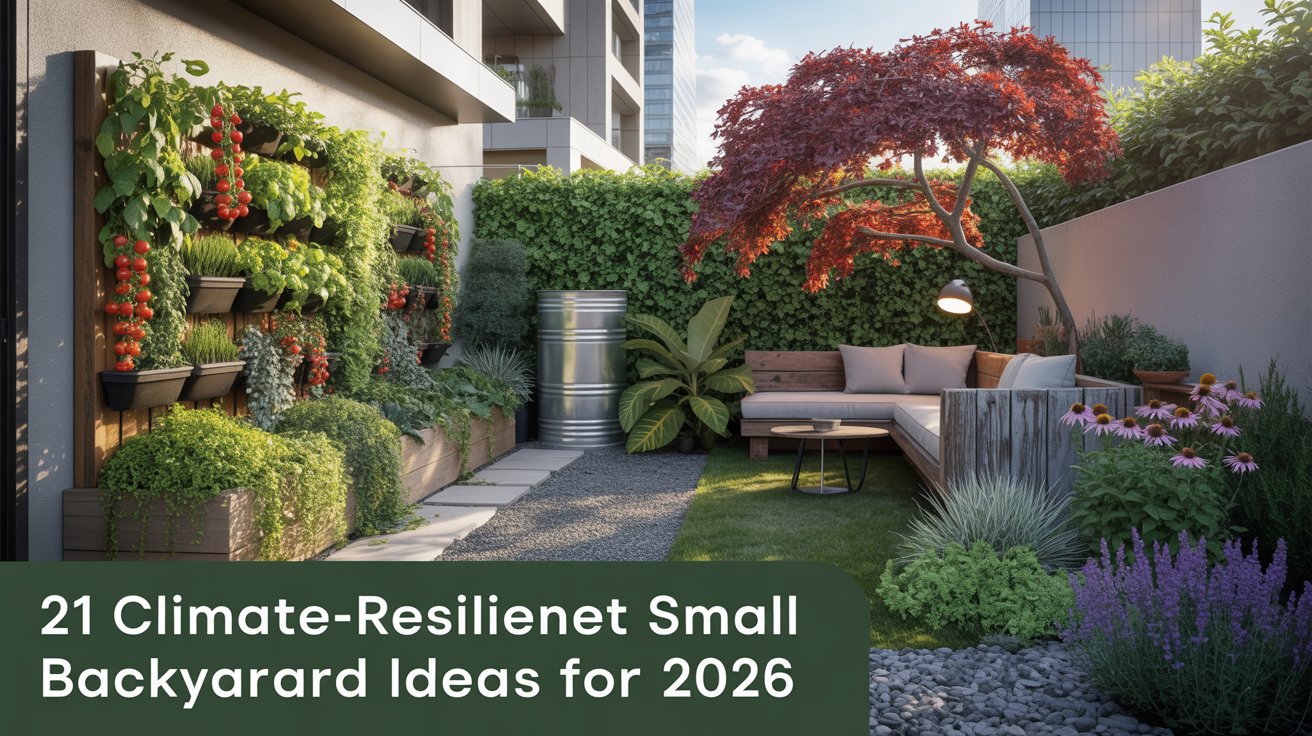
Wait, Is Your Garden Dying? The Real Reason and How to Fix It 21 Small Backyard Ideas for a Drought-Defying, Gorgeous Garden in 2026 From Wilting to Wow: 21 Low-Maintenance, Climate-Ready Small Backyard Ideas
I used to be that gardener. The one who lovingly planted delicate roses only to watch them crisp under the relentless midsummer sun, no matter how much I watered. It felt like I was battling nature itself, and I was losing. My tiny, sun-baked patio was a graveyard of good intentions, filled with thirsty plants and evaporating dreams of a backyard oasis. But I learned something critical: it wasn’t my lack of skill, it was my choice of plants and design for our changing climate. I realized I needed a different approach – one that worked with the environmental shifts we’re all seeing. After much research and trial-and-error, I’ve curated this collection of 21 game-changing, climate-resilient ideas specifically for small backyards. These aren’t just trendy concepts; they’re practical, forward-thinking solutions that I’ve seen thrive, and they’ll help you create a stunning, sustainable space that withstands whatever weather 2026 throws our way. The secret, you see, isn’t about fighting the heat, but embracing it with smart, beautiful choices.
| Feature | Best For… | Key Benefit |
| Native Plants | Everyone! | Unmatched adaptability & pollinator support |
| Gravel Gardens | Hot, dry spots | Minimal water, stunning textural contrast |
| Permeable Paving | Managing heavy rain | Reduces runoff, recharges groundwater |
| Small Fruit Trees | Edible landscaping | Produces food even in limited space |
| Rainwater Harvesting | Efficient irrigation | Sustainable water source for your garden |
Idea 1: Native Plants for Effortless Resiliency
Look, forget battling non-natives in a changing climate; it’s a losing game. The smartest move for a small, resilient backyard in 2026 is embracing plants that evolved right in your region. Think about it: they’re naturally adapted to local rainfall patterns, temperatures, and soil conditions. Start with a selection appropriate for your specific eco-region – perhaps resilient switchgrass for texture or coneflowers for vibrant blooms if you’re in the Midwest, or drought-tolerant salvias and desert marigolds for Southwestern heat.
I find that sourcing these from dedicated native plant nurseries ensures you get quality stock and expert advice on which varieties truly thrive in smaller spaces. Avoid big-box stores that might stock mislabeled “natives” or cultivars that haven’t retained their true ecological benefits. A huge mistake? Planting a water-loving native (yes, some exist!) in a dry spot just because it’s labeled “native.”
Research the specific light and moisture needs for your region and microclimate. Once established, these babies will practically care for themselves, giving you a lush look without the constant fuss or heavy watering bills. You can find native plugs for surprisingly low prices directly from growers – definitely cheaper than those fancy, water-guzzling hybrids!
Idea 2: Vertical Herb Garden on a Budget Fence
Maximizing space is paramount in a small backyard, and your fence or wall is prime, underutilized real estate. Transform it into a lush, productive vertical herb garden! It’s not just space-saving; it puts fresh flavor within easy reach and adds vibrant life to an otherwise bland surface. You can often find affordable, ready-made vertical planter systems online or at major home improvement stores, but I’m a big fan of resourceful DIY. For the best results, use the best plants you can grow from cuttings to fill your vertical planters without spending a dime on new starters.
Repurpose simple wooden pallets (make sure they are heat-treated, not chemically treated – look for the ‘HT’ stamp!), attach sturdy, budget-friendly pots using pipe clamps, or even construct simple trough planters from scrap wood and line them with breathable landscape fabric. Plant resilient, sun-loving herbs like rosemary, thyme, oregano, and lavender – they handle heat and tighter quarters better than thirstier varieties.
The key mistake to avoid is forgetting adequate drainage for each container; soggy roots are a death sentence, especially when space is limited. Mount it securely to your fence, ensuring it gets at least 6 hours of sunlight. Imagine stepping out and snipping fresh basil or mint for your evening meal – it’s satisfying, space-efficient, and truly maximizes a tiny footprint for both function and beauty.
Idea 3: Permeable Paving: The Climate-Smart Choice
Our weather is getting more extreme, with both longer droughts and heavier downpours. That’s where permeable paving for your patio or walkway becomes a total game-changer, far more resilient than traditional solid concrete. This isn’t just about good drainage; it’s about actively managing stormwater on your own tiny patch of land. Instead of creating runoff that stresses city sewer systems, permeable options allow rainwater to soak directly through the joints or the paving itself, recharging the groundwater and reducing flooding potential.
Look into options like permeable concrete pavers (which have slight gaps), porous asphalt, or even simple, affordable gravel pathways with a sturdy, permeable base material. You can often find decent deals on basic concrete pavers at big-box home stores or local landscape yards – just ensure they are specifically designed as permeable. Installing it correctly is crucial; one major mistake is skipping the properly layered aggregate base, which is what actually filters and holds the water.
Get it professionally installed if you’re not confident, especially for a larger area. By making this simple-looking yet profoundly impactful choice, you’re building a foundation that works with natural water cycles, a vital step for any future-ready small backyard.
Idea 4: Container Gardening with Climate-Proof Pots
If digging into heavy clay or dealing with unpredictable soil is a problem, or if you simply don’t have inground space, containers are your secret weapon. But for 2026 and beyond, we need to think beyond standard terracotta, which often dries out too fast in intensifying heat. Invest in insulating, durable pots made from materials like thicker resin, composite materials, or even larger, light-colored concrete that reflects heat. This is especially true if you are trying to grow fast-growing vegetables you can harvest in 30-60 days, as rapid growth requires consistent moisture and stable root temperatures.
These protect roots from extreme temperature fluctuations and help retain crucial moisture much longer. You can often find high-quality resin pots at local garden centers, or even stylish composite options online that are both durable and lightweight. Don’t cheap out too much on the pot material itself, but do save money by reusing broken pots at the bottom for drainage (just not too many, you need soil volume!) or choosing simple, classic designs over overly ornamental ones.
Avoid the major pitfall of using too-small containers; small pots dry out incredibly fast, stressing your plants. Go bigger than you think you need! Use a premium pot mix designed for container moisture retention. This approach lets you grow virtually anything – compact edibles, stunning succulents, or resilient grasses – regardless of your ground situation, easily moving them as needed to catch the perfect sun or find a little shade.
Idea 5: Small Backyard Pond: Wildlife Oasis
Don’t let limited space dissuade you from incorporating water – a tiny, carefully designed pond can be a remarkably resilient and beneficial feature for a small backyard. It’s not just beautiful; it provides a crucial water source for local wildlife, from butterflies and bees (especially vital for pollination!) to birds, even in the driest seasons. You don’t need a massive liner or complex filtration; I’ve had great success with simple, small preformed liners, which you can often find relatively cheaply at home improvement stores, particularly during off-season sales. Or, scale it down even further and create a ‘container pond’ in a sturdy, sealed pot – think a large glazed ceramic pot without drainage holes, or a robust barrel. If you’re looking for layout inspiration, there are many small garden with pond ideas that prove you don’t need a massive estate to enjoy the calming effect of water.
This is extremely budget-friendly and fits almost anywhere! Plant a mix of hardy aquatics like dwarf water lilies or small rushes to oxygenate the water. Avoid the major mistake of adding fancy fish which require significant space, aeration, and filtration, making small ponds high-maintenance and less eco-friendly.
Instead, let it become a purely botanical and insect-focused habitat. A small, simple pond or water feature, maybe even with a tiny solar-powered pump for gentle water movement, brings life and unexpected resilience to your small urban footprint.
GROWING SECRET: Need a quick and incredibly effective way to improve your soil’s water retention and suppress weeds? Use chopped leaves! Instead of bagging up autumn leaves, shred them using your lawnmower or a specialized shredder and pile them directly onto your garden beds as mulch. As they decompose, they not only retain moisture beautifully but also break down into rich humus, boosting soil life and making your garden far more resilient. Best part? It’s completely free and better than most store-bought options!
Idea 6: Edible Landscaping: Berries as Hedge Rows
Why plant boring privet when you can have a gorgeous, productive, and resilient hedge that feeds you? In a small backyard, every plant needs to pull double-duty, and compact berry bushes are perfect for this. Many modern varieties are explicitly bred for smaller spaces, making them ideal for forming low, informal hedges. I highly recommend looking into newer thornless raspberries or compact, mounding blueberry varieties like ‘Sunshine Blue’ or ‘Top Hat’, which handle varied soils relatively well.
These often boast beautiful blossoms in spring and vibrant foliage in autumn, providing multiseasonal interest beyond just the fruit harvest. You can sometimes find bare-root berry plants online in winter or early spring for significantly less than potted ones at local nurseries, but ensure you get varieties well-suited for your hardiness zone and soil type.
Avoid the crucial mistake of skipping soil preparation; berries thrive in rich, well-draining, slightly acidic soil, so invest in initial amendments like compost and perhaps acidic mulch. These tough, productive bushes are surprisingly drought-resistant once established compared to many annual veggies, making them a delicious and resilient choice for delineating spaces or lining a path in your 2026 small-scale food forest.
Idea 7: Fire Pit: The Year-Round Anchor
A fire pit is more than just a place to get cozy; it’s a strategically crucial element for small backyard resilience in 2026, especially as we seek more comfortable outdoor living year-round. It extends the usability of your space into cooler autumn and spring evenings, effectively enlarging your usable footprint without any actual building.
For smaller areas, a modest-sized fire pit bowl or table is ideal over a large built-in structure. You can often find decent, basic metal fire pit bowls surprisingly cheaply at big-box home and garden centers, especially towards the end of summer or online. Or, opt for a stylish propane fire table (easier for urban settings and often more permitted than wood-burning) which can also double as a coffee table when the cover is on. The biggest mistake to avoid is placement: ensure it’s at least 10 feet away from any structures, overhanging trees, or flammable surfaces, and always check local burn regulations.
I prefer positioning mine on a safe surface like non-combustible pavers, gravel, or even some sturdy composite decking (with a fire mat!). Surrounding it with simple, space-efficient seating creates an instant, welcoming focal point, anchoring your small backyard design and making it a true oasis whenever you choose to use it.
Idea 8: Low-Maintenance Gravel Garden Path
Looking for a pathway that’s affordable, incredibly resilient, and permeable for 2026? Look no further than a simple gravel path. It’s arguably one of the most cost-effective and low-maintenance solutions for defining space in a small backyard. Unlike solid concrete that can crack or pavers that require meticulous leveling, gravel is forgiving, allows water to easily soak through to the groundwater, and naturally resists weed growth if installed correctly.
For the absolute cheapest approach, search local landscape supply yards rather than relying solely on pricey bagged gravel from big-box stores – buying in bulk or even smaller quantities is often dramatically cheaper and they often deliver. Choose a smaller aggregate size like pea gravel or decomposed granite for a comfortable walking surface.
Avoid the major pitfall of skipping a sturdy weed barrier or permeable landscape fabric underneath; while some tough weeds might still poke through eventually, this initial layer saves you a massive headache later. Use simple, budget-friendly edging like flexible landscape trim or even naturally found rocks to keep the gravel contained and looking neat. It’s a classic, versatile choice that instantly adds texture and functional flow, handling heavy foot traffic and changing weather with minimal fuss, perfect for a budget-conscious, climate-ready small backyard.
Idea 9: Grow Vertical on Budget Trellises
When you have limited horizontal space, the only way to go is up, and budget-friendly trellising is your essential ally for a lush, productive 2026 small backyard. Vertical gardening lets you maximize growing potential on fences, walls, or even freestanding structures without sacrificing precious square footage. Instead of splurging on pricey, ornate ironwork, get resourceful! I’ve achieved fantastic results using simple wooden surveyor stakes tied with strong twine for climbing veggies like cucumbers or peas – incredibly inexpensive and customizable.
Check local thrift stores or habitat reuse centers for old metal headboards, window frames, or even sections of cattle panel which are remarkably sturdy and affordable for larger climbers like climbing roses, clematis, or even grapes. Or, create a simple ‘A-frame’ structure from inexpensive scrap wood. The biggest mistake is undersizing the trellis; imagine your chosen plant at maturity and build/buy for that size, not just what it looks like in the pot.
Ensure the trellis is firmly secured to handle the weight, especially with heavy fruit or strong winds. Growing vertically not only saves space but can improve air circulation and sunlight exposure, reducing fungal disease, making it a truly resilient and high-yield strategy for any small-scale gardener on a budget.
Idea 10: Propagate Resilient Plants for Free
Want a lush, climate-ready backyard in 2026 without spending a fortune? The secret is propagation – growing new plants from ones you already have (or from generous friends!). It’s incredibly cost-effective and surprisingly satisfying. Many resilient, drought-tolerant plants are surprisingly easy to propagate from simple stem cuttings. Think tough cookies like rosemary, lavender, various species of salvia, and even some tough ornamental grasses.
Search online or at discount bookstores for basic propagation books or watch reputable video tutorials – it’s often as simple as taking a healthy snip, dipping it in rooting hormone (optional but helpful), and placing it in a well-draining potting mix. Avoid the major pitfall of neglecting moisture consistency; while the mother plant might be drought-tolerant, delicate new cuttings need consistent humidity and indirect light while forming initial roots, so use a simple dome or plastic bag to maintain that humidity.
I’ve found local plant swaps or gardening groups are fantastic places to get free cuttings of robust, proven local performers. This allows you to fill your small space with proven winners for virtually pennies, rapidly creating a denser, more resilient, and truly beautiful garden that thrives despite environmental changes.
GROWING SECRET: Need a quick and incredibly effective way to improve your soil’s water retention and suppress weeds? Use chopped leaves! Instead of bagging up autumn leaves, shred them using your lawnmower or a specialized shredder and pile them directly onto your garden beds as mulch. As they decompose, they not only retain moisture beautifully but also break down into rich humus, boosting soil life and making your garden far more resilient. Best part? It’s completely free and better than most store-bought options!
Seasonal Maintenance Calendar
To keep your small backyard resilient and thriving through 2026 and beyond, consistent (but efficient!) maintenance is key. Here’s a basic calendar to guide you:
| Season | Task |
| Spring | Prune summer-blooming shrubs. Amend soil with compost. Plant new native/resilient varieties. Start seeds indoors/propagate cuttings. Check irrigation systems. |
| Summer | Mulch heavily! Water deeply but infrequently (early morning is best). deadhead flowers for continuous bloom. Watch for pests naturally. Harvest produce regularly. |
| Autumn | Plant spring-blooming bulbs & fall-blooming resilient perennials. Divide overcrowded perennials. Clean up fallen leaves (use as mulch!). Plant hardy native species. |
| Winter | Clean and maintain tools. Review your garden’s performance & plan changes. Shop for resilient seeds. Prune deciduous trees & shrubs during dormancy. Mulch tender plants if needed. |
Idea 11: Small Backyard Composting Made Simple
Compost isn’t just about reducing waste; it’s a non-negotiable component of a resilient 2026 small backyard, and you can absolutely do it compactly and on a budget! This dark, rich humus significantly improves soil structure, boosting water retention in sandy soils and improving drainage in heavy clay – vital for handling climate extremes.
It also nourishes plants far more sustainably than synthetic fertilizers. For small spaces, skip the giant, multi-stage piles and opt for a compact, enclosed tumbler or even a simple worm farm (vermicomposting) – perfect for apartments or tiny patios and incredibly efficient! You can often find decent tumbler options online or even construct a very basic one from a durable, food-grade storage bin drilled with aeration holes.
A major mistake? Letting your compost get too dry or too wet – think ‘damp sponge’ consistency – or adding overly large amounts of greens/browns at once. Layer kitchen scraps (greens) with shredded paper, straw, or leaves (browns) and turn it occasionally. Before you know it, you’ll have free, super-charged soil conditioner to nourish your resilient plantings, right from your own kitchen waste!
Idea 12: Repurpose Thrifted Containers
Looking for unique, resilient containers for your small backyard in 2026 without paying premium prices? Embrace the reuse philosophy! Hit up thrift stores, garage sales, and even check online marketplaces – you can find fantastic, durable items that are both stylish and functional for virtually pennies. Look beyond standard garden pots: sturdy old metal washbasins, unique enamelware pitchers (perfect for smaller herbs), resilient old ceramic bowls, or even solid wooden crates that can be lined and used as planters.
Avoid the major mistake of forgetting adequate drainage; this is non-negotiable, so ensure you drill multiple, proper holes in any repurposed container, especially metal ones. Consider drilling a few on the sides near the bottom too! Light-colored materials generally reflect heat better, protecting roots, while metal can heat up quickly, so place those in shadier spots. Use quality potting mix suitable for containers. Not only are you saving money and reducing waste, but you’re also infusing your tiny outdoor space with distinctive character that store-bought pots just can’t replicate.
Idea 13: Utilize Vertical Walls for Shade
Creating shade is a key strategy for a resilient 2026 small backyard, making the space usable and reducing plant stress in intensifying heat, and leveraging vertical structures is incredibly efficient for this. I strongly suggest growing fast-growing, resilient climbing vines that can both green up vertical surfaces and provide dynamic shade.
Think about hardy climbers like resilient climbing roses, rugged grapevines (which offer food and shade!), or vigorous annuals like running beans on sturdy trellises. For a budget-friendly option, search online for simple, woven shade cloth panels, which can be affixed relatively cheaply to fences or simple overhead structures, providing immediate relief for both people and plants in your tiny oasis.
Avoid the major pitfall of neglecting sturdy vertical support; imagine your chosen plant at maturity and ensure your trellis, wall, or pergola is reinforced, as climbing plants get surprisingly heavy, especially in strong winds or with maturing fruit. This natural, productive shade reduces ambient temperatures, protects delicate plantings, and extends the time you can comfortably enjoy your small-scale sanctuary during those hot summer days, making it a truly smart, multi-functional, and future-ready choice for any tiny backyard design.
Idea 14: Value Breakdown: Affordable Drip Irrigation
For extreme water efficiency in 2026 and beyond, especially in a small backyard where every drop counts, drip irrigation is non-negotiable, and it’s far more affordable than you might think! This system delivers water directly to the plant’s roots, minimizing evaporation and runoff – arguably the most water-resilient choice for any climate.
You don’t need expensive professional installation; many companies offer highly effective, customizable DIY kits available online or at home improvement stores. For under $100, you can often find a comprehensive kit perfect for numerous containers and small garden beds. Avoid the major mistake of inconsistent pressure: too high can blow emitters off, and too low can cause clogs.
Make sure you use a simple pressure regulator and clean filter! Plan the layout carefully, starting near your water source, and consider adding a budget-friendly timer for automated, consistent watering, freeing you up while ensuring your resilient plantings get exactly what they need to thrive, effortlessly, with minimal waste and cost.
Idea 15: Rainwater Harvesting for Beginners
Water is the most critical resource for any resilient garden, and harvesting it is a non-negotiable step for 2026, even in a small backyard. Collecting rainwater – a completely free and pH-balanced resource – significantly boosts your garden’s self-sufficiency, reduces dependence on municipal supplies (vital during drought restrictions!), and can even help manage stormwater runoff.
For beginners with limited space, keep it simple! I strongly recommend starting with a modest rain barrel connected directly to your downspout. You can often find decent, functional barrels relatively cheaply online or occasionally through municipal rebate programs – it’s a wise investment that quickly pays for itself. A major mistake? Ignoring mosquito prevention; ensure your barrel is equipped with a tight-fitting mesh screen over the inlet to keep pests out.
Always position it on a stable, level, and elevated base (like sturdy pavers or composite decking!) so you can easily access the spigot with a watering can or attach a simple, gravity-fed soaker hose to efficiently irrigate nearby resilient plantings. It’s a small change with profound impact, making your entire small backyard ecosystem far more water-resilient for the future, effortlessly, right where you live.
Idea 16: Small-Scale Food Forest: Compact Edibles for 2026
Think you can’t have a food forest in a small space? Think again! As we look towards 2026, integrating compact, hyper-resilient edibles is a brilliant move for a truly productive and climate-ready backyard oasis. The key is strategic layering. I absolutely love incorporating hardy, dwarf or columnar fruit trees, which take up very little horizontal space but offer abundant, delicious harvests.
Look into varieties like ‘Meyer’ lemons (if your climate allows, or grow in a move-able pot!) or columnar apples, which can even grow well in large containers, providing vertical structure, blossoms, and food. Interplant them with tough, perennial herbs and vegetables – think rosemary, thyme, perennial kale, or perhaps even asparagus, which can yield for decades with minimal fuss.
For the best selection of space-efficient cultivars, search dedicated online fruit tree and perennial edible nurseries rather than generic big-box stores, as they often stock specialized varieties. The major mistake is overcrowding; while density is key in food forests, respect each plant’s mature size and nutrient needs. Choose species naturally adapted to your conditions. With thoughtful, layered planting using proven compact varieties, you create a incredibly productive, self-supporting, and resilient ecosystem in your tiny plot, yielding fresh food and beautiful resilience for years to come.
Idea 17: Permeable Patios: Expanding Your Usable Space
As we look towards 2026, ensuring our small backyards remain truly usable and resilient means actively managing extreme weather, and permeable patios are a critical piece of that puzzle. Instead of creating massive runoff with solid concrete, opt for a permeable patio solution, which allows rainwater to soak directly into the ground, reducing local flooding and recharging groundwater. It’s a key strategy for overall property resilience.
For small, budget-friendly patios, I’m a big fan of using affordable pavers (like classic concrete pavers which often have small, permeable gaps) on a proper aggregate base. I’ve found that sourcing pavers in bulk or even smaller quantities from local landscape yards can be dramatically cheaper than relying solely on pricey, bagged options from big-box stores.
The crucial mistake to avoid is skipping the properly layered base material (aggregate and sand); this is what actually makes the system permeable and stable, so ensure it’s installed meticulously. By choosing this approach over impermeable surfaces, you not only expand your comfortable outdoor living space but also make your entire small-scale oasis profoundly more future-ready, functional, and environmentally responsible.
Idea 18: Smart Water Use: Drip Irrigation Breakdown
As water scarcity becomes an increasing concern into 2026, efficient irrigation isn’t just smart; it’s non-negotiable for a truly resilient small backyard, and drip irrigation is arguably the single best way to achieve maximum water efficiency with minimum waste. This system delivers water directly and slowly to the plant’s root zone, virtually eliminating runoff and evaporation, making it exponentially more efficient than overhead watering.
I highly recommend looking for comprehensive, user-friendly DIY drip irrigation kits available online or at home improvement stores – many are incredibly affordable and customizable, perfect for automating watering across numerous containers and garden beds without breaking the bank. Avoid the major mistake of irregular watering schedules; for true resilience and plant health, consistency is key, so consider adding a budget-friendly timer to your system for automated, consistent watering.
By prioritizing this precise and efficient method, you’re not only saving money on water bills but ensuring your precious plantings, especially native and resilient varieties, get exactly what they need to thrive, effortslessly, with profound impact on your garden’s overall sustainability and success.
Idea 19: Composting Made Simple (and Compact)
Compost isn’t just about reducing waste; it’s a non-negotiable component of a truly resilient 2026 small backyard, and you can absolutely do it compactly and on a budget! I highly recommend opting for a modern, enclosed tumbling compost bin – perfect for small spaces, odour-free, and incredibly efficient, often producing finished compost in a fraction of the time compared to traditional piles.
For the best selection of compact tumblers, search specialized online garden supply stores rather than relying solely on generic big-box home and garden centers, as they often carry a wider array of innovative small-scale solutions. The biggest mistake is neglecting the ‘greens/browns’ balance; remember, roughly equal parts by volume of kitchen scraps (greens) and shredded paper, straw, or leaves (browns) create the ideal environment for speedy decomposition.
Avoid adding dairy, meat, or oils! Turn it regularly for aeration. Before you know it, you’ll have free, hyper-charged soil conditioner to nourish your resilient plantings, improve soil structure, and boost water retention, right from your own kitchen waste, effortlessly and sustainably, even in the smallest urban plot.
Idea 20: Utilizing Vertical Shade Solutions
Creating dynamic shade is a key strategy for a comfortable and resilient 2026 small backyard, and leverage vertical structures is incredibly efficient, especially where ground space is limited. I strongly suggest incorporating fast-growing, resilient climbing vines which not only green up vertical surfaces, improving air quality, but provide dynamic shade precisely where you need it most.
For small-scale projects, I’m a big fan of searching online for simple, woven shade cloth panels, which can be affixed relatively cheaply to fences or simple overhead structures, providing immediate relief for both people and plants in your tiny oasis. Avoid the major mistake of neglecting adequate support; climbing plants, especially vigorous varieties, get surprisingly heavy, so ensure your trellises, fences, or pergolas are robust and properly anchored to handle the load and strong winds.
By integrating this natural, productive shade, you not only reduce ambient temperatures, protecting delicate plantings from harsh sun, but extend the comfortable usability of your small plot during hot summer days, creating a multi-functional and future-ready sanctuary you can truly enjoy, right at home.
Idea 21: Native Bees: Simple Small-Scale Habitat
For a truly vibrant and resilient small backyard in 2026, welcoming native bees isn’t just about ecology; it’s about actively supporting your entire garden’s success, effortlessly and sustainably. Unlike honeybees, many native bees are incredibly efficient pollinators, specifically adapted to local native plant varieties, ensuring better harvests and plant health in your tiny plot with minimal fuss.
I highly recommend incorporating a few small-scale native bee houses or nesting tubes – incredibly inexpensive and customizable. You can often find decent, pre-made bee hotels online or at local garden centers, particularly those focused on sustainable gardening – they make great gifts! Or, create a DIY version using bundles of simple, hollow stems or drilling varied-sized holes into untreated wood blocks.
The major mistake is neglecting placement; mount your bee habitat securely in a sunny, warm, and protected spot, ideally facing south or southeast, and never use any pesticides or herbicides anywhere near your resilient garden, as these are highly detrimental to all beneficial insects. By making this simple, inexpensive change, you create vital habitat for these essential, non-aggressive pollinators, exponentially boosting your garden’s health, productivity, and overall resilience, right where you live, for the future.
GROWING SECRET: Need a quick and incredibly effective way to improve your soil’s water retention and suppress weeds? Use chopped leaves! Instead of bagging up autumn leaves, shred them using your lawnmower or a specialized shredder and pile them directly onto your garden beds as mulch. As they decompose, they not only retain moisture beautifully but also break down into rich humus, boosting soil life and making your garden far more resilient. Best part? It’s completely free and better than most store-bought options!
Common Mistakes to Avoid for a Resilient Small Backyard:
- Ignoring Native Plants: Fighting the climate with delicate non-natives is a losing battle in the long run.
- Neglecting Drainage in Containers: Always, always ensure your pots have proper drainage to avoid root rot.
- Overcrowding: While density is good, respect each plant’s mature size and space needs to prevent disease and competition.
- Over-reliance on Lawn: Lawns are often water and resource hogs; replace with permeable paving, gravel, or resilient plantings where practical.
- Skipping Mulch: Mulch is crucial for moisture retention and weed suppression – don’t overlook it!
Final Thoughts on Building a Future-Ready Oasis
Creating a resilient small backyard for 2026 isn’t about expensive overhauls; it’s about making smart, conscious choices that work with our shifting climate. It’s a personal journey of adaptation, but one that yields profound rewards.
By embracing native plants, maximizing efficiency with drip irrigation, composting, and perhaps even integrating some productive edibles, you’re not just creating a beautiful space – you’re building a sustainable, thriving, and self-sufficient sanctuary, effortlessly and affordably, right at home. It’s incredibly satisfying to step into your little urban plot and know it’s not just withstanding environmental shifts but actively contributing positively to the local ecosystem. So, take it one step, one idea at a time, and embrace the satisfying process of nurturing a future-ready small-scale oasis you can truly be proud of, starting today.
Frequently Asked Questions (FAQ)
1. How do I choose the best native plants for my specific small backyard?
The key is locality. Research native plant nurseries dedicated to your specific eco-region rather than relying solely on generic advice. These specialists understand the native species, their growth habits, and can recommend varieties truly proven to thrive in smaller spaces in your climate. You can also consult resources like your local extension office or native plant society for personalized guidance.
2. Is a drip irrigation system really necessary for a small garden?
Yes, absolutely! Drip irrigation is arguably the single most water-efficient method, delivering focused hydration directly to plant roots with virtually zero waste. Especially in small backyards where every square inch counts and water efficiency is crucial into 2026 and beyond, it saves substantial amounts of water, money, and time, while encouraging healthier, more resilient plant growth compared to less efficient watering methods.
3. What’s the biggest mistake people make with vertical gardening on a budget?
Undersizing the support structure. It’s easy to start with a small, inexpensive trellis, only to realize months later that your chosen vigorous climbing plant has completely outgrown and overwhelmed it, potentially collapsing under its own weight or in strong winds. Always research the mature size of your climber and build or buy a sturdy, reinforced trellis or vertical support before planting, ensuring it’s adequate for the plant’s ultimate potential.
4. How can I attract more pollinators without spending a lot of money?
Focus on two simple, low-cost strategies: planting native wildflowers and providing simple nesting habitat. Choose native flowering plants suitable for your region, ensuring a succession of blooms throughout the season to provide food. For habitat, incorporate simple native bee houses or nesting tubes – you can easily find affordable pre-made options online or construct a DIY version from bundled stems or drilled wood blocks.
5. I have heavy clay soil. Can I still have a gravel garden or path?
Yes, with proper installation! The critical mistake is trying to lay gravel directly over clay. Instead, you must create a stable, permeable base. Excavate a shallow area, lay down permeable landscape fabric to prevent the gravel sinking into the clay, then build up a sturdy, well-compacted base layer of aggregate (like crushed stone) before adding your functional and beautiful surface layer of gravel. This ensures adequate drainage and prevents a muddy mess.
We genuinely hope these detailed climate-resilient small backyard ideas for 2026 empower you to create a beautiful, sustainable, and truly future-ready urban oasis you can be proud of. Happy gardening!

Aagam – Founder of SpruceTouch
Aagam is a home and garden enthusiast who shares practical ideas for backyard design, garden projects, patio decor, and small outdoor spaces. Through SpruceTouch, he focuses on simple and budget-friendly ways to improve outdoor living spaces.