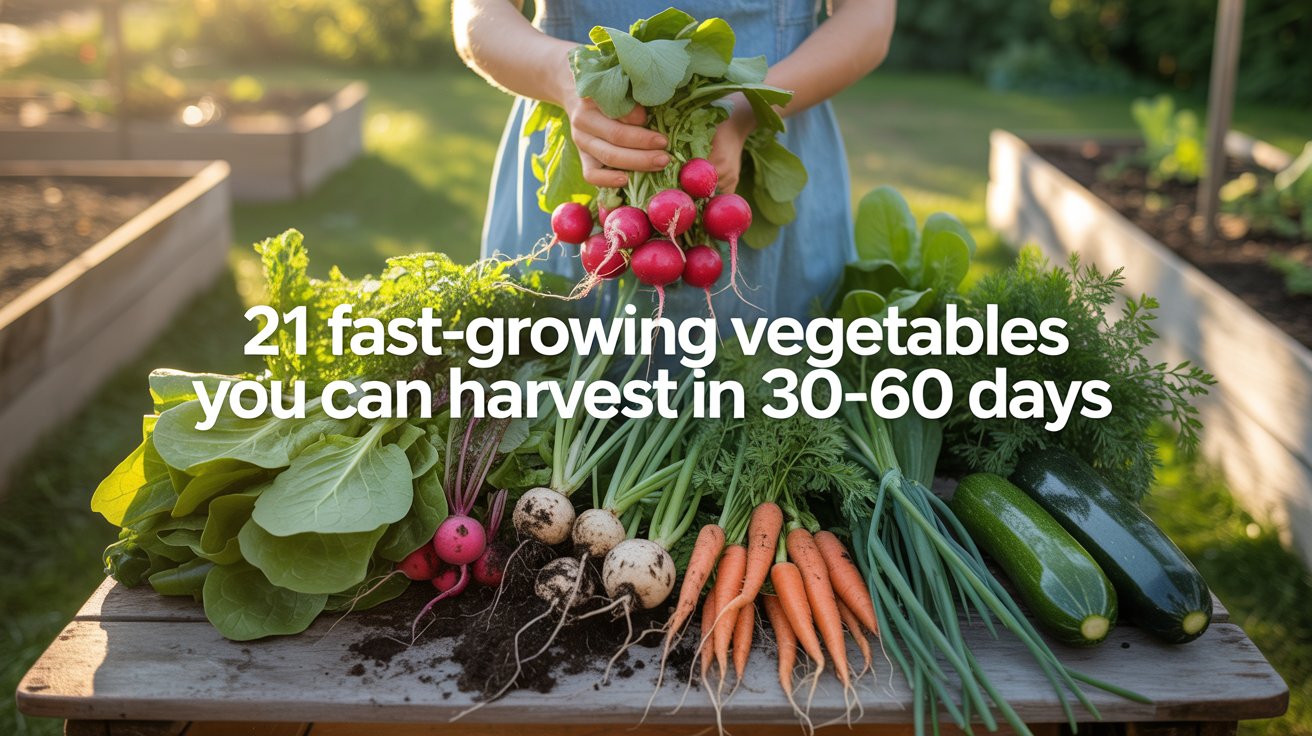
21 Fast-Growing Vegetables You Can Harvest in 30–60 Days (Perfect for Small & Budget Gardens)
I still remember planting my first “fast-growing” vegetables thinking I’d be harvesting in just a few weeks… but honestly, nothing went as planned. Some seeds didn’t sprout, others grew painfully slow, and I almost gave up thinking gardening just wasn’t for me.
But then I discovered something most beginner gardeners overlook — not all vegetables are slow. Some are incredibly quick, forgiving, and perfect for building confidence early on.
Once I switched to the right fast-growing crops, everything changed. I started harvesting in weeks instead of months, wasting less money on failed plants, and actually enjoying the process.
If you’ve ever felt impatient waiting for results (or frustrated with slow-growing plants), this list is going to completely change how you approach your garden.
If you’re working with limited space, pairing these vegetables with a smart layout can make a huge difference — especially if you’ve explored ideas from our Beginner’s Guide to Backyard Lighting (Everything You Need to Know) where placement and visibility really impact how usable your space feels.
1. Radishes – The 30-Day Confidence Booster
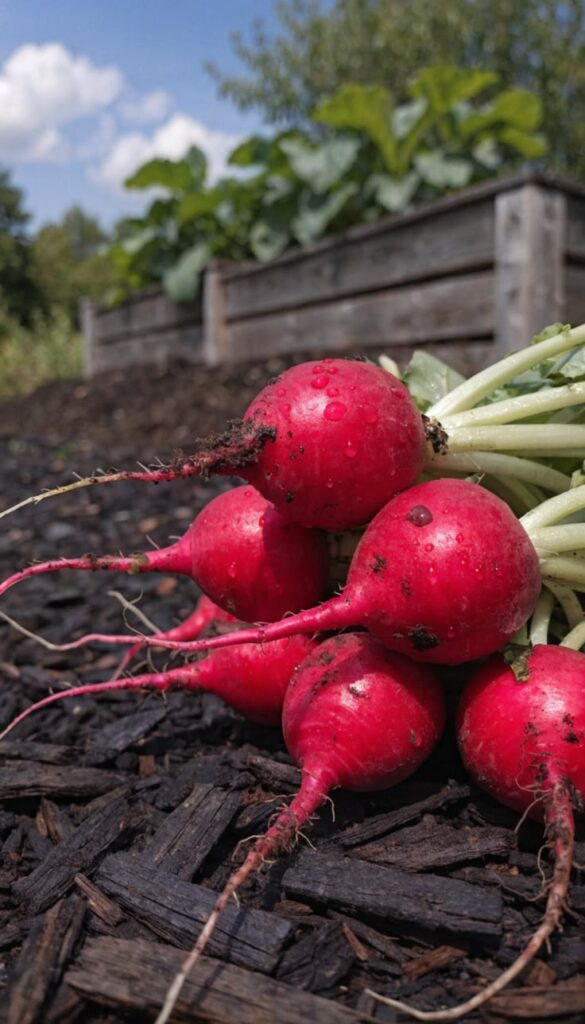
Radishes are hands-down the fastest vegetable I grow. Some varieties are ready in just 25–30 days. That’s faster than most online deliveries.
They thrive in containers, raised beds, or even shallow window boxes. All they need is loose soil and consistent moisture. If your soil is too compact, they’ll grow tiny or split — so loosen it well.
They’re ideal for small spaces because they don’t need much depth. Plus, you can plant new seeds every two weeks for continuous harvest.
Tip: Use loose, well-draining soil and space seeds at least 1 inch apart.
Problem + Fix: If radishes grow tiny or misshapen, your soil is too compact — mix in compost to loosen it.
One mistake I made early on was planting radishes too close together. They sprouted fast, but the roots stayed tiny because they didn’t have space to expand. Once I started thinning them properly (even though it felt wasteful at first), the difference was huge — bigger, healthier radishes in the same amount of time.
Also, if your soil is even slightly compact, radishes will struggle. I’ve had much better results after mixing in a bit of compost or loose potting soil, especially in small raised beds.
2. Leaf Lettuce – Cut and Come Again Magic
Loose-leaf lettuce varieties mature in 30–45 days. The best part? You don’t harvest the whole plant. Just snip outer leaves and let the center keep growing.
This makes it incredibly cost-effective. One seed packet can feed you for weeks.
It also handles partial shade better than most vegetables, which is perfect for tight backyards or balcony gardens.
Tip: Use the “cut-and-come-again” method for continuous harvest.
Problem + Fix: If leaves turn bitter, they’re getting too much heat — move to partial shade.
Mistake to avoid: Letting soil dry out completely. Lettuce turns bitter in heat stress.
I used to harvest the whole plant at once — which meant replanting again and again. But switching to the “cut-and-come-again” method completely changed things. Now I just trim outer leaves, and the plant keeps producing for weeks.
Another thing I noticed: lettuce grows much better in slightly shaded areas during warmer days. If you have a small backyard, even partial shade from a wall or fence can actually work in your favor.
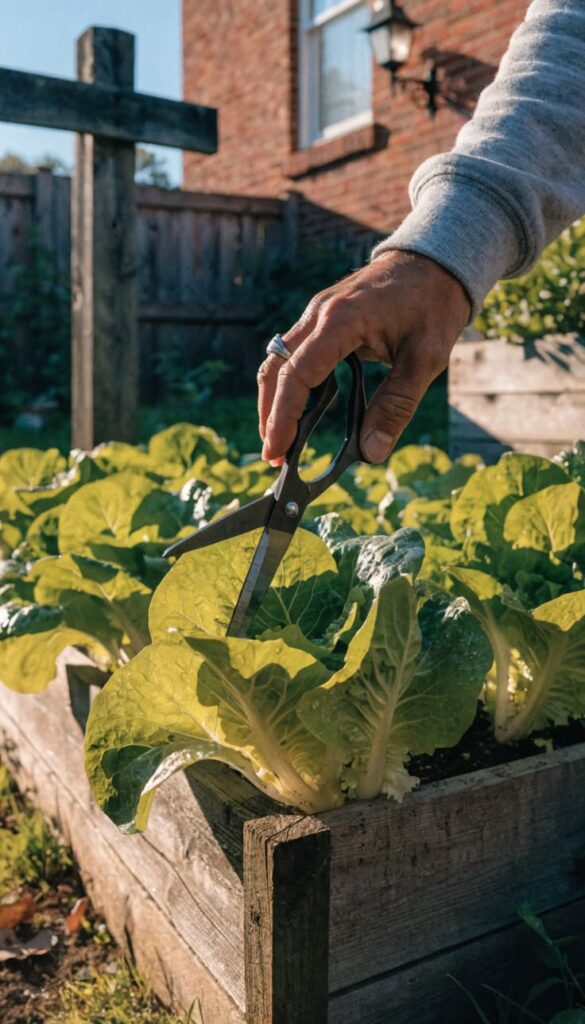
3. Spinach – Quick Greens for Cool Weather
Spinach is ready in about 35–45 days and loves cooler temperatures.
It’s perfect for early spring and fall planting. If you struggle with hot summers, grow it in partial shade or consider pairing it with a shade source like a simple structure inspired by our Underground Greenhouse Ideas for extended growing seasons.
Tip: Plant in cooler temperatures and keep soil consistently moist.
Problem + Fix: If it bolts quickly, it’s too hot — try partial shade or extend the season using ideas from a simple underground greenhouse setup.
Keep soil moist but not soggy. Bolting happens quickly in heat.
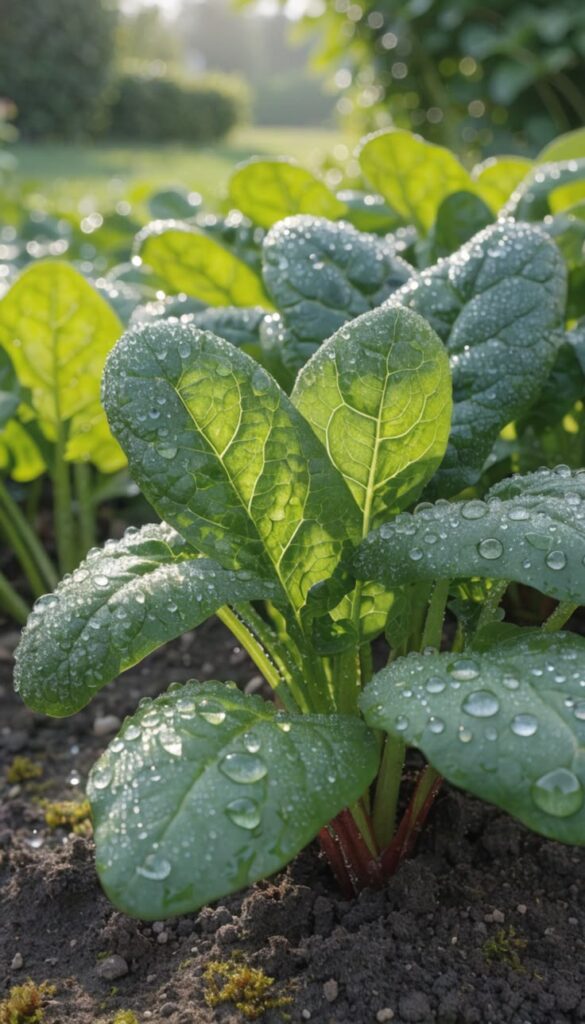
4. Green Onions – The Kitchen Scrap Hero
Green onions mature in 40–50 days — but here’s the trick: you can regrow them from kitchen scraps.
Plant the white root ends in soil, and they’ll regrow multiple times.
Tip: Keep roots in moist soil and harvest regularly.
Problem + Fix: If growth slows, trim less aggressively and add light compost.
They barely take up space and work beautifully in containers.
This is one of the most budget-friendly vegetables you can grow.
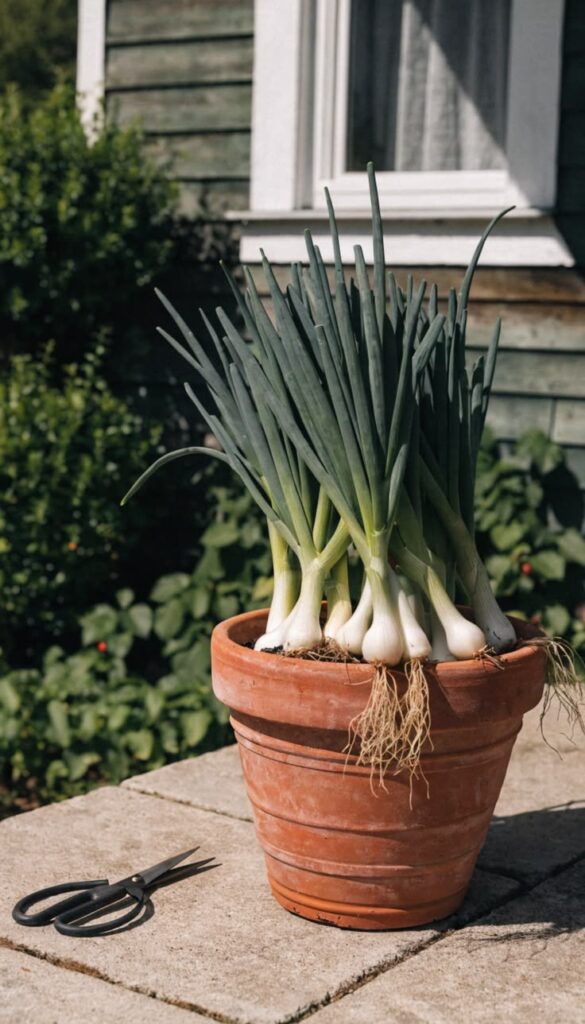
5. Arugula – Peppery and Lightning Fast
Arugula grows fast — sometimes ready in 25–30 days.
It tolerates cool weather and partial shade, making it flexible for tight spaces.
Harvest young for milder flavor.
Tip: Sow every 2 weeks for steady harvest.
Problem + Fix: If flavor is too spicy, harvest younger leaves.
Plant in succession every 2 weeks for continuous supply.
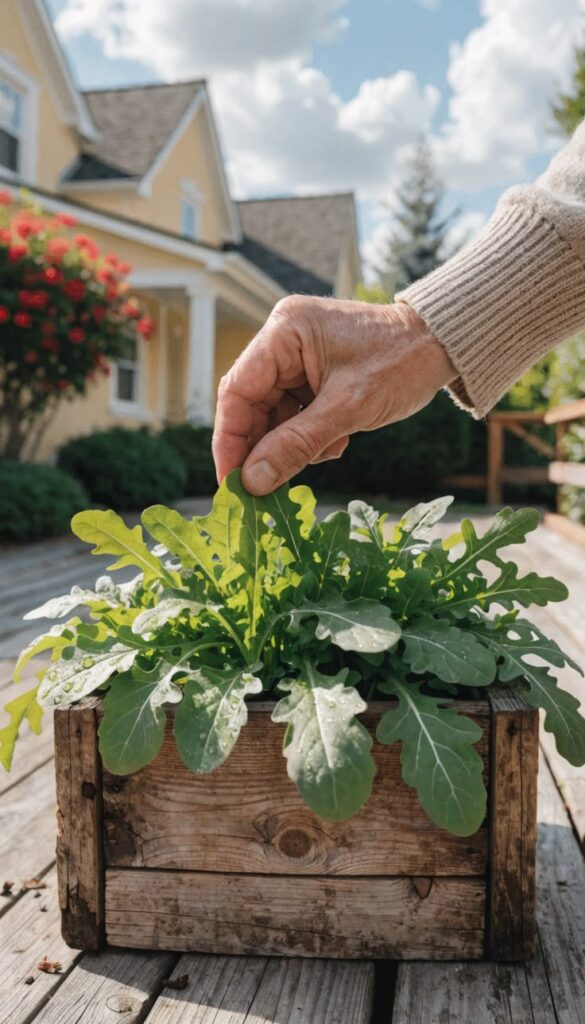
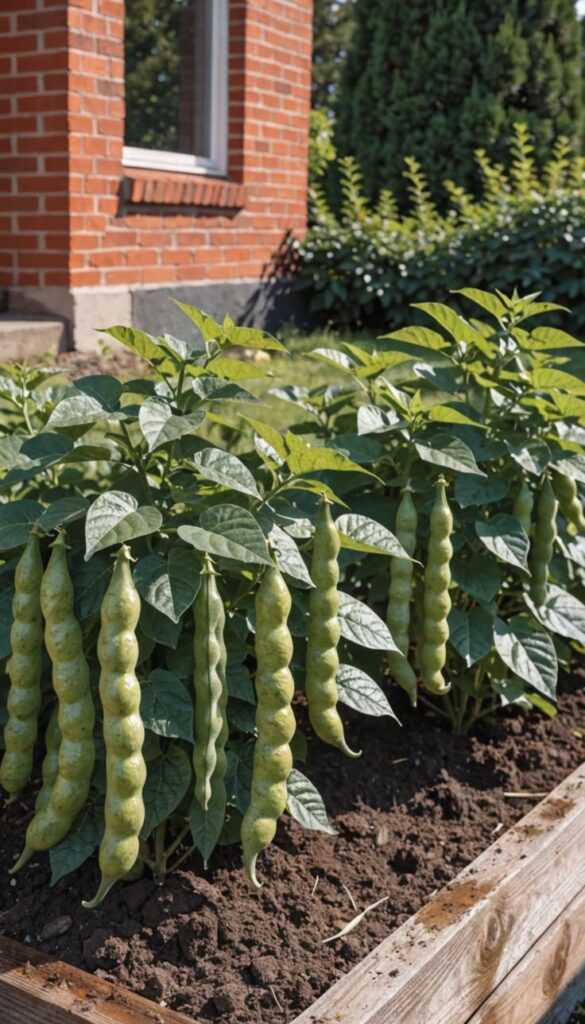
6. Bush Beans – Productive and Compact
Bush beans mature in 50–60 days and don’t require trellising like pole beans.
They’re compact, productive, and beginner-friendly.
Tip: Give full sun and avoid overwatering.
Problem + Fix: If plants look healthy but no beans, they may need more sunlight.
Keep them in full sun and avoid overwatering.
They’re perfect for raised beds.
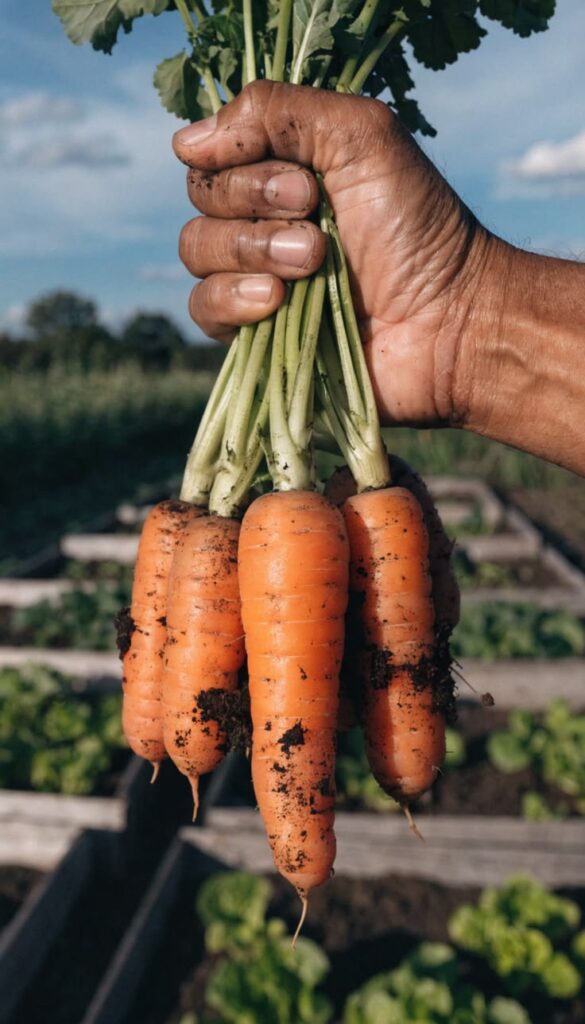
7. Baby Carrots – Sweet & Space-Smart
Choose short varieties for containers.
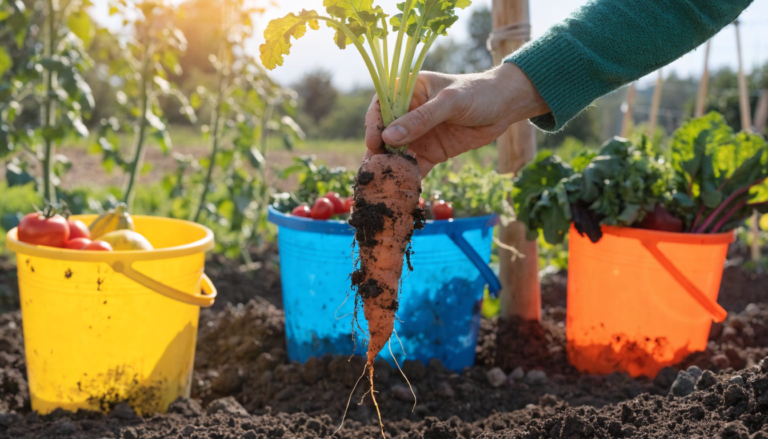
Loose soil is critical — rocky soil leads to twisted roots.
Tip: Use deep, loose soil with no stones.
Problem + Fix: If roots fork, soil is too hard — switch to raised beds.
They’re surprisingly low-maintenance once established.
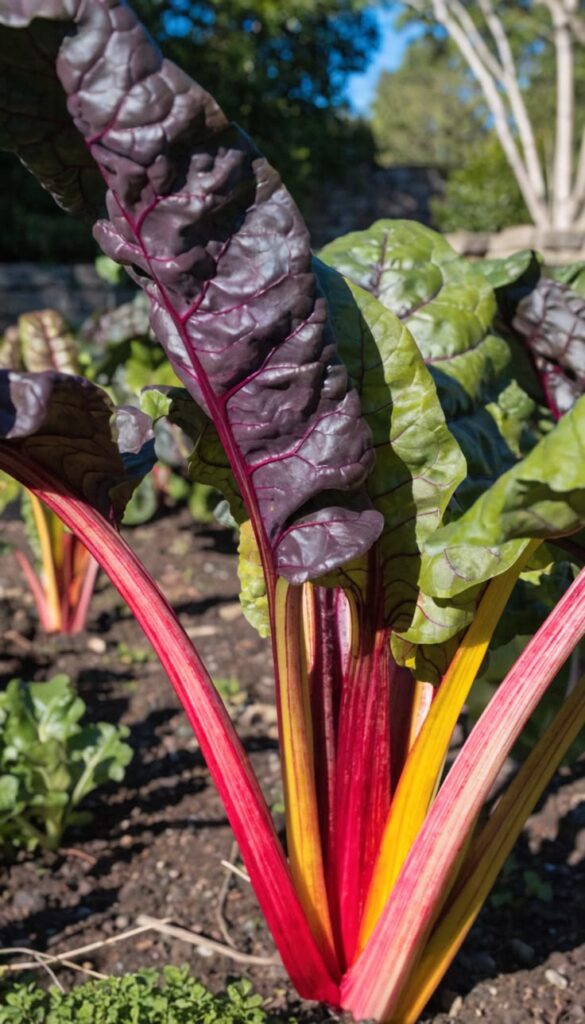
8. Swiss Chard – Colorful and Resilient
Swiss chard grows in 50–60 days but you can harvest young leaves sooner.
It tolerates heat better than spinach.
Tip: Harvest outer leaves to keep it producing.
Problem + Fix: If leaves yellow, it likely needs nutrients — add compost.
Cut outer leaves for continuous production.
Extremely low maintenance.
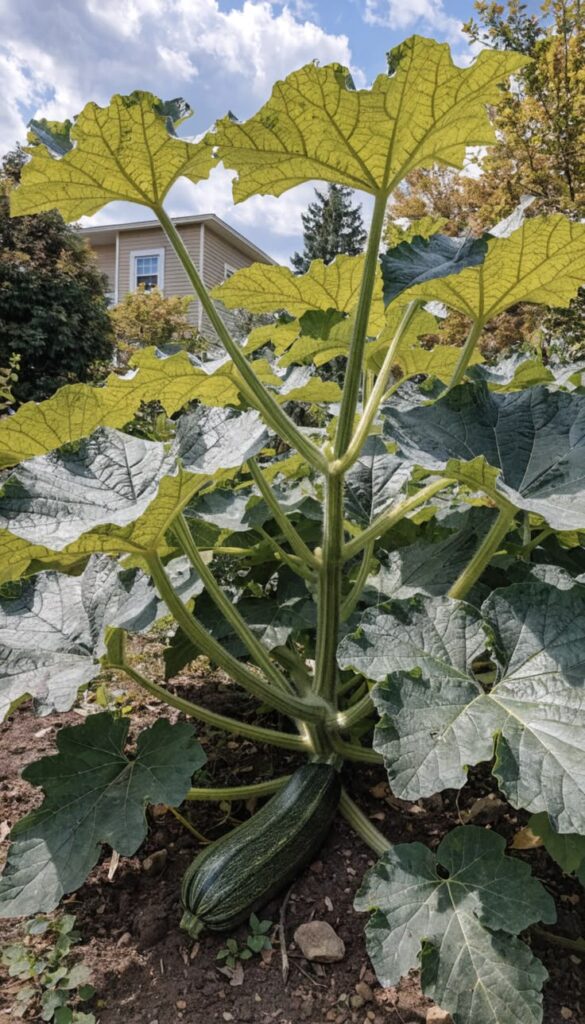
9. Zucchini – The Overachiever
Zucchini matures in 45–55 days.
Give it space and sun.
Harvest young for best flavor.
One plant can produce heavily.
Tip: Give it space or guide growth outward.
Problem + Fix: If leaves look healthy but no fruit, pollination may be low — hand-pollinate if needed.
One thing I learned the hard way — zucchini grows fast, but it also spreads fast. The first time I planted it in a small bed, it completely took over and crowded out everything nearby.
Now I either give it its own space or grow it near the edge of the garden where it can spill outward. If space is tight, you can even guide it slightly vertically with support, which works surprisingly well in compact backyards.
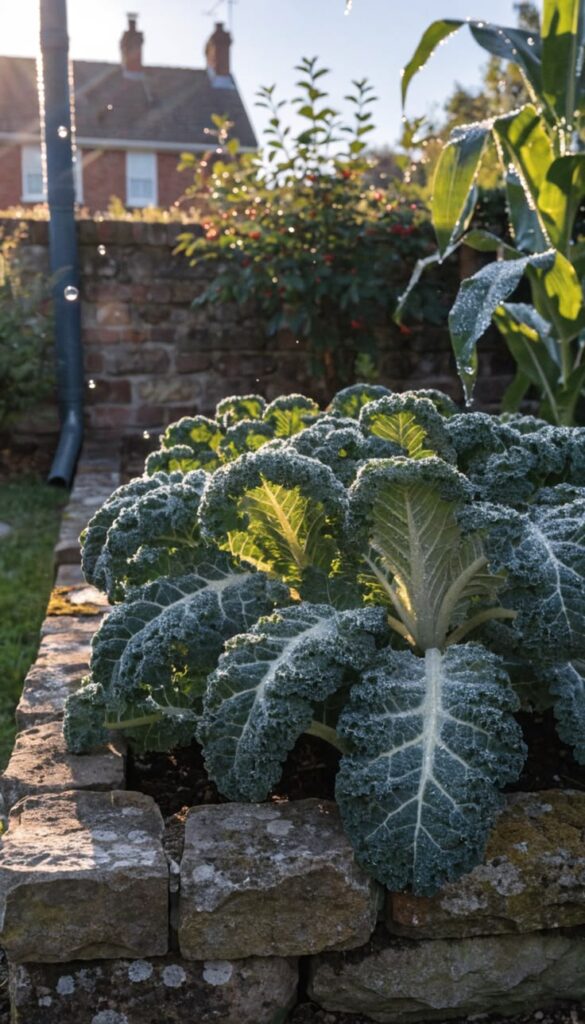
10. Kale – Tough and Quick
Kale grows in 45–60 days and thrives in cool weather.
It’s forgiving and beginner-friendly.
Harvest outer leaves for long production.
Tip: Grow in cool weather and harvest regularly.
Problem + Fix: If leaves are tough, harvest earlier.
Pairs well with small backyard systems like raised beds featured in our Small Garden Pond Ideas post if you’re designing a functional edible landscape.
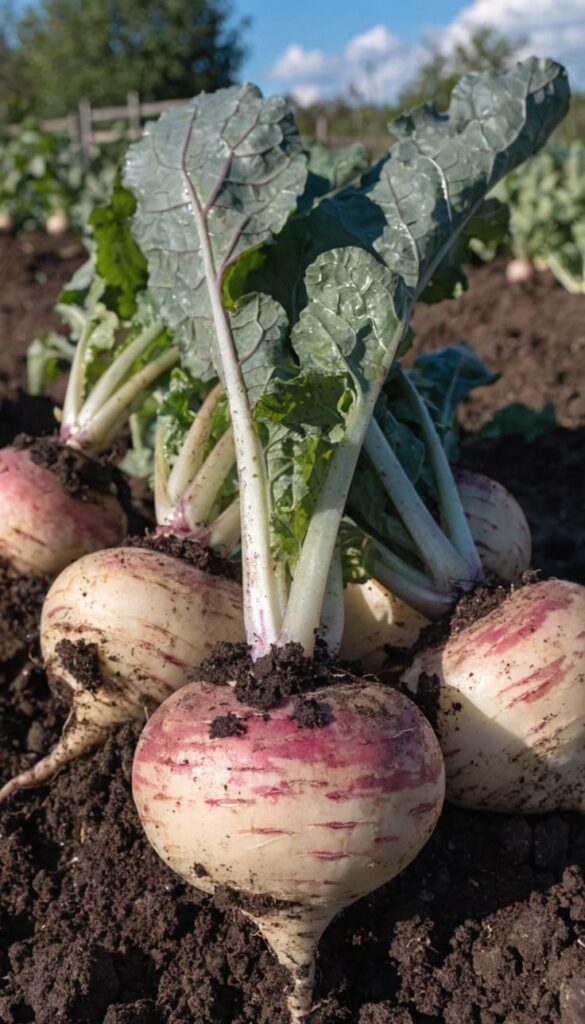
11. Turnips – Double Harvest Win
Turnips mature in about 45–60 days.
You get edible greens and roots.
Tip: Thin early for better root growth.
Problem + Fix: If roots stay small, they’re overcrowded.
They grow well in cooler temps.
Great for filling empty garden gaps.
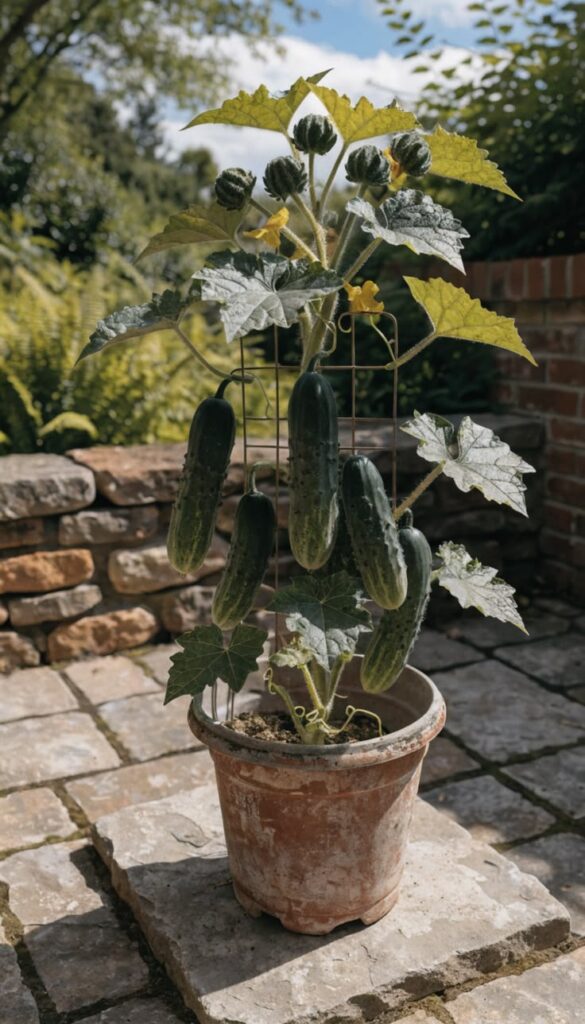
12. Cucumbers (Bush Varieties) – Small Space Climbers
Bush varieties mature in 50–60 days.
Use a small trellis to save space — similar to vertical tricks we discussed in our Modern Fence Design Ideas for maximizing compact yards.
Tip: Use a small trellis for airflow and space efficiency — similar to ideas used in modern fence layouts.
Problem + Fix: If leaves get powdery, improve airflow and reduce overhead watering.
Harvest regularly for continued production.
Full sun is key.
13. Mustard Greens – Spicy, Fast & Heat-Tolerant
If you’ve struggled with lettuce bolting too quickly in warm weather, mustard greens are your new best friend. They sprout quickly and are often harvest-ready in 30–40 days.
They grow beautifully in containers and shallow raised beds. I’ve grown them in recycled buckets with drainage holes — super budget-friendly and zero fuss.
Tip: Harvest young for milder taste.
Problem + Fix: If leaves are too spicy, harvest earlier.
The flavor is peppery and strong, so harvest young if you prefer a milder taste. They’re also surprisingly resilient in fluctuating temperatures.
Mistake to avoid: Overcrowding. Thin seedlings early so leaves grow large and tender.
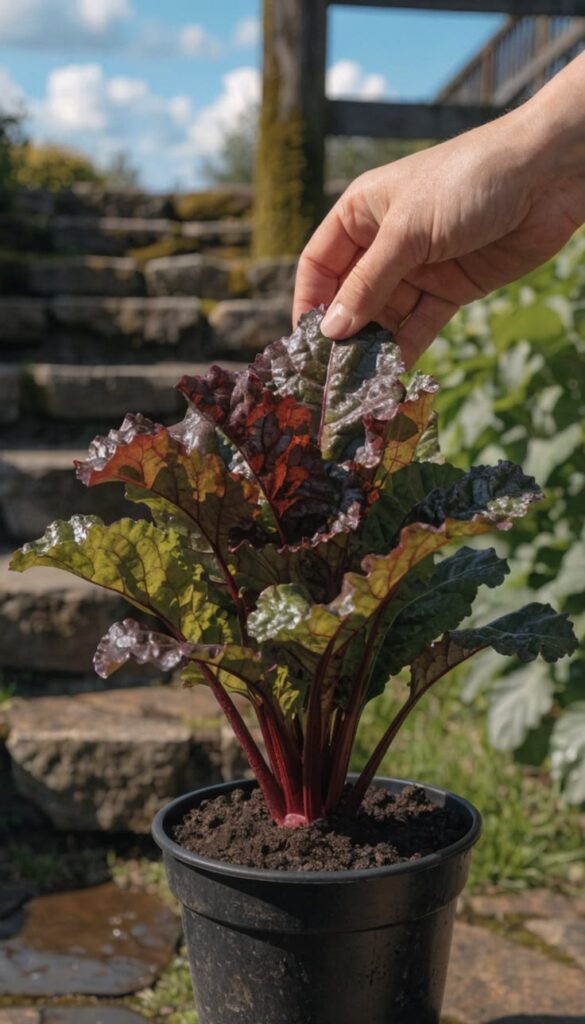
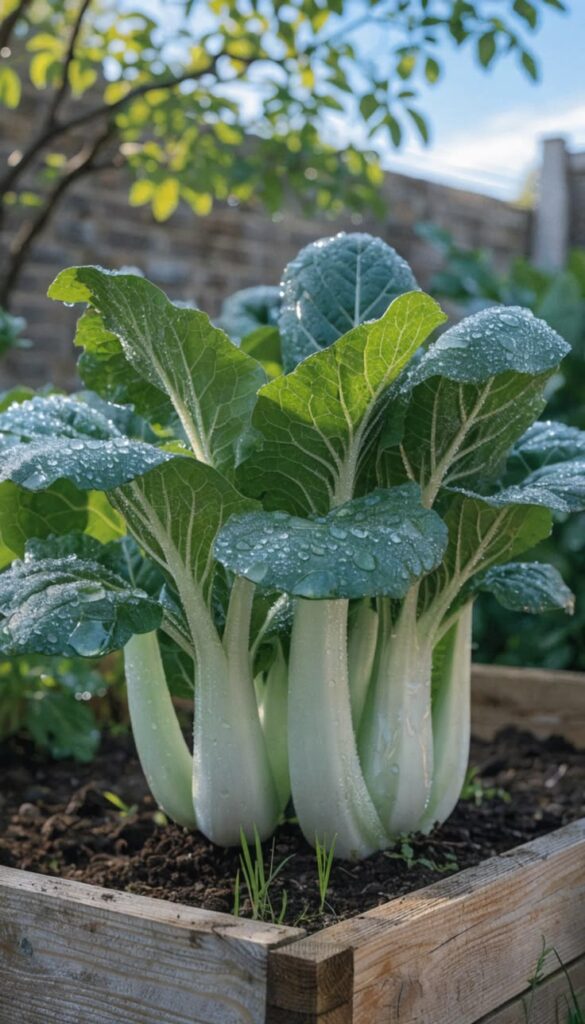
14. Bok Choy – Compact and Lightning Fast
Bok choy grows incredibly fast and stays compact, making it perfect for balcony gardens.
It thrives in cooler weather but tolerates mild warmth better than spinach. Keep soil consistently moist to prevent bolting.
Tip: Keep soil consistently moist.
Problem + Fix: If it bolts, temperatures are too warm — plant earlier.
You can harvest baby bok choy in as little as 30 days, or wait a bit longer for full heads.
It’s one of those vegetables that makes you feel like a “real” gardener because it looks impressive — but it’s honestly very easy.
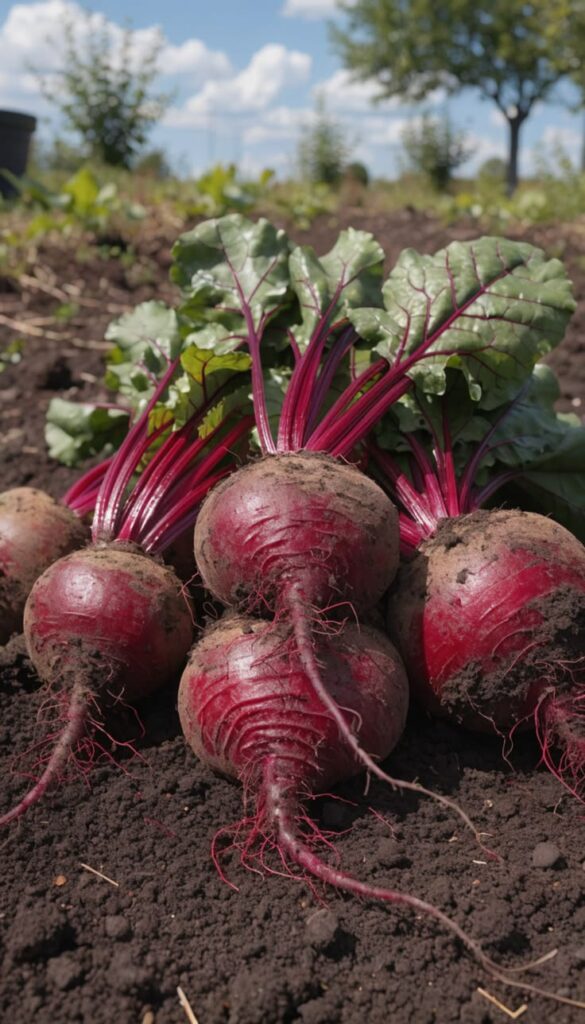
15. Beets – Roots and Greens in 50 Days
Beets mature in about 45–55 days, and like turnips, you get edible greens and roots.
They’re very forgiving in small raised beds. Just make sure the soil is loose and not compacted.
Tip: Harvest greens early while roots mature.
Problem + Fix: If roots are small, thin seedlings more.
The greens can be harvested earlier, even before the roots fully mature — which makes this crop feel extra productive.
Cost-wise, beets are extremely economical. A single packet of seeds goes a long way.
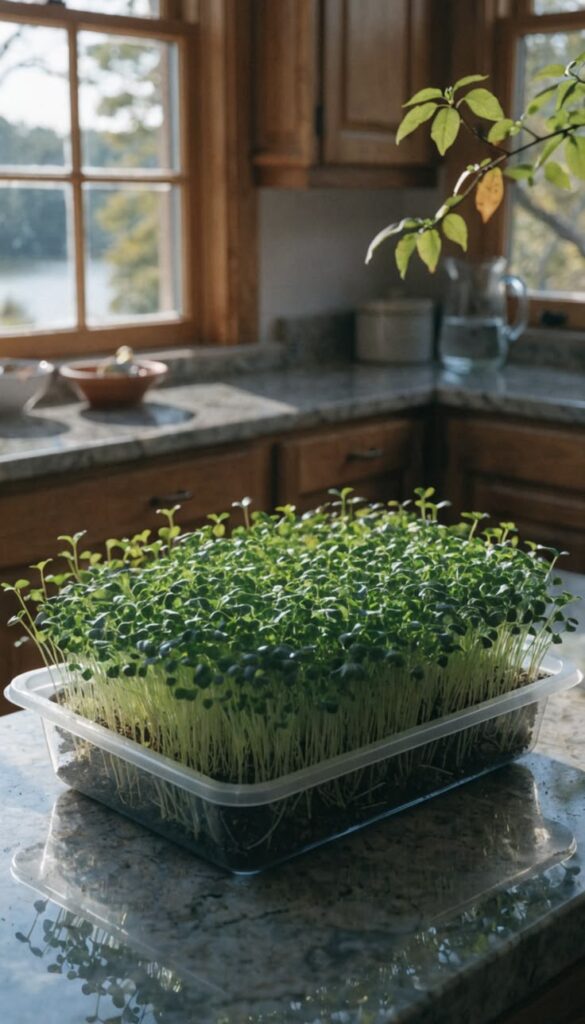
16. Microgreens – Harvest in 10–21 Days
Okay — these technically mature even faster than 30 days.
Microgreens (like radish, broccoli, sunflower) are harvested at the seedling stage and ready in 10–21 days.
If you’re working with limited outdoor space or extreme weather, this is the ultimate fast-result solution. All you need is a shallow tray, potting mix, and sunlight.
Tip: Use shallow trays with good drainage.
Problem + Fix: If mold appears, reduce watering and increase airflow.
This is also a fantastic bridge if you’re experimenting with propagation techniques like we covered in our Plants from Cuttings Guide — it builds quick growing confidence.
Mistake to avoid: Overwatering. They need moisture, not soggy soil.
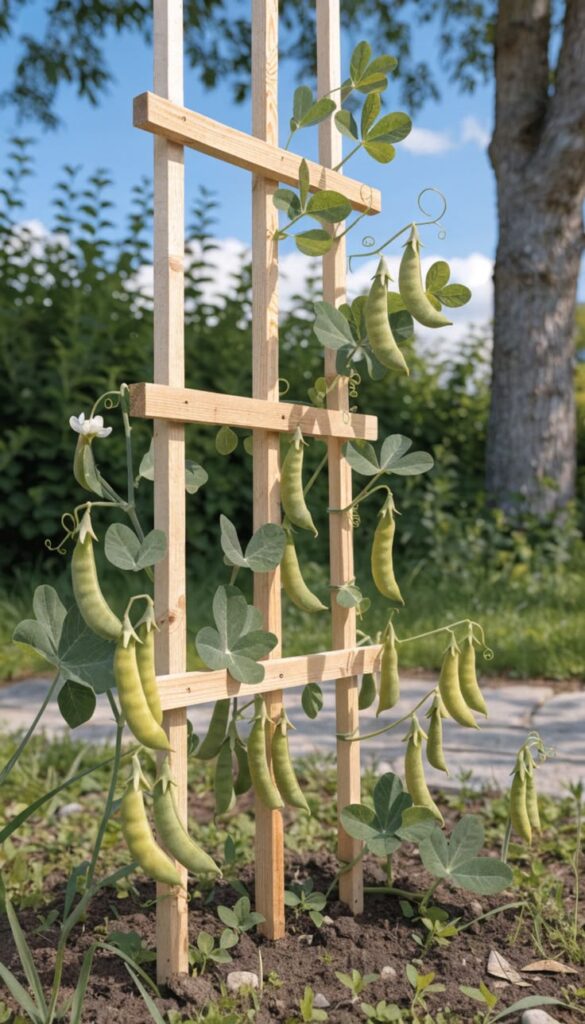
17. Peas (Snow or Snap) – Quick Cool-Season Climber
Snow peas and snap peas grow quickly in cool seasons and can be harvested in about 55–60 days.
They’re ideal for small yards because they grow upward. A simple trellis attached to a fence or wall saves valuable ground space.
Tip: Grow upward using supports.
Problem + Fix: If pods are few, harvest more often to encourage growth.
If you’ve explored space-saving yard ideas like vertical fencing from our Modern Fence Design post, peas are a natural edible addition.
Harvest regularly to encourage more pods.
18. Baby Potatoes – Small Harvest, Big Reward
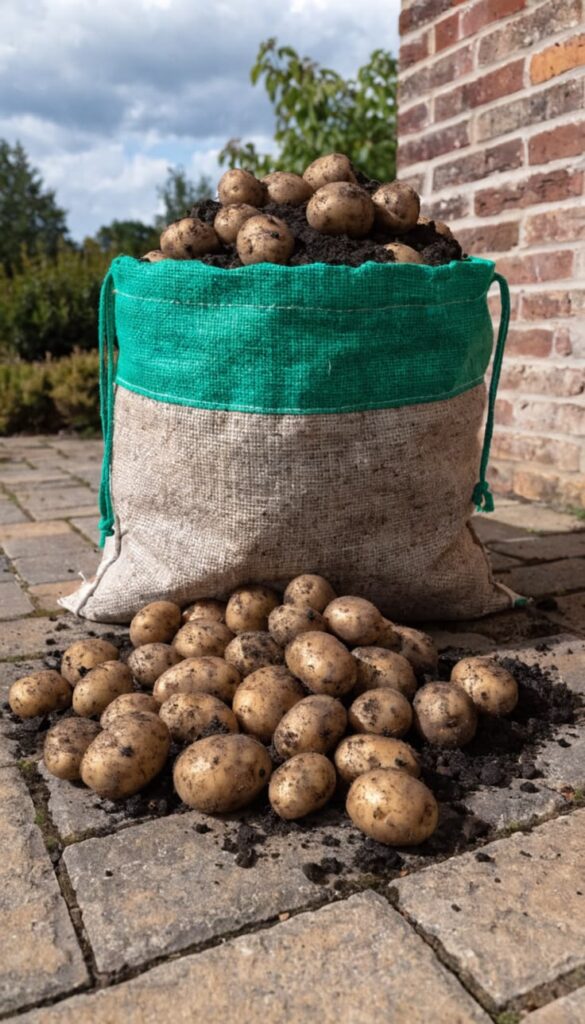
Early potato varieties can produce baby potatoes in around 60 days.
They grow surprisingly well in grow bags or deep containers — perfect for patios.
You “hill” soil around stems as they grow, which increases production.
Tip: Use grow bags or deep containers.
Problem + Fix: If yield is low, you didn’t “hill” soil enough.
It’s incredibly satisfying to dig into a container and find fresh potatoes hiding underneath.
Mistake to avoid: Waterlogging. Good drainage is essential.
19. Collard Greens – Heat-Tough & Reliable
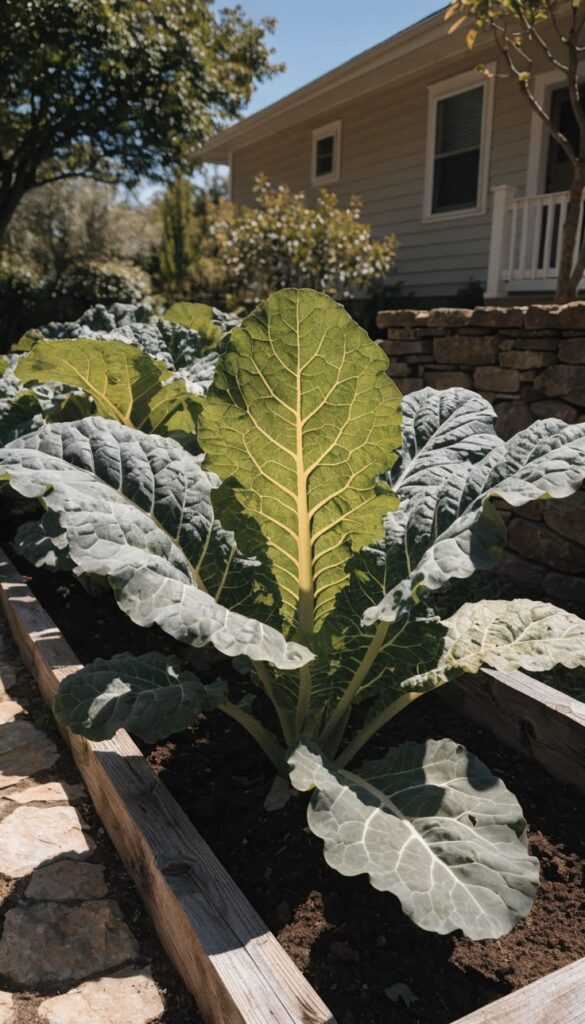
Collard greens mature in about 50–60 days and are extremely resilient.
They tolerate heat better than many leafy greens, which is helpful in warmer climates.
Tip: Harvest outer leaves regularly.
Problem + Fix: If growth slows, add compost.
Harvest outer leaves regularly and they’ll continue producing.
They require minimal maintenance once established.
20. Summer Squash – Fast & Productive
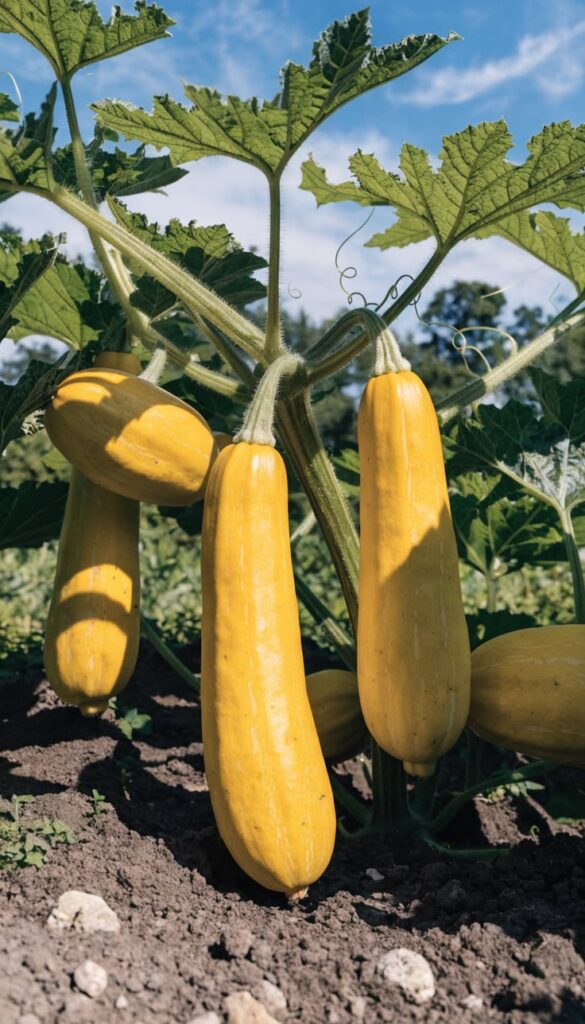
Like zucchini, summer squash matures in 45–55 days.
It needs space, but one plant produces generously.
Tip: Harvest young for best taste.
Problem + Fix: If fruit rots early, check watering consistency.
Harvest young for best texture and flavor.
Full sun and consistent watering are key.
21. Tatsoi – The Underrated Fast Green
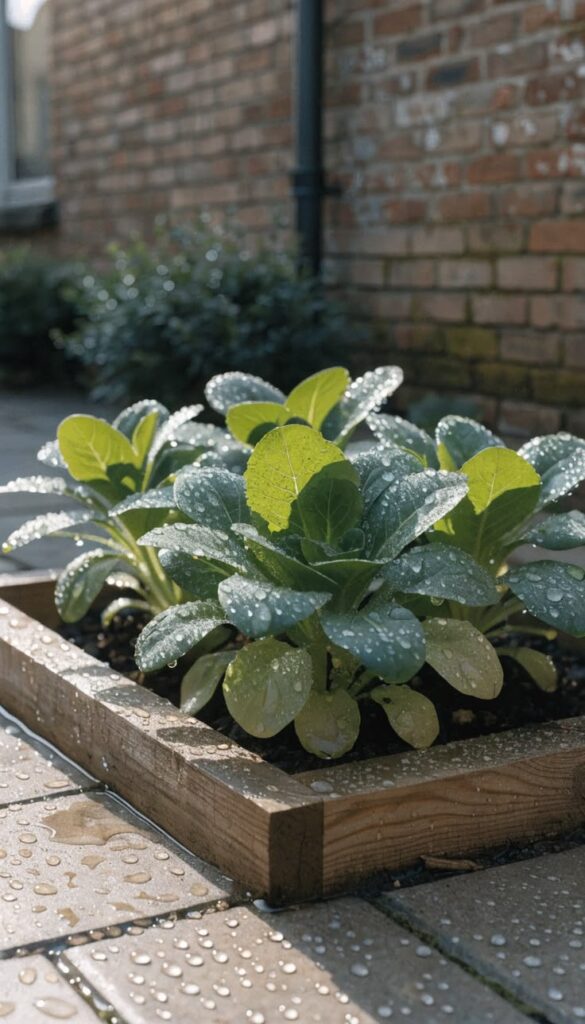
Tatsoi is similar to spinach but more tolerant of temperature swings.
It grows in compact rosettes, making it ideal for tight spaces and containers.
Harvest outer leaves or cut whole heads.
Tip: Grow in compact spaces or containers.
Problem + Fix: If growth slows, check sunlight exposure.
It’s one of those lesser-known greens that quietly outperforms expectations.
🌿 Practical Summary: What to Plant First
If you want the fastest wins → Radishes, arugula, microgreens
If you want continuous harvest → Lettuce, kale, chard, collards
If you want high yields → Zucchini, bush beans, summer squash
If you have tiny space → Green onions, bok choy, tatsoi, carrots
The secret isn’t just planting fast growers. It’s planting in succession every 2–3 weeks so you always have something ready to harvest.
My Exact 30-Day Planting Plan for Continuous Harvest
Here’s what actually worked for me:
Week 1:
Plant radishes, lettuce, arugula
Week 2:
Add spinach, green onions, microgreens
Week 3:
Plant bush beans, carrots, beets
Week 4:
Add zucchini, cucumbers, chard
👉 Then repeat cycle every 2–3 weeks.
This way, instead of one big harvest, you get continuous food every week.
If you’re designing your layout, even adding structure like a small garden pond nearby or organizing beds around cozy patio lighting can make the space more usable and enjoyable at night.
❓ FAQs
1. What vegetable grows fastest from seed?
Radishes and microgreens are typically the fastest.
2. How do I speed up vegetable growth?
Use compost-rich soil, consistent watering, and choose varieties labeled “early” or “fast-maturing.”
3. Can I grow these in partial shade?
Leafy greens tolerate partial shade. Fruiting vegetables need more sun.
4. Are fast-growing vegetables less nutritious?
No — many leafy greens are extremely nutrient-dense.
5. How often should I water?
Most prefer evenly moist soil. Containers dry out faster than ground beds.
⚠ Common Mistakes to Avoid
- Planting all seeds at once (no staggered harvest)
- Ignoring soil quality
- Not thinning seedlings
- Waiting too long to harvest
- Overwatering containers
🌱 Is This Right for Your Backyard?
If you’re craving quick results, fresh meals, and a more self-sufficient lifestyle — fast-growing vegetables are 100% worth it.
They’re perfect for small backyards, patios, and even balconies. They’re budget-conscious, beginner-friendly, and give you fast confidence boosts.
Start with 3–4 varieties. Keep it simple. Harvest early and often.
And before you know it, you’ll be planning your next planting cycle instead of waiting months for results. 🌿

Aagam – Founder of SpruceTouch
Hi, I’m Aagam — the creator behind SpruceTouch. I’m a home and garden enthusiast who shares practical ideas for backyard design, garden projects, patio decor, and small outdoor spaces. Through SpruceTouch, I focus on simple and budget-friendly ways to improve outdoor living spaces.