
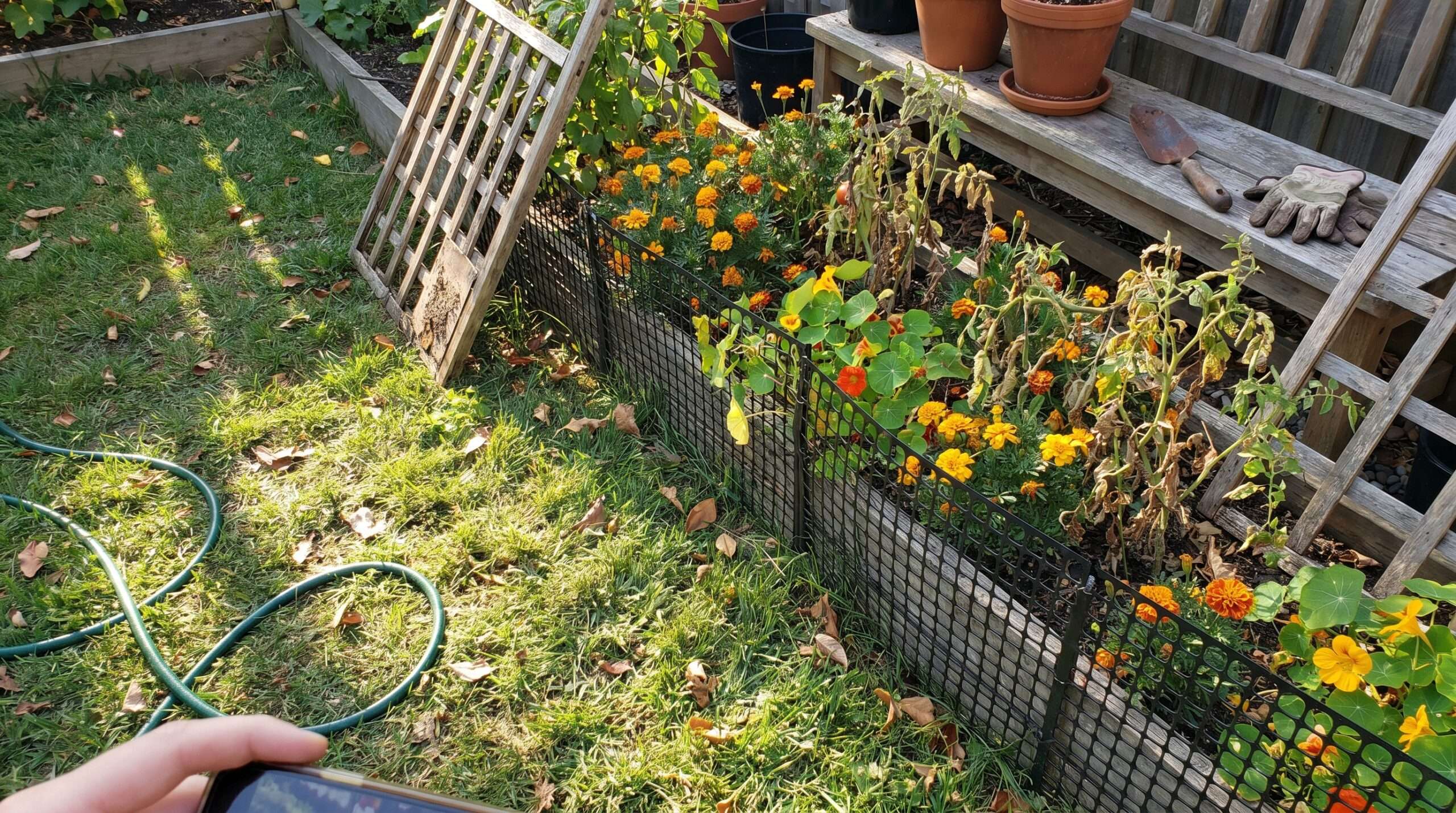
Deer-Proofing Your Garden: What actually works in US suburban areas.
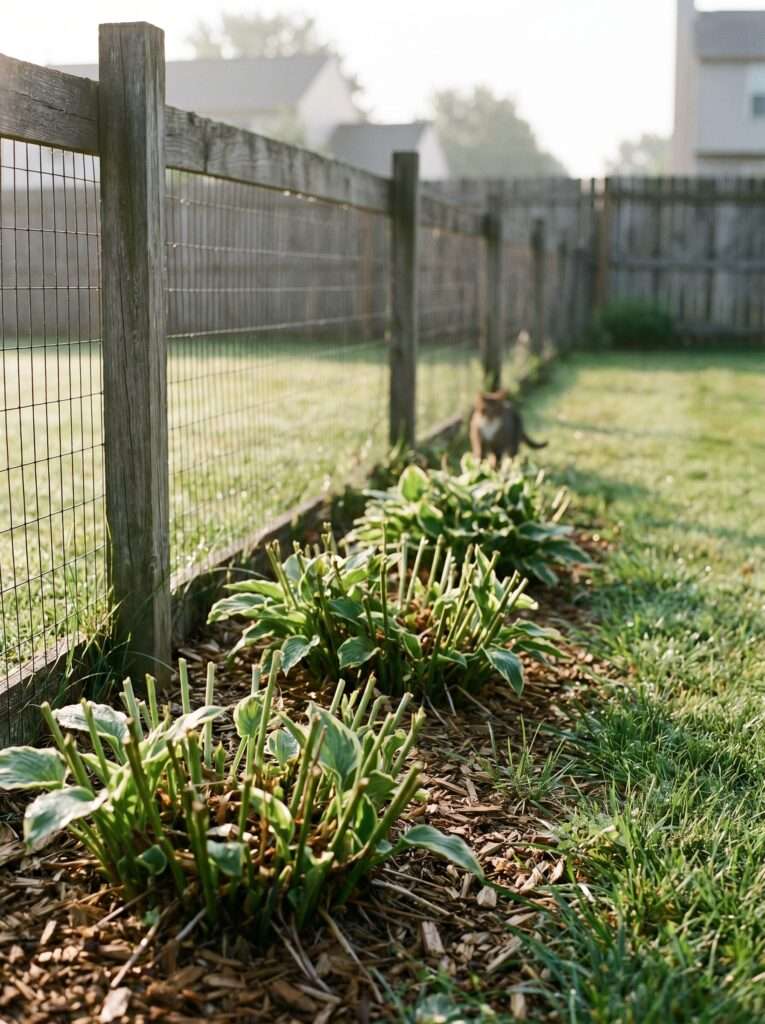
You walk out to your porch with a fresh cup of coffee, looking forward to checking on the hostas you planted last weekend.
Instead, you find a row of jagged, naked green stalks sticking out of the mulch.
Your expensive new plants look like they went through a paper shredder.
Most internet advice tells you to spray some cayenne pepper water or hang bars of Irish Spring soap from your trees.
I tried the soap trick about twelve years ago in my suburban backyard, and the deer literally licked the tallow right off the bars.
It was a total mess, and my hydrangeas got eaten anyway.
The truth is, most online deer-proofing guides are written by people who have never actually faced a hungry herd of white-tailed deer in late June.
They copy and paste the same textbook lists without understanding how suburban deer actually think.
But here’s where it gets tricky: deer aren’t stupid, and they learn your tricks faster than you think.
If you want to save your yard this season without spending thousands on commercial fencing, you need to understand their patterns.
Let’s talk about what actually works when you’re dealing with real suburban deer pressure.
Signs You Are Doing It All Wrong
You might think you’re protecting your yard, but you could actually be inviting them in for a buffet.
One major red flag is relying entirely on a single repellent spray month after month.
Deer adapt to smells quickly, especially if it’s the only thing they encounter on their nightly walk.
Another bad sign is planting so-called “deer-resistant” varieties right next to their favorite treats.
If you put a fuzzy lamb’s ear directly beside a juicy rose bush, the deer will still come for the rose and likely stomp the lamb’s ear to pieces while they’re at it.
You’re also making a mistake if you only treat the plants at eye level.
Suburban deer will happily bend down or reach up high, stripping your young trees completely bare of their lower canopies.
If you notice your neighbors’ yards are untouched while yours looks like a battleground, it’s not bad luck.
It usually means your garden layout offers a safe, private dining space away from streetlights and barking dogs.
The Real Root Cause of Your Deer Problem
To stop them, you have to understand why suburban neighborhoods have become paradise for herds.
Suburban developments create what ecologists call “edge habitats.”
It’s the perfect mix of wooded cover where they can hide and open, manicured lawns filled with high-nitrogen fertilizers.
Your lawn is basically a giant, nutrient-dense salad bar that doesn’t exist in the wild forest.
Forest soil is often depleted, and wild plants are tough, fibrous, and full of natural bitter tannins.
Your backyard plants are soft, heavily watered, and packed with sweet sugars.
Can you really blame them for skipping the woods to eat your expensive perennials?
They also follow highly predictable physical paths through neighborhoods.
A deer won’t willingly jump into a tight, cluttered space if they feel trapped or can’t see a clear exit route.
If your yard provides an open, straight runway from the nearby woods, you’ve essentially built a deer highway right to your flower beds.
Common Confusion and Internet Myths
The biggest myth out there is the concept of a completely “deer-proof” plant.
Let’s be brutally honest here: if a deer is hungry enough, it will eat absolutely anything, including prickles and thorns.
I’ve watched a doe calmly chew through a thorny berry bush during a dry July when there was nothing else to eat.
Another massive point of confusion is the difference between scare tactics and actual physical barriers.
Those plastic owls and shiny pie pans might work for three days.
After that, the deer realize the owl hasn’t moved an inch, and they will literally sleep right next to it.
People also confuse motion-activated sprinklers with a permanent solution.
They work great until the batteries die or your local water pressure drops, leaving your garden completely defenseless.
The internet also oversimplifies how repellents work by telling you to spray once a month.
In reality, if it rains for ten minutes, or if your sprinklers run on a timer, your expensive commercial spray is sitting in the dirt, not on the leaves.
What Actually Works in Real Suburban Gardens
The fix is actually simpler than you think, but it requires consistency instead of magic fixes.
First, you need to break their visual field.
Deer have incredible peripheral vision, but their depth perception is surprisingly poor.
If they can’t see where they are going to land on the other side of a structure, they usually won’t risk the jump.
This is why a simple, inexpensive structural barrier can often outperform a massive fence.
Instead of building a giant wood wall, you can use strategic groupings of tall, heavily scented herbs like rosemary or lavender along your perimeter.
The strong volatile oils confuse their noses, making it incredibly hard for them to smell the sweet treats hiding behind them.
I learned this the hard way after losing a whole patch of tomatoes to a mother and her twin fawns.
Now, I mix up my garden textures so there’s no clear, comfortable path for them to walk through.
You can also use fishing line tricks for small, high-value beds.
Stringing a heavy-duty, 30-pound monofilament line at about two feet and four feet high around a bed creates an invisible barrier.
When the deer walk into it, they feel an unexpected pressure they can’t see, which freaks them out enough to make them turn around.
It costs next to nothing and keeps your front yard looking like a normal suburban home instead of a prison yard.
The Step-by-Step Suburban Defense Setup
Let’s set up a reliable defense system that you can actually build in an afternoon.
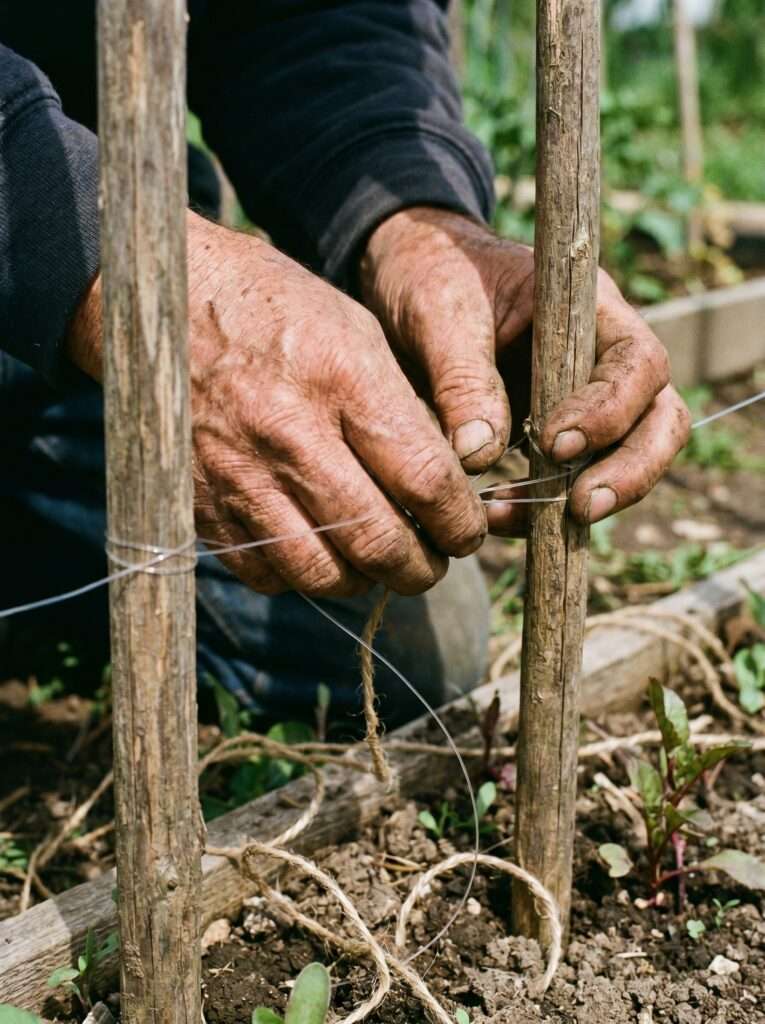
Get yourself some sturdy eight-foot green metal T-posts and a roll of black polypropylene deer fencing.
Drive the posts into the ground at ten-foot intervals around your highest-value vegetable or flower beds.
Zip-tie the black mesh tightly to the posts, making sure to leave about six inches of extra mesh at the bottom.
Pin that extra bottom mesh flat to the dirt using metal landscape staples.
This stops them from simply lifting the bottom with their noses and crawling underneath, which they love to do.
Because the mesh is black and thin, it completely disappears into the background landscape from a distance.
Your neighbors won’t even notice it’s there, but the deer certainly will when they try to nose their way into your yard.
How Deer Damage Changes Across Different Layouts
Your strategy needs to shift depending on exactly where and how you are growing your plants.
If you are dealing with raised beds, deer have an advantage because the plants are elevated right to their comfortable chewing height.
For these, you can’t just protect the perimeter; you need to build simple, removable wire cages that sit directly on top of the wooden frames.
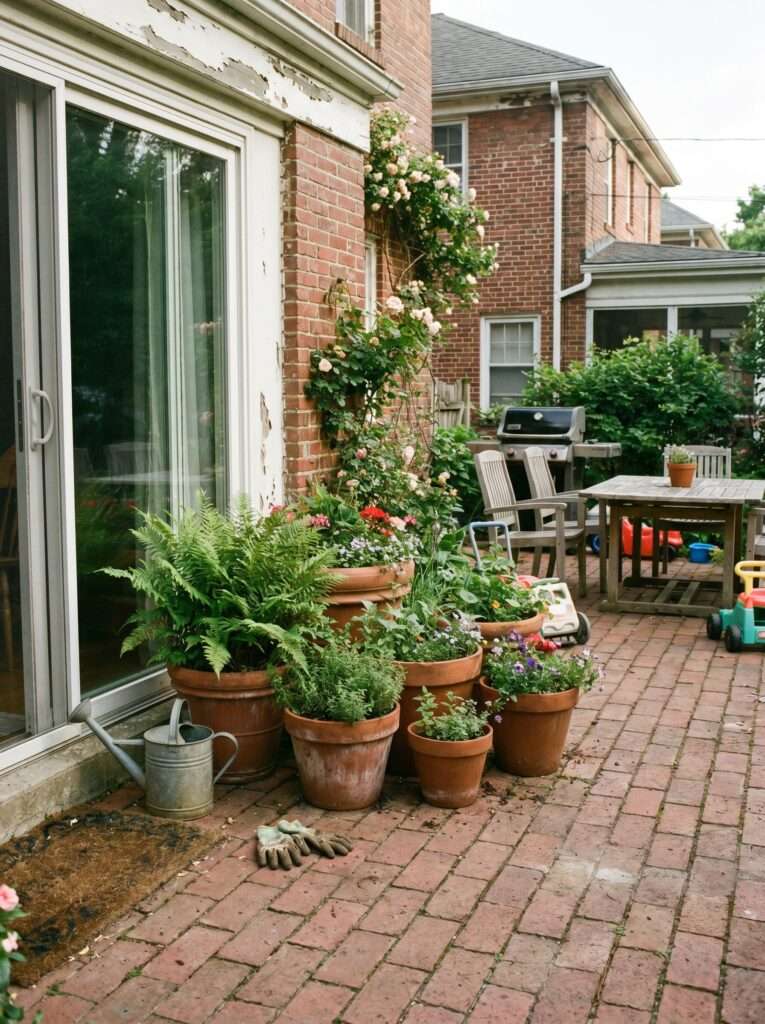
Containers on a patio require a completely different approach because deer are often bolder about walking onto hard surfaces if they smell something sweet.
For pots, your best bet is using systemic bittering agents or grouping the containers closely against your house wall where human scent lingers.
If you are trying some creative layout methods, like the ones in this guide on vertical gardening hacks for small spaces, you can actually use the height to your advantage.
Keeping your most vulnerable crops high up on a vertical wall makes it much harder for deer to reach them without awkwardly leaning over your structures.
But don’t get careless with your lower tiers, or they will still strip the bottom clean.
In open front yards, your options are limited by local HOA rules, meaning big fences are usually out of the question.
This is where you have to rely entirely on layering heavily textured, unpalatable plants around your borders to act as a natural moat.
Seasonal Deer Behavior You Need to Watch For
Deer behavior isn’t the same in May as it is in November, and your tactics have to adapt.
In the early spring, fresh green shoots are breaking through the soil, and deer are absolutely starved after a long winter.
This is when they are most destructive and least cautious about entering human spaces.
By mid-summer, the heat settles in, and wild food sources in the woods start to dry up and turn brown.
They will start eyeing your heavily watered, lush green lawn as the only green spot left in the neighborhood.
If you’re already planning your autumn landscape by buying your tulip and lily bulbs early in June, you need to plan their protection simultaneously.
Those fresh fall bulbs are like candy to deer and rodents when the ground starts to cool down.
When winter hits, their metabolism drops, but their desperation sky-rockets.
They will resort to stripping the bark right off your young trees, which can kill a mature tree in a single season by cutting off its nutrient flow.
Always wrap tree trunks with simple plastic guards before the first hard frost hits your area.
Real Mistakes I Made in My Own Yard
I’ve made every single dumb mistake you can think of over the last two decades.
When I first started out, I spent forty dollars on a giant bottle of predator urine capsules because an online forum said it worked wonders.
The only thing it did was make my entire back porch smell like a wet zoo for three weeks straight, while the deer still ate my lilies.
Another time, I got lazy with my spray schedule during a rainy week in July.
I figured the deer wouldn’t want to walk around in a heavy downpour anyway.
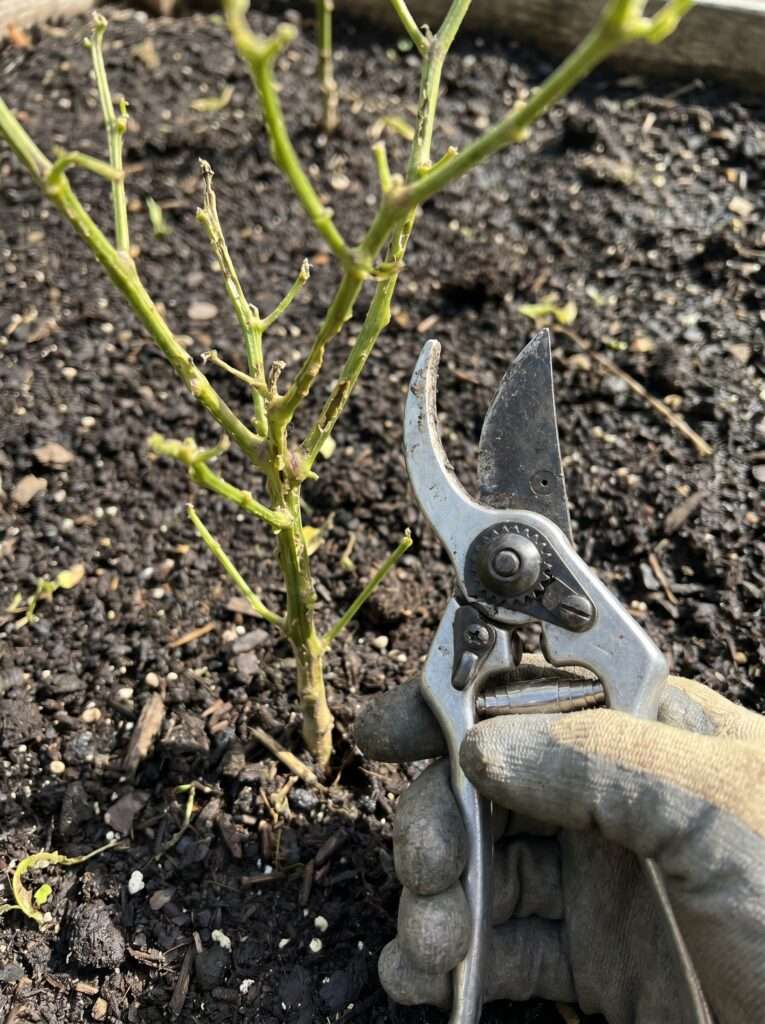
I woke up the next morning to find my prize-winning pepper plants completely defoliated.
I also tried the cheap bird netting once because it was on sale at the local hardware store.
It was way too thin, and a buck got his antlers completely tangled in it, tearing down half my trellis while trying to break free.
It was stressful for the animal, frustrating for me, and a total nightmare to clean up.
Now, I stick to heavy-duty materials that don’t cause those kinds of chaotic accidents.
A Simple, Budget-Friendly Setup for Beginners
You don’t need to spend a fortune to keep your yard intact this summer.
Here is a quick, practical shopping list with real US prices to get you started without breaking the bank.
- Black Polypropylene Fencing (7ft x 100ft): $35 – $45 at most home improvement centers.
- Green Metal T-Posts (8-foot length, pack of 5): $25 – $30.
- Heavy-Duty Zip Ties (100 pack): $6 – $8.
- Putrescent Egg-Based Repellent Concentrate (32 oz): $22 – $28.
- 30lb Monofilament Fishing Line (Big spool): $8 – $12.
If you are trying to balance your garden budget with overall outdoor improvements, checking out tips on a budget landscaping front yard makeover can help you allocate funds properly between looks and actual protection.
Spend your money on physical barriers first; sprays should always be your secondary line of defense.
FAQ
No, it doesn’t work for long. Suburban deer are totally used to human smells because they live right next to us. They might sniff it once and walk right past it.
They can jump an eight-foot fence if they are panicked or being chased by a dog. However, in a normal neighborhood, they rarely jump anything over six feet unless they can clearly see a delicious food source on the other side.
Not really. Some people claim the strong smell deters them, but in my experience, they don’t care at all. It does make great compost for your soil, though.
Most commercial sprays taste terrible and are not labeled for edible crops. Only use them around the perimeter of your vegetable beds, never directly on the leaves you plan to eat.
Only if your dog lives outside full-time. Deer watch our schedules. If your dog goes inside at night, the herd will wait exactly ten minutes before walking right into your yard.
Surprisingly, yes. Weak or dying plants often release stress signals that can attract pests, though if you’re dealing with water issues, focusing on identifying root rot recovery steps is a much bigger priority for saving the plant than worrying about deer.
Keeping Your Garden Safe Without the Stress
At the end of the day, deer-proofing isn’t about achieving absolute perfection.
It’s about making your yard just a little bit more annoying to access than your neighbor’s yard down the street.
Once you set up a basic physical barrier and stop relying on internet myths, you’ll stop worrying every time the sun goes down.
Even if you have a busy schedule, like the folks trying to figure out keeping office plants alive on a busy schedule, a solid weekend setup will keep your yard protected automatically.
Take a deep breath, get some proper stakes, and protect your hard work before tonight’s herd shows up.
Most advice in this article comes from years of hands-on gardening experience and trial-and-error in real home gardens. Results can vary depending on climate, local deer population density, and specific growing conditions.

Aagam – Founder of SpruceTouch
Hi, I’m Aagam — the creator behind SpruceTouch. I’m a home and garden enthusiast who shares practical ideas for backyard design, garden projects, patio decor, and small outdoor spaces. Through SpruceTouch, I focus on simple and budget-friendly ways to improve outdoor living spaces.