Genius Ways to Keep Office Plants Alive (Even If You Work 60 Hours a Week)
Walk into almost any corporate office or home workspace in the US, and you will likely spot a sad, crunchy brown plant tucked away in a corner. It usually starts with high hopes. You buy a lush, gorgeous tropical plant over the weekend, place it proudly on your desk on Monday morning, and by month three, it looks like a prop from a post-apocalyptic movie.
I have spent over fifteen years testing hundreds of plant varieties in all kinds of indoor environments, including windowless cubicles, drafts from harsh commercial AC units, and offices that go completely dark and abandoned over long holiday weekends. I used to think I just lacked a green thumb for indoor spaces, wasting hundreds of dollars replacing delicate ferns and finicky calatheas that died the moment I looked at them wrong.
The breakthrough came when I stopped treating office spaces like greenhouses and started treating them like indoor deserts. Offices are dry, poorly lit, and experience wildly inconsistent temperatures. Once I shifted my strategy to plants with thick, water-storing leaves and low metabolic rates, everything changed.
A few of these ideas honestly worked much better than I expected, surviving weeks of pure neglect while still looking incredibly sharp on a modern desk.
Quick Picks (Top 5)
- Best for Pitch-Black Corners: The ZZ Plant (grows in almost total darkness).
- Most Tolerant of Overwatering: The Cast Iron Plant (takes a beating and keeps going).
- Best Air-Purifier for Small Desks: The Snake Plant (takes up very little horizontal space).
- Fastest Growing with Low Light: The Pothos (creates beautiful trails quickly).
- Best for Forgetful Waterers: The Jade Plant (thick leaves hold water for weeks).
The Unstoppable Snake Plant
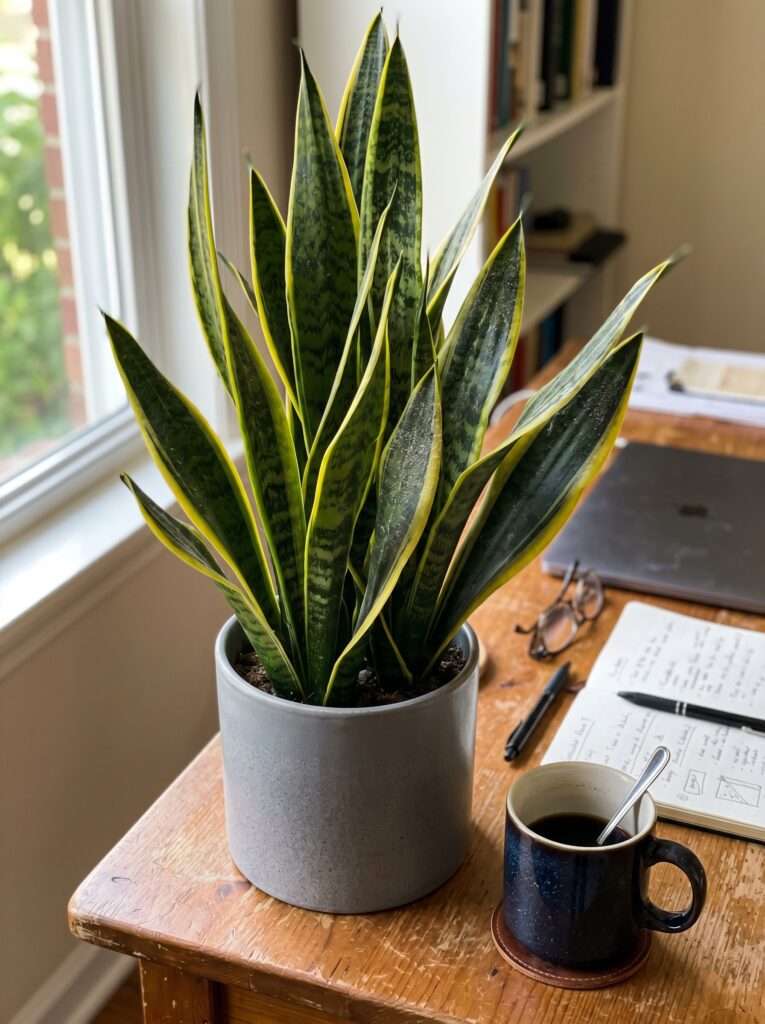
This is the ultimate corporate survivor. I have placed these in windowless conference rooms where the only illumination comes from harsh fluorescent bulbs, and they just refuse to quit. The secret lies in their stiff, vertical leaves which store moisture beautifully. They do not drop messy leaves all over your paperwork, which is a massive plus if you like a clean workspace.
But here’s the kicker: the biggest mistake you can make with a snake plant is showing it too much love. If you water it every week, the base will turn to mush and it will collapse. I leave mine completely dry for up to three or four weeks at a time, especially during the winter when office heating systems dry out the indoor air.
One thing most people ignore is the size of the pot. Keep them in a relatively snug container; they prefer their roots tight, which also prevents the soil from staying wet for too long. If your desk gets zero natural light, this is your safest starting point.
The Indestructible ZZ Plant
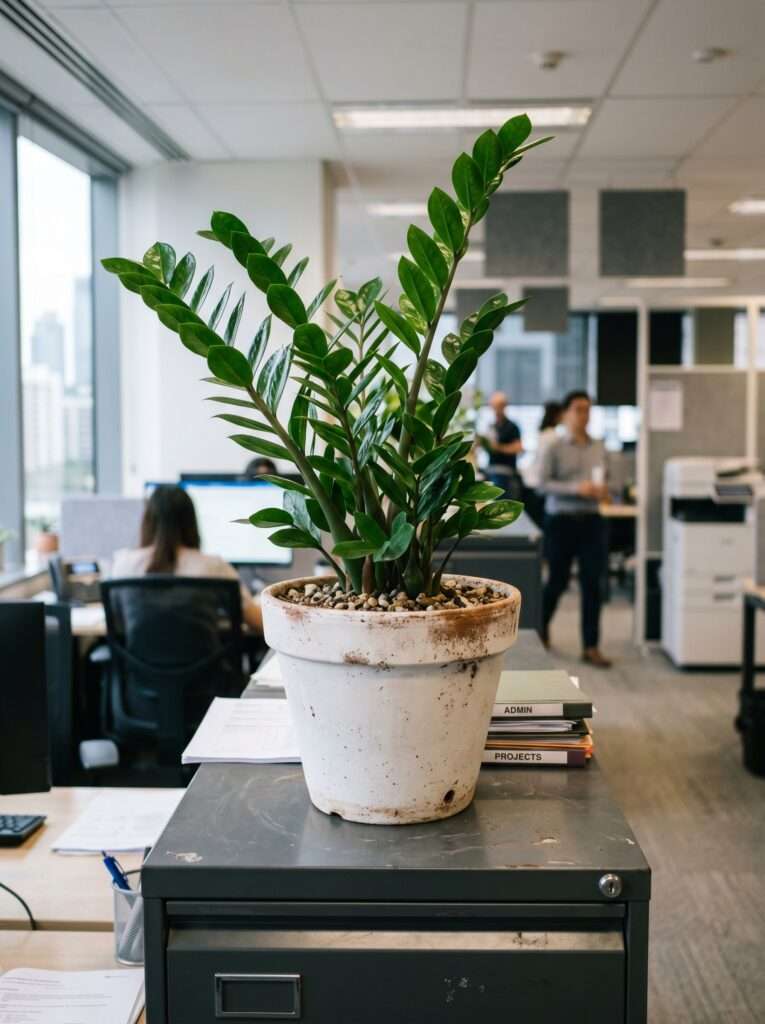
If you are notorious for completely forgetting that your plants are living things, meet the ZZ plant. Its glossy, deep green leaves look so perfect that people will constantly ask you if it is made of plastic. I once left a medium-sized ZZ plant in an empty office room for nearly six weeks without a single drop of water, and it didn’t lose its shine.
I learned this the hard way: do not place this plant in direct, burning sunlight next to a south-facing window. The intense heat will scorch those beautiful glossy leaves, turning them a pale, sickly yellow. It prefers indirect light or standard office ceiling lights.
It grows from thick, potato-like rhizomes hidden beneath the soil, which act as underground water tanks. You only need to pour a splash of water when the soil feels bone-dry all the way to the bottom of the pot.
The Trusty Golden Pothos
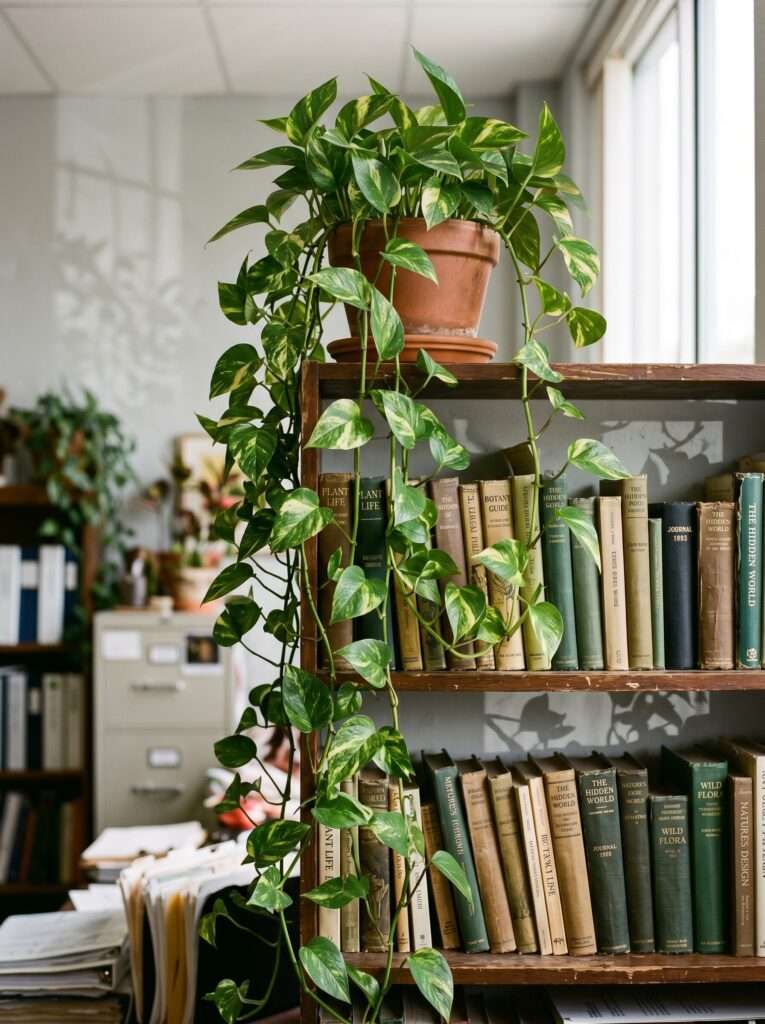
This is the classic trailing vine that you see cascading over bookshelves and cubicle walls across America. What I love most about the golden pothos is how clearly it communicates with you. When it needs water, the leaves droop noticeably and lose their crispness. Within an hour of giving it a good drink, it perks right back up like magic.
This worked better than expected when I wanted to hide ugly computer cables behind my desk. I set the pot on top of a hutch and let the vines trail downward, creating a natural green screen.
It handles low light well, though the beautiful yellow variegation might fade to solid green if it spends too much time in a dark corner. Try to clip the long vines occasionally to keep the plant bushy and prevent it from looking thin and leggy.
The Tough Cast Iron Plant
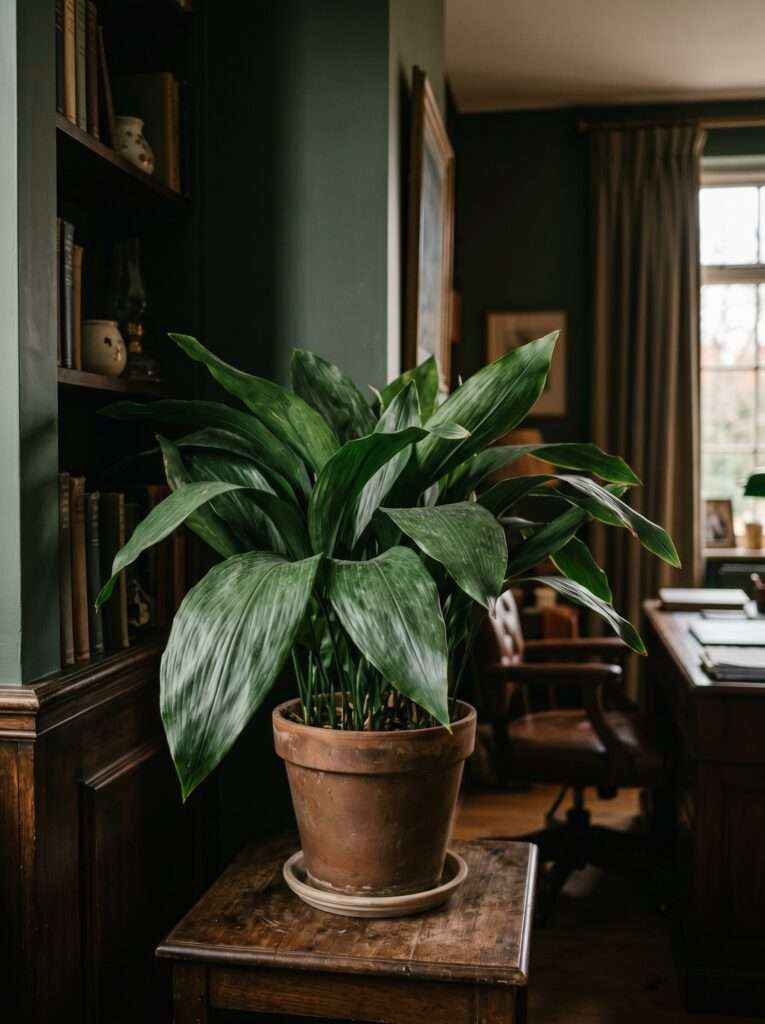
The name says it all. Historically favored in gloomy Victorian hallways, this plant is built to survive drafty office entryways, blasting air conditioning vents, and deep shade. It features wide, leathery dark green leaves that rise straight from the soil, giving it a classic, elegant architectural look.
One mistake to avoid is using cheap, heavy potting soil that doesn’t drain. Because the cast iron plant sits in low light, the water evaporates very slowly from the pot.
If the soil stays soggy for weeks, the roots will rot out from under it. Use a well-draining soil mix with plenty of perlite, and always make sure the pot has a drainage hole at the bottom.
The Low-Maintenance Jade Plant
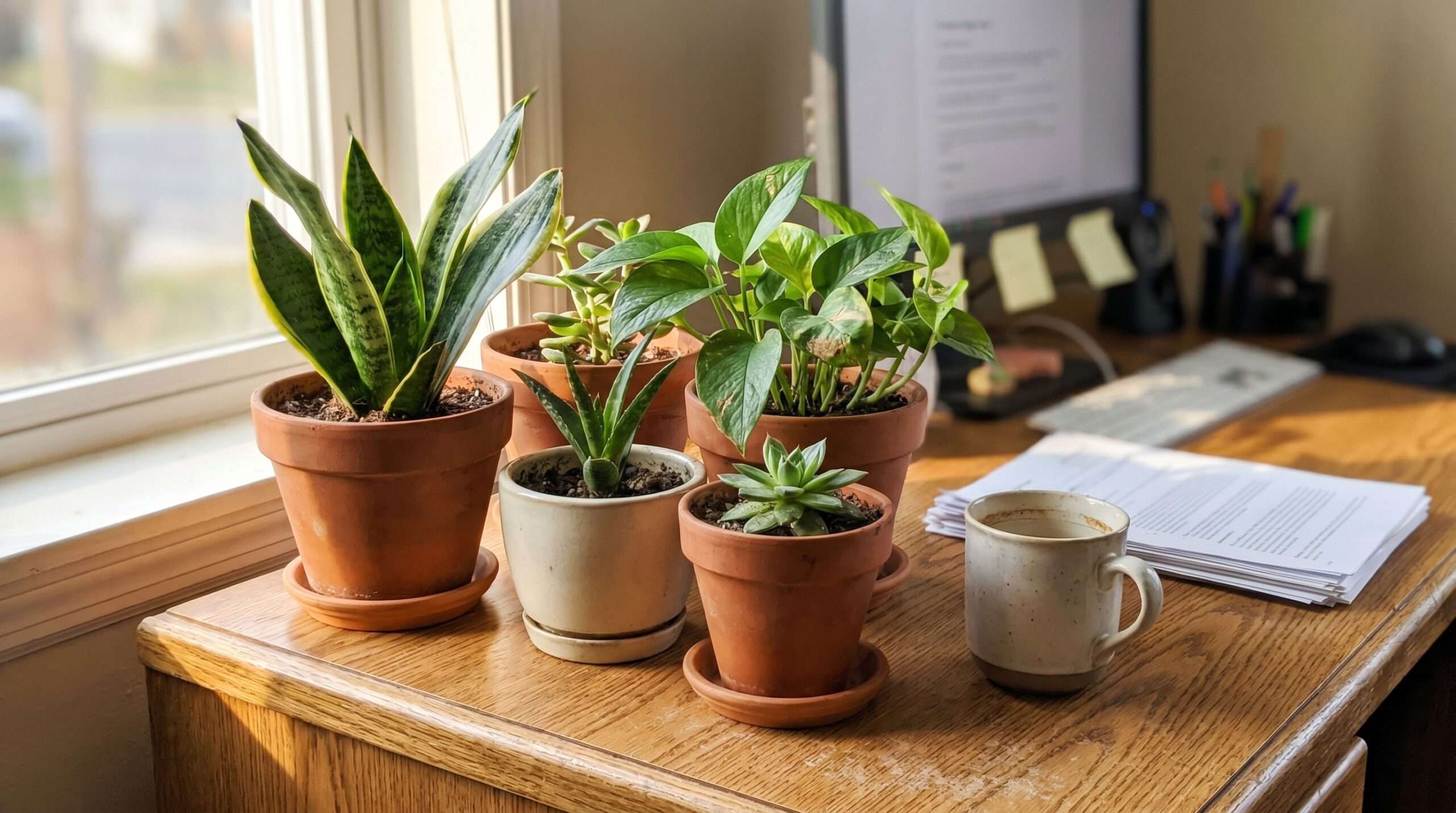
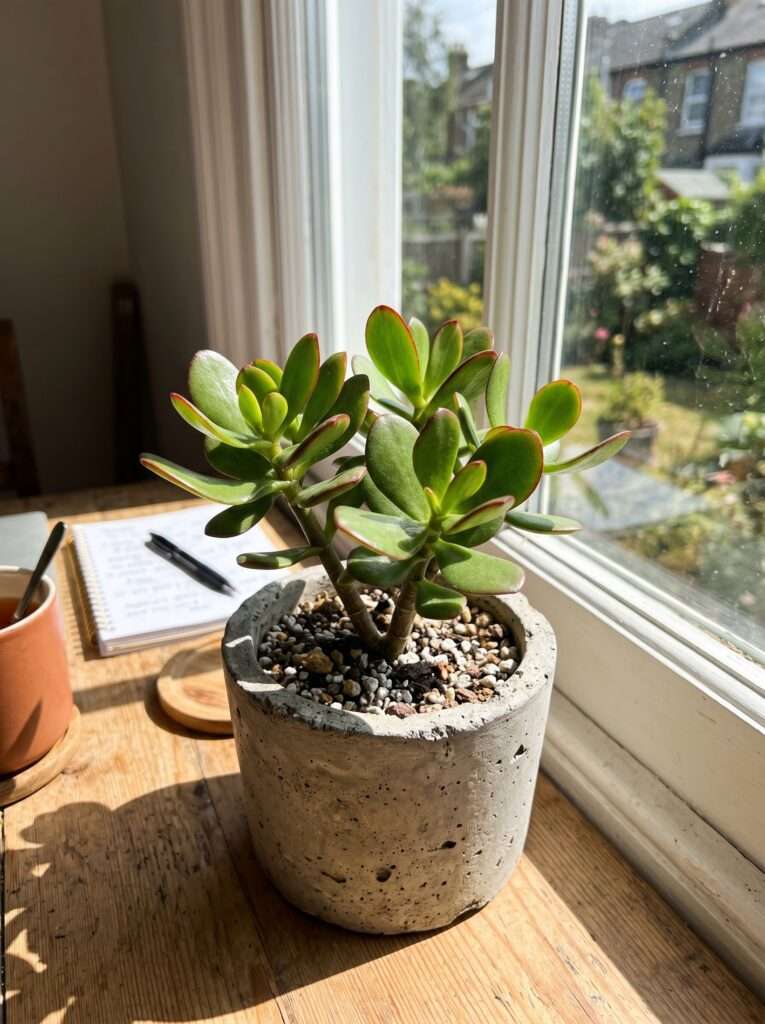
If your office desk sits right by a sunny window, many traditional low-light office plants will burn. That is where the jade plant shines. This is a compact, slow-growing succulent with plump, teardrop-shaped leaves that store moisture like a sponge.
The best part? It can sit in the hot sun all day long and won’t wilt. In fact, the tips of the leaves will often take on a beautiful reddish tint when exposed to bright sunlight.
Only water this one when the leaves feel slightly soft to the touch when you squeeze them gently. If they are firm and plump, the plant is completely fine and doesn’t need a drop.
Small Pro Tip
Before you buy any plant for your office, spend a few days observing where the light actually lands. A spot that seems bright at 9 AM might be in complete darkness by 2 PM. Matching your plant choice to the true light levels of your workspace saves a lot of frustration later on.
The Striking Red Aglaonema
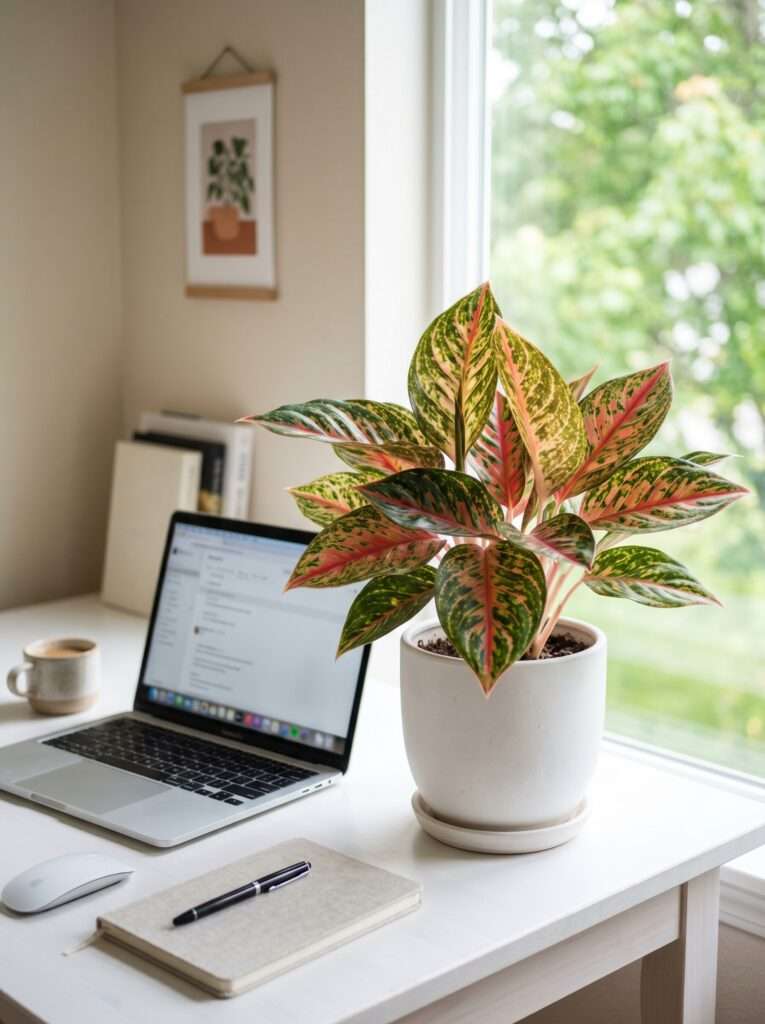
Most ultra-tough office plants are strictly green, which can get a bit boring after a while. If you want a splash of vibrant color on your desk, the red aglaonema (or Chinese evergreen) is an excellent choice. It features stunning patterned leaves splashed with bright pinks and deep reds.
What surprised me about this variety is its ability to maintain its bright colors even in medium to low light spaces. It handles dry office air surprisingly well without crisping at the edges.
Just keep it away from the direct blast of cold air from overhead vents, as sudden temperature drops can cause the stems to droop temporarily.
The Forgiving Spider Plant
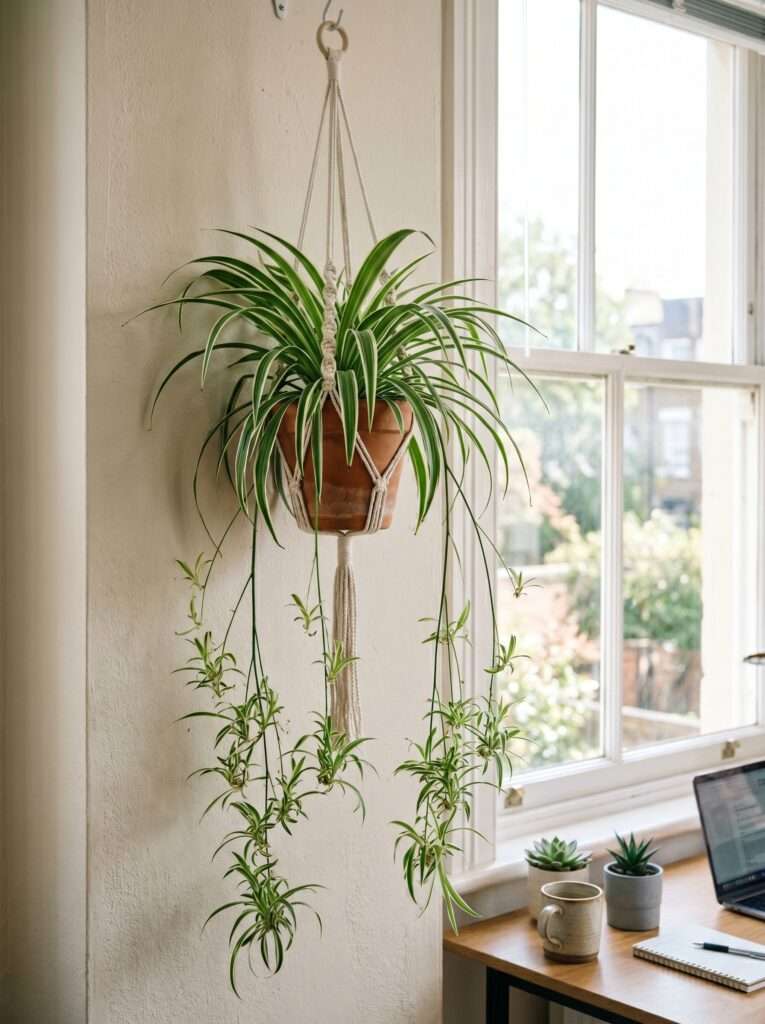
The spider plant is a classic favorite for good reason. It grows arching, ribbon-like leaves with clean white stripes running down the center. As it matures, it sends out long shoots that grow tiny baby plants at the ends, which look like little green spiders hanging through the air.
But wait, there’s a catch: if your office uses highly chlorinated tap water, the very tips of the spider plant leaves will turn black or brown.
It isn’t dying; it is just sensitive to the minerals in the water. I keep a reusable water bottle at my desk and let the tap water sit uncovered overnight before pouring it into the soil. This allows the chemicals to dissipate naturally.
The Minimalist Parlor Palm
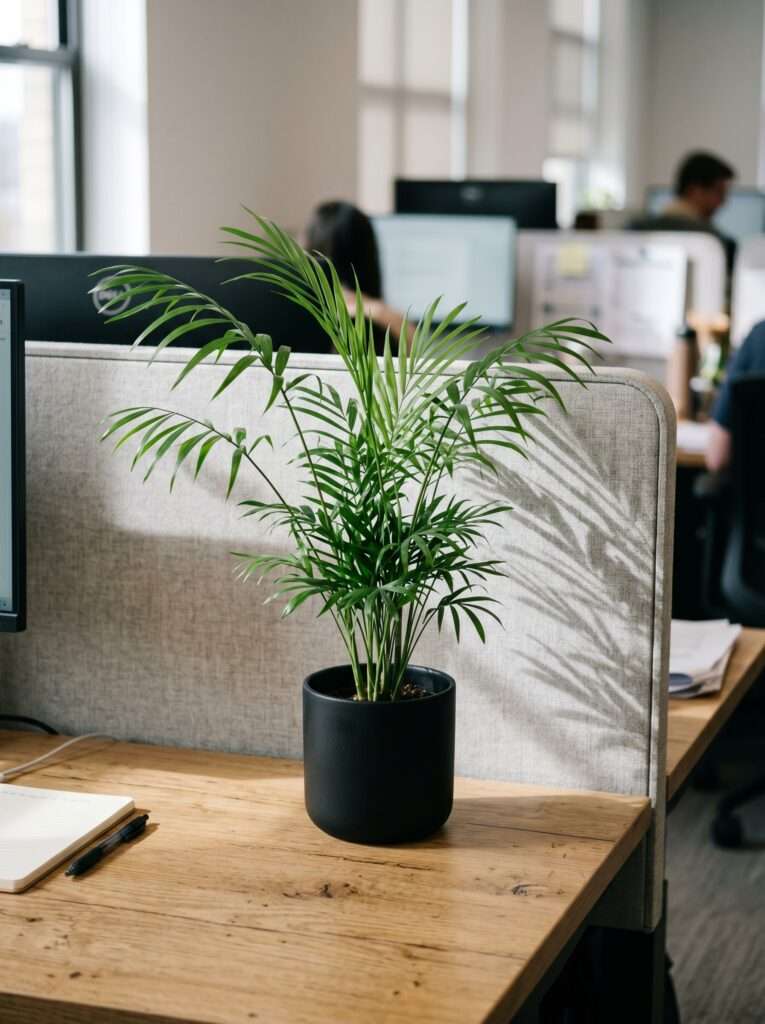
If you want to bring a bit of a tropical, vacation-like feel into a stark corporate cubicle, a parlor palm is your best bet. Unlike large, delicate majesty palms that collapse indoors, the parlor palm stays relatively small and handles low light beautifully.
I learned this the hard way: do not let this plant sit in standing water inside its decorative saucer. Because office air conditioning keeps rooms relatively cool, the soil takes longer to dry out.
If the roots sit in stagnant water for more than a few days, the bottom fronds will quickly turn yellow and drop off. Water it deeply, let the excess drain out completely in the office sink, and then place it back on your desk.
Common Mistake
Many office workers make the mistake of using standard mugs or decorative pots without drainage holes. Without a hole at the bottom, water pools at the base of the soil, rotting the roots. Always keep your plant in its plastic nursery liner pot, and simply drop that liner inside your favorite decorative container.
The Tough Aloe Vera
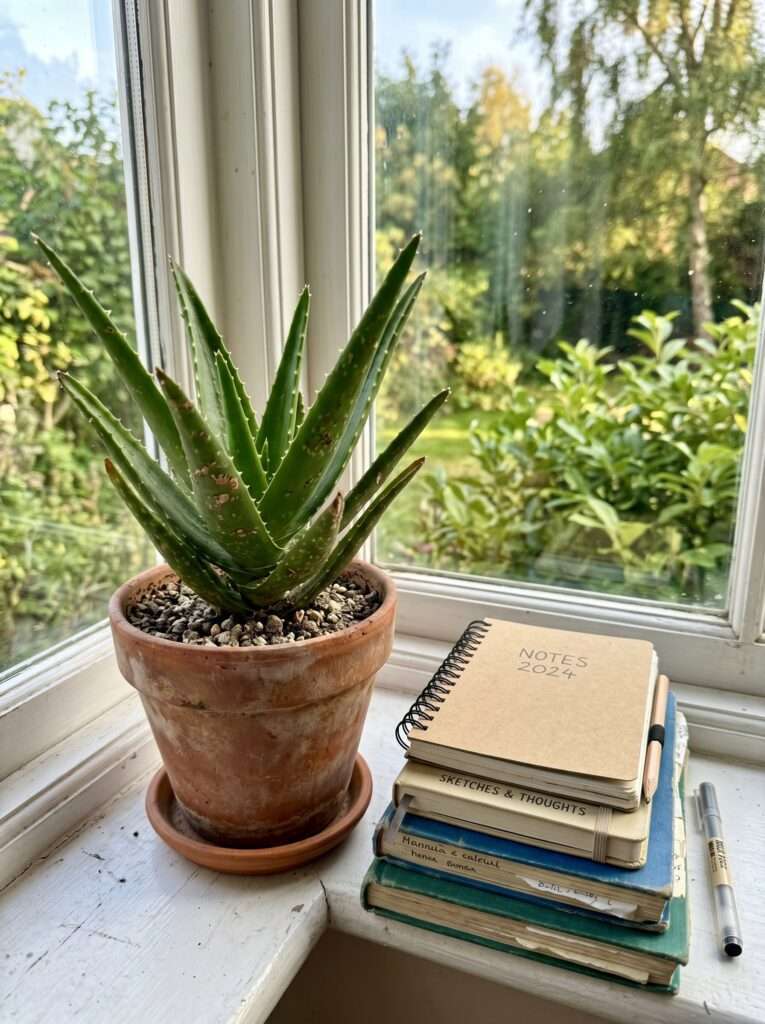
Aloe vera is a fantastic choice for window desks that get warm afternoon sun. Its thick, fleshy spears look clean and structural, blending beautifully with modern office aesthetics. Plus, it is incredibly handy to have around if you manage to get a minor burn or scrape at work.
This looked great online, but when I moved my aloe vera to a dark filing cabinet away from the window, it quickly stretched out, became skinny, and tipped over.
It absolutely needs a good source of bright light to maintain its compact, upright shape. If you have a sun-drenched office window sill, place it there and forget about it for weeks.
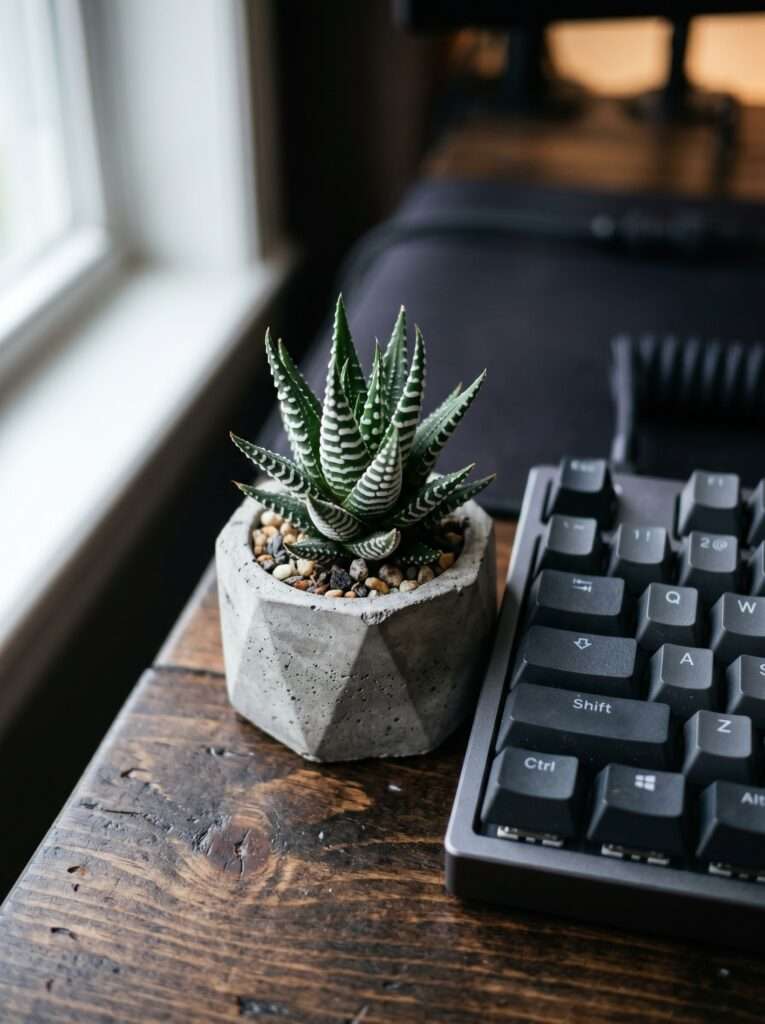
The Resilient Zebra Haworthia
If you have very little space on your desk but still want a bit of real nature next to your monitor, this tiny succulent is ideal. The zebra haworthia features dark green, rigid leaves covered in raised white stripes that look just like a zebra pattern.
It grows incredibly slowly, meaning it will never outgrow its small corner of your desk or require frequent repotting.
It stores water so efficiently that a light watering once a month is usually more than enough to keep it perfectly content through the busiest quarters of the year.
Practical Mini Guide
How to Start Your Office Greenery Setup
- Pick Your Location Wisely: Check if your spot gets bright window light, indirect light, or strictly overhead fluorescent lighting.
- Choose the Right Container: Grab a decorative pot that easily fits a standard 4-inch or 6-inch plastic nursery liner so you can drop the plant right in without messy repotting.
- Set a Calendar Reminder: Do not water on a random whim when you feel stressed at work. Set a simple bi-weekly phone reminder to check the soil moisture with your finger first.
- Keep the Leaves Clean: Offices gather dust quickly. Wipe the leaves down with a damp paper towel every few months so the plant can absorb light efficiently.
Things That Didn’t Work for Me
Over the years, I have had my fair share of indoor workspace casualties before finding the right balance.
- Bringing Fiddle Leaf Figs to the Office: These look gorgeous in interior design magazines, but they absolutely hate office environments. The dry air from the vents caused mine to drop every single one of its leaves within two months, leaving me with a sad, expensive stick in a pot.
- Watering on a Fixed Friday Schedule: I used to water all my desk plants every single Friday before heading home for the weekend. This quickly drowned my snake plants and succulents because the soil never had a chance to dry out completely.
- Using Fertilizer in the Winter: Office plants slow down their growth significantly during the colder months when indoor light drops. Adding liquid fertilizer during this time burnt the roots of my pothos, causing ugly brown spots on the foliage.
FAQ Section
Yes, certain varieties like the ZZ plant and snake plant can survive entirely on standard fluorescent or LED office ceiling lights. They will grow much slower than they would near a window, but they will stay healthy and green.
There is no single set schedule. Always press your finger an inch deep into the soil. If it feels dry and dusty, it is time to water. If it feels damp or cool, leave it alone for another week.
This is usually a classic sign of overwatering. When the roots sit in soggy soil for too long, they suffocate and cannot pass nutrients to the rest of the plant, causing the lower leaves to discolor and drop.
Not really. Because indoor office plants grow slowly due to lower light levels, they need very little food. A weak dose of standard liquid houseplant fertilizer once or twice during the spring is all they will ever need.
Most tough indoor plants can handle a temporary drop down to 55°F without major issues. Just keep them away from direct contact with freezing glass window panes or drafty exterior doors.
Bringing green life into a sterile office workspace doesn’t have to be a stressful chore or an expensive gamble. You don’t need a perfect greenhouse setup or hours of free time to enjoy a bit of nature while you work. Start with just one or two resilient varieties from this list, place them on your desk, and adjust your routine as you go. Before you know it, your workspace will feel a whole lot more inviting.
If you are looking to expand your gardening skills to outdoor projects or want to try some fun seasonal ideas, check out our recent look into The “Chaos Gardening” Experiment: My real results from May seed sowing. to see how unpredictable setups can surprise you. Or, if you want to create a relaxing space at home, find inspiration with these 17 Cozy Seating Nooks: Build your dream garden corner in one weekend.. For managing outdoor plots during transitions, read up on Cover Crops for Beginners: Protecting your soil during the off-season. and plan ahead with our comprehensive Fall Bulb Guide: Why you must buy your Tulip and Lily bulbs in June.. If maximizing space is your primary goal, do not miss my top Vertical Gardening Hacks: How I Grew 50lbs of Veggies in 10 Square Feet for excellent yields in tight spots.
Most ideas in this article come from years of real gardening experience and testing different setups at home and in office workspaces. Results may vary depending on climate, office ventilation systems, specific light levels, and general maintenance habits.

Aagam – Founder of SpruceTouch
Hi, I’m Aagam — the creator behind SpruceTouch. I’m a home and garden enthusiast who shares practical ideas for backyard design, garden projects, patio decor, and small outdoor spaces. Through SpruceTouch, I focus on simple and budget-friendly ways to improve outdoor living spaces.