5 Gardening Tools That Are Worth Every Penny (and 3 You Should Absolutely Skip)
Look around any big-box garden center right now, and you’ll see rows of shiny, neon-colored gadgets promising to make weeding effortless or digging a breeze. It’s incredibly easy to get sucked into the hype, especially when you’re standing there imagining your perfect, weed-free summer oasis.
Over the last 15 years, my own shed has become something of a graveyard for these exact promises. I’ve owned everything from cheap multi-packs that snapped on their first day in heavy clay to overly complex mechanical weeders that ended up collecting spiderwebs in the corner. I easily wasted hundreds of dollars before learning what actually survives a real season of dirt and sweat.
The truth is, a great tool shouldn’t require a master’s degree to use, nor should it bend the moment it hits an unexpected tree root. You only need a few rugged, dependable workhorses to run a successful backyard.
Let’s walk through the exact gear that earned a permanent spot in my daily bucket, alongside a few popular items that are honestly just a waste of your hard-earned cash.
This post contains affiliate links. If you purchase through them, I may earn a small commission at no extra cost to you.
Quick Picks (Top 5)
- The Absolute Best Investment: A forged steel Hori Hori knife. It replaces three separate tools instantly.
- The Worst Money Grabbing Tool: Cheap, brightly colored bypass pruners from the checkout aisle box. They will dull and rust by July.
- High-Impact for Beginners: A heavy-duty, stainless steel trowel with a single-piece neck.
- Low-Budget Savior: A simple tub of linseed oil and a wire brush to keep your wood handles from splitting.
- Unexpectedly Useful: Solid rubber tub trugs. They handle soil, rocks, weeds, and harvest shifts without cracking.
1. The Japanese Hori Hori Knife (The Unstoppable Workhorse)
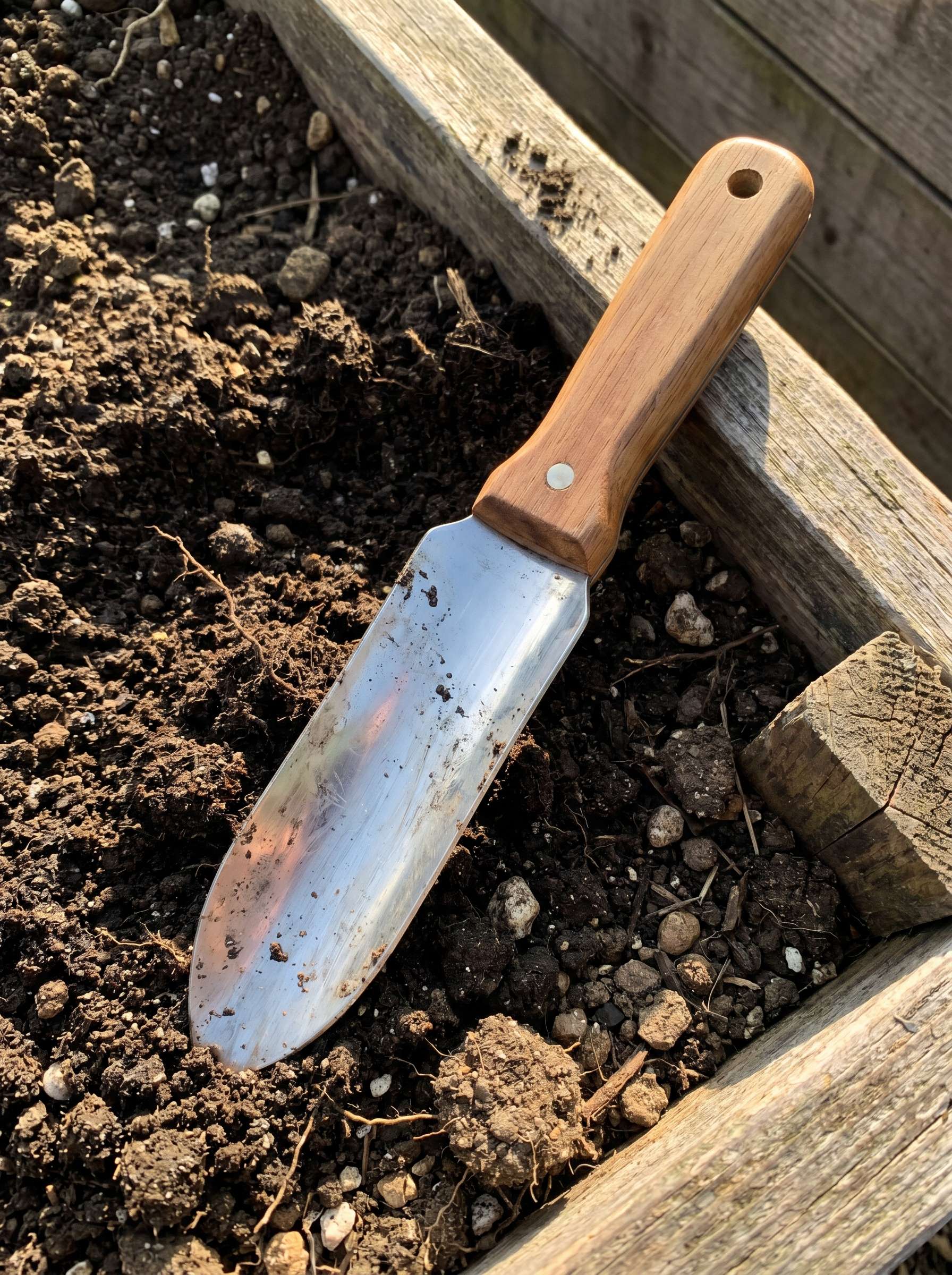
If someone told me I could only keep one hand tool for the rest of my gardening life, I wouldn’t even hesitate. The Hori Hori knife is an absolute beast. It’s essentially a thick, heavy-duty steel blade that’s sharp on one side, serrated on the other, and curved like a trowel down the middle.
When I first bought one, I thought it looked a little too intense for basic backyard vegetable beds. But after using it to slice through thick, tangled dandelion roots, pry up stubborn stones, and quickly saw through old plastic root balls, I was hooked. It stays sharp through absolute abuse, and the depth markings stamped into the metal are incredibly handy when you’re burying spring bulbs and need to hit exactly four inches down.
2. Solid-Forged Bypass Pruners (The Hand-Saver)
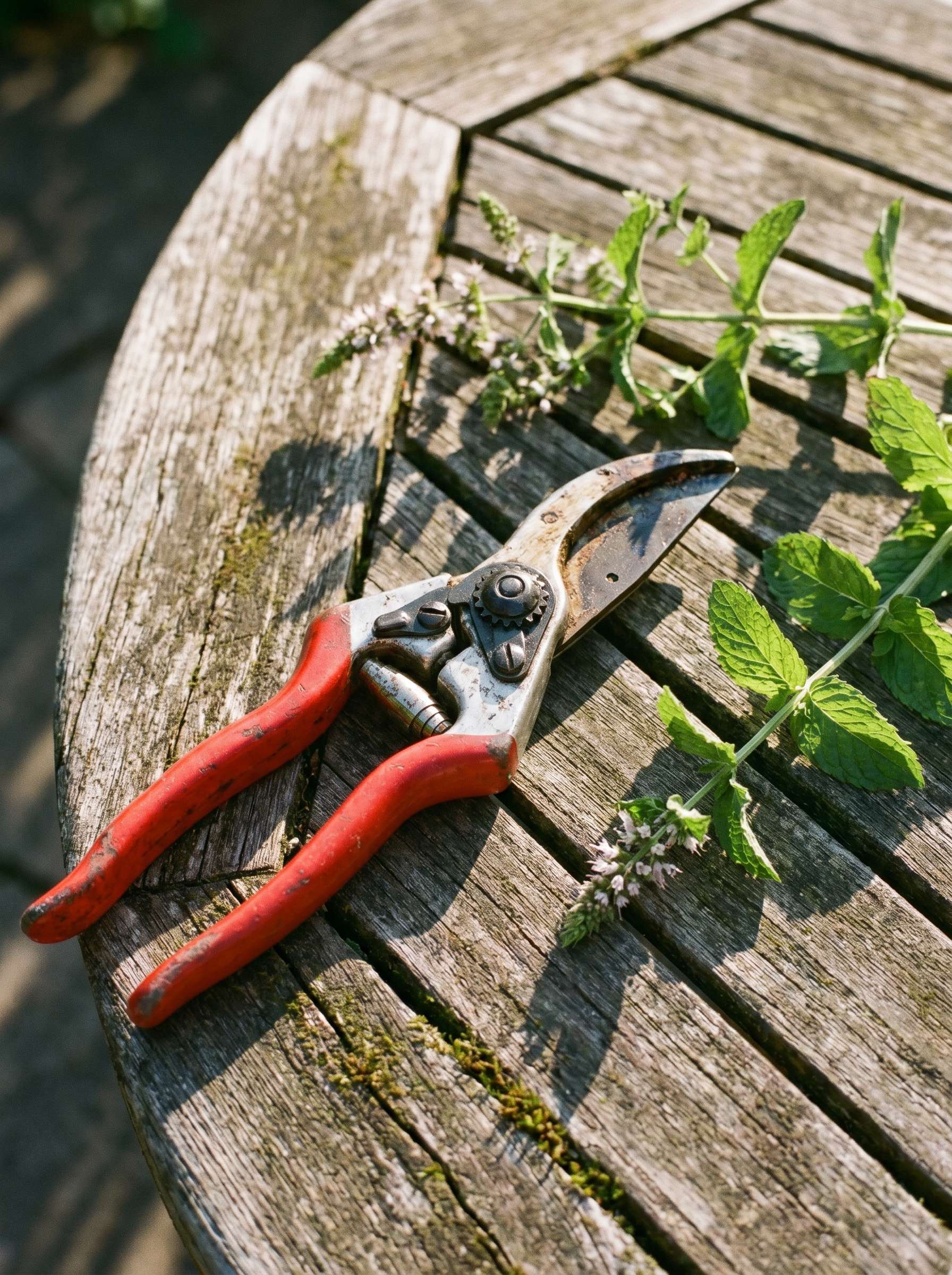
You can buy a pair of pruning shears for eight bucks, or you can spend forty to fifty dollars on a solid-forged pair like Felcos. For years, I chose the cheap route, buying a new pair every spring because the old ones would start chewing through stems instead of cleanly slicing them.
That jagged cut isn’t just ugly; it leaves your plants vulnerable to diseases. When I finally bit the bullet and bought a professional-grade pair, the difference was night and day. They cut through thick tomato vines and woody perennial stems like butter, and my wrist didn’t ache after an hour of cleanup.
But here’s the kicker: the real value isn’t just in the first clean cuts. It’s the fact that every single part is replaceable. When the blade eventually wears down after years of scraping against wire or thick bark, you don’t throw the tool away. You just spend a few dollars on a new blade, pop it in, and you’re good for another decade.
3. The Heavy-Duty Tub Trug (The Unsung Hero of Clean Up)
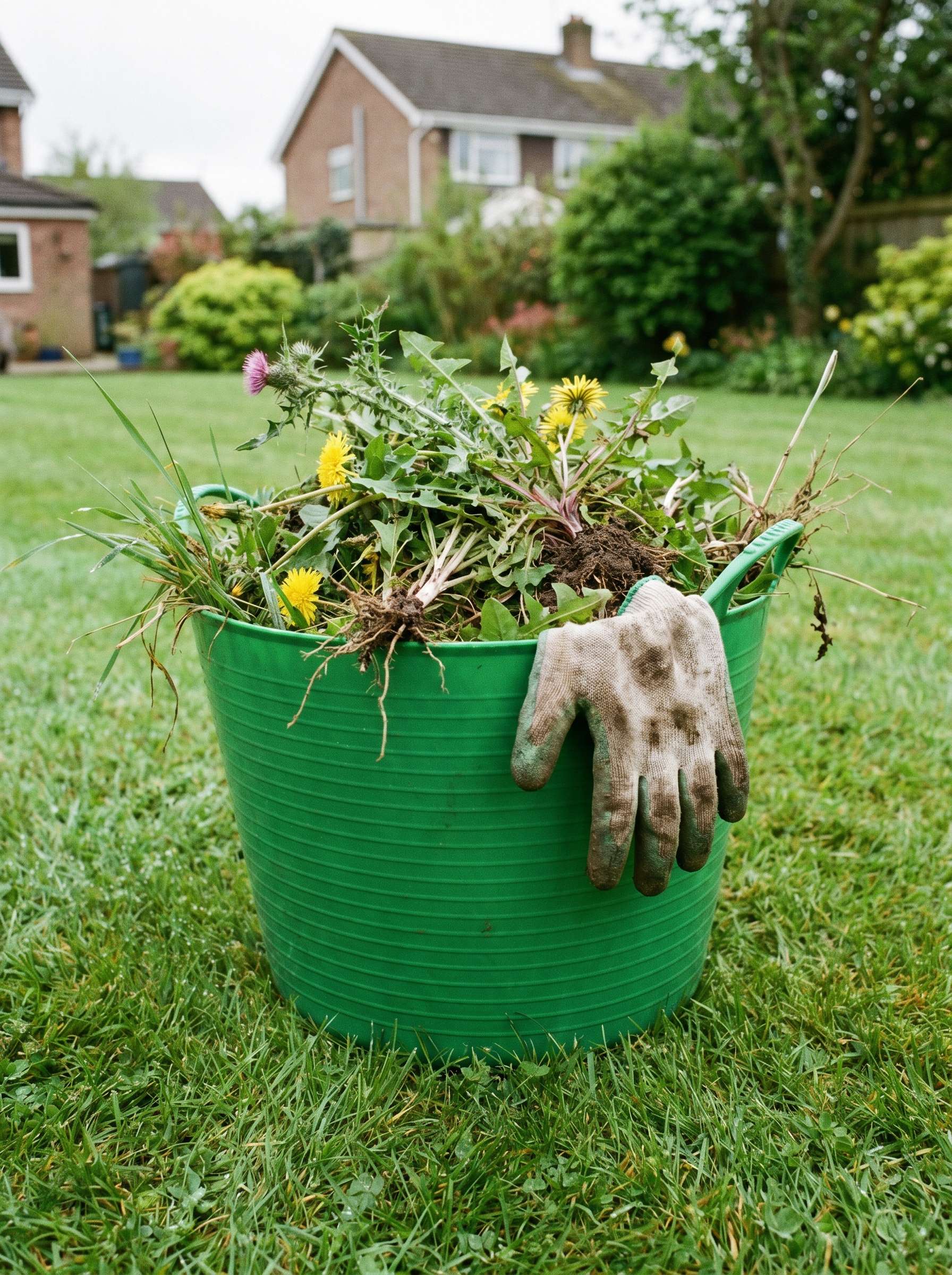
It’s just a plastic bucket, right? That’s what I thought until I went through three brittle, hard-plastic utility buckets from the home improvement store in a single winter. They crack if you drop them wrong when it’s cold, and the handles tear out the moment you fill them with wet soil or gravel.
Enter the flexible rubber tub trug. These things are virtually indestructible. You can step on them, drop heavy bricks into them, or leave them out in the blazing July sun, and they just bounce back.
I use mine for everything. I carry weeds to the compost pile, mix custom soil blends right in the tub, and even fill it with water to soak bare-root berries before planting. Because the handles are flexible, you can grab both in one hand like a tote bag, which leaves your other hand completely free to carry your shovel or open gates.
Small Pro Tip: Never store your tools dirty. Keep a 5-gallon bucket filled with playsand and a splash of mineral oil near your shed door. When you’re done for the day, plunge your trowels and knives into the sand a few times. It cleans off the wet sap and coats the metal to prevent rust instantly.
4. Single-Piece Stainless Steel Trowel (No More Snapped Necks)
We have all done it. You’re trying to pry out a deep-rooted weed or dig a hole in unamended clay soil, you lean into the tool, and snap. The metal blade separates completely from the wooden or plastic handle right at the neck. It’s frustrating, dangerous, and a complete waste of money.
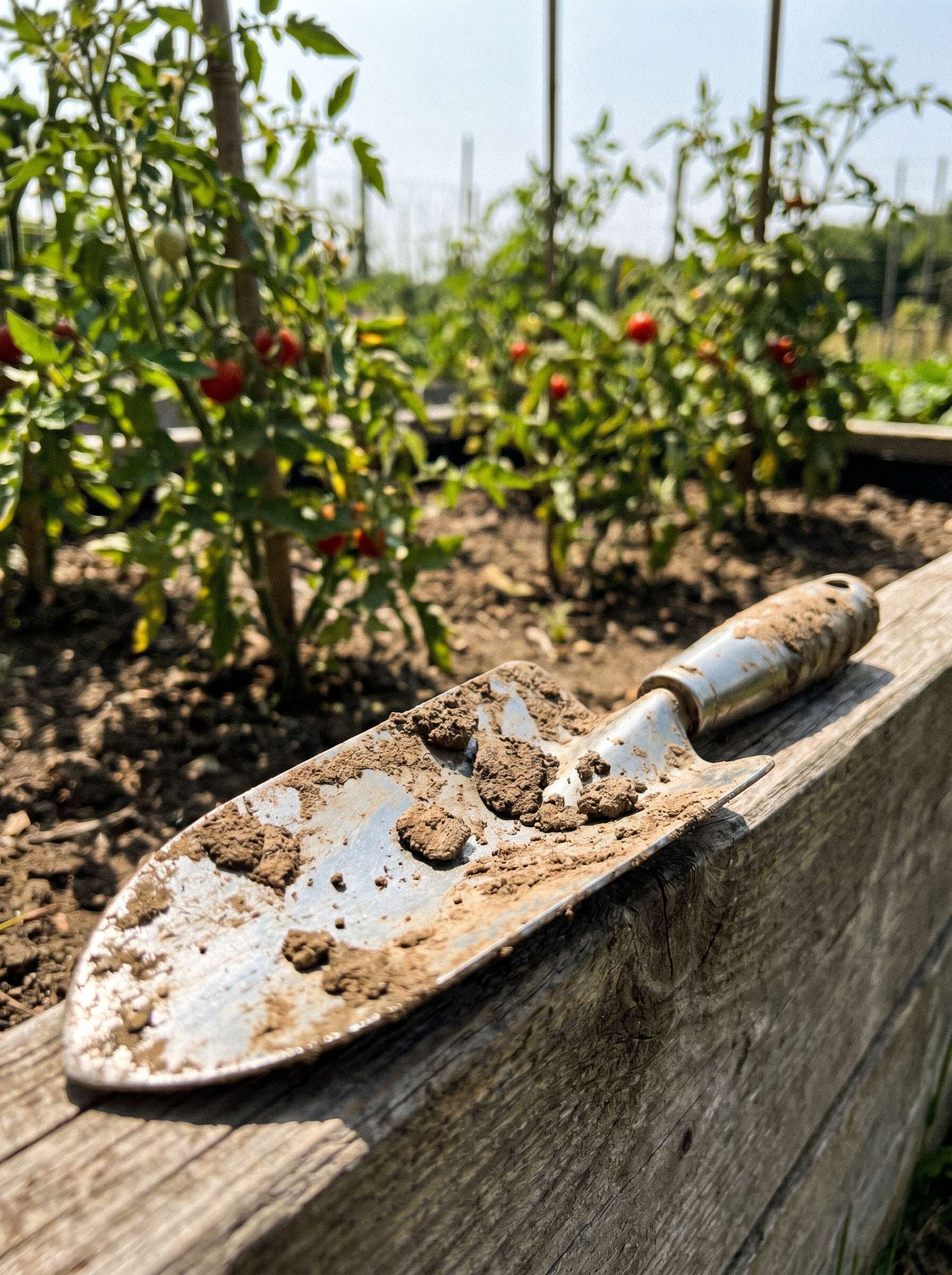
That’s why a single-piece stainless steel trowel is worth every single cent. There is no joint, no weld, and no tiny screw holding it together. It’s just one solid piece of forged metal running from the tip of the blade to the end of the handle grip.
I learned this the hard way after breaking three cheap trowels while trying to prep my hard soil for a budget landscaping front yard makeover. Once I switched to a solid steel construction, digging stopped being stressful. It won’t bend, no matter how much leverage you apply against a rock.
5. The Diamond Sharpening File (The Tool That Fixes the Rest)
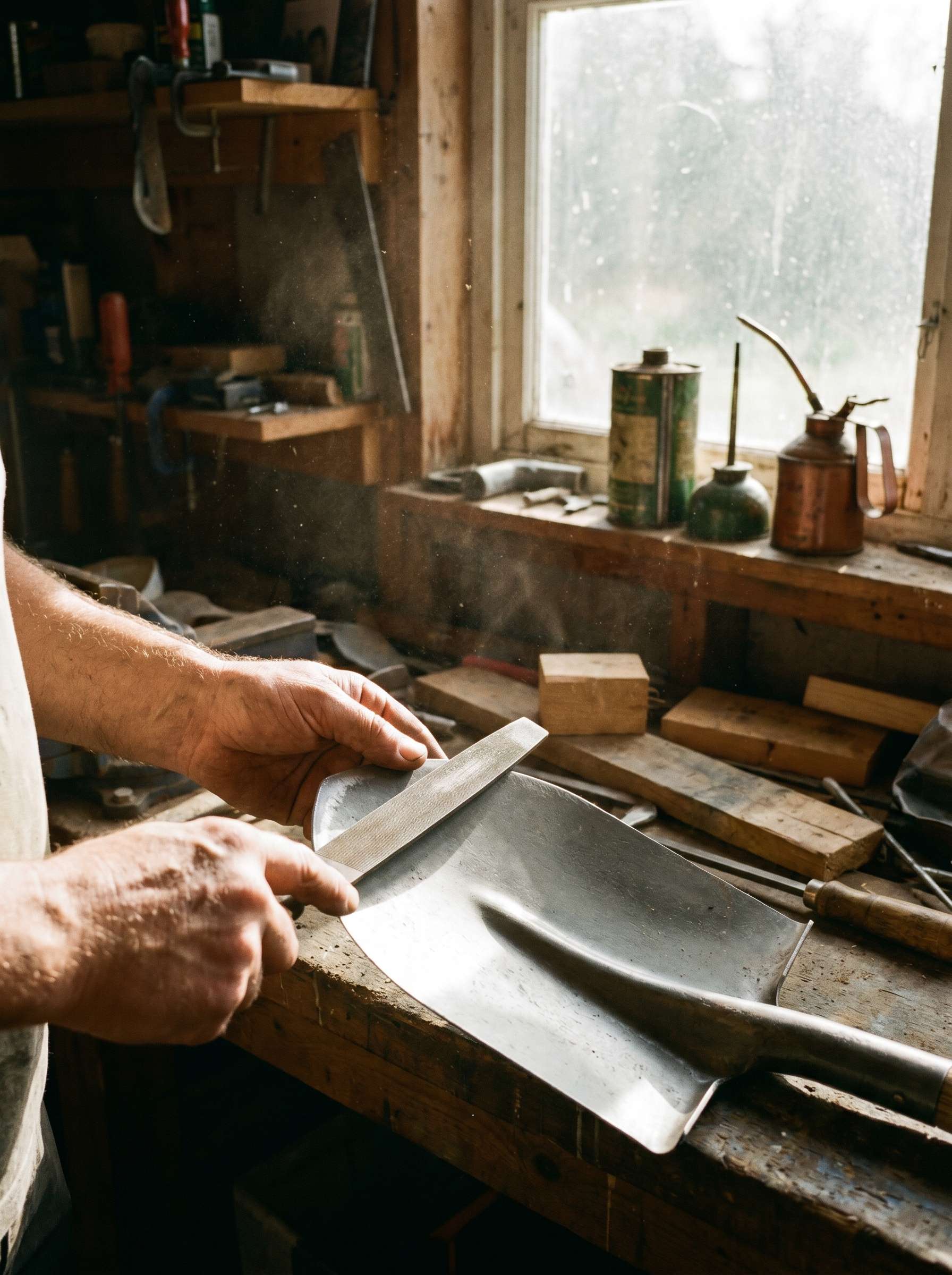
This isn’t technically a digging or cutting tool, but it’s the one item that makes all your other investments last a lifetime. A simple, flat diamond sharpening file costs very little, but it saves you from struggling with dull blades.
Most people don’t realize that shovels, hoes, and pruners all need regular sharpening. A dull shovel requires twice as much physical effort to push into the ground.
Once a month, I take my file and spend five minutes running it along the edges of my spade and pruners. It cleans up the nicked edges from hitting rocks and restores that clean, sharp bite. It makes heavy digging feel like less of a chore and keeps your tools performing like new.
Common Mistake: Buying tools with fancy foam cushion grips. They look incredibly comfortable in the store, but within one season of exposure to dirt, sweat, and UV rays, that foam will rot, hold moisture against the metal, and peel off in slimy chunks. Stick to bare wood, hard composite, or textured rubber handles.
6. TO AVOID: Ergonomic Multi-Claw Weeders (The Gimmick)
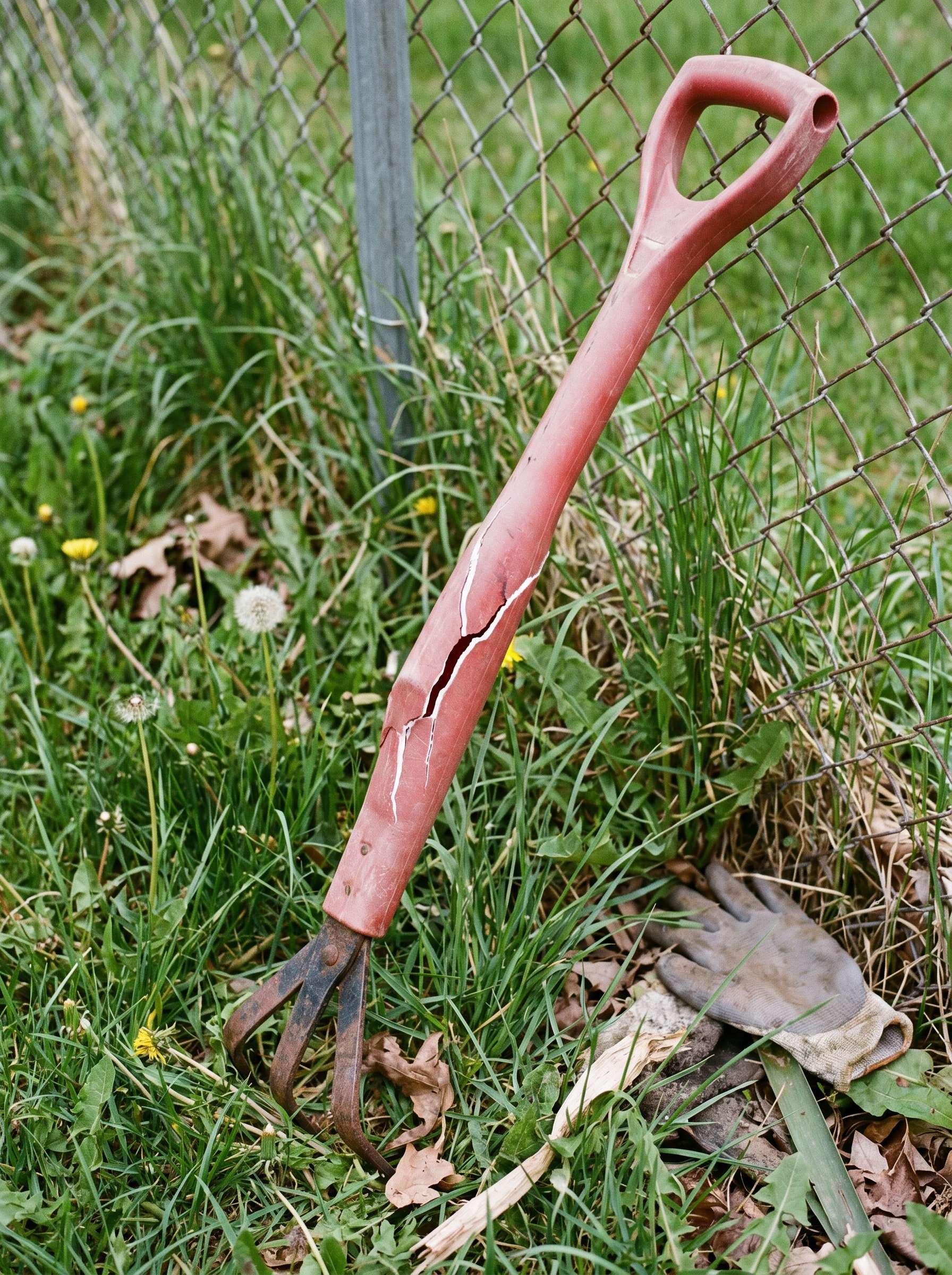
Now let’s talk about the things that should stay on the store shelf. First up are those long-handled stand-up weeders with the spring-loaded claw mechanism at the bottom. They look amazing in television commercials: you step on the pedal, twist, and pop—the weed is gone!
But wait, there’s a catch: they only work under absolutely perfect soil conditions. If your ground is dry and hard, the metal prongs won’t penetrate. If your soil is wet and rocky, the mechanism jams up instantly with small pebbles and mud.
Worse yet, the internal springs and plastic trigger components are prone to snapping under pressure. I watched my neighbor break two of these in a single afternoon trying to clear stubborn weeds from a dry patch of ground. A simple hand tool gets the job done without the mechanical headache.
7. TO AVOID: Cheap Multi-Pattern Hose Nozzles (The Annual Leak)
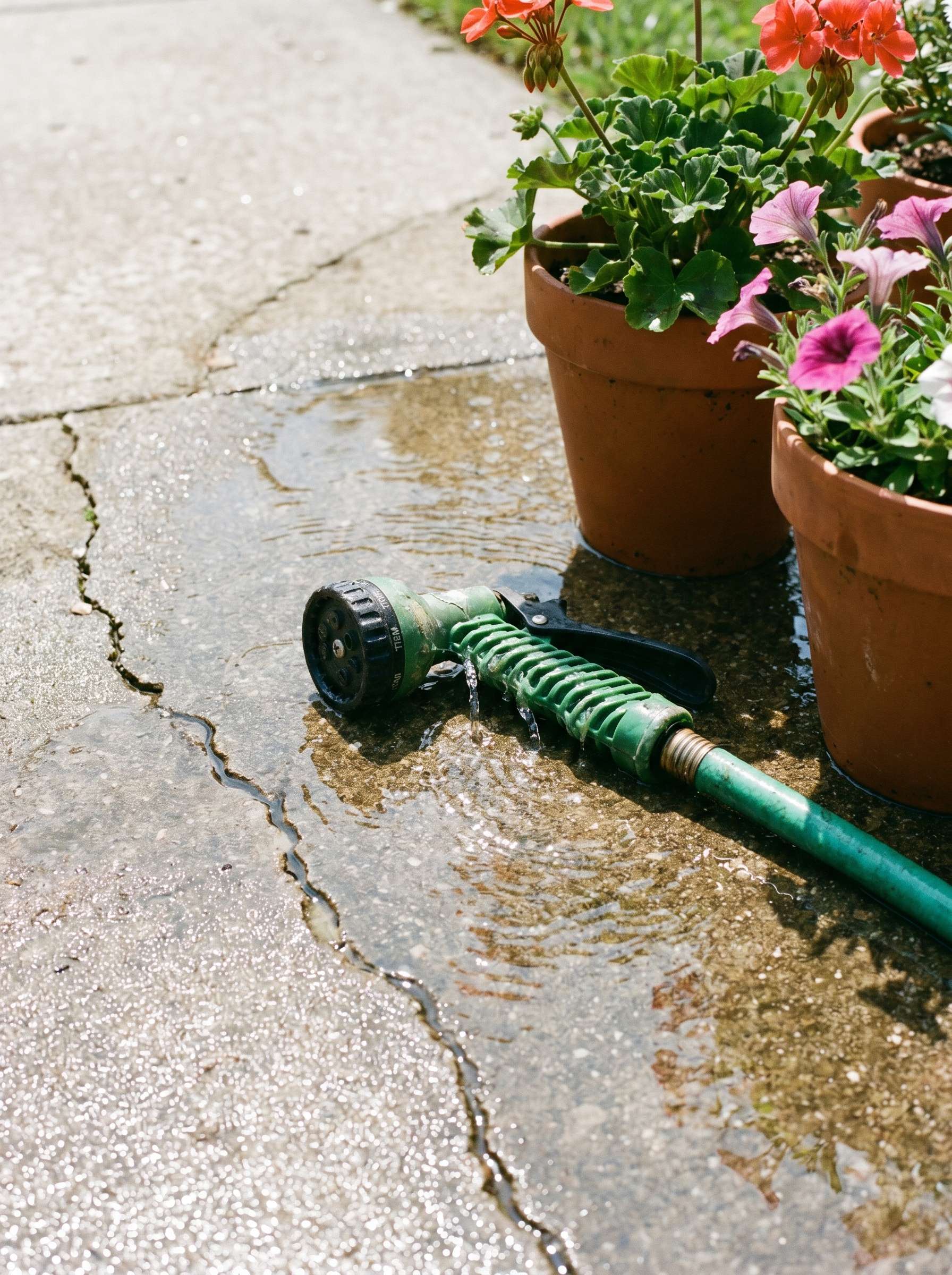
We’ve all owned at least five of these. They have a plastic dial on the front that lets you switch between “Mist,” “Shower,” “Jet,” and six other settings you never actually use. They look colorful and convenient, but they are almost universally made with cheap internal plastic gaskets.
One mistake to avoid is leaving these attached to the hose during a surprise early frost or dropping them onto a hard concrete patio. The internal plastic cracks instantly, and suddenly you have water spraying all over your face and leaking down your arm every time you try to water your containers.
Instead of buying a new ten-dollar plastic nozzle every summer, spend twenty dollars on a solid brass twist nozzle. It has fewer moving parts, won’t crack when dropped, and lasts forever.
8. TO AVOID: Cheap Coiled Hoses (The Kink Nightmare)
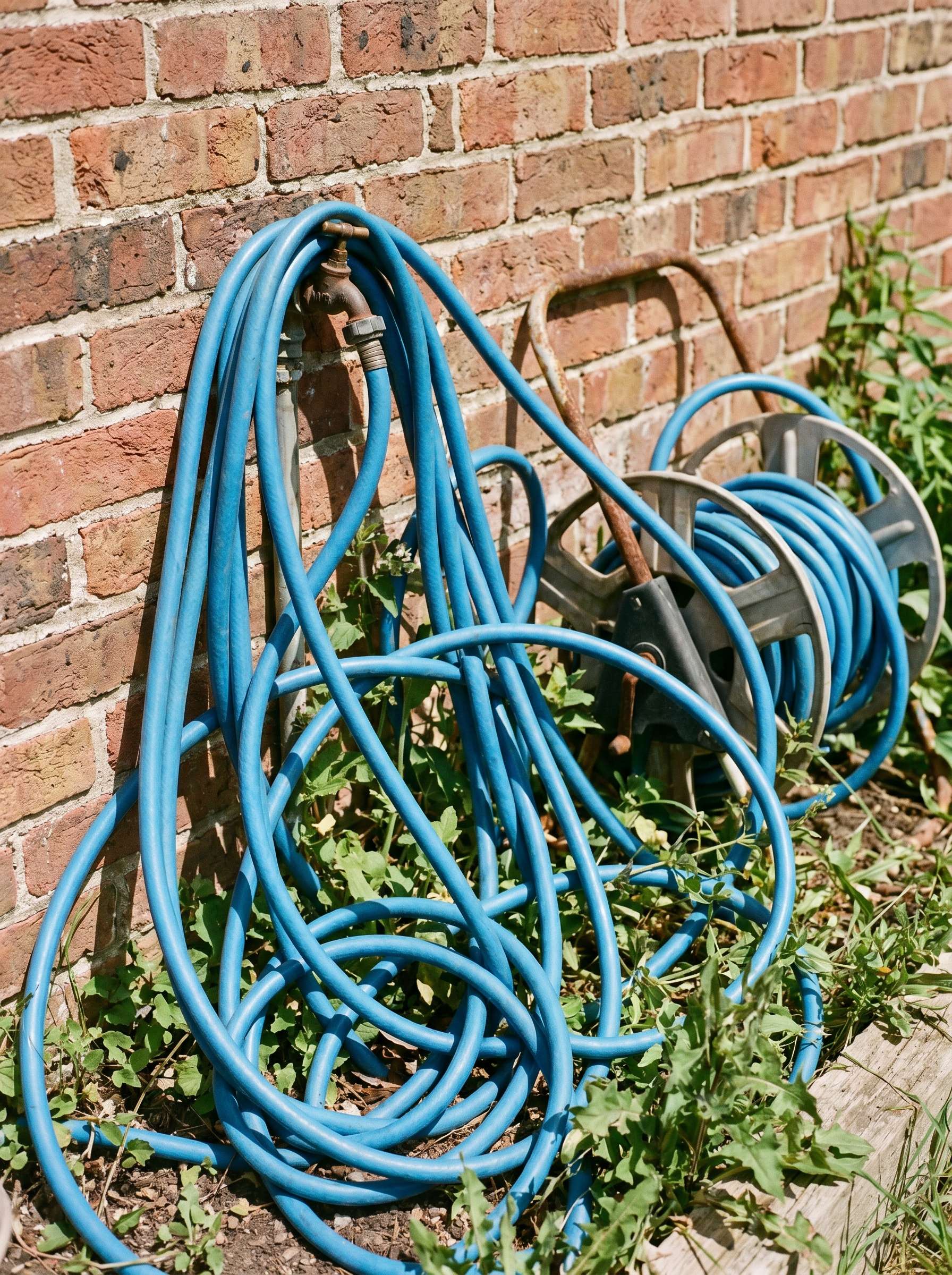
They look so neat and tidy when coiled up like a slinky on the store shelf. They promise to stretch across your yard and then magically shrink back into a tiny footprint. It sounds like the perfect solution for keeping a clean patio or a small greenhouse space.
This looked great online, but in reality, coiled hoses are an absolute nightmare to use. They have immense tension, meaning you are constantly fighting against the hose pulling back toward the spigot while you’re trying to water.
If you let go for a split second, it snaps back, knocking over small starter pots. They also kink easily, cutting off your water pressure entirely, and the thin walls are highly susceptible to splitting open under standard water pressure. Stick to a high-quality, lightweight rubber hose that lays flat on the ground.
What Actually Helped: When I stopped looking for “all-in-one” tool solutions and just focused on heavy, solid metal construction, my gardening became much more enjoyable. High-quality tools feel better in the hand, do the work for you, and cut down on physical fatigue.
How to Start (Simple Plan)
If you are just building your very first garden tool kit, don’t buy a massive 20-piece pre-packaged set. Most of those items are low-quality filler. Instead, buy these three essentials to start:
- Get one solid digging shovel with a forged steel blade and a sturdy fiberglass or ash wood handle that fits your height.
- Pick up a high-quality hand trowel made from a single piece of cast aluminum or stainless steel.
- Invest in a comfortable pair of bypass pruners that can be easily disassembled for cleaning and sharpening.
This simple trio will easily handle 90% of your planting, weeding, pruning, and landscaping projects without overwhelming your storage space or breaking your budget.
Things That Didn’t Work for Me
The “As-Seen-On-TV” Pocket Hoses: I bought into the hype of the expanding fabric hoses twice. Both times, the inner latex tube popped within two months because it scraped against the sharp corner of a concrete paver. They just cannot handle real-world yard friction.
Plastic Leaf Scoops: Those giant plastic bear-claw hands meant for picking up leaves seemed like a great time-saver. In reality, they are awkward to hold, don’t grab as much as a standard lawn rake, and store terribly in the shed.
Cheap Tomato Cages: Those thin, flimsy wire cone cages from the dollar section are completely useless for real indeterminate tomatoes. The first heavy storm of August will cause the entire heavy plant to collapse the cage flat to the ground. Now I build sturdy wooden stakes or cattle panel trellises instead.
FAQ
Both are great, but they serve different purposes. Stainless steel resists rust incredibly well and cleans easily, making it perfect for wet soil and hand trowels. Carbon steel is stronger and holds a sharper edge longer, which is ideal for heavy-duty digging shovels and axes, but it does require oiling to prevent rust.
You should scrape off big chunks of dirt after every use. A deep clean with soapy water, followed by a light coating of boiled linseed oil on the wooden handles and mineral oil on the metal parts, should be done at least once a year before winter storage.
Your blade is either dull or the pivot bolt holding the two blades together has loosened over time. Try tightening the central nut slightly. If it still tears, it’s time to sharpen the cutting blade with a diamond file or replace it entirely.
WD-40 works well to clean off rust and displace moisture in a pinch, but it evaporates quickly. For long-term protection during the off-season, a dedicated lubricating oil or boiled linseed oil provides a much thicker, longer-lasting barrier against moisture.
You don’t need a massive layout. A simple heavy-duty plastic storage tote kept on a porch, or a few sturdy utility hooks mounted on a garage wall, works perfectly to keep your essential gear up off the damp ground and protected from the weather.
At the end of the day, the best tools are the ones you actually enjoy using and don’t have to worry about breaking every time you hit a tough patch of earth. Don’t feel like you need to go out and buy a whole matching set of expensive gear all at once. Start with one or two solid, well-made pieces that fit your immediate needs, take good care of them, and simply add to your kit over time as your garden grows.
Most ideas in this article come from years of real gardening experience and testing different setups at home. Results may vary depending on climate, soil type, and regular tool maintenance.

Aagam – Founder of SpruceTouch
I’m Aagam, a home and garden enthusiast who enjoys growing, building, and improving outdoor spaces. I focus on practical backyard projects, garden ideas, and simple DIY solutions that are useful in real homes. Through SpruceTouch, I share what I’ve learned, what worked, what didn’t, and the small details that can make an outdoor project easier.