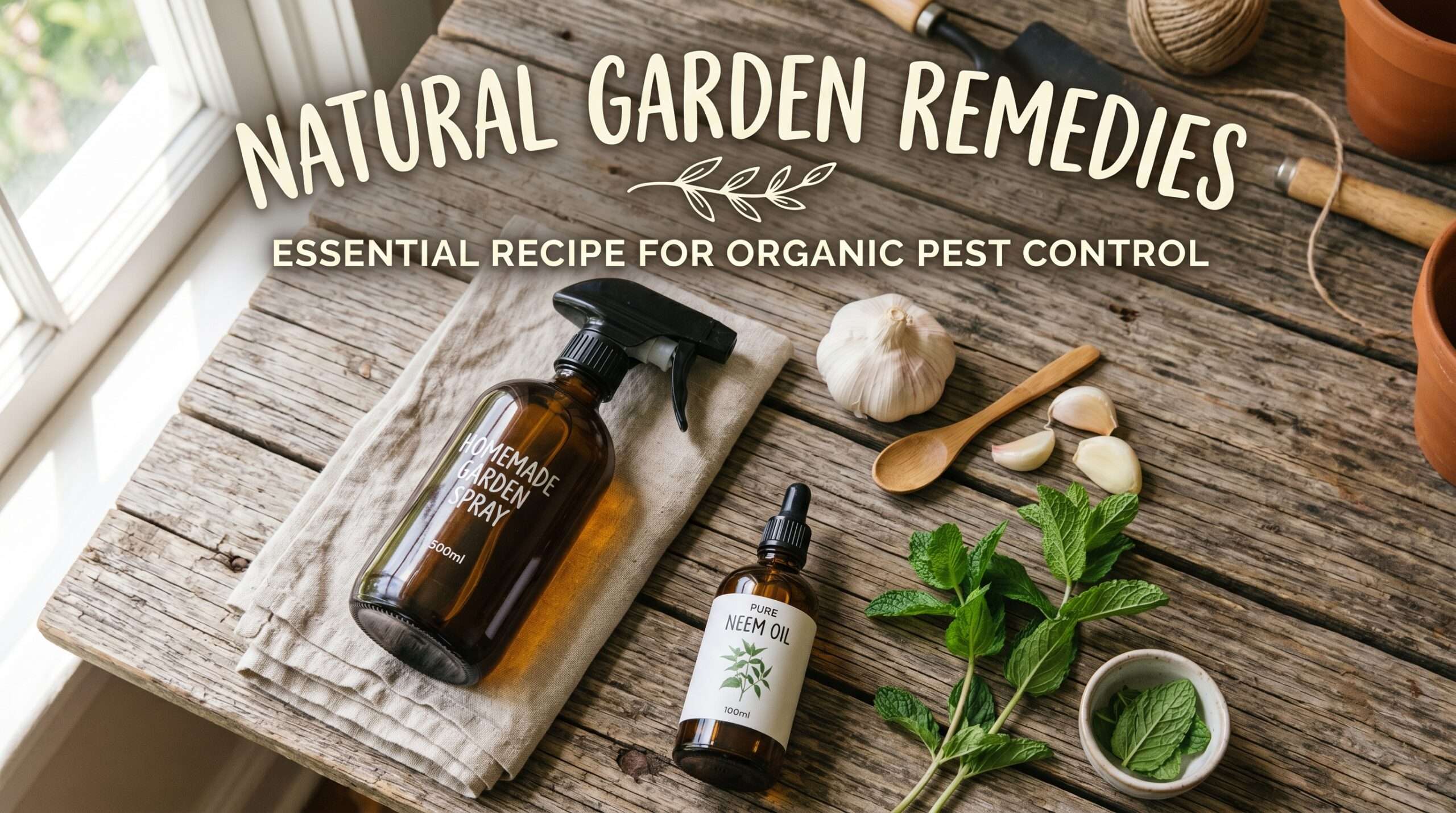
15 Genius Ways to Stop Garden Pests Without Using Harsh Chemicals
I still remember the summer of 2011. I had just finished planting my first “serious” heirloom tomato patch. I was so proud of those Brandywine and Cherokee Purples. Then, almost overnight, the aphids arrived. It looked like a scene from a horror movie—curled leaves, sticky residue, and thousands of tiny green invaders sucking the life out of my hard work. My first instinct was to run to the big-box store and grab the strongest bottle of “death-in-a-spray-can” I could find.
But then I looked at my young kids playing nearby and my dog sniffing the soil. I realized I didn’t want a sterile, chemical-laden backyard; I wanted a living ecosystem. That realization kicked off a 15-year journey into the world of organic remedies. These aren’t just “old wives’ tales”—they are science-backed, gardener-tested solutions that actually work. If you’ve been struggling with a garden that seems to be more “bug buffet” than “veggie sanctuary,” these 15 ideas changed everything for me, and they will for you too.
Quick Picks (Top 5)
- The Heavy Hitter: Neem Oil Spray (Best for broad-spectrum control).
- The Kitchen Essential: Garlic & Chili Infusion (Best for chewing insects).
- The Soil Secret: Diatomaceous Earth (Best for crawling pests like slugs).
- The Gentle Giant: Castille Soap Dilution (Best for soft-bodied insects).
- The Hidden Hero: Milk Spray (Best for preventing powdery mildew and fungal pests).
1: The Classic Neem Oil Emulsion
Neem oil is the “gold standard” of organic gardening. Derived from the seeds of the Neem tree, it contains azadirachtin, which disrupts the hormonal systems of insects, preventing them from eating, molting, or laying eggs. It’s effective against over 200 species of insects but is generally safe for beneficials like bees if applied at dusk.
Real-life use case: I use this every spring on my rose bushes to prevent black spot and keep aphids at bay before they can colonize the new buds.
Practical Tip: Always add a few drops of liquid soap to your mixture. Neem oil is an oil (obviously), and it won’t mix with water unless you use soap as an emulsifier.
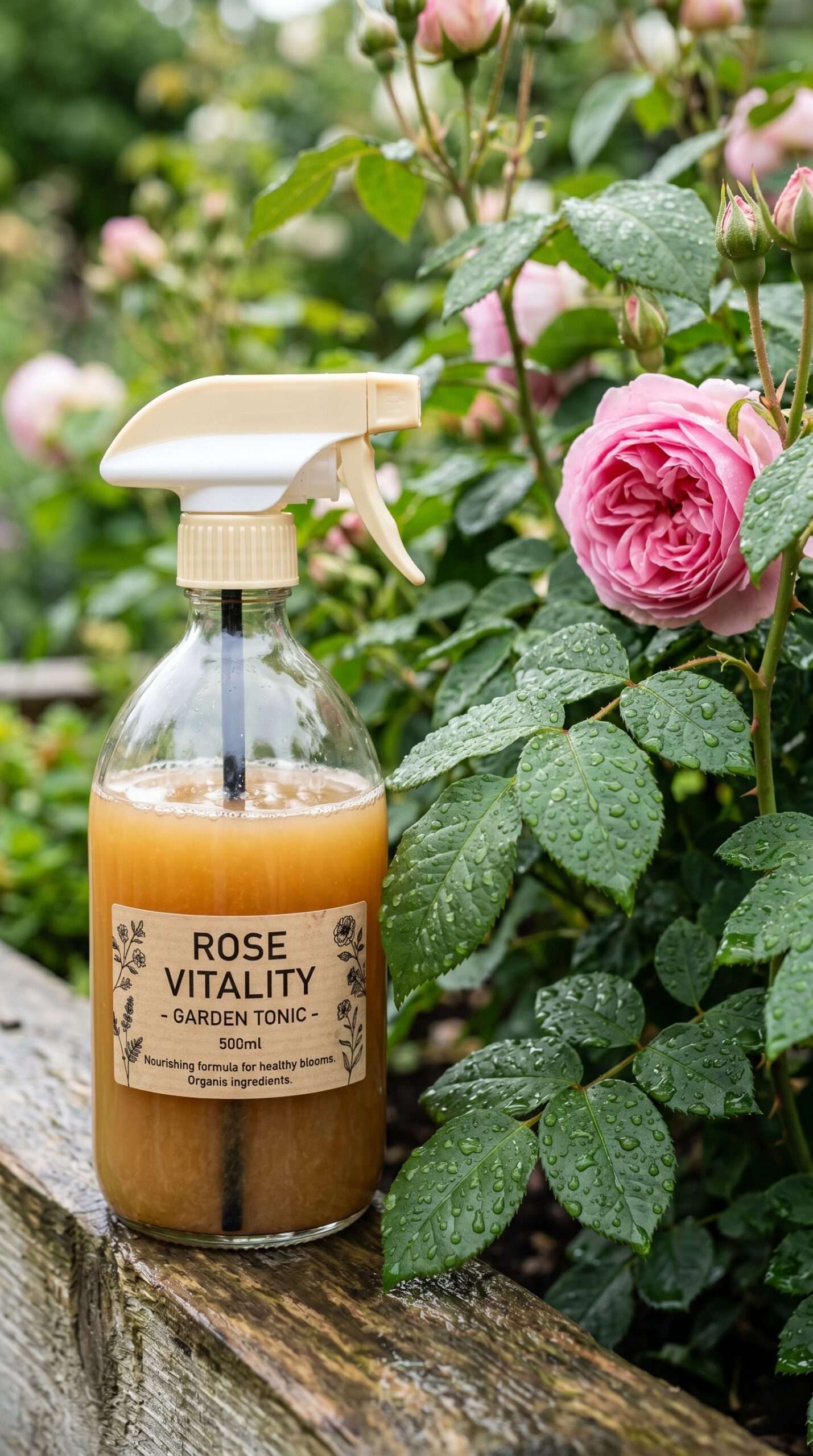
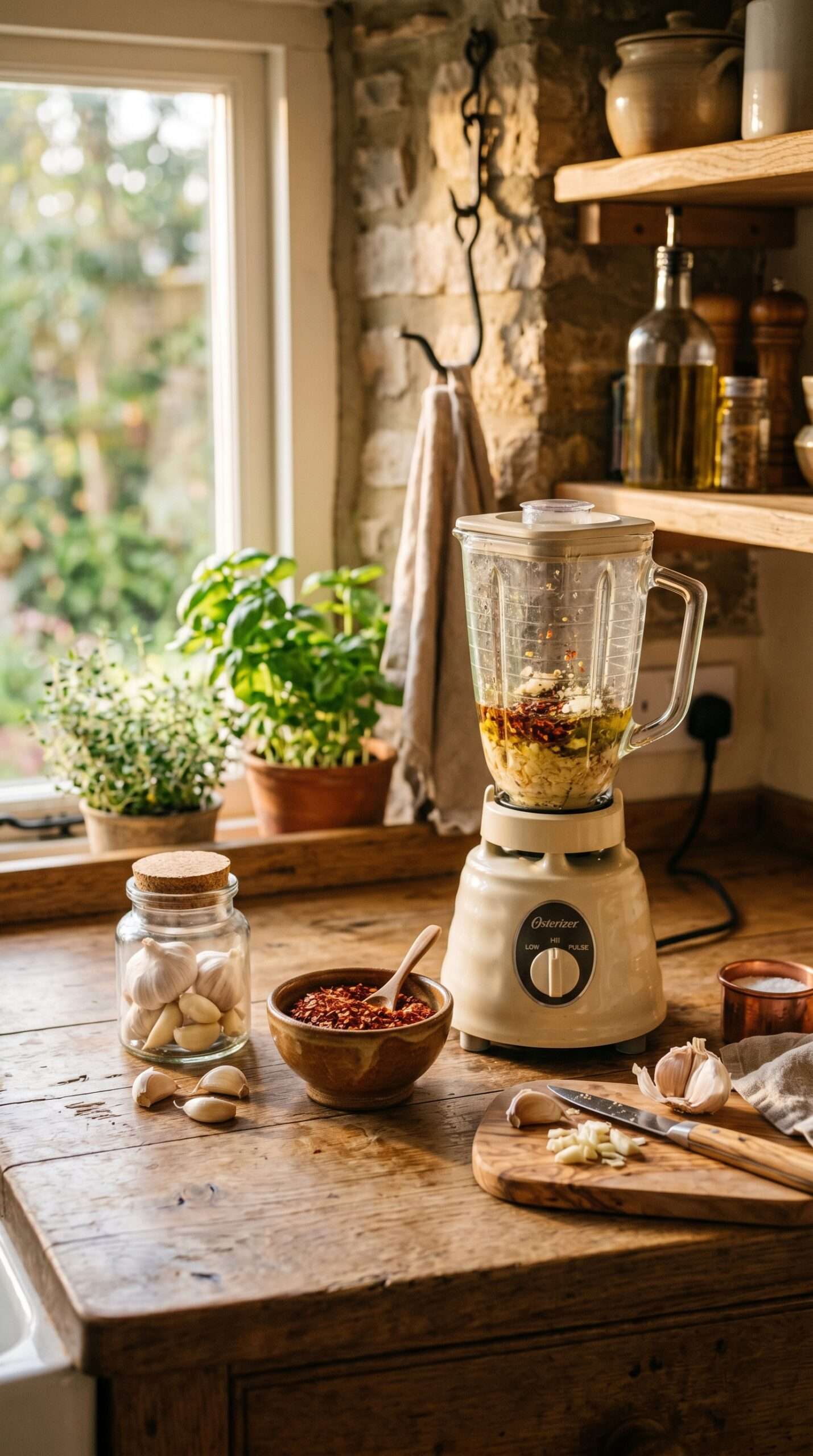
2: The “vampire” Garlic & Chili Fire Spray
This is a potent repellent. Insects have highly sensitive olfactory and nervous systems. The capsaicin in hot peppers and the sulfur compounds in garlic create a “no-go zone” for cabbage worms, leafhoppers, and even larger pests like rabbits.
Why it works: It doesn’t necessarily kill on contact; it makes the plant taste and smell absolutely repulsive to anything that wants to take a bite.
Real-life use case: My kale used to be decimated by cabbage looper caterpillars until I started using this weekly during the peak of summer.
Practical Tip: Let your mixture sit for at least 24 hours before straining it through a coffee filter. The longer it “steeps,” the more powerful the repellent properties become.
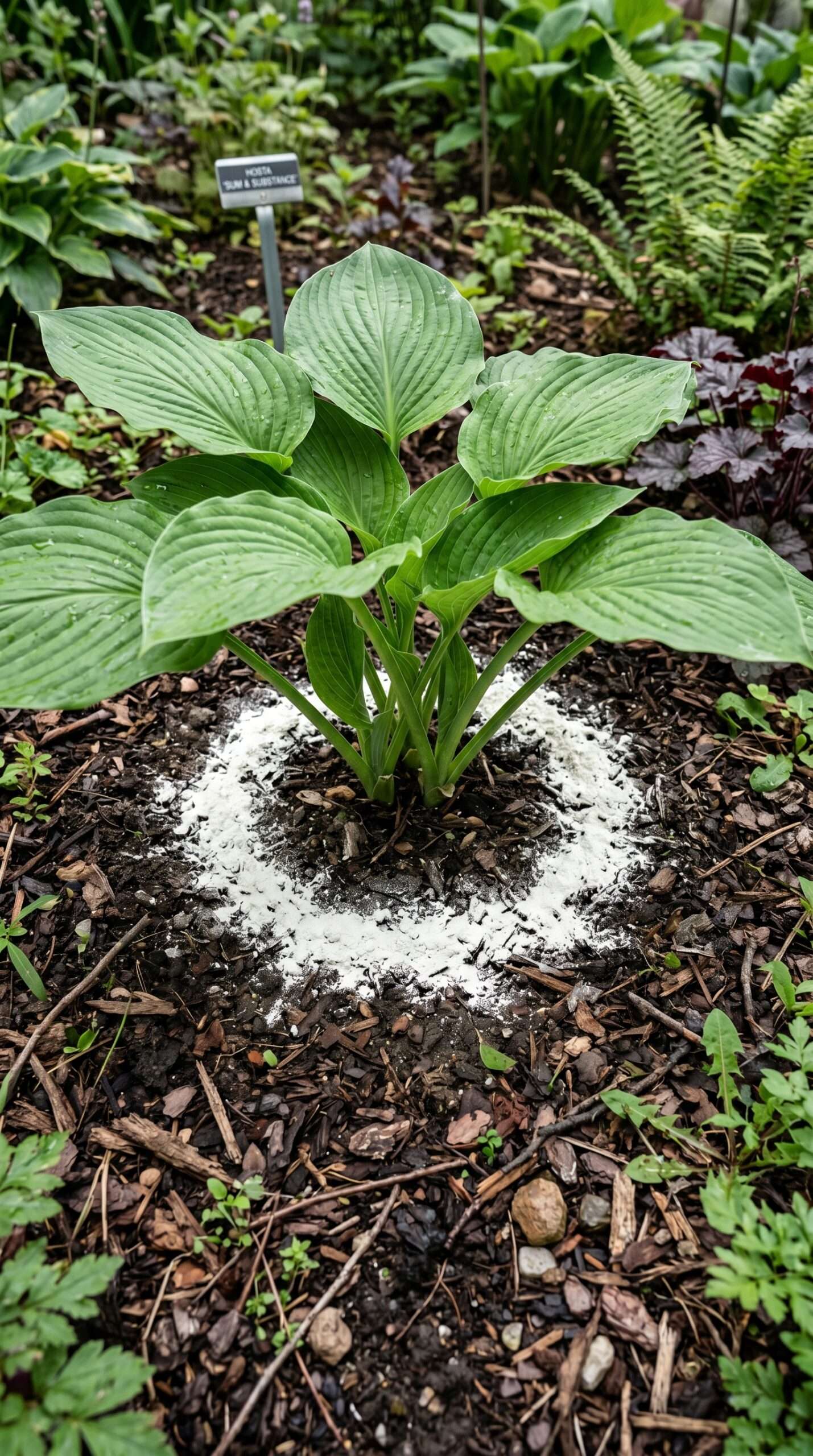
3: Diatomaceous Earth (Food Grade) Barrier
If you have crawling pests like slugs, snails, or ants, Diatomaceous Earth (DE) is your best friend. It’s a powder made from the fossilized remains of tiny aquatic organisms called diatoms. To us, it feels like flour; to an insect with an exoskeleton, it’s like walking over shards of broken glass.
Why it works: It physically dehydrates insects by cutting through their waxy outer shells.
Real-life use case: I sprinkle a “moat” of DE around my young hostas and strawberries every spring to stop the slug army in its tracks.
Practical Tip: You must reapply DE after it rains. Once it gets wet, it loses its abrasive quality until it dries out completely.
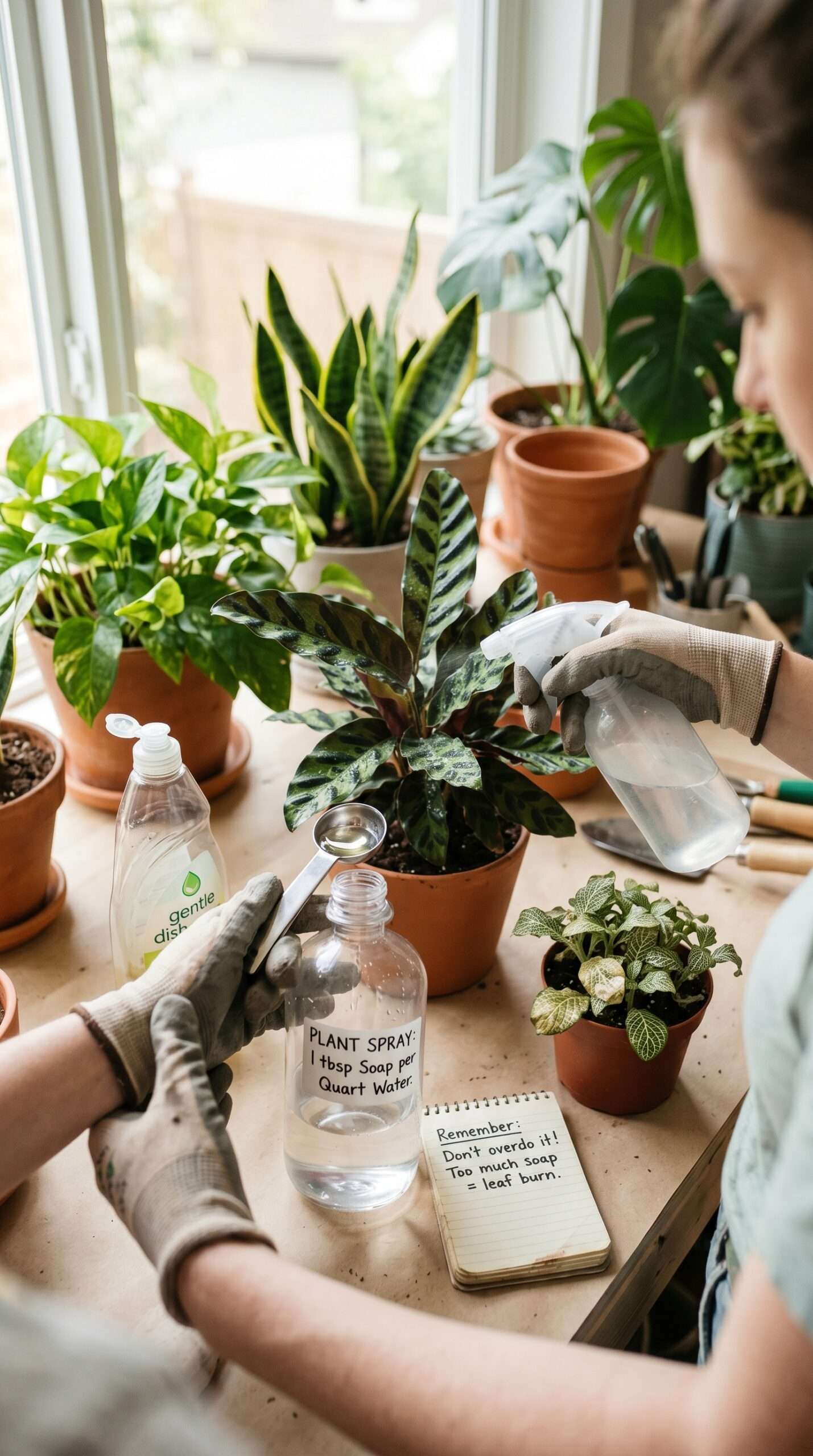
4: The Castille Soap “Soft-Body” Solution
Not all soaps are created equal. Using a true soap like Dr. Bronner’s (Castille) rather than a synthetic detergent is key. This remedy is specifically for soft-bodied insects like mealybugs, whiteflies, and spider mites.
Why it works: The fatty acids in the soap dissolve the insect’s protective outer layer, causing them to dehydrate and die almost instantly.
Real-life use case: I keep a small spray bottle of this in my greenhouse for “spot treatments” whenever I see a cluster of whiteflies on the underside of my tomato leaves.
Practical Tip: Don’t overdo the concentration. 1 tablespoon per quart of water is plenty. Too much soap can strip the waxy cuticle off your plant’s leaves, causing “burn.”
Pro Tip Section: The “Dusk Rule”
Whenever you apply liquid remedies—especially those containing oils or soaps—apply them at dusk. Why? Two reasons:
- Pollinator Safety: Bees and butterflies are less active in the evening, so they won’t get caught in the crossfire.
- Preventing Leaf Burn: Water and oil droplets on leaves can act like tiny magnifying glasses under the hot midday sun, scorching your plants.
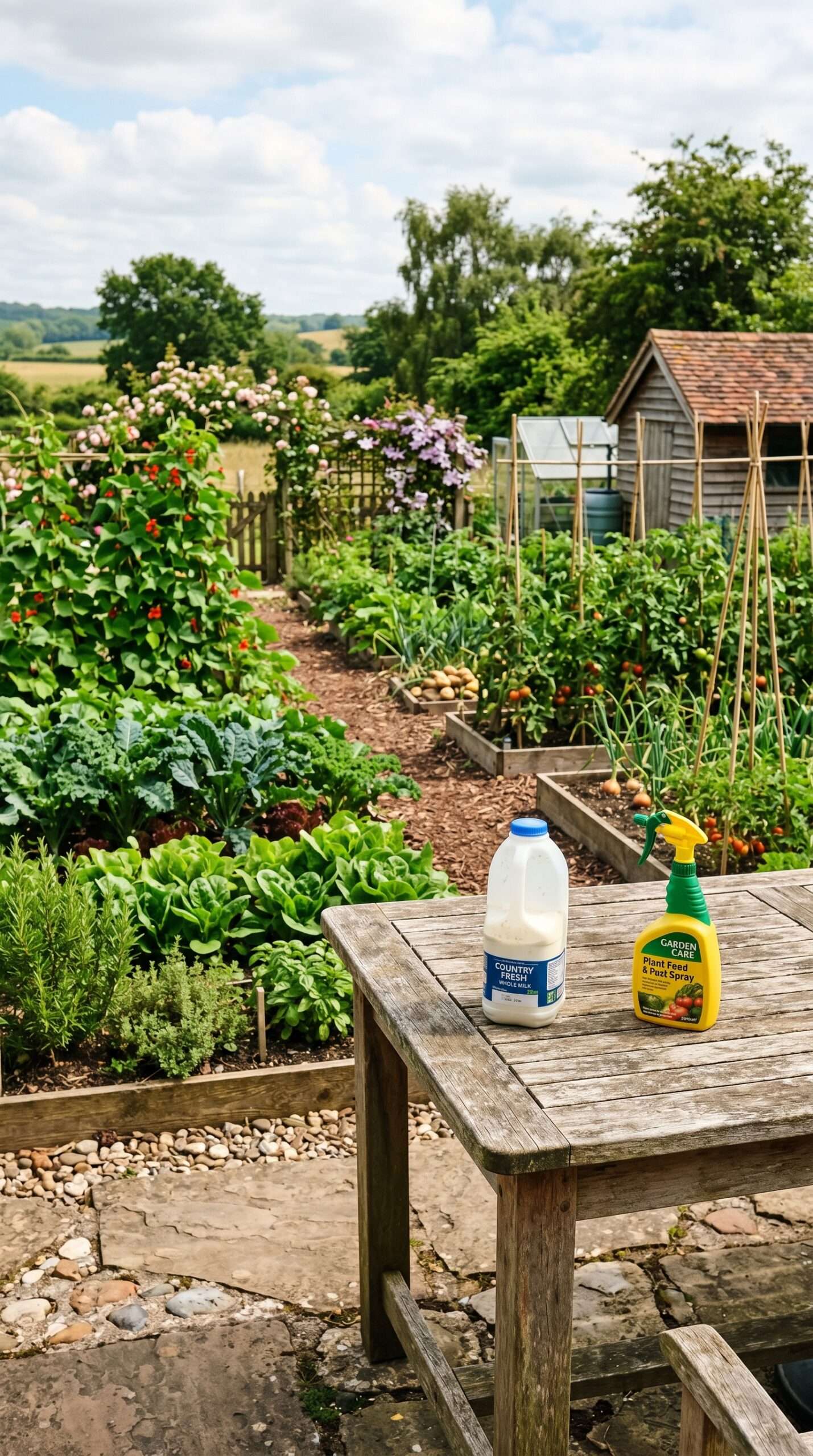
5: The Milk Spray Mildew Shield
This sounds like a myth, but it’s pure science. A mixture of 40% milk and 60% water is an incredible preventative for powdery mildew (that white dusty stuff on zucchini and cucumbers).
Why it works: When exposed to sunlight, the protein in milk (lactoferrin) creates a mild antiseptic effect that kills fungal spores.
Real-life use case: My squash plants used to die by August every year. Since I started a bi-weekly milk spray in July, they stay green until the first frost.
Practical Tip: Use skim milk if you’re worried about the smell. It works just as well as whole milk without the sour fat residue.
6: Sticky Yellow Traps (DIY Version)
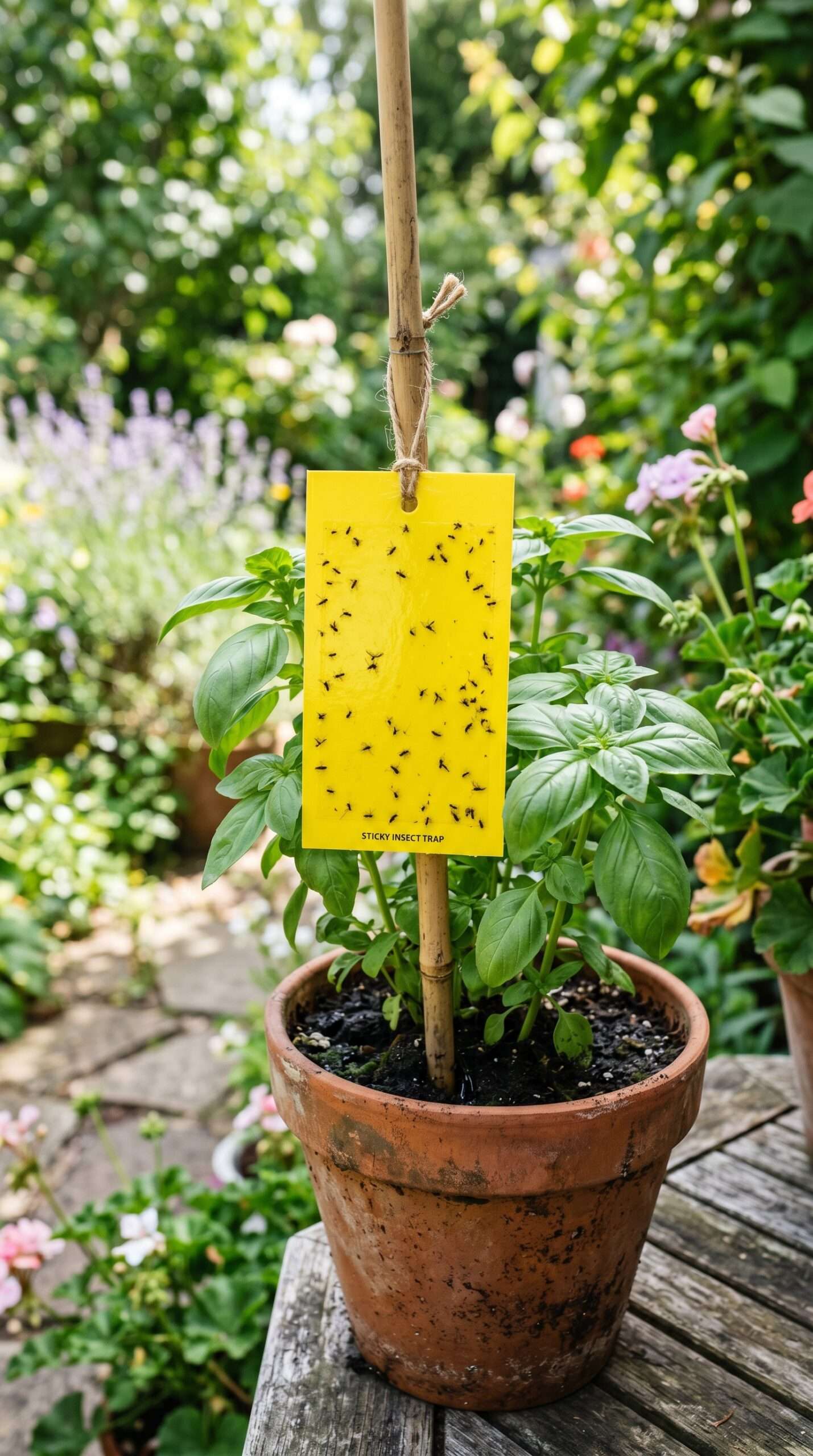
Many flying pests, particularly fungus gnats and winged aphids, are naturally attracted to the color yellow. You can buy these, but making them is cheaper and lets you customize the size.
Why it works: It uses visual cues to lure the pests onto a non-drying adhesive surface, removing them from the breeding population.
Real-life use case: I place these near my indoor seed starters to catch fungus gnats before they can lay eggs in the beginner gardening tips soil.
Practical Tip: Use yellow cardstock coated with a thin layer of Vaseline or honey. Hang them at the level of the plant’s foliage for maximum catch rates.
7: The “Drunken Slug” Beer Trap
This is the classic gardener’s trick for a reason. Slugs are attracted to the yeast and CO2 found in fermenting liquids.
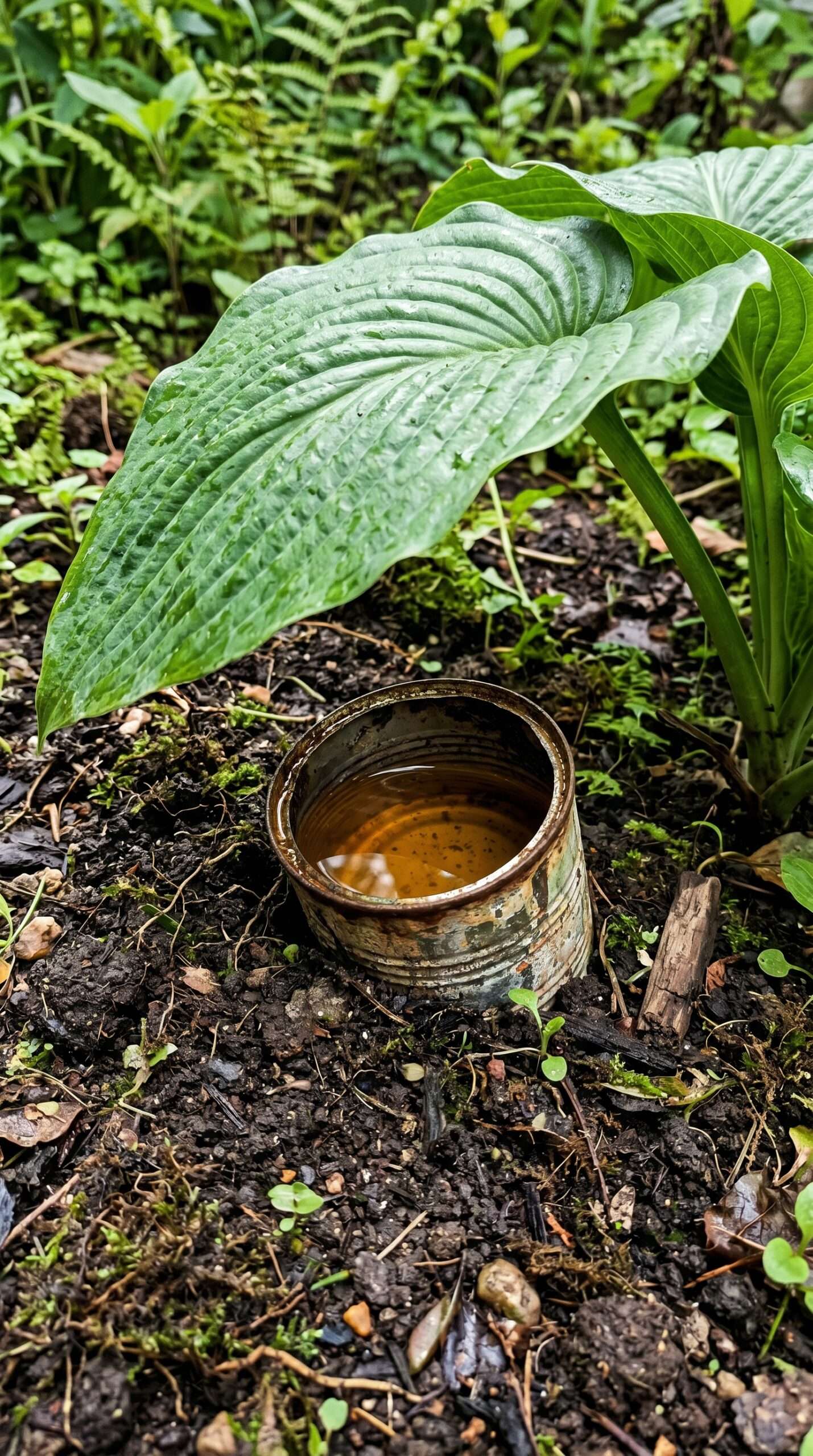
Why it works: The slugs crawl into a shallow container of beer, fall in, and drown. It’s a highly localized and effective way to clear a specific raised bed.
Real-life use case: I bury small tuna cans at soil level throughout my strawberry patch. It’s amazing (and slightly gross) how many slugs you can catch in a single night.
Practical Tip: Make sure the rim of the container is level with the soil. If it sticks up, the slugs will just crawl around it.
8: Essential Oil “Aromatherapy” for Bugs
Just like humans use essential oils for relaxation, we can use them for “pest irritation.” Peppermint, Eucalyptus, and Rosemary oils are particularly effective at masking the scent of “host plants.”
Why it works: Most pests find their favorite plants by smell. If your garden smells like a giant peppermint patty, the pests get confused and move on to the neighbor’s yard.
Real-life use case: I spray a peppermint solution around the perimeter of my patio to keep spiders and ants away from our outdoor dining area.
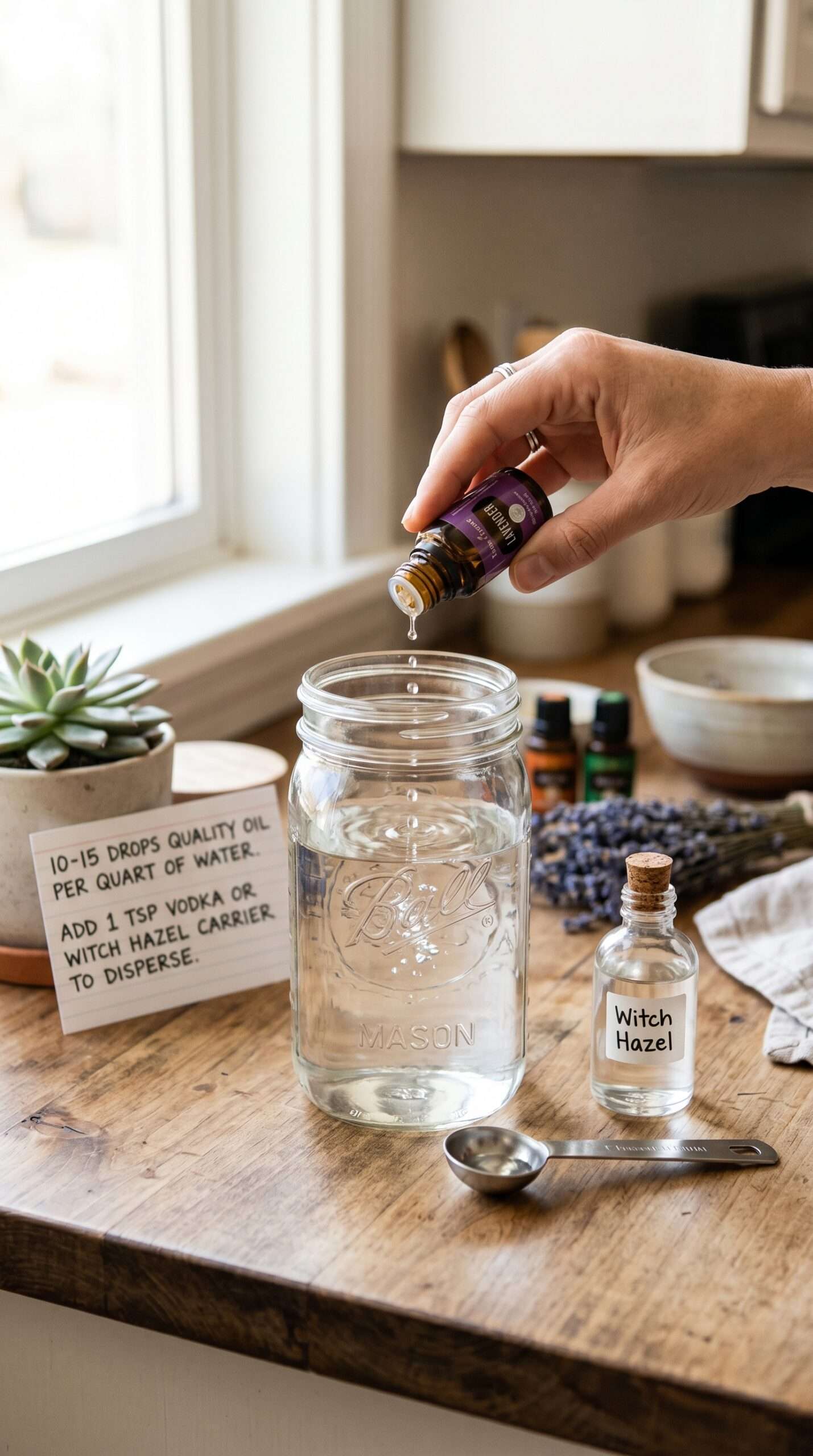
Practical Tip: High-quality oils matter. Use 10-15 drops per quart of water and add a “carrier” like a teaspoon of vodka or witch hazel to help the oil disperse in the water.
Common Mistake: The “Nuclear” Organic Approach
A big mistake I see beginners make is treating organic sprays like they are harmless. Even organic sprays can kill “good bugs” like ladybugs and lacewings if you spray them directly. Always target the specific area where the pests are, rather than blanket-spraying your entire garden. We want a balanced ecosystem, not a sterile one! This is a core part of any soil health guide because a healthy soil biome supports the predators that eat the pests.
9: The Coffee Ground Deterrent
Don’t throw away those morning grounds! Many pests, including snails and certain beetles, find the acidity and texture of coffee grounds unpleasant. Plus, the caffeine can actually be toxic to some larvae.
Why it works: It acts as both a physical barrier and a chemical repellent while slowly releasing nitrogen into the soil.
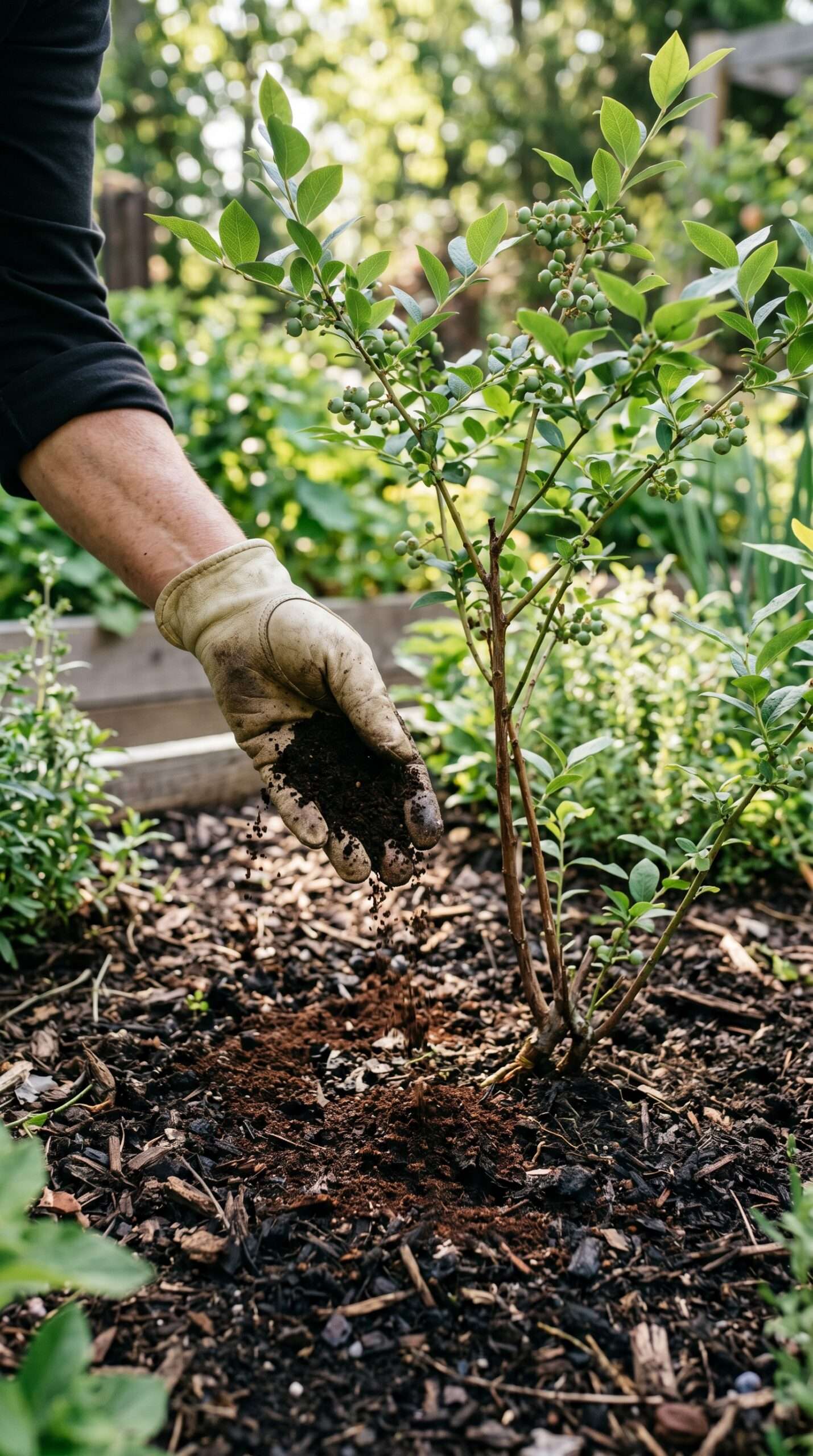
Real-life use case: I ring my acid-loving plants, like blueberries and azaleas, with used coffee grounds to keep the “crawlers” away while giving the plants a nutrient boost.
Practical Tip: Use used grounds. Fresh grounds are too acidic for most plants, but the brewing process buffers them to a safer level.
10: Eggshell “Razor” Barriers
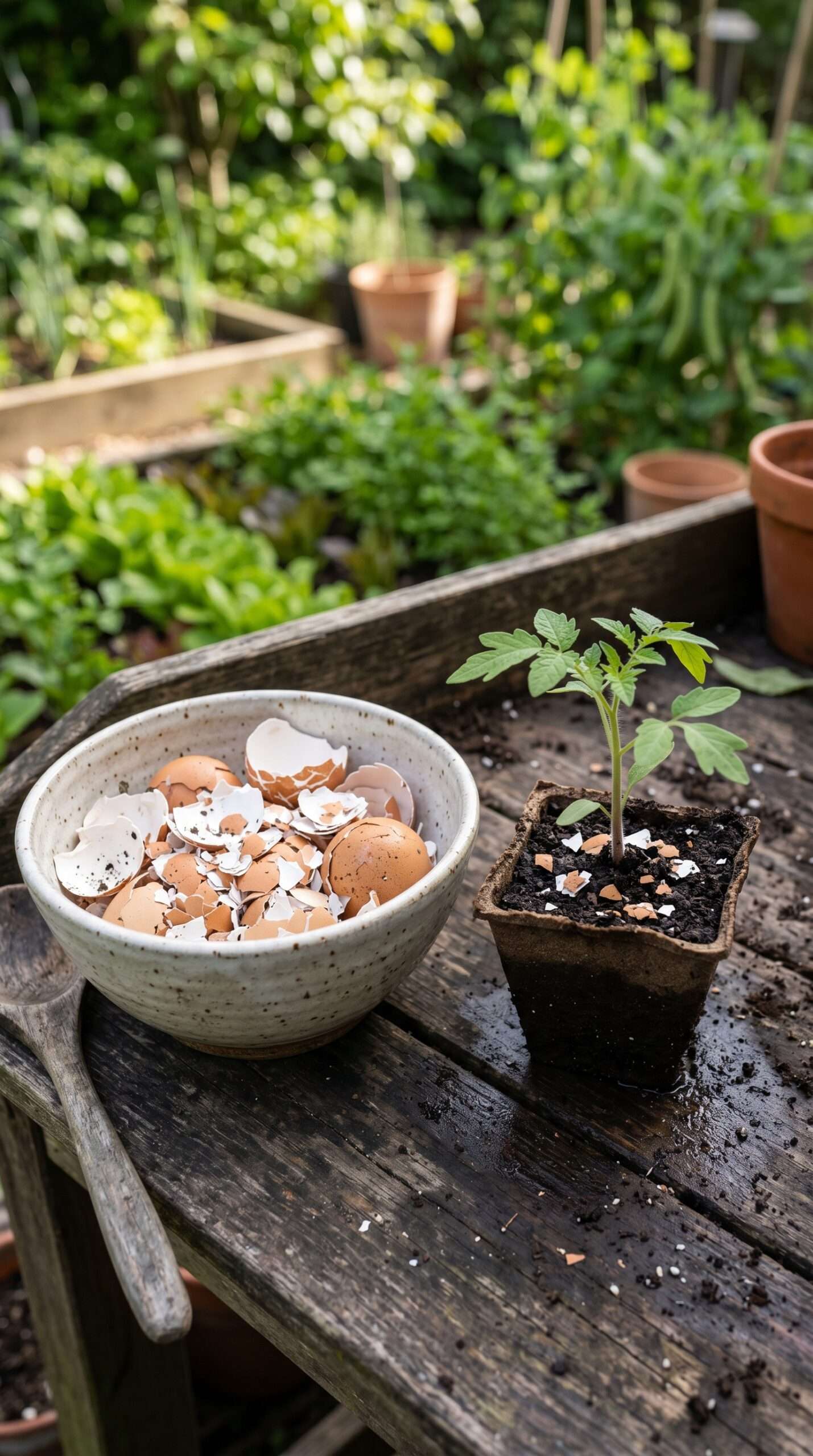
For those who want a zero-waste garden, eggshells are a must. Crushed eggshells provide a jagged, uncomfortable surface for soft-bodied pests like slugs and snails to crawl over.
Why it works: It’s a mechanical deterrent. As a bonus, as they break down, they add calcium to the soil, which helps prevent blossom end rot in tomatoes.
Real-life use case: I save eggshells all winter, crush them into small bits, and create a 2-inch wide barrier around my pepper plants in the spring.
Practical Tip: Bake your eggshells at a low temp (200°F) for 10 minutes before crushing. This kills any bacteria (like Salmonella) and makes them much easier to crush into sharp shards.
11: The Banana Peel Aphid Trick
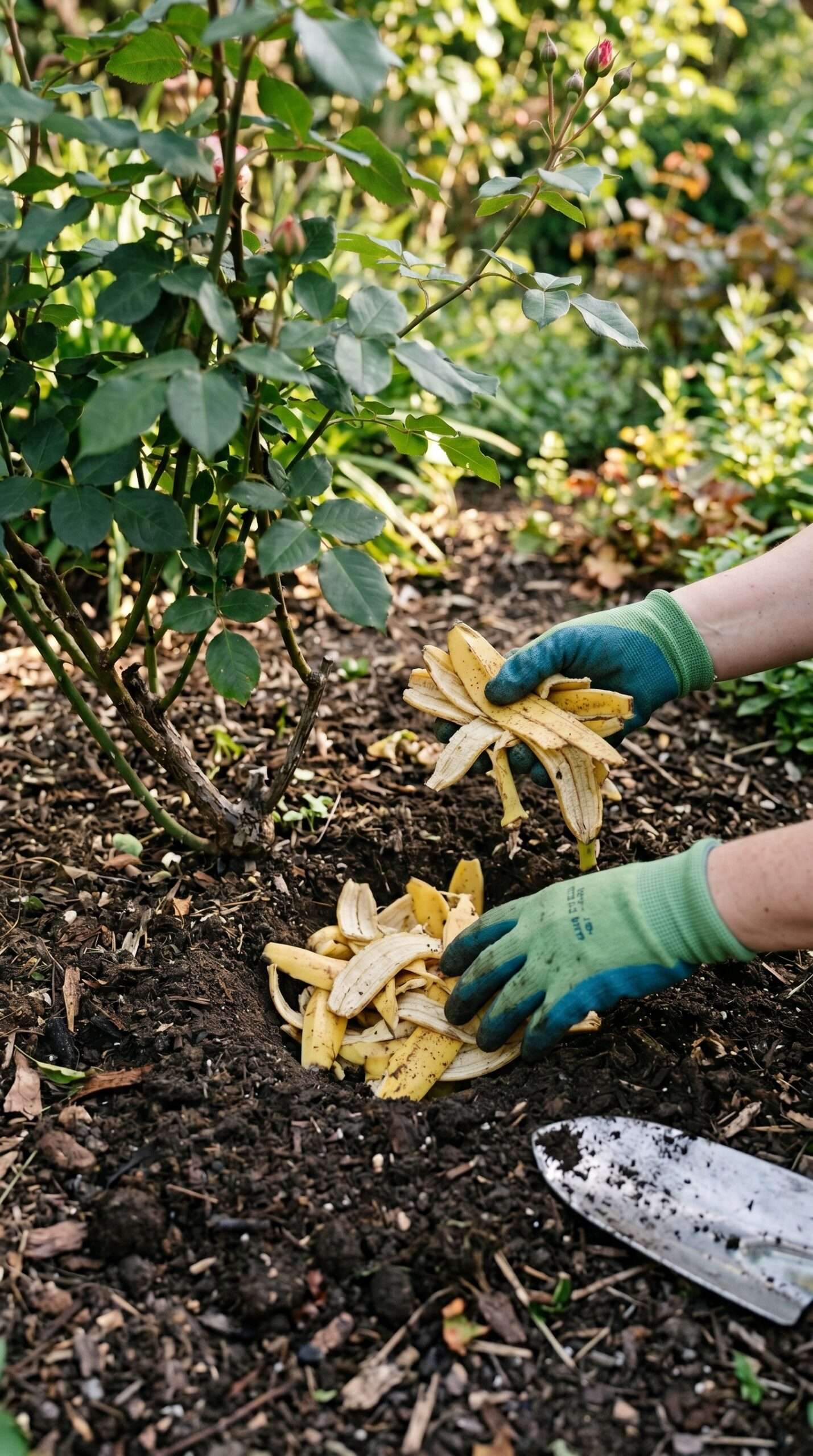
This one sounds crazy, but it’s a favorite among rose enthusiasts. Burying dried banana peels at the base of plants can help deter aphids.
Why it works: It’s believed that the high potassium levels or the specific scent of the decomposing peel is offensive to aphids. While the science is still debated, the anecdotal evidence over decades is strong.
Real-life use case: I chop up banana peels and bury them 1 inch deep around my miniature roses every month.
Practical Tip: Don’t leave them on the surface, or you might attract rodents or fruit flies. Burying them is the key to success.
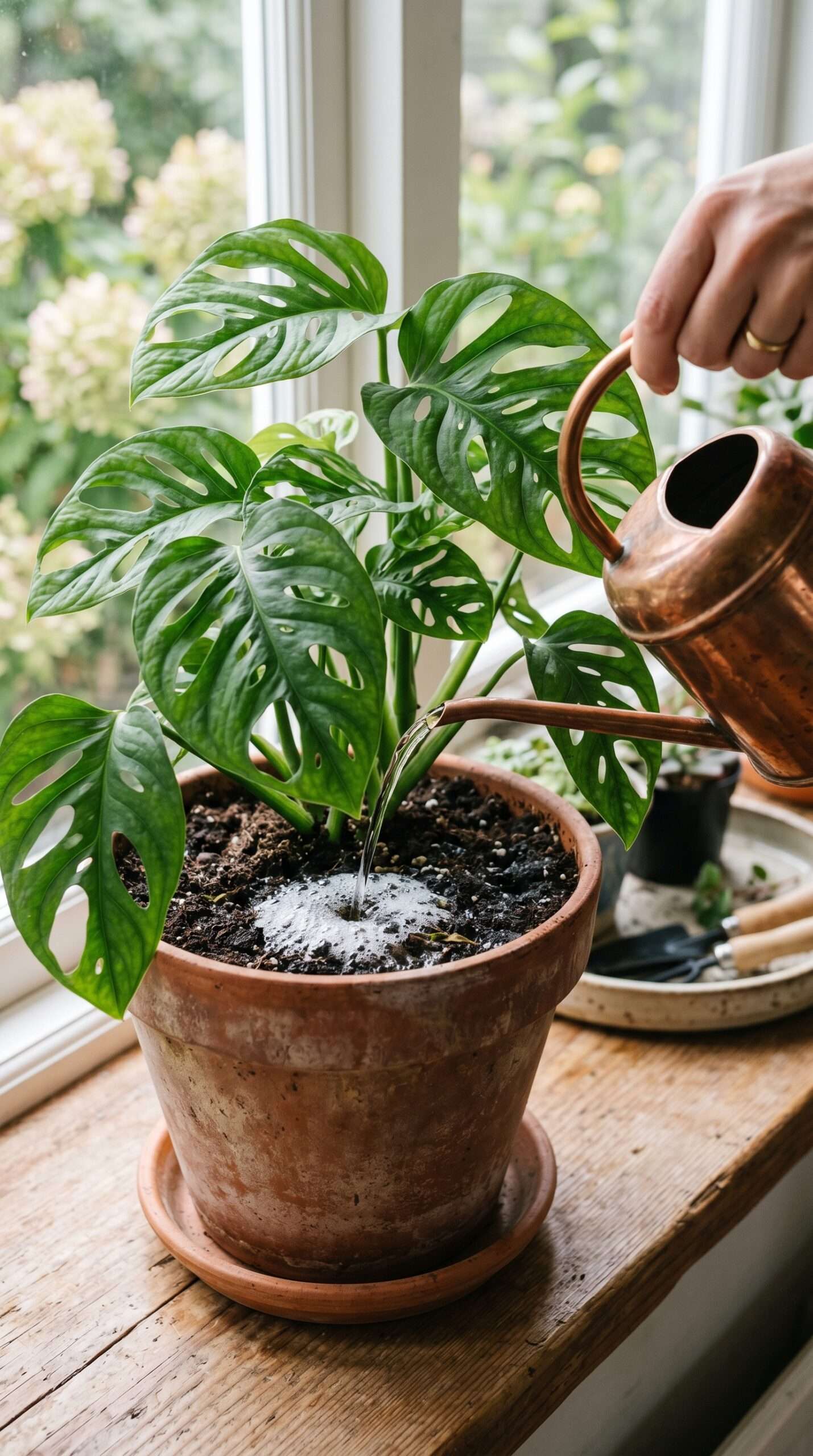
12: Hydrogen Peroxide Soil Drench
For soil-borne pests like fungus gnat larvae or root aphids, a diluted hydrogen peroxide soak can be a lifesaver.
Why it works: The extra oxygen molecule in $H_{2}O_{2}$ kills larvae and fungal spores on contact, then breaks down safely into water and oxygen.
Real-life use case: If I see “gnat clouds” coming from my houseplants, I water them with a 1:4 ratio of 3% peroxide to water. It fizzes a bit, which is just the peroxide doing its job!
Practical Tip: Only use the standard 3% solution found in drugstores. Higher concentrations used for industrial purposes will kill your plant roots.
Pro Tip Section: Companion Planting
Pest control isn’t just about sprays; it’s about strategy. Interplanting your vegetables with strong-smelling herbs like Marigolds, Nasturtiums, and Basil is the ultimate “passive” pest control. For more on this, check out my guide on low-maintenance garden ideas. Marigolds, specifically, release a chemical from their roots that repels root-knot nematodes. It’s like having a tiny security guard for your tomatoes!
13: The Rubbing Alcohol “Q-Tip” Method
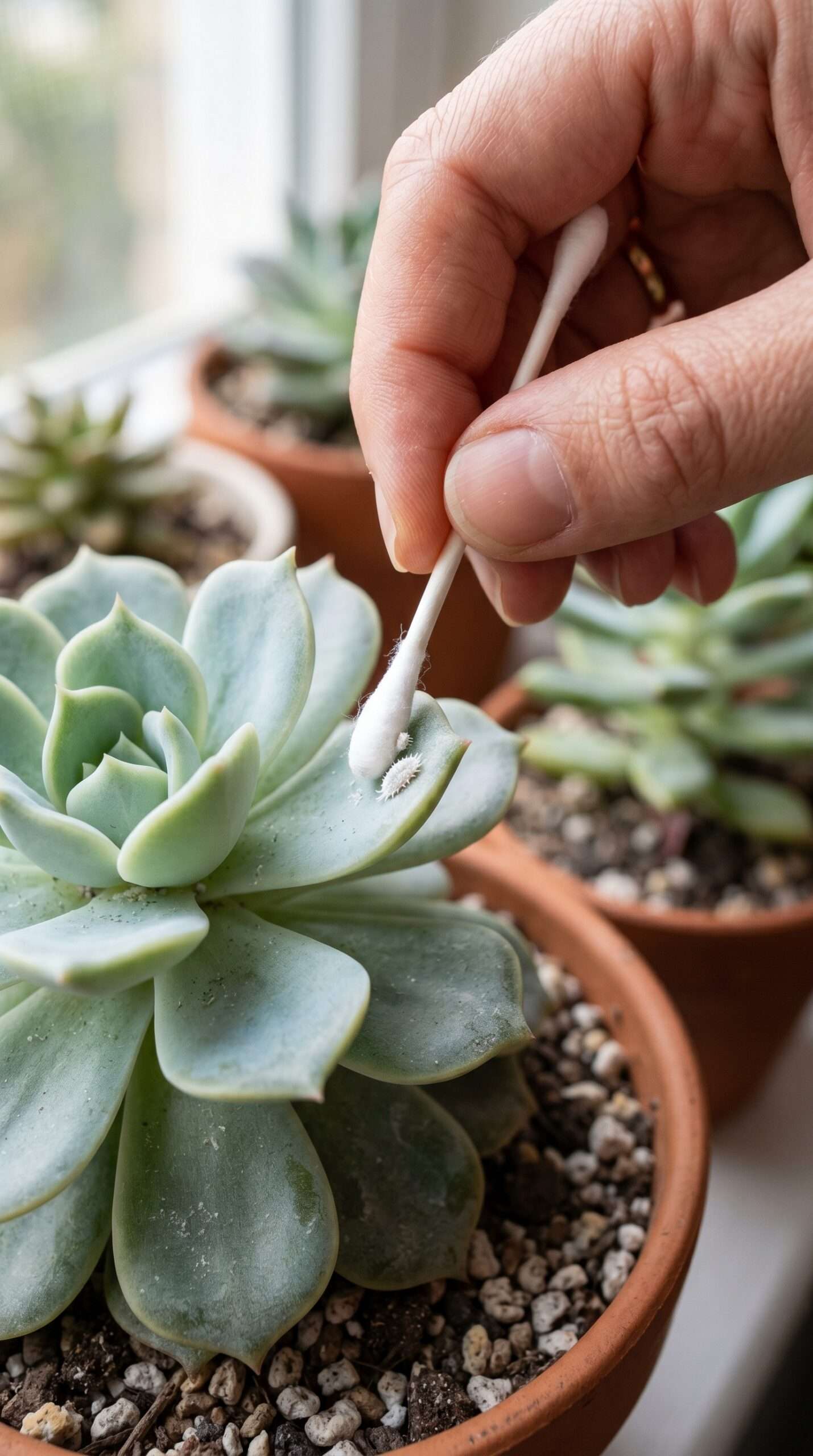
Sometimes, you don’t need a spray; you need a surgical strike. This is specifically for mealybugs—those tiny white cottony puffs that hide in the nooks and crannies of succulents and tropicals.
Why it works: Isopropyl alcohol dissolves the mealybug’s waxy coating and kills them instantly on contact.
Real-life use case: Every few weeks, I inspect my Jade plants. If I see a white speck, I dab it with a Q-tip soaked in 70% rubbing alcohol.
Practical Tip: Avoid doing this in direct sunlight, as the alcohol can cause temporary sensitivity to the plant’s “skin.”
14: The Baking Soda Fungicide
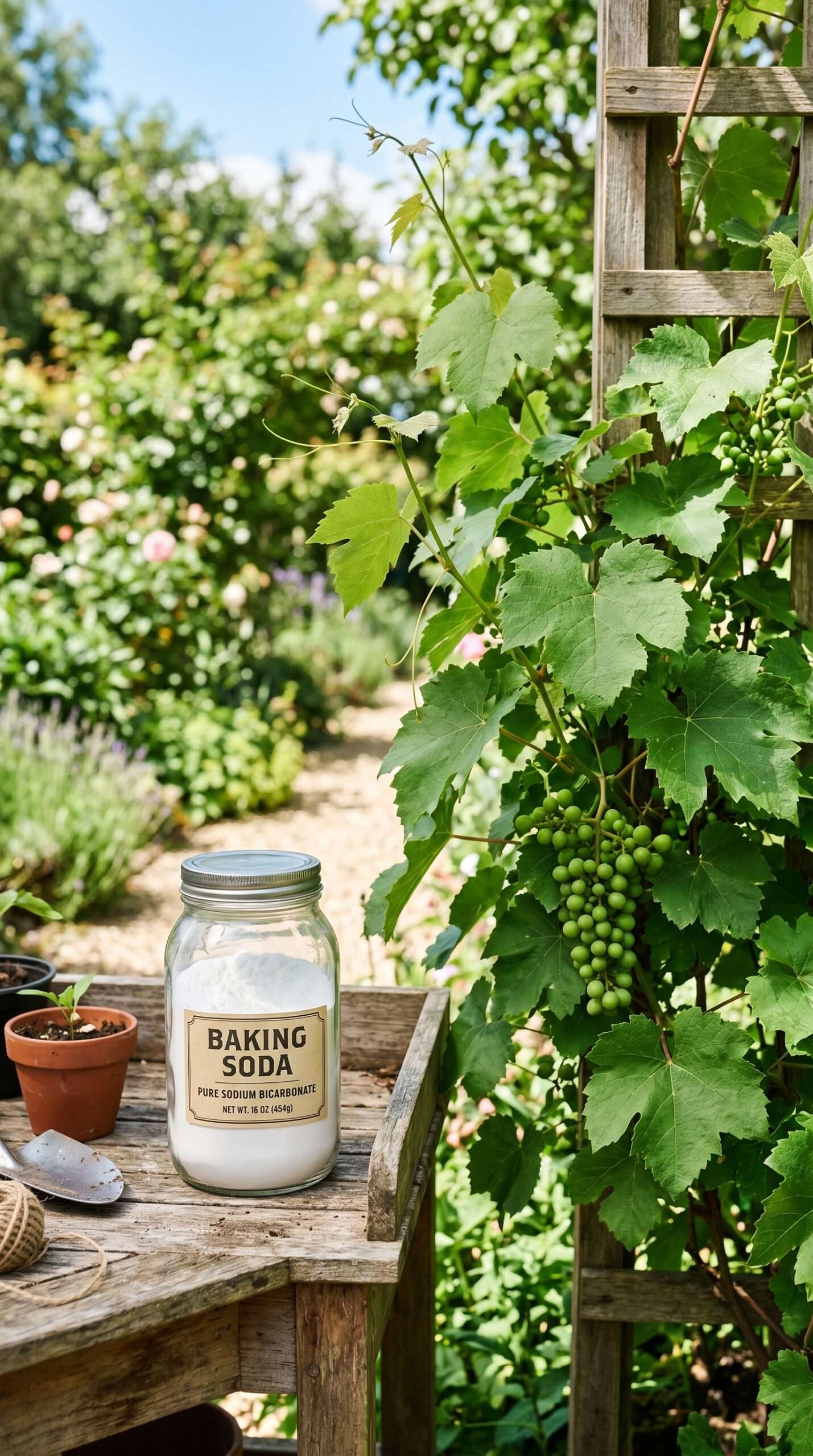
While technically for fungus, many pests are attracted to the weakened tissue caused by fungal infections. A baking soda spray changes the pH level on the leaf surface, making it uninhabitable for spores.
Why it works: Most fungi require a specific acidic environment to grow. Baking soda is alkaline, which disrupts their growth cycle.
Real-life use case: I use this on my grapevines and peonies to prevent early-season rust and leaf spot.
Practical Tip: Mix 1 teaspoon of baking soda with 1 quart of water and a few drops of horticultural oil to help it stick.
15: The “Yellow Bowl” Aphid Trap
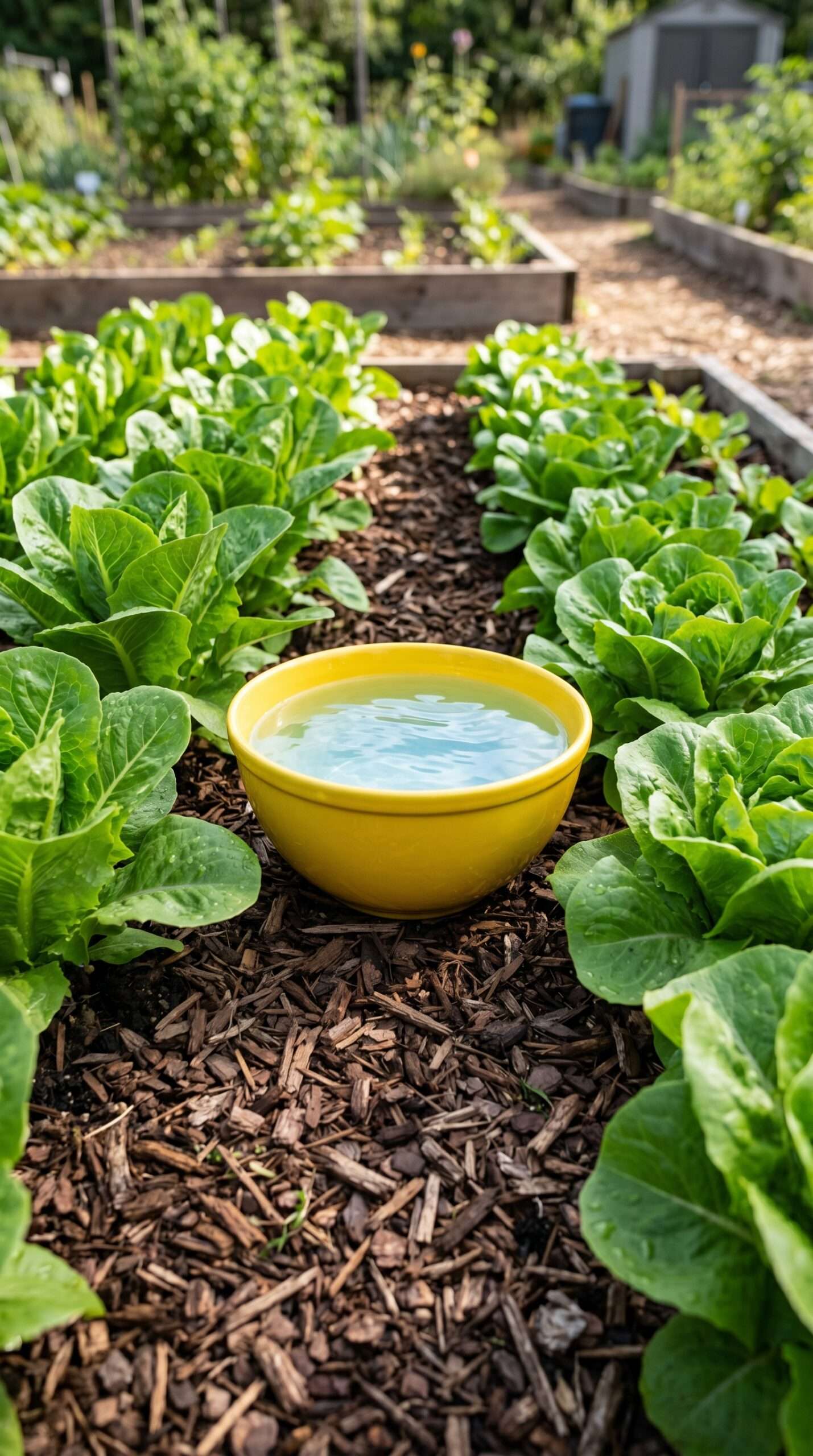
This is a low-tech version of the sticky trap, perfect for outdoor vegetable rows where you don’t want to use adhesives that might catch small birds or beneficial lizards.
Why it works: Aphids are attracted to the yellow color. They fly or crawl into the bowl, which is filled with soapy water, and they cannot get out.
Real-life use case: I place three or four yellow cereal bowls filled with water and a drop of Dawn soap between my rows of lettuce.
Practical Tip: You must use a bright yellow bowl. Pale yellow or orange doesn’t have the same “magnetic” effect on the aphids.
Common Mistake – Ignoring Drainage
When using these organic sprays, remember that “more is not better.” If you saturate the soil with soapy water or oils while trying to hit the leaves, you can mess up the drainage and suffocate the roots. Watering plants correctly is just as important as pest control. Always ensure your pots have holes and your garden beds are well-mulched to balance the moisture.
Practical Mini Guide: How to Start (Simple Plan)
- Identify First: Don’t spray anything until you know what the bug is. Is it a “bad guy” or a “good guy” (like a ladybug larva)?
- Start Weak: Always test a single leaf with your homemade remedy and wait 24 hours to ensure there is no “burn” before spraying the whole plant.
- Clean Up: Remove heavily infested leaves by hand and drop them into a bucket of soapy water. Sometimes “pruning” is the best pest control.
- Consistency: Organic remedies break down quickly (that’s why they’re safe!). You usually need to reapply every 7–10 days or after a heavy rain.
FAQ
Yes, once dry, Neem oil is generally considered non-toxic to mammals. However, it’s always best to keep pets away while the spray is wet.
Many “dish soaps” are actually detergents with degreasers that can be too harsh for plants. Stick to pure Castille soap (like Dr. Bronner’s) for the safest results.
For active infestations, every 3-5 days. For prevention, once every 2 weeks is usually sufficient.
If you spray a ladybug directly with soap or oil, yes. However, since these remedies don’t leave toxic residues, ladybugs can safely return to the plant once the spray has dried.
I wouldn’t recommend it. Some ingredients (like baking soda and vinegar) react with each other. It’s better to target the specific problem you have.
Yes. Homemade sprays don’t have preservatives. Only mix what you plan to use within 24–48 hours for maximum potency.
Gardening is a marathon, not a sprint. Over my 20 years in the dirt, I’ve learned that a few holes in a leaf aren’t the end of the world—it’s actually a sign of a healthy, living garden. My best advice? Don’t try all 15 of these today.
Pick the one that matches your biggest current headache—maybe it’s those aphids on your roses or the slugs in your hostas—and give it a shot. Start with 2–3 ideas, see how your garden responds, and build your organic toolkit from there. You’ve got this!
Transparency Note: All remedies mentioned here are based on common organic gardening practices and 15+ years of personal experience. However, every garden is a unique ecosystem. Factors like humidity, plant variety, and local insect species can affect results. Always test a small area of your plant before full application. This guide is for informational purposes and does not replace professional agricultural advice for large-scale farming.

Aagam – Founder of SpruceTouch
Hi, I’m Aagam — the creator behind SpruceTouch. I’m a home and garden enthusiast who shares practical ideas for backyard design, garden projects, patio decor, and small outdoor spaces. Through SpruceTouch, I focus on simple and budget-friendly ways to improve outdoor living spaces.