
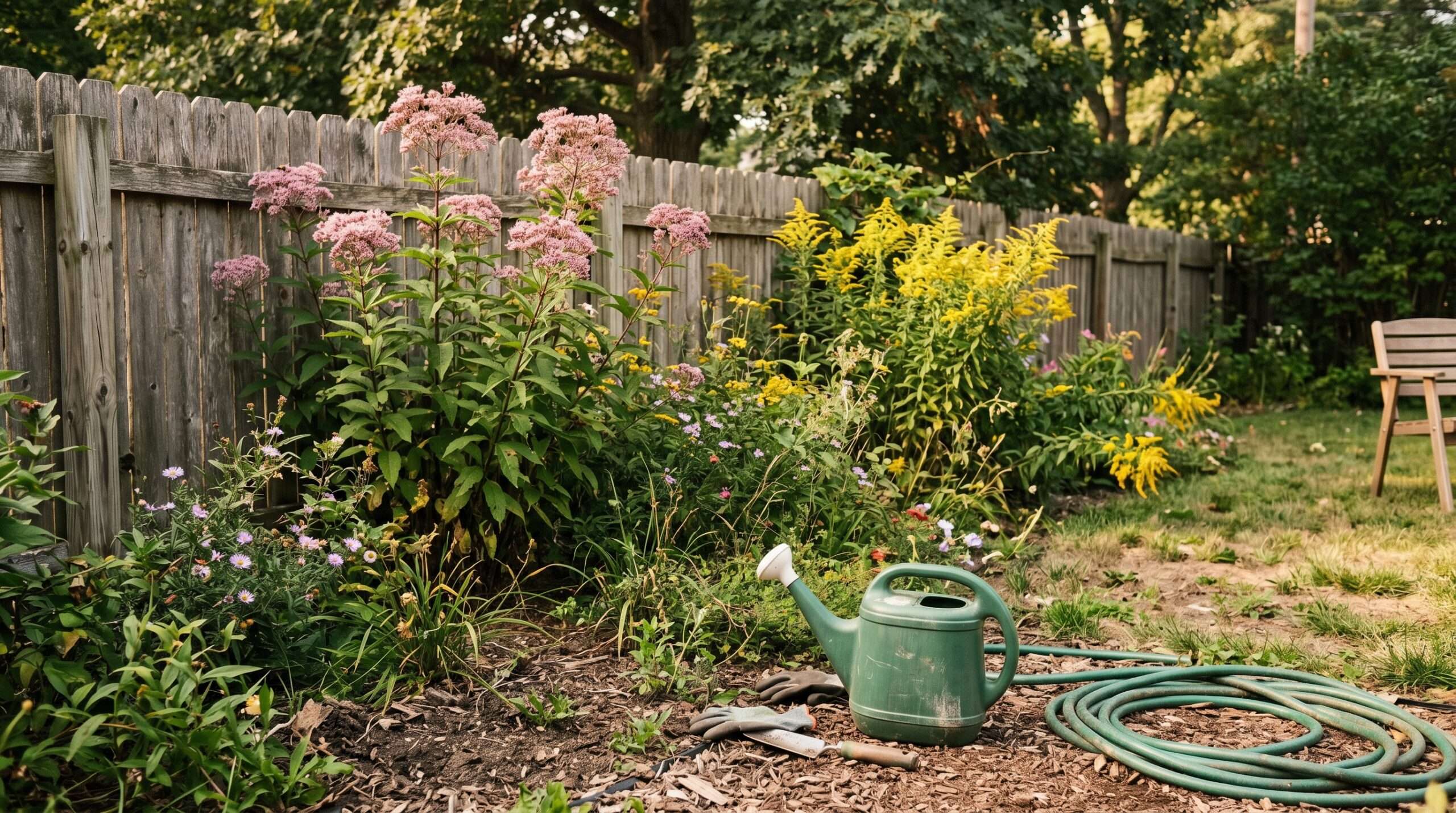
12 Keystone Plants: The “Superstars” for US wildlife and butterfly gardens
If you want to see fewer pests, healthier vegetables, and a backyard that feels alive, you don’t need to plant a hundred different things. You just need to plant the right ones. Today, we are diving deep into the 12 keystone plants that act as absolute superstars for US wildlife and butterfly gardens, giving you a space that functions like a real ecosystem.
I’ve been playing in the dirt for nearly twenty years now, and for the first seven of those years, I did it completely wrong. I used to buy whatever looked pretty at the big-box nursery, stick it in the ground, and wonder why my yard felt silent and sterile.
The turning point came when I stopped planting random exotic hybrids and started focusing on native keystone species. I made plenty of mistakes along the way—including accidentally choking out a patch of expensive perennials with an overaggressive native mint—but that’s how you learn.
Once you shift your focus to these ecological heavy hitters, everything changes, and the garden practically starts taking care of itself.
Quick Check: Is Your Yard Ready for Keystone Plants?
Before you dig, take a quick walk around your property with a cup of coffee and check these four things:
- Sun Mapping: Do you have at least 6 hours of hitting-the-face direct sunlight for the sun-lovers, or patchy, dappled shade under old trees?
- The Bug Test: Are you okay with leaves having little holes chewed in them? (Hint: You should be, because that means food for birds!)
- Drainage Reality: Does your soil turn into a sticky brick of clay, or does water disappear the second it hits the ground?
- Space Limits: Look up—are there power lines or gutters that a massive oak tree will tangle with in fifteen years?
Why “Pretty” Isn’t Enough Anymore
Most of us start gardening because we want something beautiful to look at when we look out the kitchen window. I was the exact same way. I wanted those perfectly curated, neat little rows of colorful flowers that you see on magazine covers.
But here’s the kicker: a lot of those highly cultivated, double-petal nursery flowers are the equivalent of plastic junk food for local wildlife. They look stunning, but they don’t offer real nectar, and our native caterpillars can’t eat the leaves.
One thing I noticed over the years is that when you switch to native keystone plants, your workload actually drops. These plants evolved to live in your regional soil and weather conditions. They don’t need fancy fertilizers, and once their roots are established, they laugh at droughts that would kill a hybrid rose in a week.
When you integrate these into your layout, you’ll notice a massive uptick in beneficial insects, which naturally keeps the bad pests under control. If you’ve been working on a temporary setup, maybe using some renter patio cottage garden ideas, you can still use smaller versions of these keystone plants in large containers to make a massive impact.
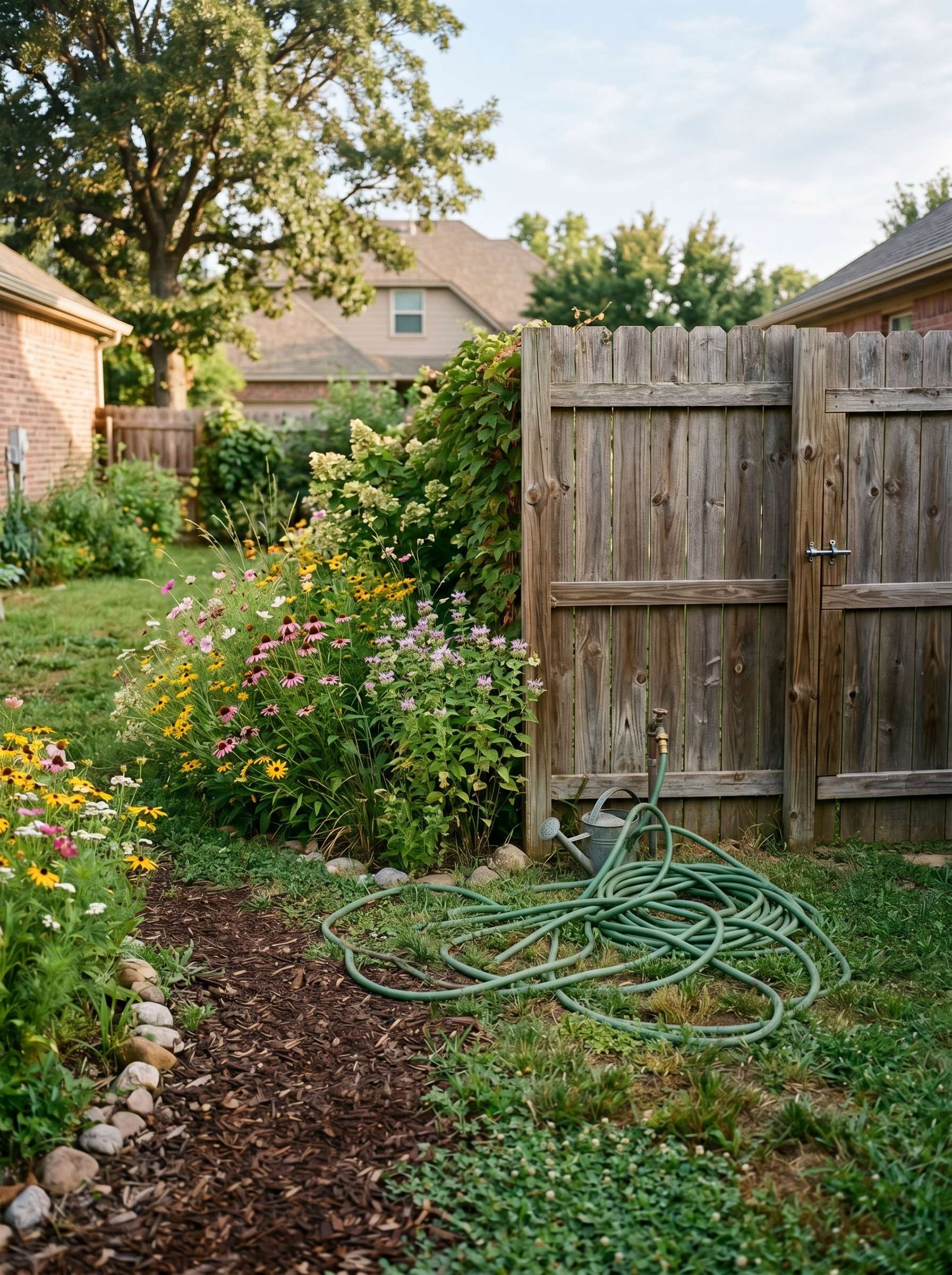
The 12 Keystone Superstars for Your Garden
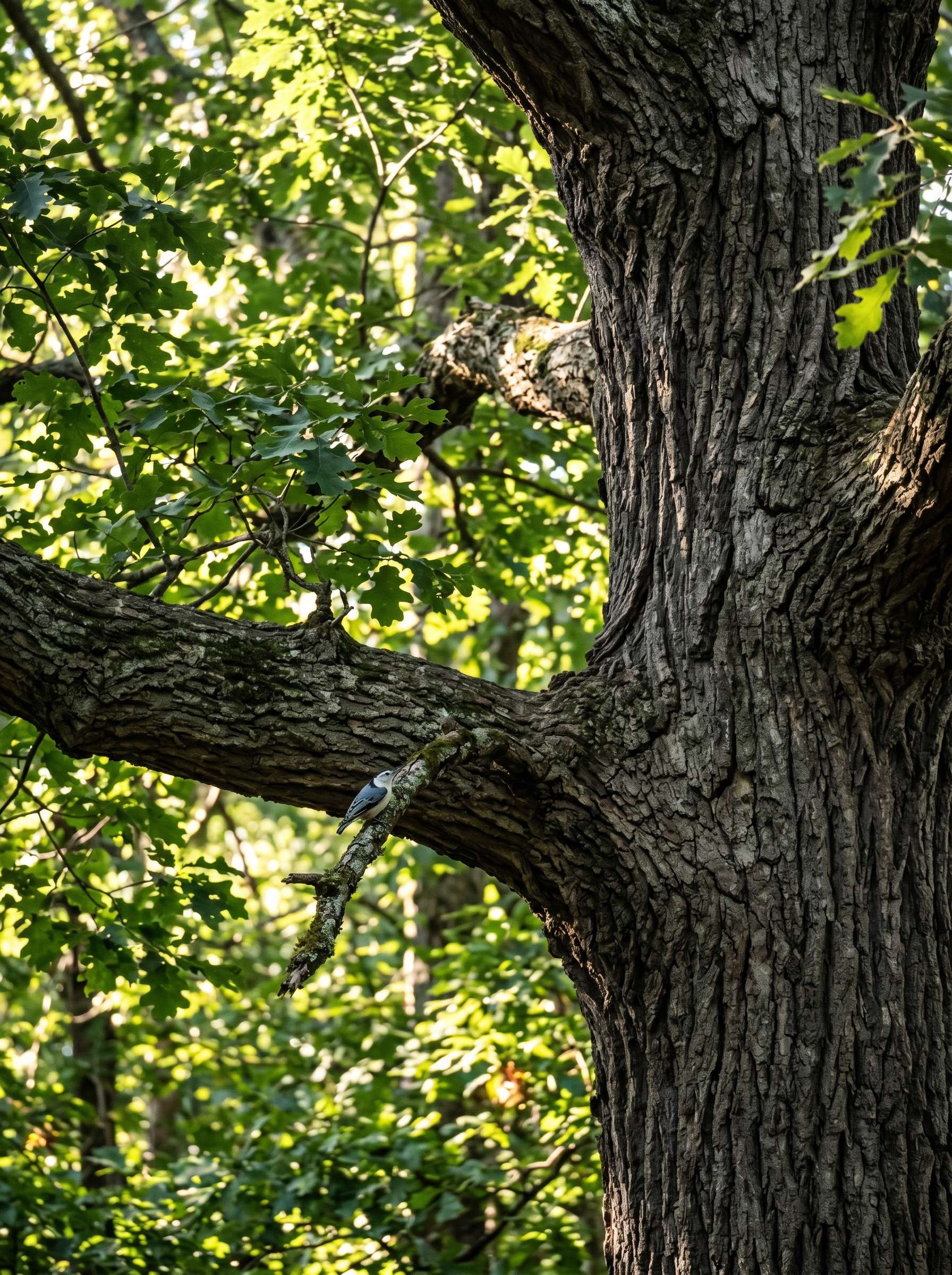
1. Native Oaks (Quercus species)
If you only have room to plant one single thing in your entire yard, make it a native oak tree. I’m not talking about the fast-growing exotic trees that developers plop down in new subdivisions. I mean a proper native white oak, red oak, or live oak depending on where you live in the US.
Oaks are the ultimate biological engine, supporting over 500 species of caterpillars. Those caterpillars are exactly what baby birds need to survive in the spring.
I learned this the hard way: don’t buy a massive, 15-foot tree in a huge plastic tub if you can avoid it. A smaller 3-foot sapling is much cheaper, suffers almost no transplant shock, and will often outgrow the bigger, stressed tree within five years anyway. Just give it room to grow far away from your house foundations and sewer lines.
2. Native Willows (Salix species)
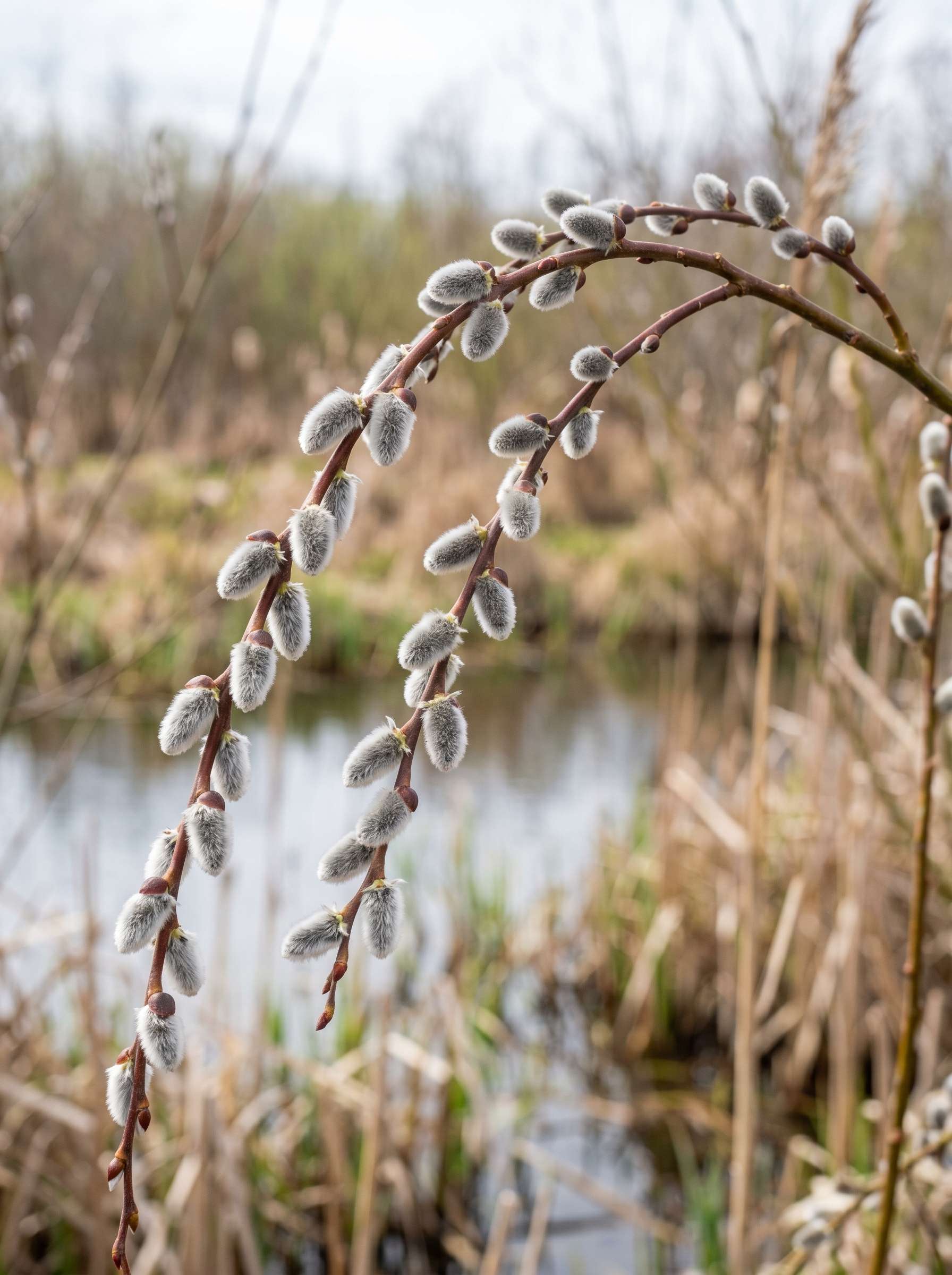
Now, don’t panic—I am not telling you to plant a massive, plumbing-destroying Weeping Willow right next to your septic tank. Instead, look at smaller shrub-like native options like the Pussy Willow (Salix discolor) or Black Willow (Salix nigra) if you have a low spot in your yard that stays wet after a heavy rain.
Willows are one of the earliest plants to wake up and bloom in the late winter or early spring.
The best part? When early emerging queen bumblebees wake up hungry on a chilly March morning, those fuzzy willow catkins provide the life-saving pollen they desperately need. I have a wet ditch at the back of my property where nothing else would grow, stuck a few native willow cuttings in the mud, and now it’s a buzzing haven every spring.
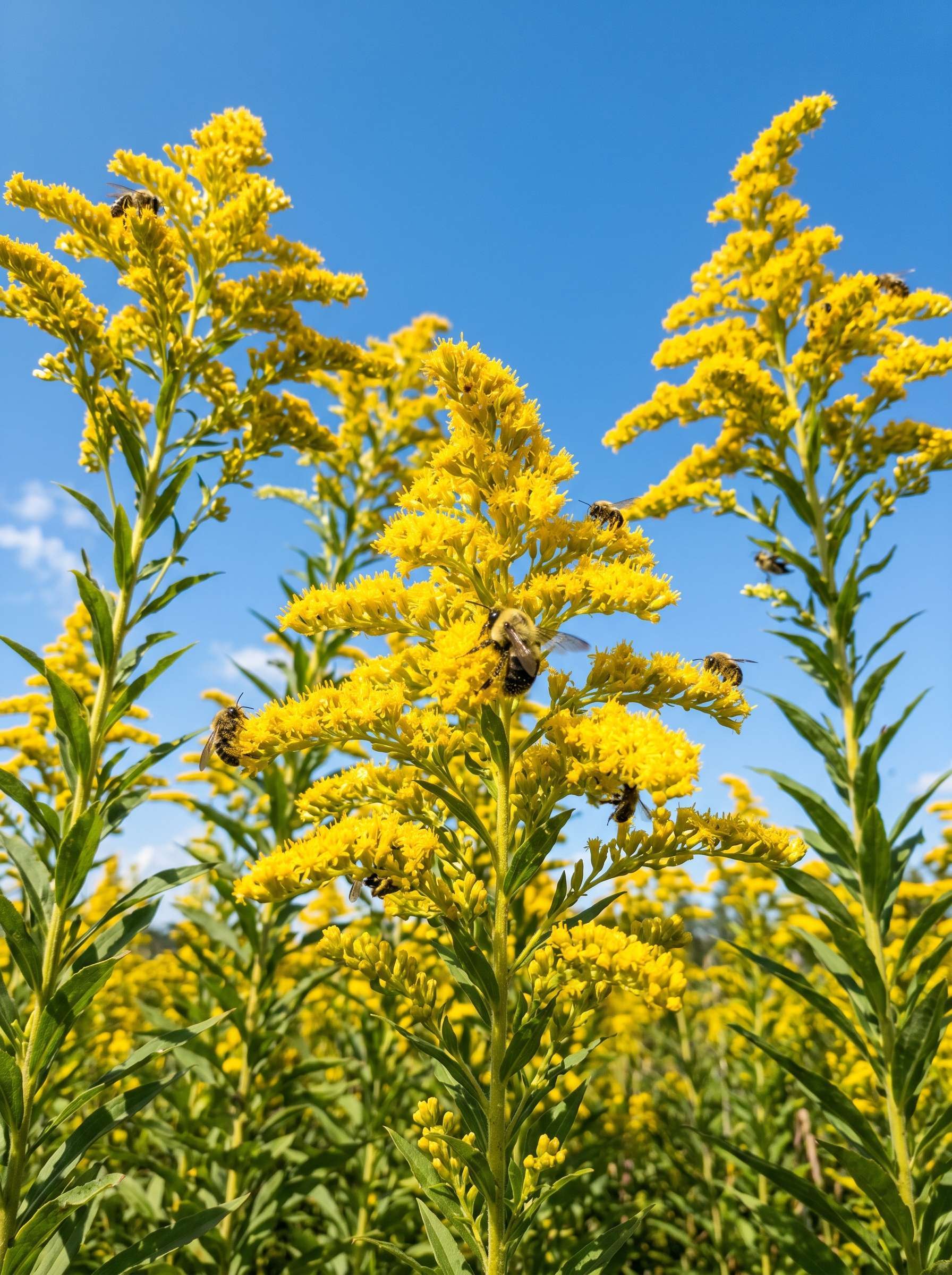
3. Goldenrods (Solidago species)
There is a massive myth out there that goldenrod causes hayweed allergies in the fall. Let’s clear that up right now: it doesn’t. The real culprit is ragweed, which blooms at the exact same time but has ugly, inconspicuous green flowers with airborne pollen. Goldenrod pollen is heavy and sticky, meaning it needs insects to move it around.
Goldenrod is an absolute magnet for late-season butterflies, migrating Monarchs, and native bees trying to stock up before winter.
But wait, there’s a catch: some species, like Canada Goldenrod (Solidago canadensis), are incredibly aggressive and will take over a small yard via underground runners before you even realize what happened. For a standard home garden, look for better-behaved species like ‘Fireworks’ Rough-stemmed Goldenrod (Solidago rugosa) or Zigzag Goldenrod (Solidago flexuosa) for shadier spots.
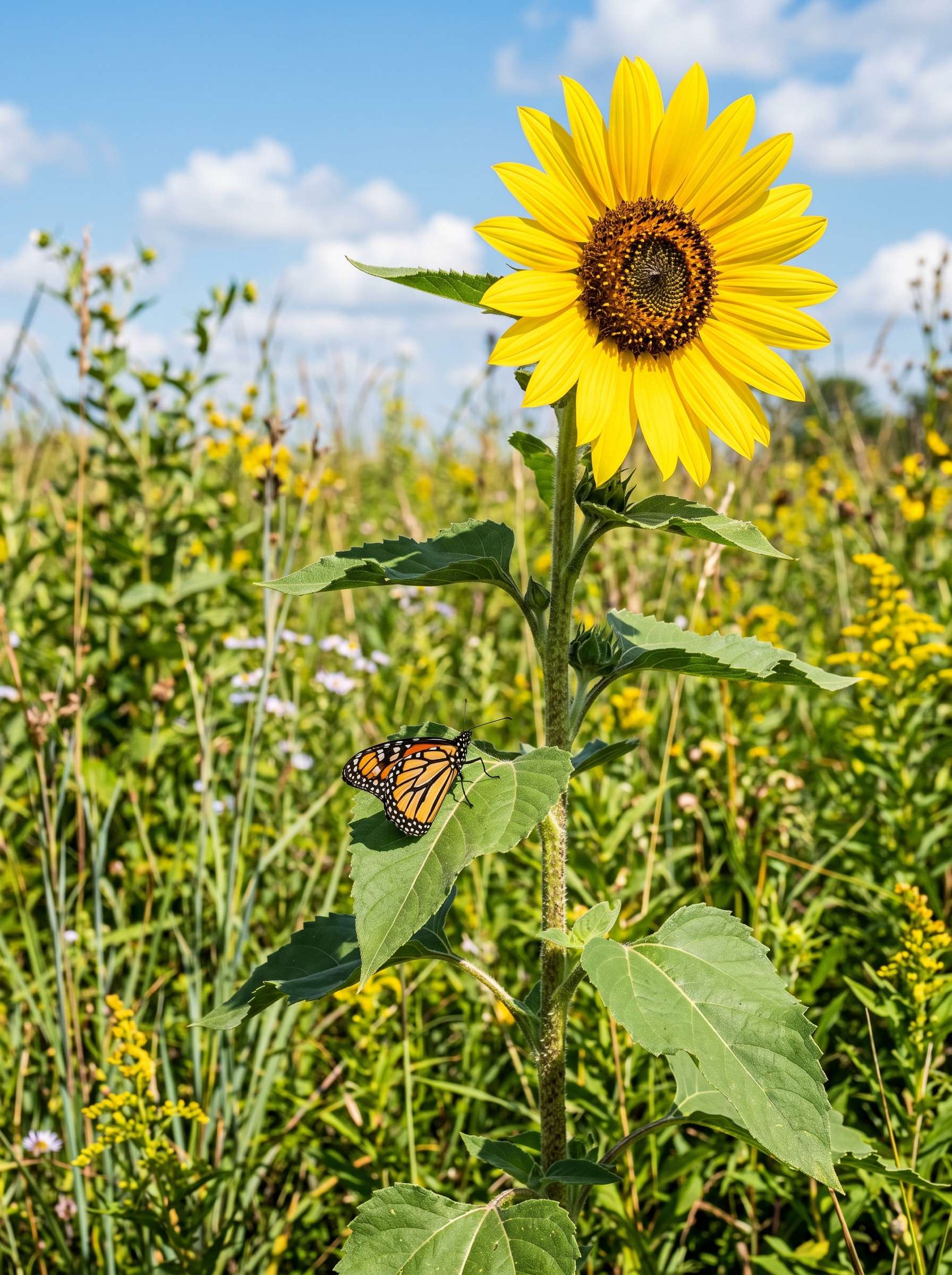
4. Native Sunflowers (Helianthus species)
I am not talking about the giant annual sunflowers you grow for competition, though those are fun too. I am talking about our native perennial sunflowers like the Swamp Sunflower (Helianthus angustifolius) or Woodland Sunflower (Helianthus divaricatus).
These plants are tough as nails. They will grow in awful, compacted soil and keep blooming late into August and September when everything else looks tired and burnt out.
Here’s where most people go wrong: they plant them in rich, highly fertilized soil. When you do that, the plants grow way too fast, become incredibly floppy, and fall over into the grass after the first summer thunderstorm. Keep them in lean, average soil, and if they get too tall by June, just chop the top third off with a pair of shears to make them bushier.
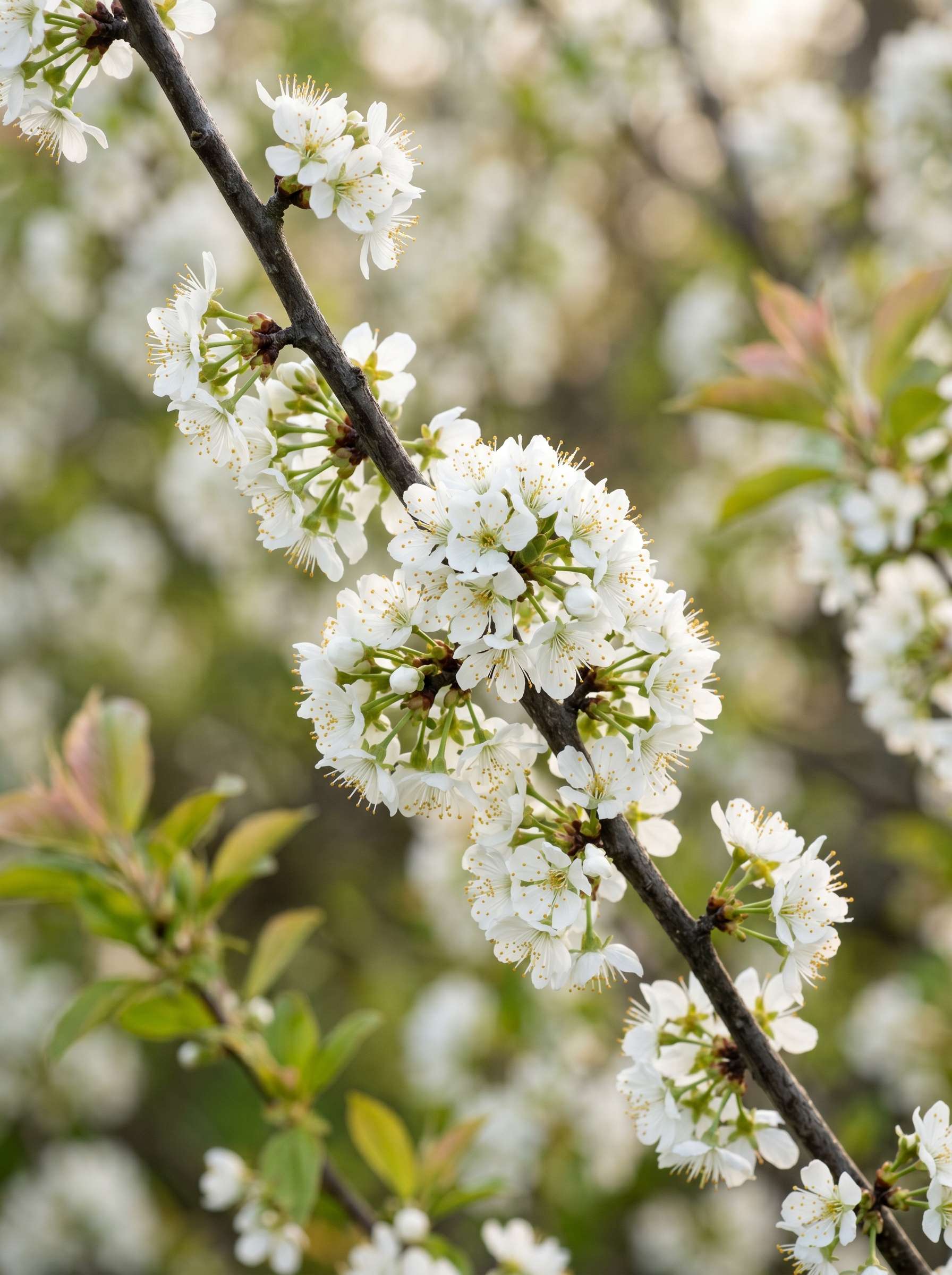
5. Wild Cherries and Plums (Prunus species)
A lot of people avoid planting wild black cherry (Prunus serotina) or beach plum because they don’t want the messy dropped fruit on their pristine lawn. But if you have a back corner or a wild edge where you don’t mind a few fallen fruits, these trees are pure gold for wildlife.
They host hundreds of butterfly and moth species, and the summer fruit is a premium food source for songbirds.
If you have a smaller yard, look for native shrubby plums like the American Plum (Prunus americana). The spring blossoms smell absolutely incredible—far better than any artificial air freshener—and you might even get enough tart fruit to make a batch of real homemade jelly if the birds don’t beat you to it.
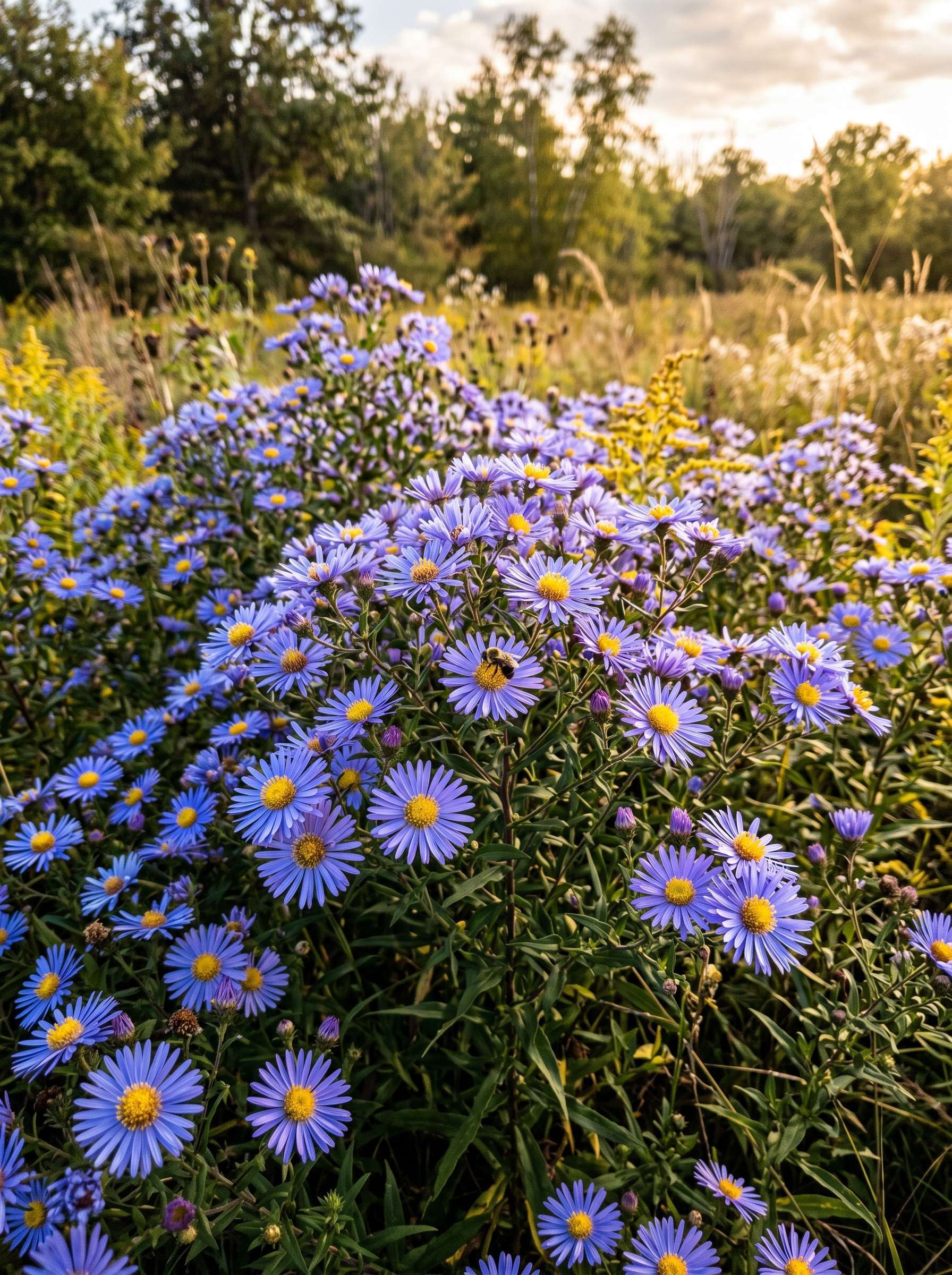
6. Asters (Symphyotrichum species)
When the summer heat breaks and everything else in the garden starts to fade into shades of brown, asters step up to the plate. They offer beautiful explosions of purple, blue, and white flowers right through the first hard frost.
Asters provide critical late-season nectar for native bees that are wrapping up their life cycles.
I love pairing these with goldenrods for a stunning natural color contrast. If you’re looking to upgrade your overall curb appeal with long-term plants, incorporating these can fit beautifully into a well-planned landscape, much like using specific colors to elevate your space as outlined in this jewel tone garden guide. Just remember to cut them back by half in early summer so they stay compact and loaded with flower buds.
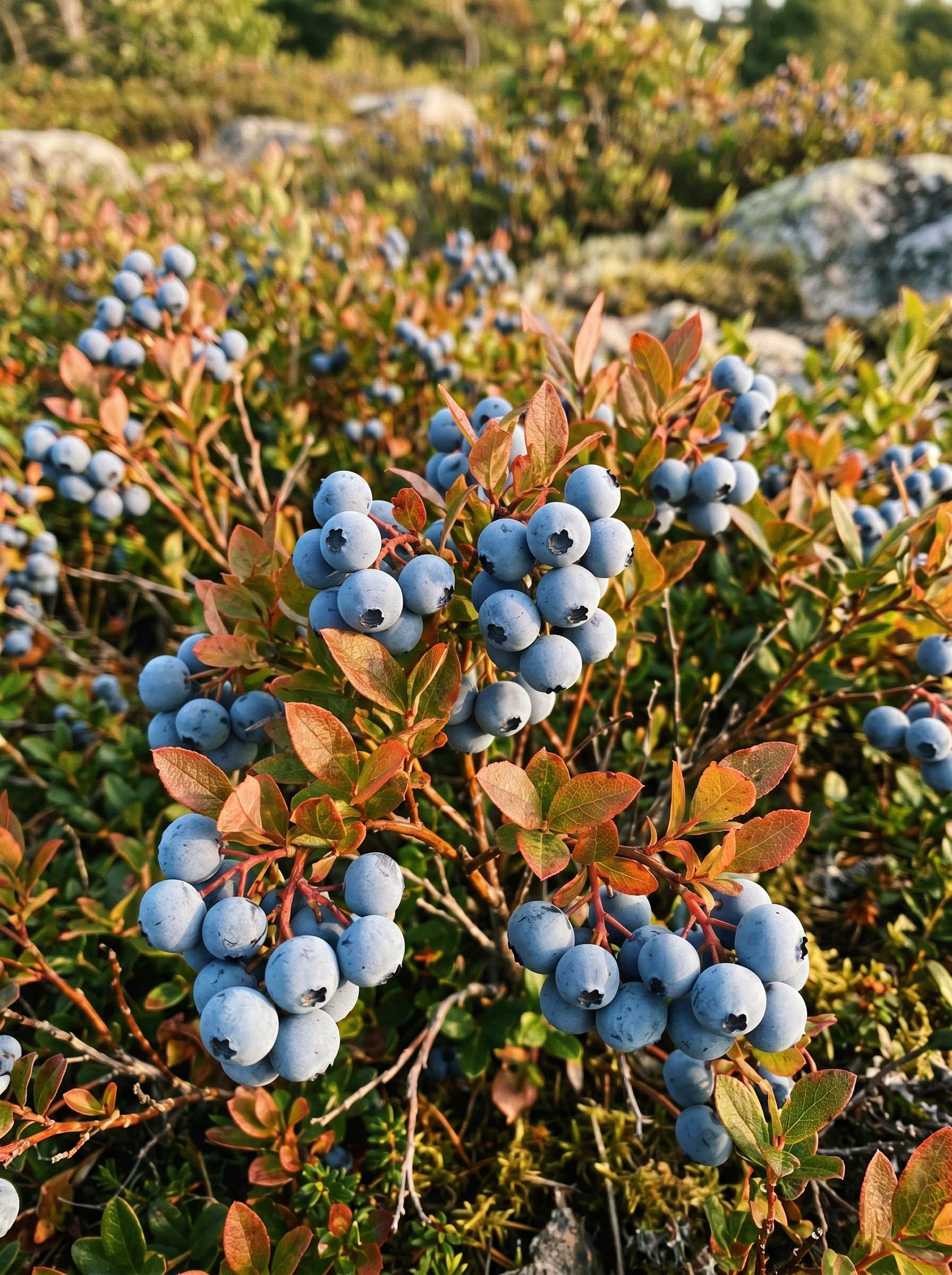
7. Blueberries (Vaccinium species)
Most people put blueberries in their vegetable garden or fruit patch, but they deserve a spot right in your front landscape beds. Not only do they produce delicious fruit for both you and the birds, but their delicate white bell-shaped flowers are a favorite of native bumblebees.
Plus, their fall foliage turns a spectacular, burning fiery red that rivals any exotic burning bush.
The big trick with blueberries is soil acidity. If your soil pH is up around 7.0, your blueberries will sit there, turn yellow, and slowly give up the ghost. I always mix a generous bucket of peat moss or elemental sulfur into the planting hole to lower the pH, and then mulch them heavily with pine needles.
8. Native Maples (Acer species)
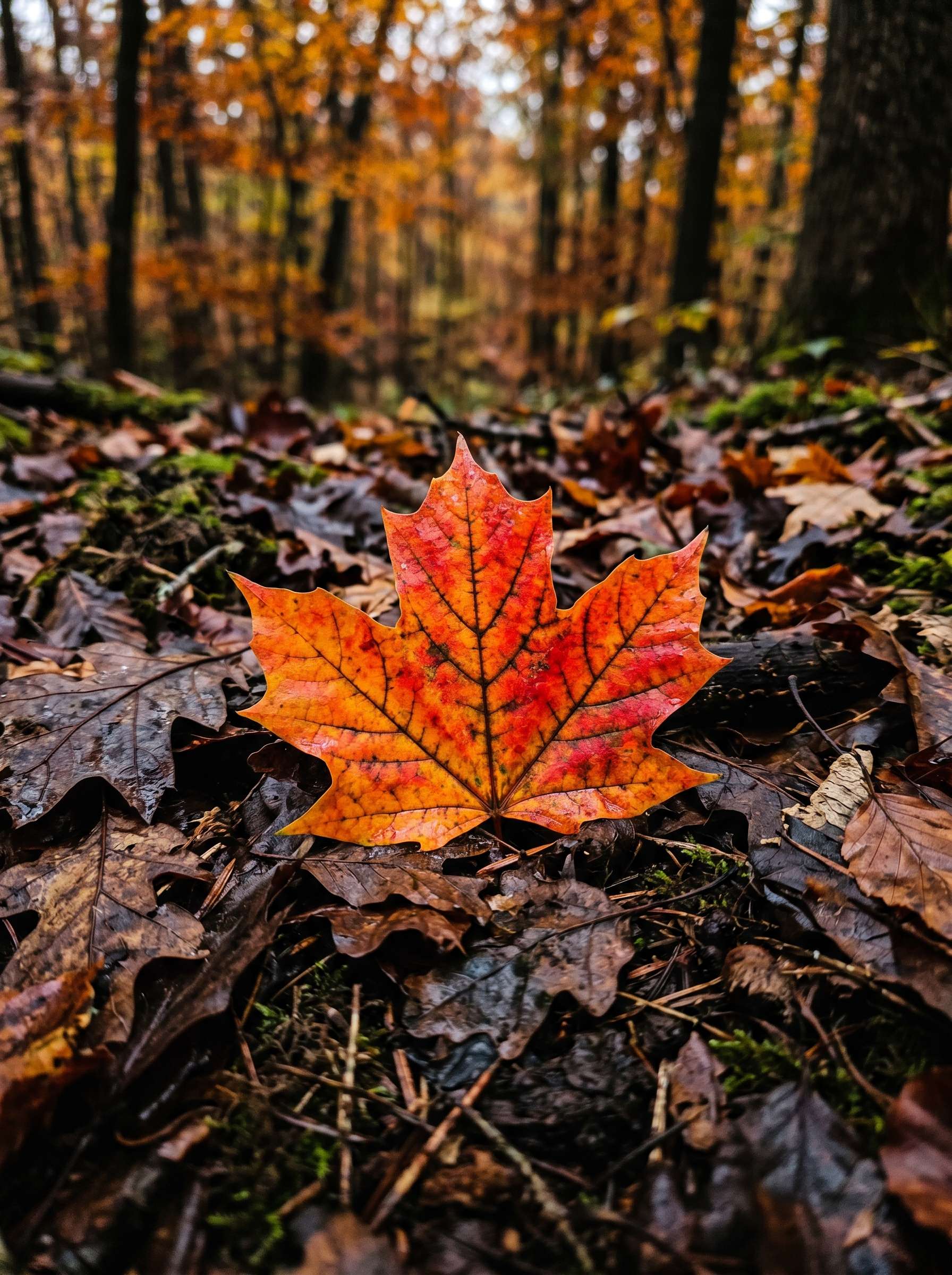
Skip the invasive Norway maples or the overplanted Japanese maples if you want to maximize ecological value. Instead, look toward Sugar Maples (Acer sacharum) or Red Maples (Acer rubrum).
Beyond their stunning autumn color displays, their early spring buds provide an essential food source for wildlife when very little else is awake.
One thing to keep in mind: red maples have very shallow, aggressive root systems. Don’t try to plant a delicate, high-maintenance flower bed right underneath one, because the tree will steal all the moisture and nutrients. Instead, let natural leaf litter accumulate under the canopy to create a soft, self-mulching zone that shelters overwintering insects.
9. Pines (Pinus species)
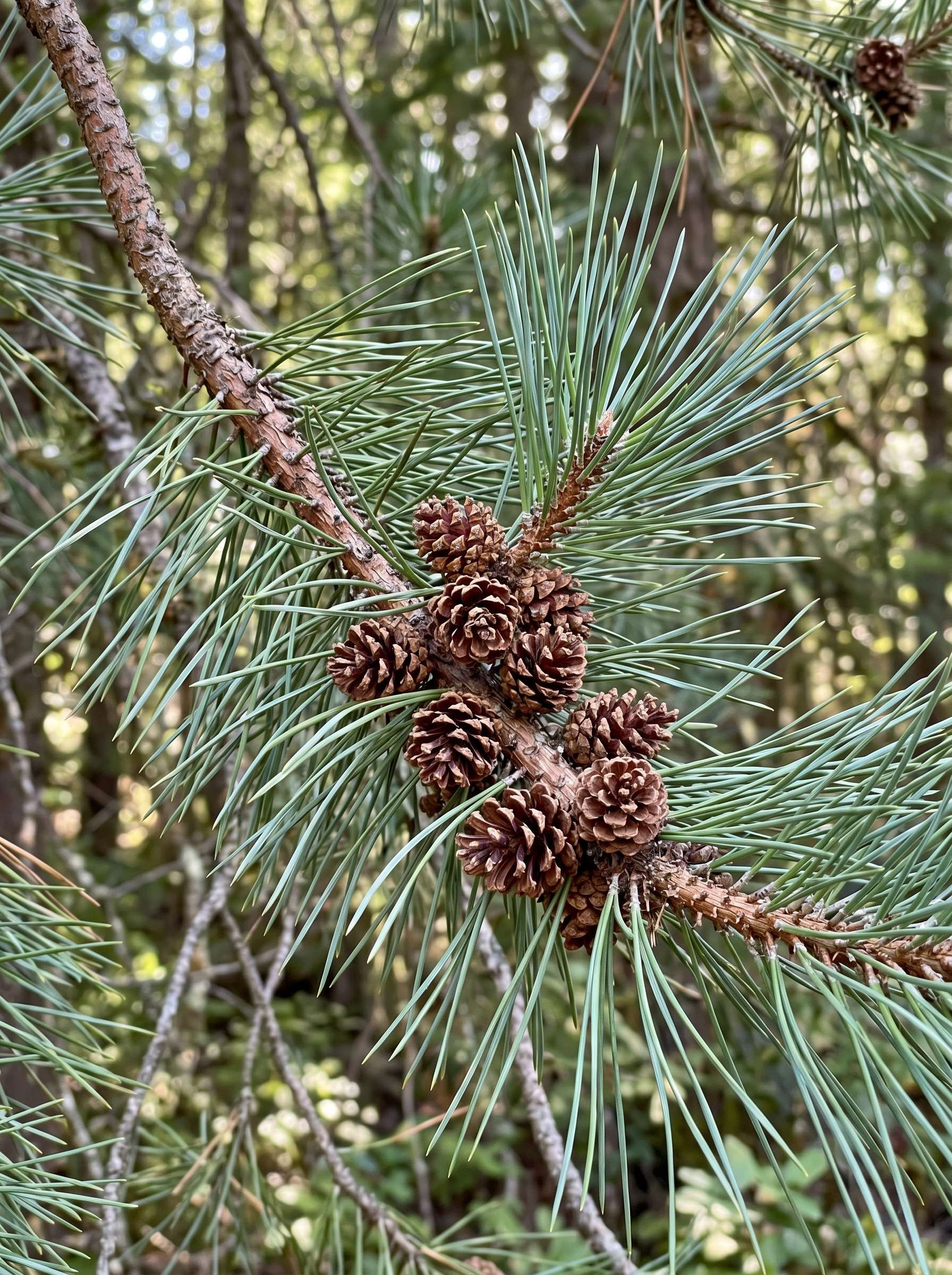
Evergreens are often forgotten when people talk about butterfly and pollinator gardens, but they are absolutely essential for structural cover. A bird can’t raise a family or hide from a hawk in a bare, leafless winter shrub.
Native pines, like the Eastern White Pine (Pinus strobus) or Pitch Pine, offer incredible year-round shelter and nesting sites.
The fallen needles make the absolute best, free mulch you can find. It stays in place during heavy rain, doesn’t mats down like heavy wood chips, and naturally keeps the soil nicely acidic for your blueberries and asters. I collect bags of needles from my driveway every fall just to use in my garden beds.
10. Joe-Pye Weed (Eutrochium species)
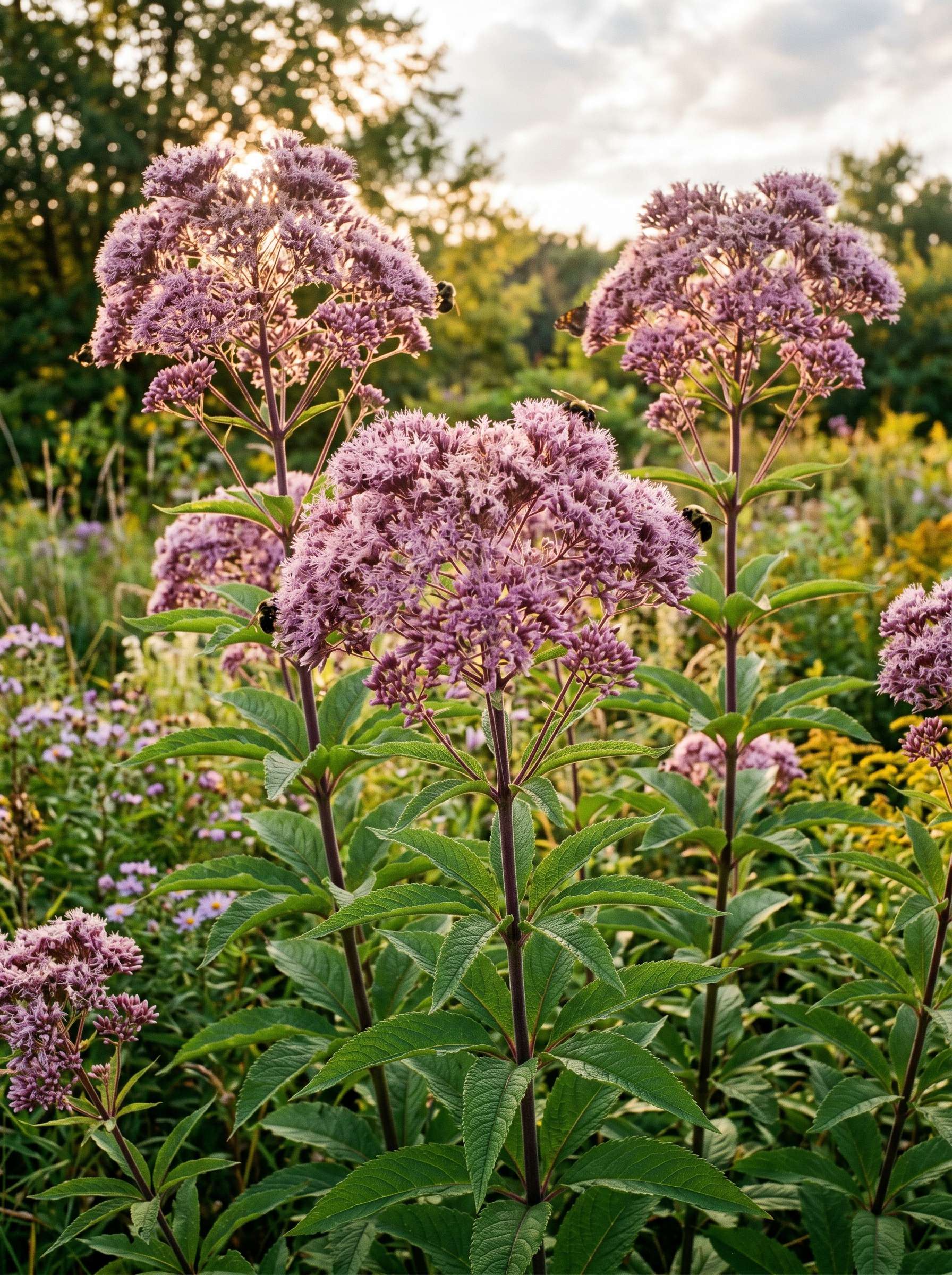
If you have a spot that gets blasted by full sun and stays consistently damp, Joe-Pye weed is your best friend. This plant grows into an impressive, stately giant, often reaching six to eight feet tall by the end of summer, topped with massive, dusty-pink flower heads.
It is a literal landing pad for giant Swallowtail and Monarch butterflies.
Because of its sheer size, you’ll want to place it at the absolute back of your garden beds so it doesn’t swallow up your smaller plants. It has incredibly sturdy stems that rarely need staking, and it looks beautiful even in the dead of winter when the seed heads catch the morning frost.
11. Milkweeds (Asclepias species)
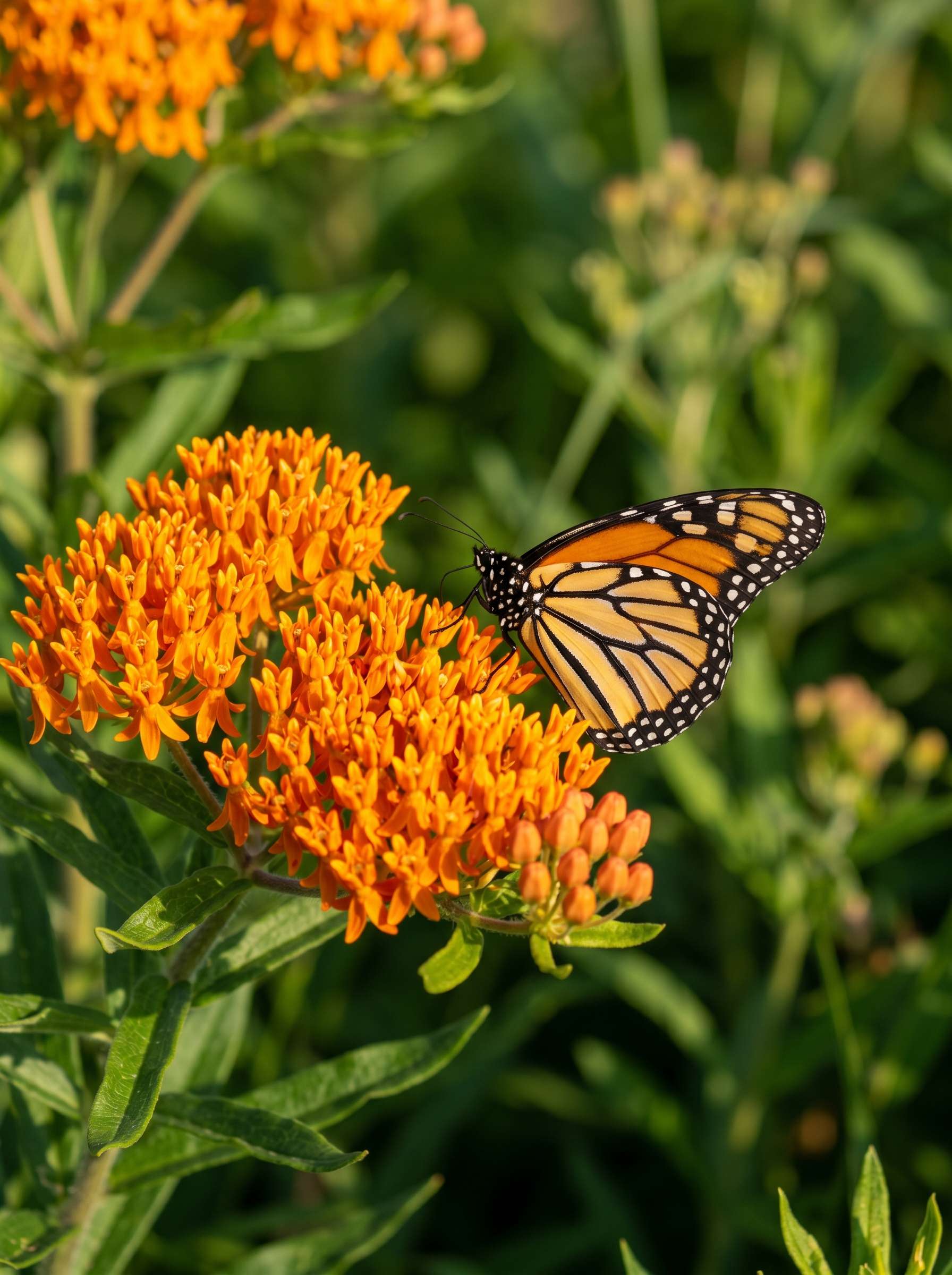
We can’t talk about butterfly gardens without mentioning milkweed. It is the only plant that Monarch butterfly caterpillars can eat. If you want Monarchs, you absolutely must plant milkweed.
But pick the right one for your specific soil type.
Common Milkweed (Asclepias syriaca) is wonderful but spreads like wildfire via underground rhizomes—perfect for a wild meadow, but a nightmare for a small neat garden bed. For managed beds, go with Swamp Milkweed (Asclepias incarnata) if you have moist soil, or Butterfly Weed (Asclepias tuberosa), which stays short, has gorgeous bright orange flowers, and thrives in dry, gravelly dirt.
12. Evening Primrose (Oenothera species)
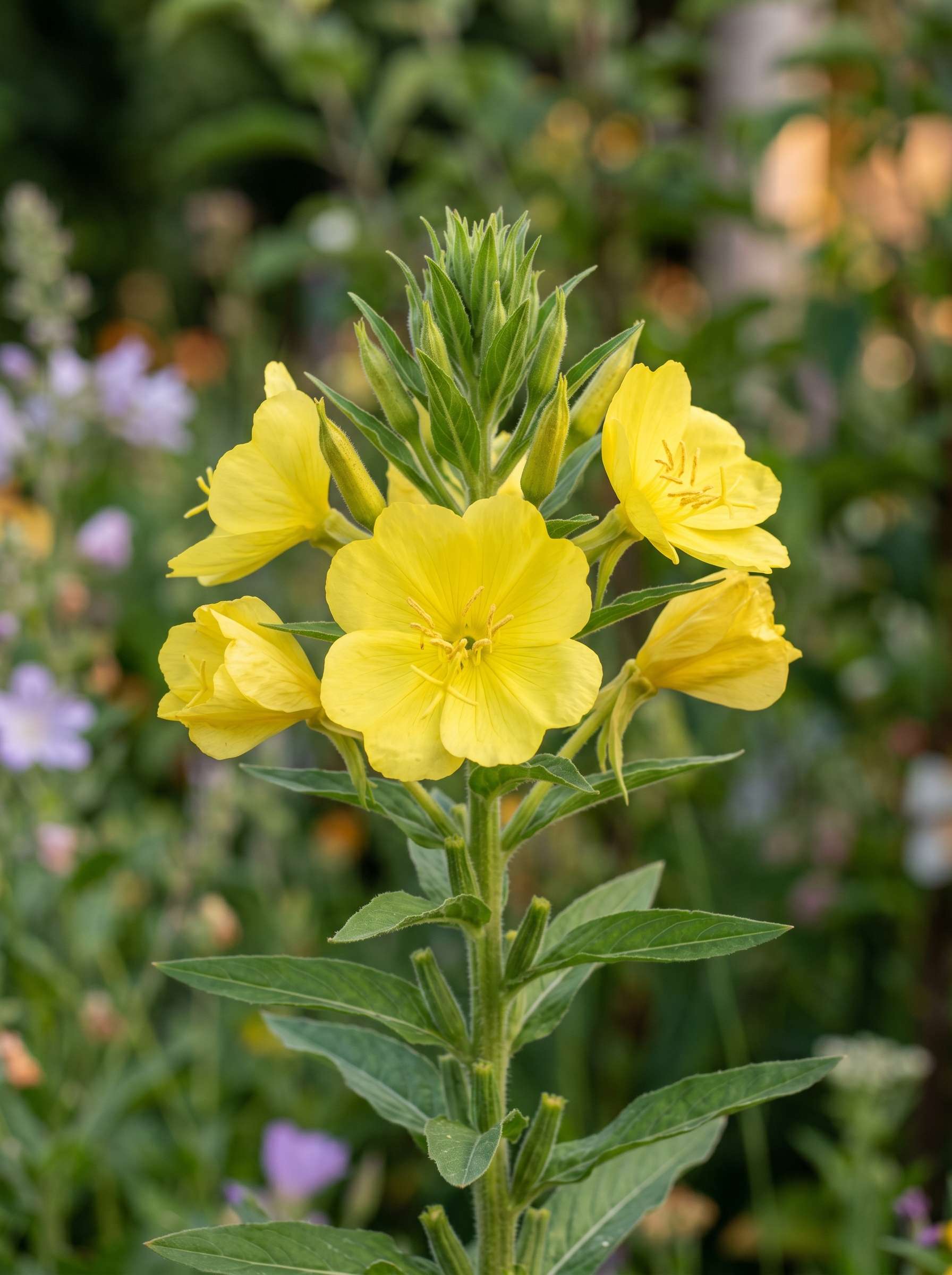
This is one of my personal favorites because it does something a bit unusual: the bright yellow flowers open up late in the afternoon and stay open through the night, releasing a sweet scent into the evening air.
This makes it a critical food station for nocturnal pollinators, especially beautiful Sphinx moths.
It’s an incredibly tough biennial plant that will happily seed itself into cracks between paving stones or gravel driveways. If it pops up somewhere inconvenient, it’s very easy to pull out, but I always leave a few patches around just to watch the moths hover around them at dusk.
Setup Guide: Getting Your Keystone Plants in the Ground
You don’t need a tractor or fancy heavy machinery to get started with this. In fact, keeping things simple usually leads to better results over time. Here is the exact process I use when adding a new native plant patch to my yard.
Step 1: Scalp the Grass
Mark out your new garden bed area using a flexible garden hose laid on the ground. Once you like the shape, use a sharp spade to slice just under the grass roots and peel the turf away. Don’t throw that turf away—toss it face down into your compost pile!
Step 2: Check Your Base
Don’t worry about rototilling the whole area, which just wakes up buried weed seeds. Instead, just dig a hole that is twice as wide as your plant’s root ball, but exactly the same depth. If you are dealing with severely compacted dirt from recent home construction, you might want to spend some time learning how to restore it using a soil health and prep guide before planting your expensive new perennials.
Step 3: Plant and Settle
Gently loosen the roots of your nursery container plant if they are circling around tightly. Set the plant in the hole, making sure the base of the stem sits flush with the surrounding ground level. Fill in around it with the original soil you dug out—don’t add fancy store-bought potting soil to the hole, because you want the roots to get used to your real yard dirt right away.
Step 4: Protection and Water
Give the area a deep, thorough soaking with the hose until the dirt settles. Add a 2-to-3-inch layer of shredded bark mulch or pine needles around the plants to keep the soil moist and stop weeds from taking over, but make sure to leave a little gap of bare dirt directly around the plant stems so they don’t rot.
Real-World Budget for US Homeowners
Gardening can get expensive fast if you aren’t careful, but native plants are generally much cheaper in the long run because you don’t need to keep replacing them. Here is a realistic breakdown of what it costs to start a small, successful 10×10 foot keystone garden bed from scratch.
| Item | Expected Price Range (USD) | Money-Saving Strategy |
| Small Keystone Shrub or Tree | $25 – $65 each | Buy bare-root plants in late winter instead of potted ones in spring. |
| Perennial Plugs (Asters, Milkweed) | $4 – $8 per plug | Buy small “plugs” instead of large 1-gallon pots; they catch up fast. |
| Shredded Bark Mulch (Bulk or Bags) | $4 – $7 per bag | Check with your town; many US municipalities offer free woodchips. |
| Basic D-Handle Digging Spade | $25 – $45 | Look at local estate sales or yard sales for older, high-quality steel tools. |
| Soaker Hose or Spray Nozzle | $15 – $30 | Turn the faucet down low and let a cheap hose trickle at the plant base. |
Mistakes I Made (So You Don’t Have To)
Buying Cultivars Instead of True Natives
I used to buy plants labeled with fancy names like Echinacea ‘Razzmatazz’ because they looked wild and interesting. But I soon noticed that the native bees completely ignored them. Many highly bred variations change the flower shape so much that insects can no longer access the nectar or pollen. Stick to the plain, straight native species whenever possible.
Cleaning Up Too Early in Spring
For years, I would go out during the first warm weekend in March and cut down all the dead flower stems, raking my beds perfectly clean. I was accidentally destroying hundreds of native bee larvae and butterfly chrysalises that were overwintering in those hollow stems and leaf piles. Now, I don’t touch my garden cleanup until daytime temperatures are consistently above 50°F.
Planting in the Wrong Location
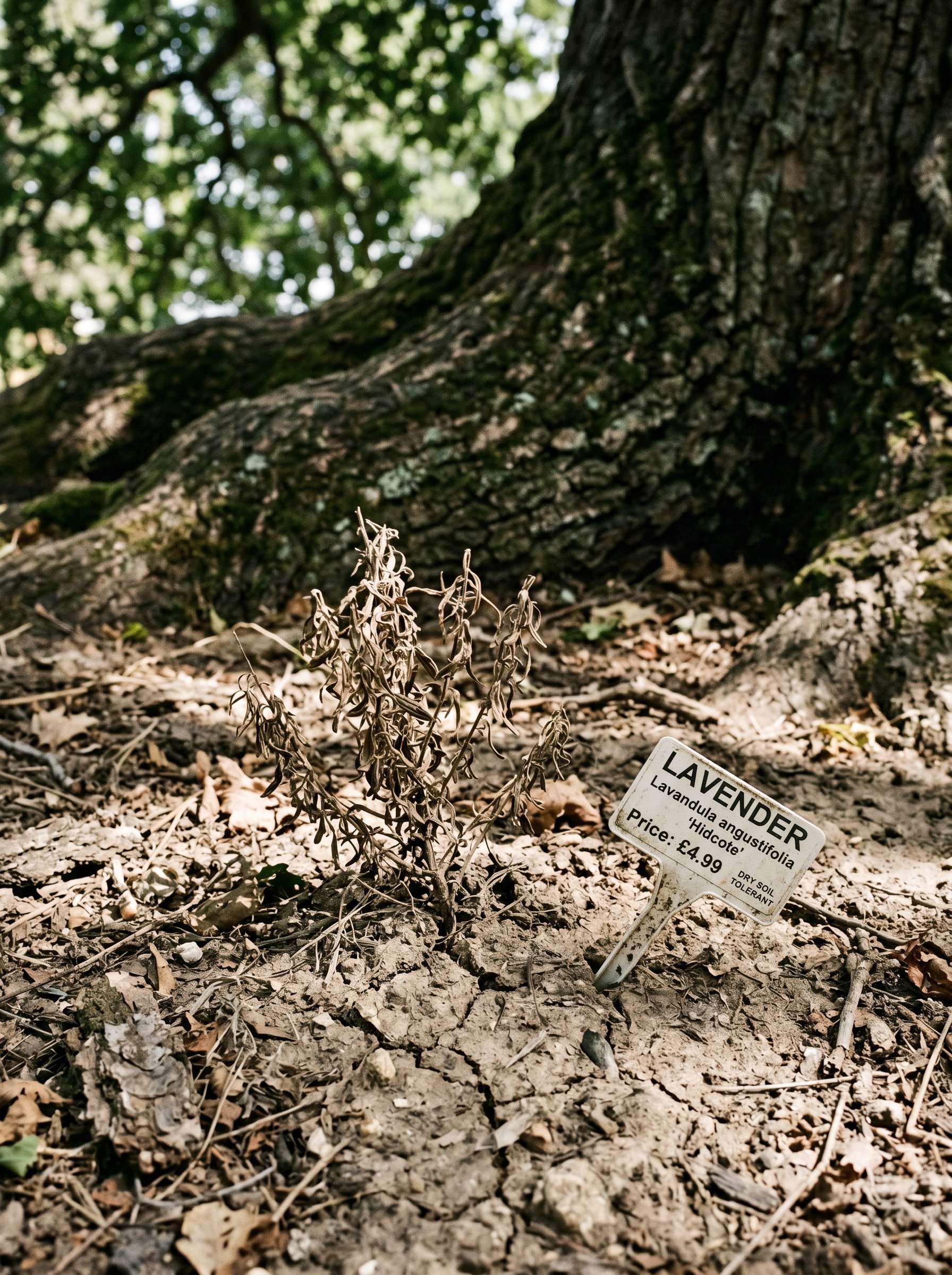
I once planted a beautiful, moisture-loving Swamp Milkweed on a dry, gravelly slope because I liked how the flower color looked against my house paint. It spent the entire summer looking crispy, miserable, and covered in yellow aphids until it finally died in August. Pay close attention to the plant tag’s moisture and light requirements—nature always wins.
If you live in a particularly arid or wildfire-prone region of the US, you also have to think about safety when placing plants near your home structures. It is well worth studying up on how to design your perimeter using a proper firescaping and safety plant guide to protect your property.
Frequently Asked Questions
No. Mosquitoes need stagnant, standing water to breed, not plants. In fact, by planting native species, you will attract natural predators like dragonflies, frogs, and birds that love to eat mosquitoes for lunch.
Almost never. Native plants are adapted to your local soils and actually prefer lean conditions. Adding heavy synthetic fertilizers usually just results in weak, floppy, overgrown leaves and fewer flowers.
Absolutely. Many keystone species like native sunflowers, asters, and butterfly weed do incredibly well in large, deep container pots. Just make sure the containers have excellent drainage holes at the bottom.
Those bright orange bugs are oleander aphids, and they are incredibly common on milkweed. Unless the plant is completely buckling under their weight, just leave them alone. Ladybugs and lacewings will eventually show up to clean them up for you.
During their first year in the ground, give them a deep watering once or twice a week. After their root systems are fully established, they generally only need watering during extended, severe heat waves or droughts.
Yes, and it is one of the best parts of native gardening! Let the flower heads dry completely on the plant in the late autumn, shake the seeds into a simple paper envelope, and store them in a cool, dry place until spring.
Once you understand the basic mechanics of how these keystone plants interact with your local environment, the whole process of home gardening gets much easier. You stop fighting against nature and start working with it, which is exactly how a real garden is supposed to feel.
Most advice in this article comes from personal gardening experience over the years. Results can vary slightly depending on your specific climate zone, local soil composition, and seasonal weather conditions. Use this as a helpful starting blueprint for your own backyard journey.

Aagam – Founder of SpruceTouch
I’m Aagam, a home and garden enthusiast who enjoys growing, building, and improving outdoor spaces. I focus on practical backyard projects, garden ideas, and simple DIY solutions that are useful in real homes. Through SpruceTouch, I share what I’ve learned, what worked, what didn’t, and the small details that can make an outdoor project easier.