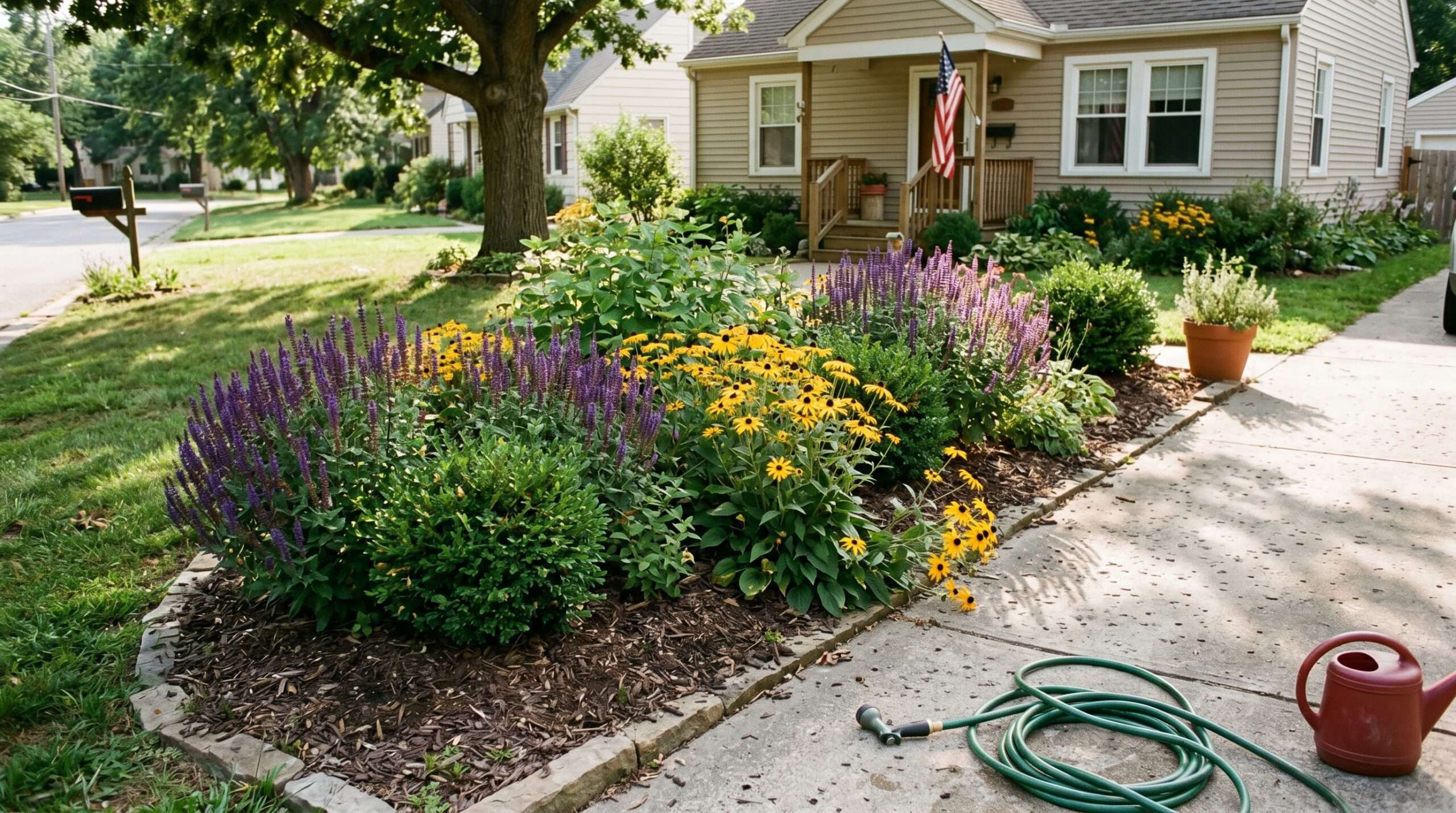
Jewel Tone Gardens: Color Palettes That Actually Increase US Property Value
When we talk about curb appeal, most landscaping advice tells you to stick to neutral tones, neat lawns, and a couple of generic white hydrangeas. But after playing with different color combinations in backyards for nearly two decades, I’ve found that the homes that sell fast—and for a premium—are the ones that look like a rich, living canvas. Deep jewel tones create an instant psychological impression of luxury, maturity, and meticulous home care that buyers are willing to pay for.
I learned this after years of trial and error, moving plants around because a specific shade of purple completely washed out against a standard red brick foundation, or because a bright yellow flower looked cheap instead of elegant under direct afternoon sunlight. I spent thousands of dollars on delicate, trendy perennials that couldn’t handle a dry July before realizing that structure and deep, saturated color palettes are what actually hold a garden together.
We’ve all been there: staring at a messy, uninspired yard with patchy grass, or looking at a collection of half-dead pots on the porch wondering why it doesn’t look like the magazines. It’s usually not a lack of effort or water; it’s a lack of a cohesive color strategy.
The ideas below are practical, grounded options that you can start planting this weekend. A few of these color combinations honestly worked much better than I expected at creating that high-end, premium look.
Quick Picks (Top 5)
If you are short on time and want to add high-impact, value-boosting colors right away, here are the fast wins:
- The Sapphire Border: Use deep blue Salvia or Delphiniums along your main walkway for an instant premium feel.
- The Velvet Burgundy Doorway: Frame your entrance with rich plum foliage like Ninebark or Heuchera to complement neutral siding.
- Golden Topaz Accents: Intersperse deep gold Black-Eyed Susans to break up heavy greens and add warmth.
- The Amethyst Layer: Group dark purple Coneflowers together in blocks rather than scattering them randomly.
- The Ruby Red Focal Point: Place a single crimson centerpiece, like a Bloodgood Japanese Maple, near a front corner of the house.
Core Jewel Tone Garden Ideas
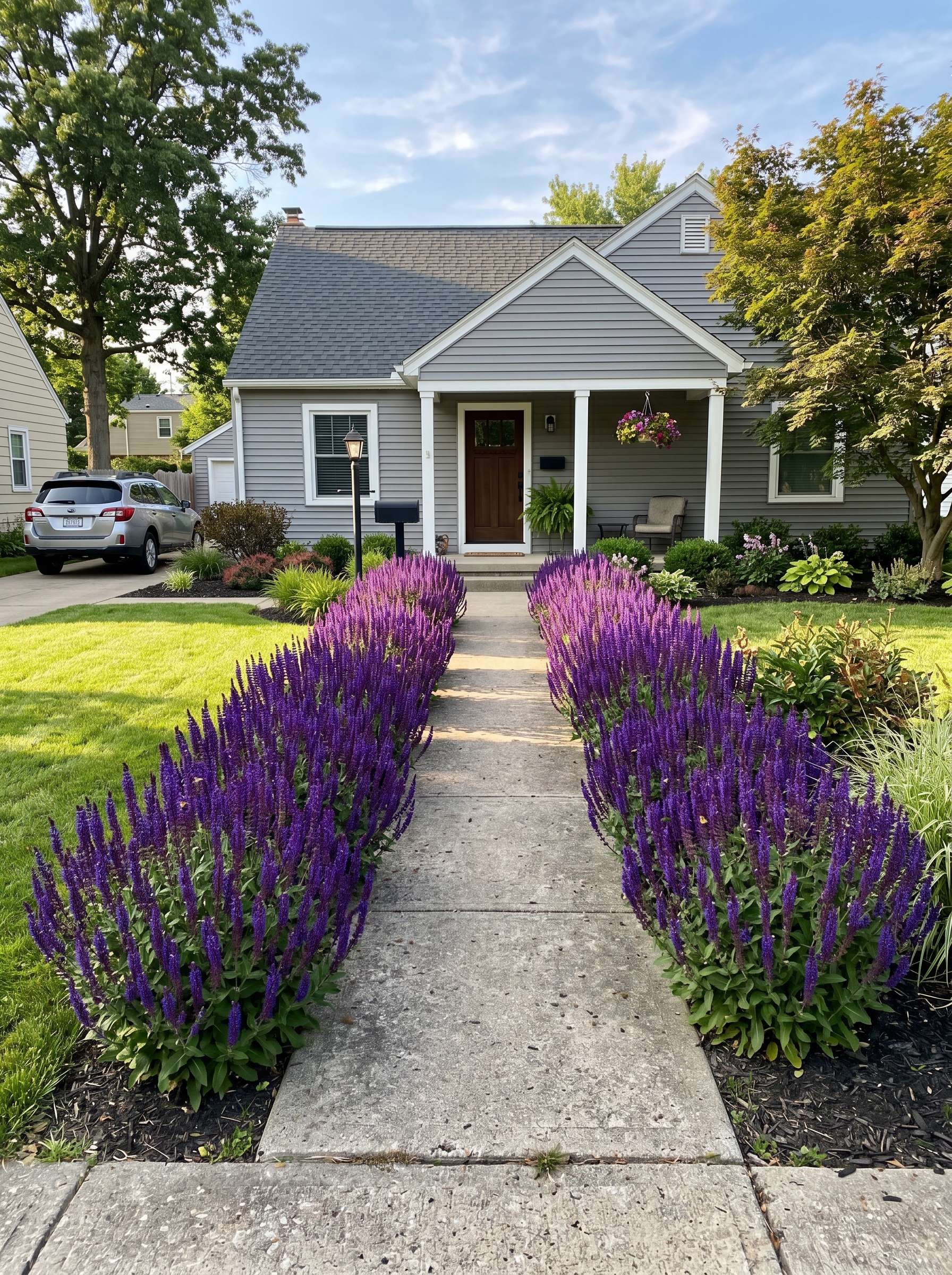
1. The Deep Amethyst Walkway Border
There is something incredibly striking about walking up to a house framed by deep, royal purple. Instead of relying on pale lavenders that can look sparse and dusty from a distance, go for heavy, saturated purples that hold their color under the intense US summer sun. I love using ‘May Night’ Salvia or deep purple Iris right against concrete or stone walkways.
When buyers pull up to a property, a crisp, dark border defines the edge of the path beautifully and hides any minor imperfections along the walkway line. The trick is to plant them close enough so they form a continuous ribbon of color rather than separate clumps.
But here’s the kicker: pale purple fades into white when viewed from the street, whereas deep amethyst provides a sharp contrast against standard concrete or asphalt driveways, instantly making the front lawn look professionally designed.
2. The Ruby and Emerald Foundation Layer
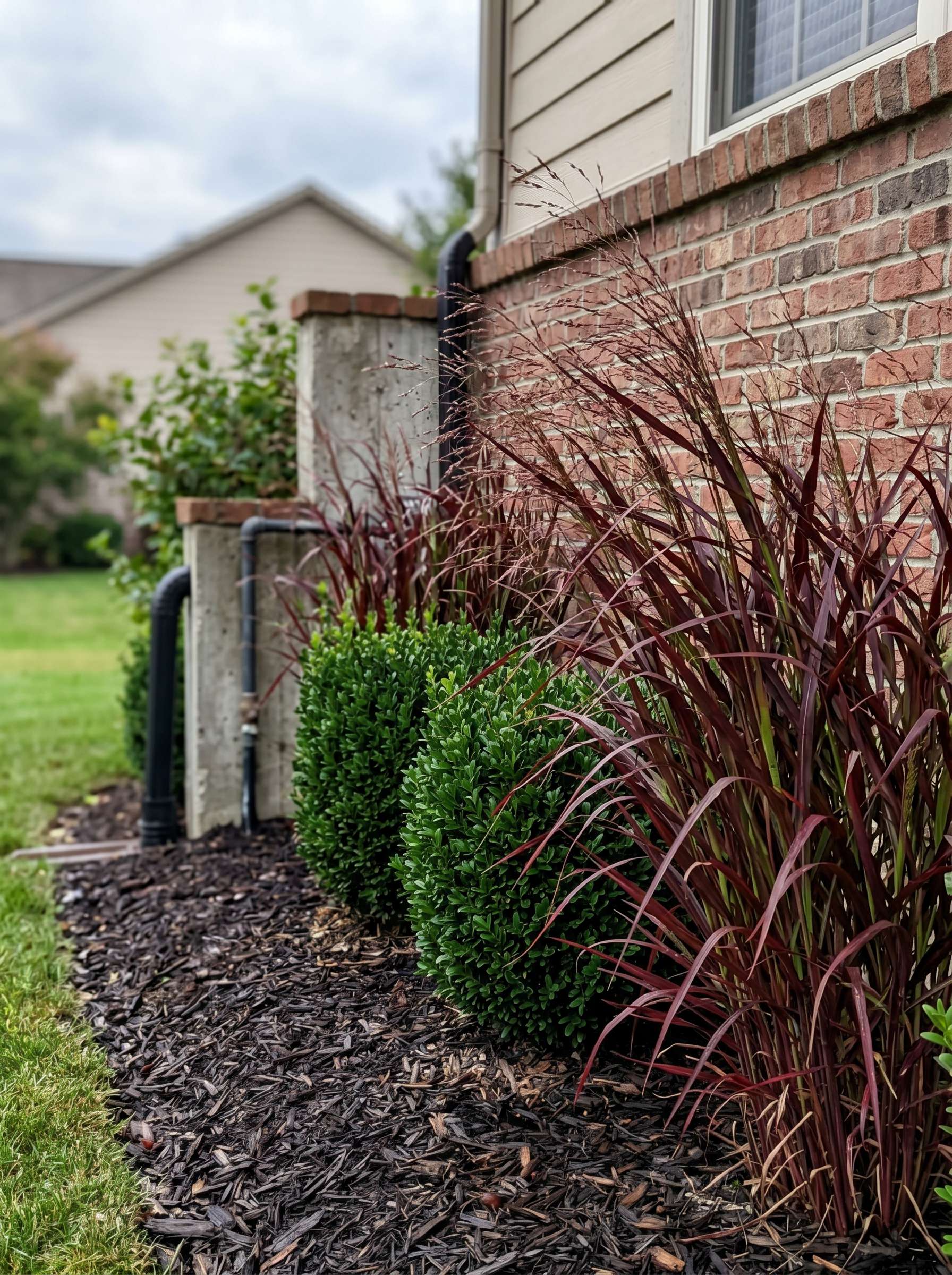
One of the biggest mistakes I see homeowners make is planting low-growing, bright red annuals right against the foundation of their house. It looks fragmented. Instead, you want to build a permanent, heavy layer using deep ruby reds set against rich emerald green shrubs.
I highly recommend pairing dark red varieties of switchgrass or ‘Red Majestic’ hazelnut with structured emerald green boxwoods. The deep red foliage provides a gorgeous backdrop that makes the architectural lines of a standard American colonial or ranch-style home look incredibly grounded and solid.
I learned this the hard way: if you don’t have that heavy emerald green background, the ruby tones can look like a dark, empty hole in your landscaping from a distance. You need the green to make the jewel tone pop.
3. The Sapphire Focal Point with Delphiniums
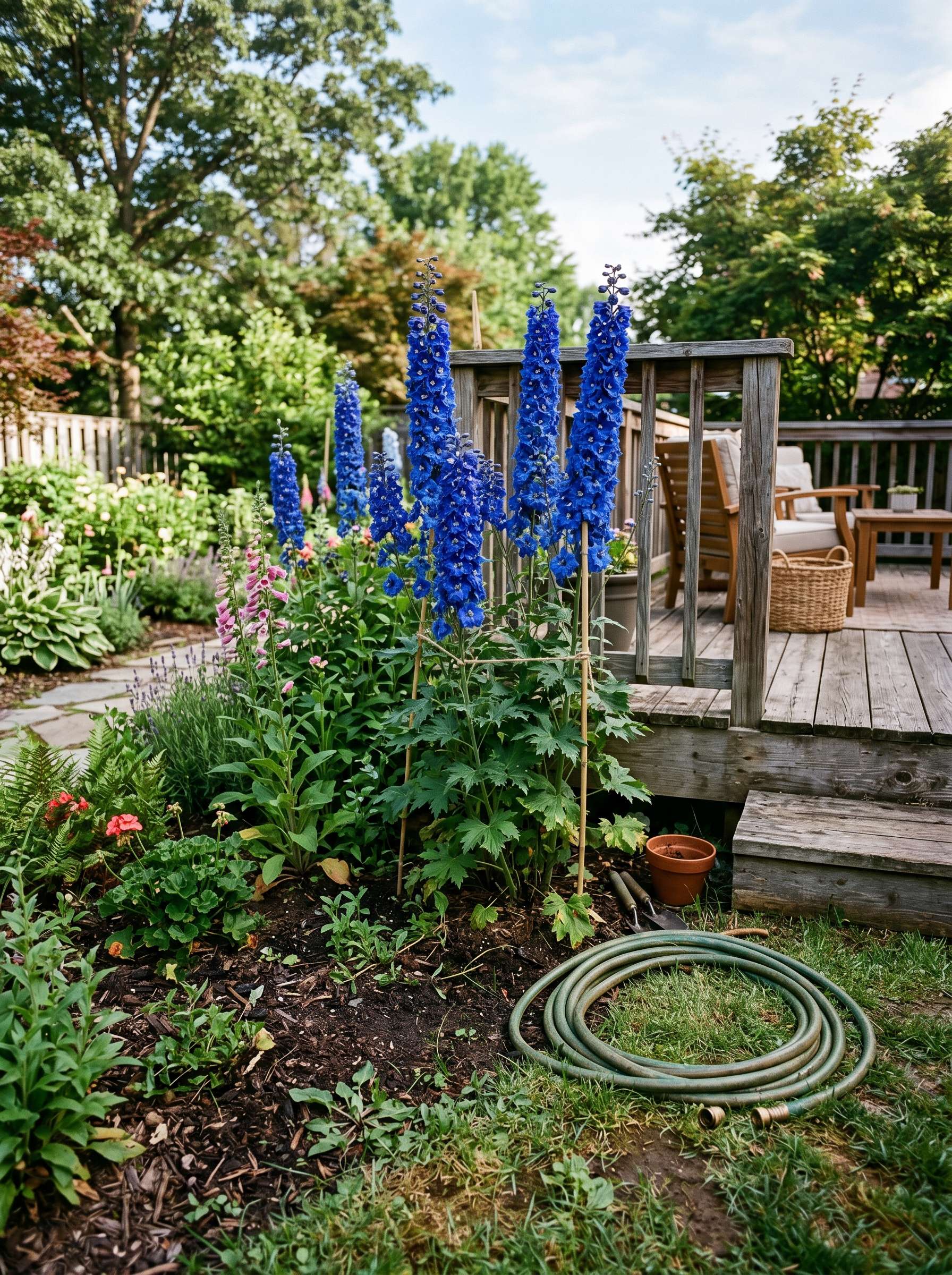
True blue is one of the hardest colors to find in nature, which is exactly why it commands so much attention when a buyer looks at a garden. High-quality sapphire blue tones give the impression that the garden has been curated by someone who really knows their stuff.
Delphiniums or ‘Blue Ensign’ flowers planted near an outdoor seating area or framing a back patio create a stunning visual destination. They draw the eye exactly where you want it to go, making a standard-sized suburban backyard feel much larger and more intentionally zoned.
To keep these tall sapphire beauties from flopping over during sudden summer storms, make sure to plant them tightly against sturdier green shrubs that offer natural support without needing ugly plastic stakes.
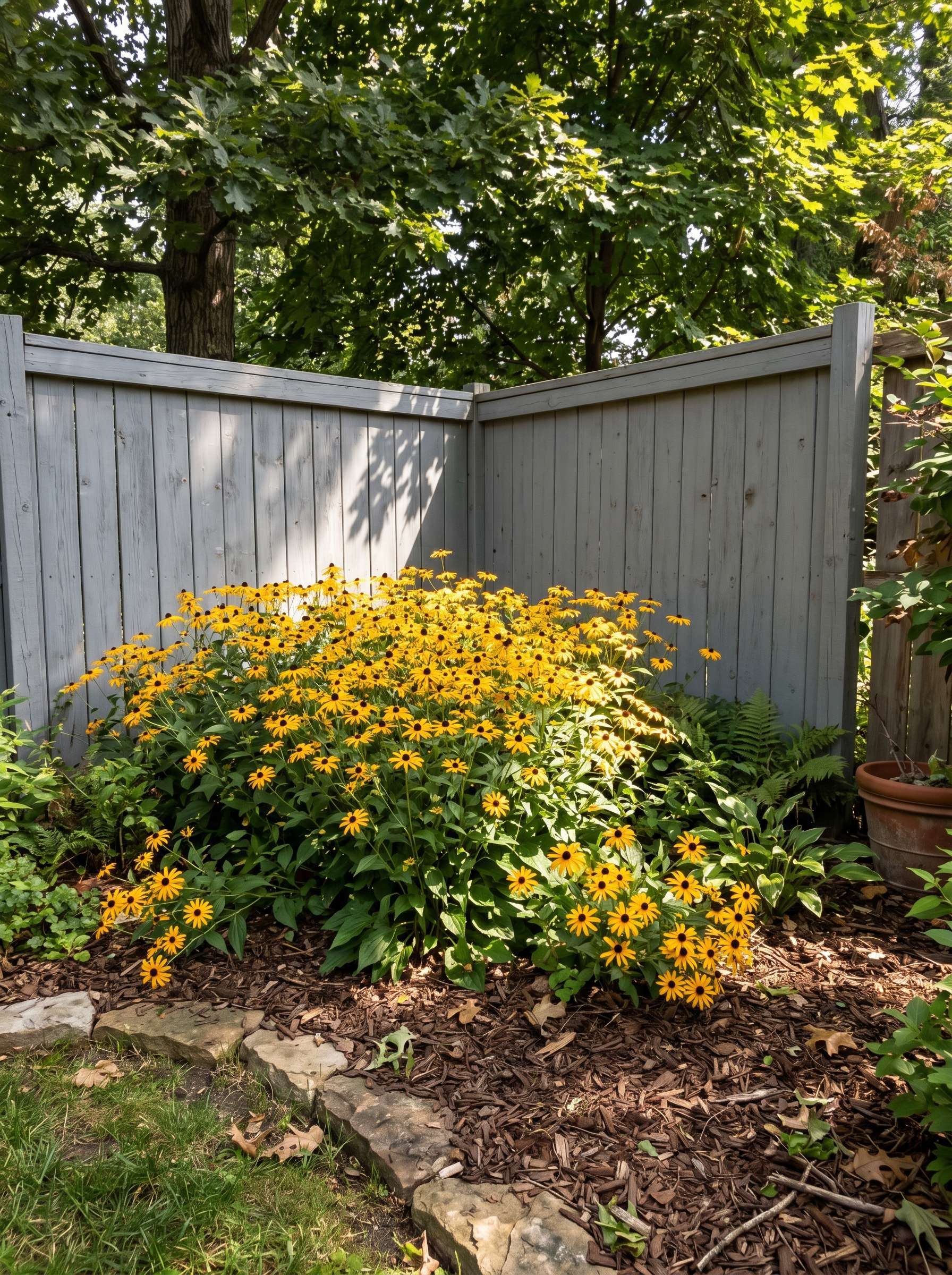
4. The Golden Topaz Pop for Dark Corners
Every yard has that one awkward, shady corner under a tree or next to the garage that looks gloomy and damp. Buyers notice these dead zones instantly. To turn a negative space into a major selling point, inject a burst of golden topaz.
Plants like ‘Goldsturm’ Black-Eyed Susans or golden-variegated Hostas can transform a dark area into a glowing focal point. The bright, saturated yellow reflects light beautifully, making the entire property look brighter, cleaner, and well-maintained.
One thing most people ignore is that yellow can easily look washed out if it’s too pale. Go for deep, amber-toned golds that carry enough weight to balance out the dark shadows of a north-facing wall.
5. The Plum Velvet Backdrop
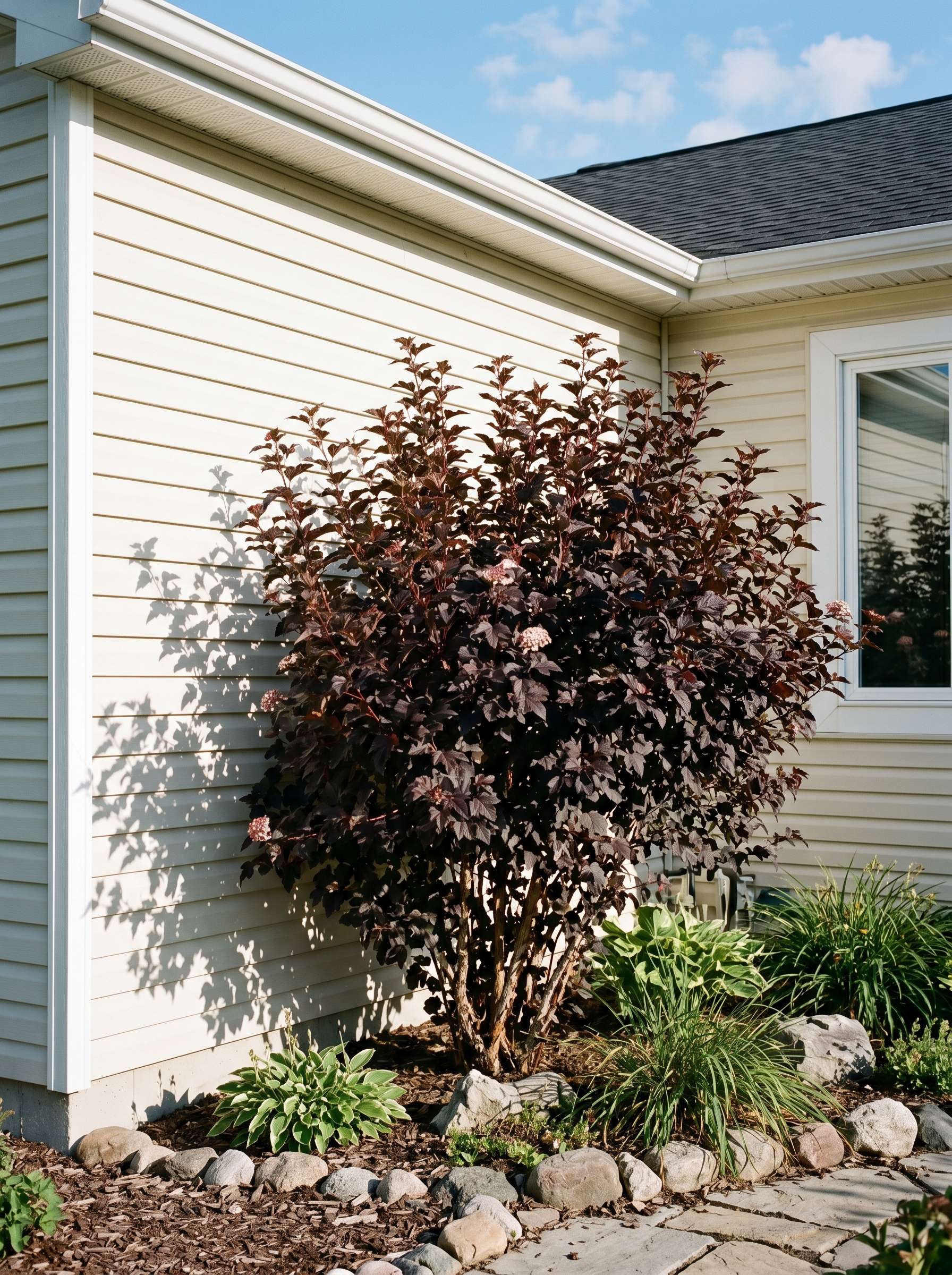
If your home has light-colored siding—like white, cream, or light gray—you need a high-contrast backdrop to make your flowers stand out. Plum and burgundy foliage act like velvet curtains in a theater, making every other color in front of them look twice as vibrant.
Using shrubs like ‘Diabolo’ Ninebark or purple smokebush gives you that deep wine-purple tone all season long, long after spring flowers have finished blooming. This ensures your home maintains its premium look during late summer and autumn viewings.
If you are looking to tap into more of these rich, moody trends for your front yard this year, check out my breakdown on the Dark Cottagecore Trend: How to use moody plants for 2026 curb appeal. to see how darker foliage profiles can skyrocket your home’s aesthetic.
Small Pro Tip: When planting jewel tones, group at least three to five of the same plant together. Scattering single plants around creates a chaotic, messy look that reduces curb appeal. Mass planting creates clean blocks of color that look expensive and deliberate.
6. The Emerald and Teal Texture Contrast
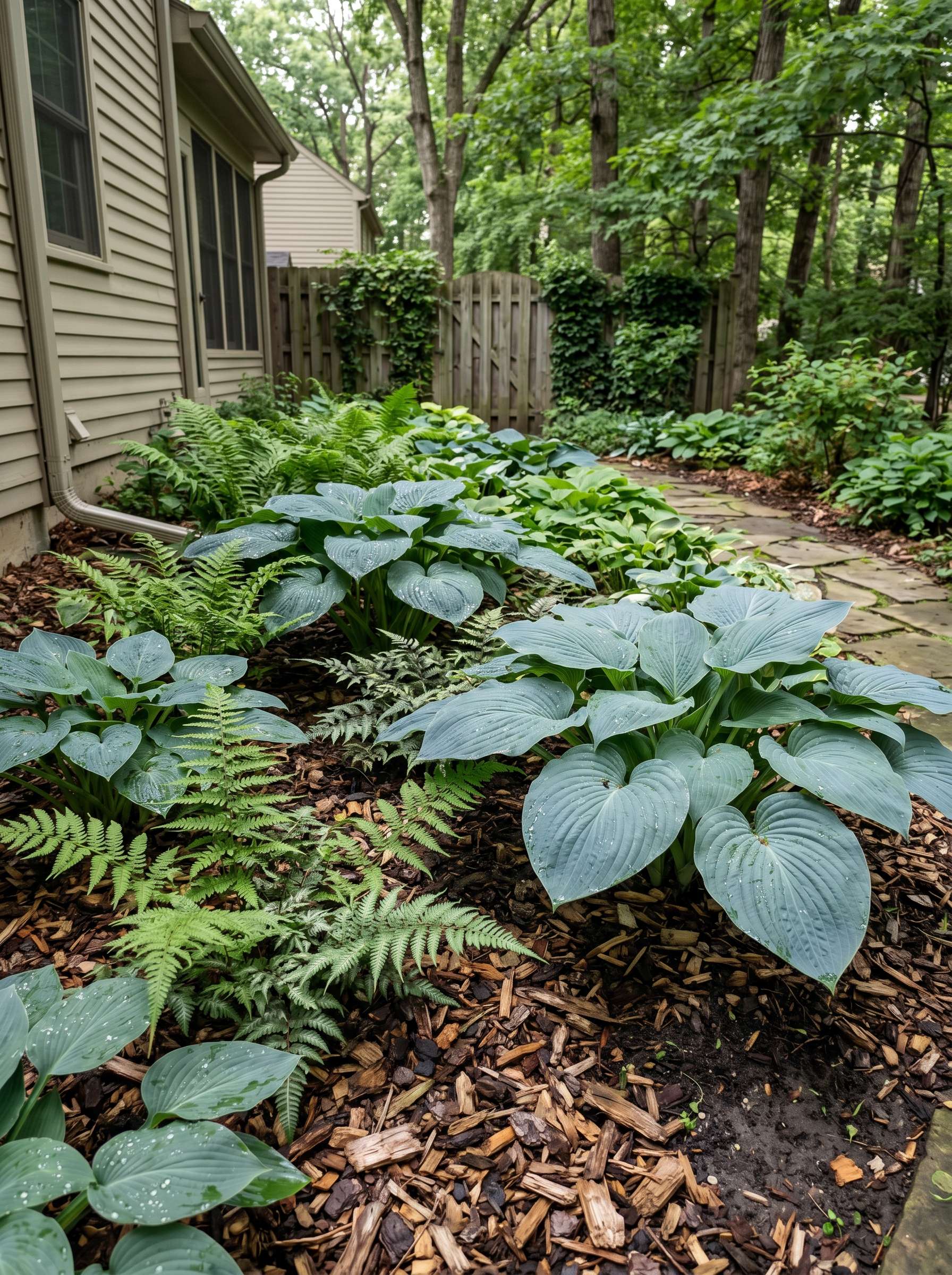
You don’t always need flowers to create a rich jewel-tone palette. Mixing different shades of foliage can create a lush, high-end tropical feel right in a temperate US backyard. Combining blue-toned hostas like ‘Halcyon’ with deep emerald ferns creates a stunning teal and emerald carpet.
This look works wonders along side pathways or narrow spaces between houses where grass refuses to grow. It tells potential buyers that every square inch of the property is functional, beautiful, and completely under control.
This looked great online, but I found out the hard way that blue hostas lose their unique teal coating if they get too much harsh afternoon sun. Keep them in full or partial shade to protect that premium matte look.
7. The Crimson Clematis Accent
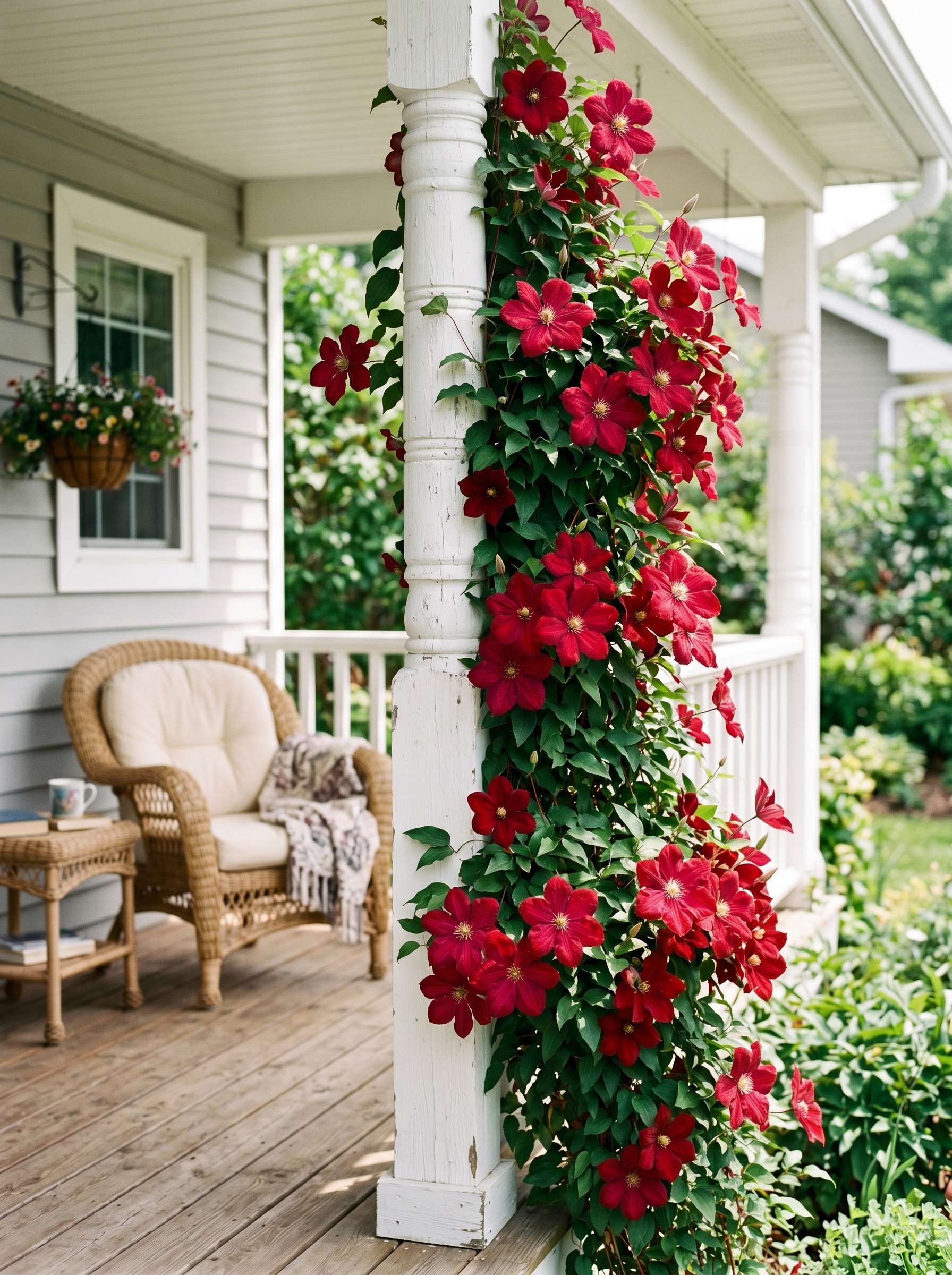
Vertical interest is something buyers look for without even realizing it. A house that only has low-ground plantings looks flat and basic. Running a rich crimson climber up a porch pillar or a trellis adds a sense of height and architectural elegance.
A clematis variety like ‘Rebecca’ offers huge, velvety red blooms that look spectacular against a front porch. It creates an instant cottage-luxury vibe right at the entryway, which sets a wonderful, welcoming tone for any home tour.
When training a climber on your home’s exterior, always use a standalone wooden or wire trellis set a few inches off the siding to keep your paint job clean and prevent moisture from getting trapped against the wall.
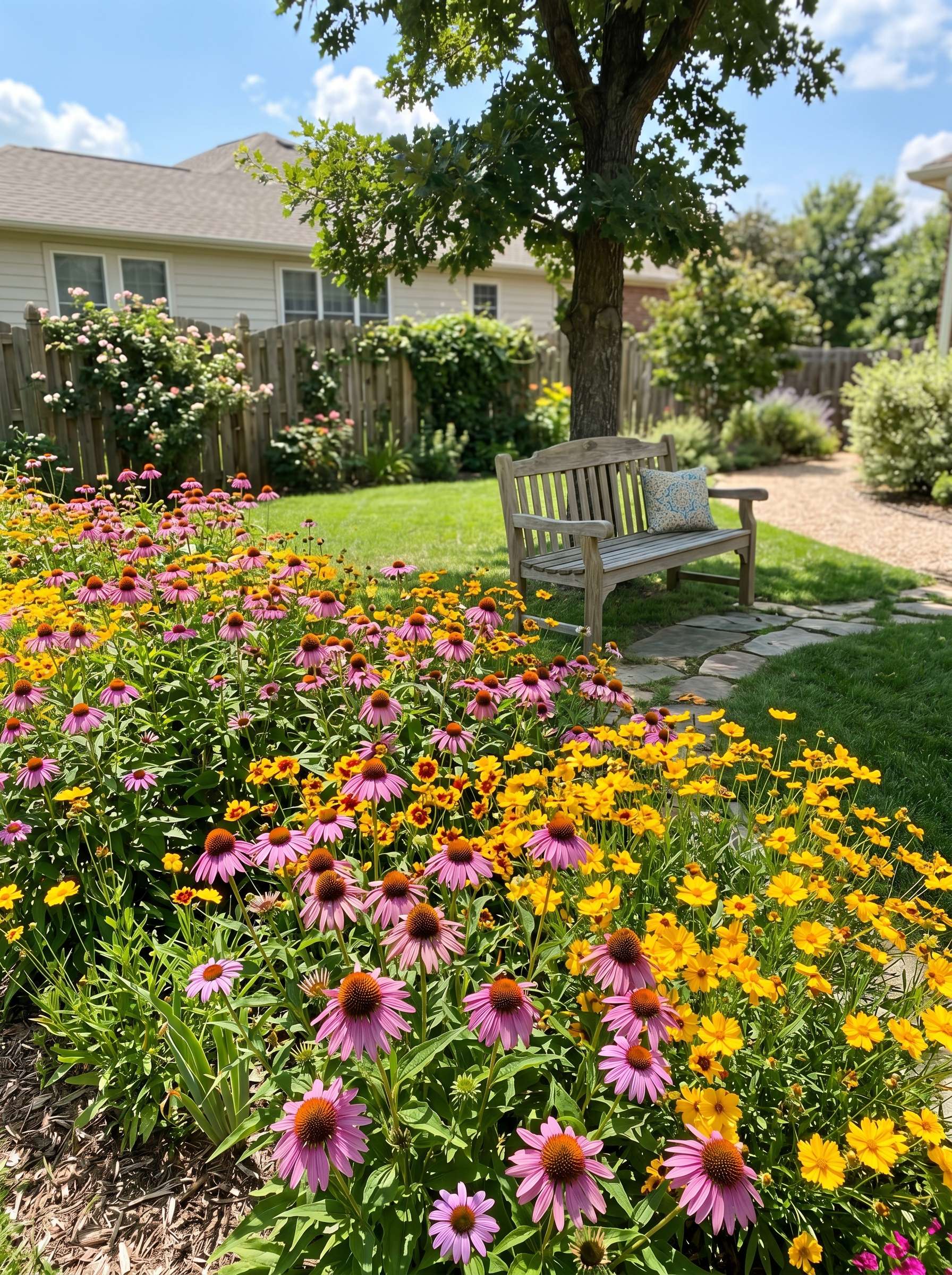
8. The Amethyst and Amber Meadow Blend
If you have a larger open area or a steep hill that is hard to mow, don’t leave it as patchy grass. Turn it into a jewel-toned mini meadow using a mix of purple coneflowers and amber-colored coreopsis.
This combination gives off a relaxed, wealthy estate vibe while being incredibly resilient to heat and droughts. It shows buyers that the landscape is not only beautiful but also smart and climate-resilient, requiring minimal watering once established.
Getting your soil ready for these heavy summer blooms depends heavily on what you do right now. To set yourself up for success, read through my May Strategy: Why this month decides your US harvest success (August Prep). to make sure your roots get established before the high heat kicks in.
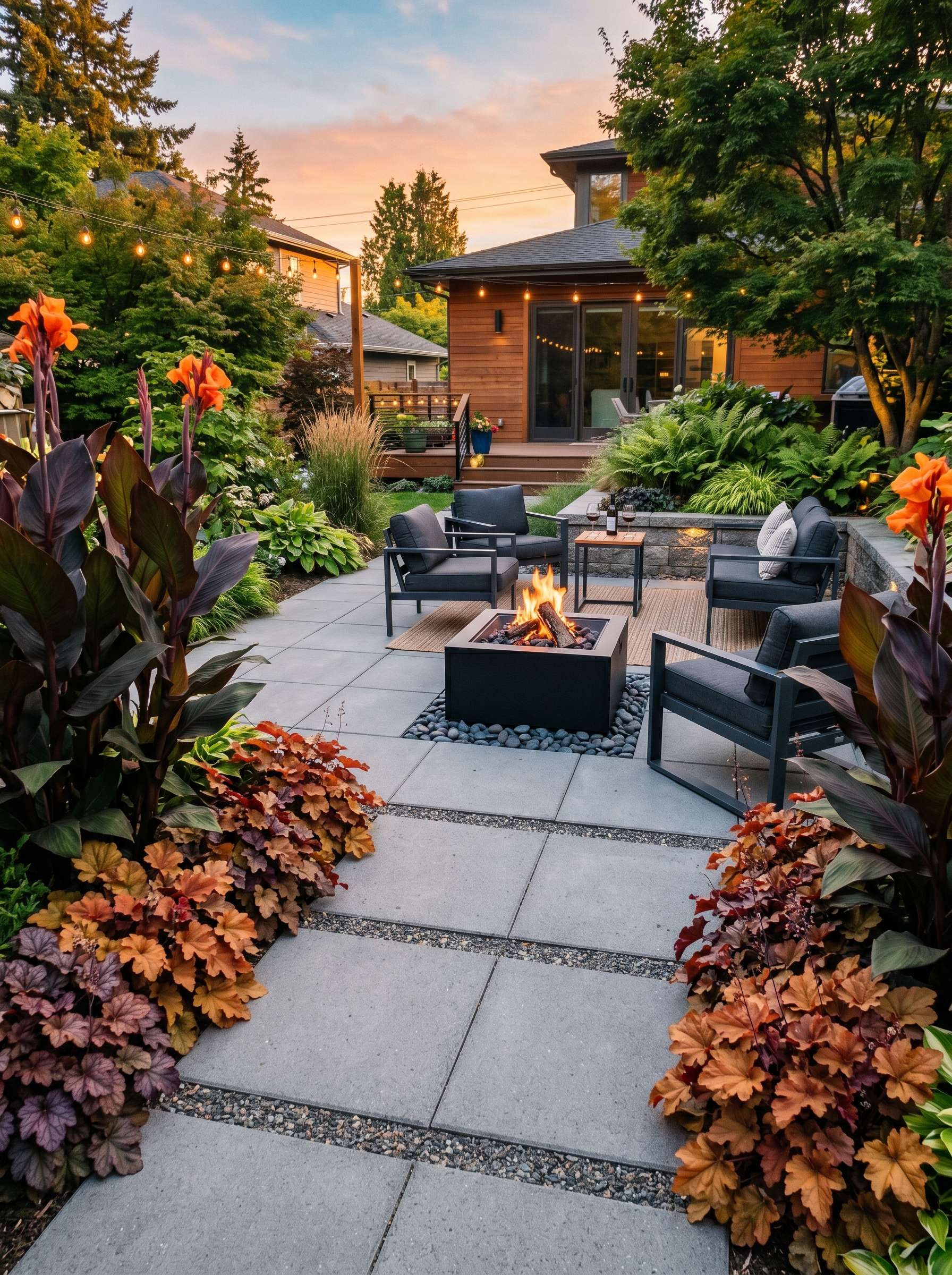
9. The Burnished Copper Border
For homes with modern architecture or dark paint trim, standard pink and red flowers can sometimes clash. A palette focused on burnished copper, deep orange, and bronze tones provides a sophisticated alternative that feels incredibly contemporary.
Using ‘Caramel’ Heuchera or bronze-leafed canna lilies creates a glowing, warm frame around patios and outdoor kitchens. It feels intentional, cozy, and highly styled—perfect for staging an outdoor living room space.
But wait, there’s a catch: copper tones can easily disappear against dark brown mulch. Use a lighter stone or gray gravel border to help these unique foliage colors pop cleanly.
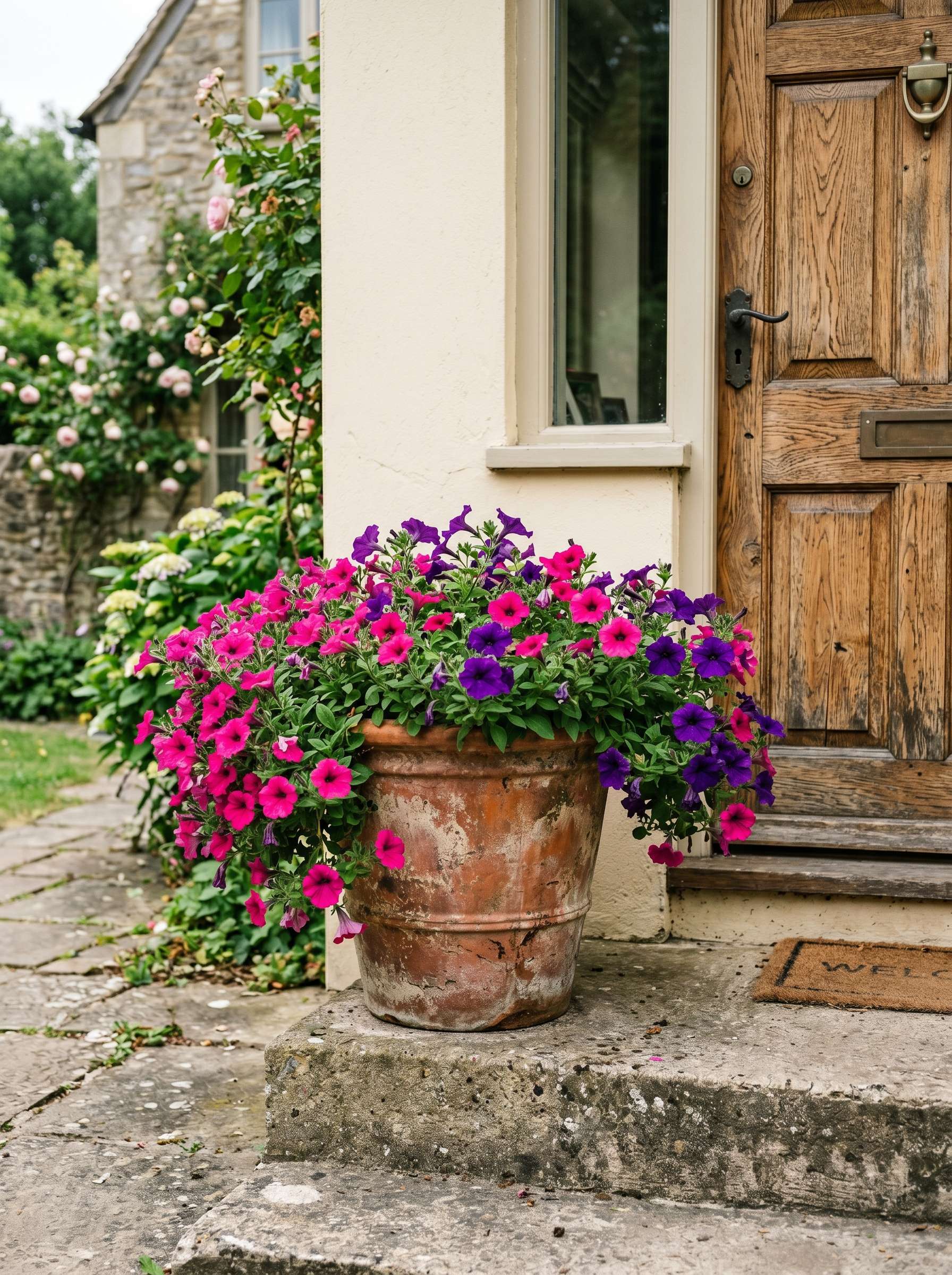
10. The Royal Fuchsia Container Display
If you are renting or prepping a house for an immediate sale and can’t dig up the yard, focus entirely on high-impact containers. Giant dark charcoal or terracotta pots filled with deep fuchsia and royal purple plants look incredibly upscale on a front porch.
Pairing dark trailing petunias with upright fuchsia plants creates a full, cascading jewel-box effect. It draws focus directly to the front door, creating an energetic and bright vibe right at the main point of entry.
Common Mistake: Buying cheap, plastic containers for your porch displays. Cheap pots ruin the premium look of jewel-toned plants instantly. Invest in heavy ceramic, stone, or thick terracotta pots to match the high-end aesthetic of your color choices.
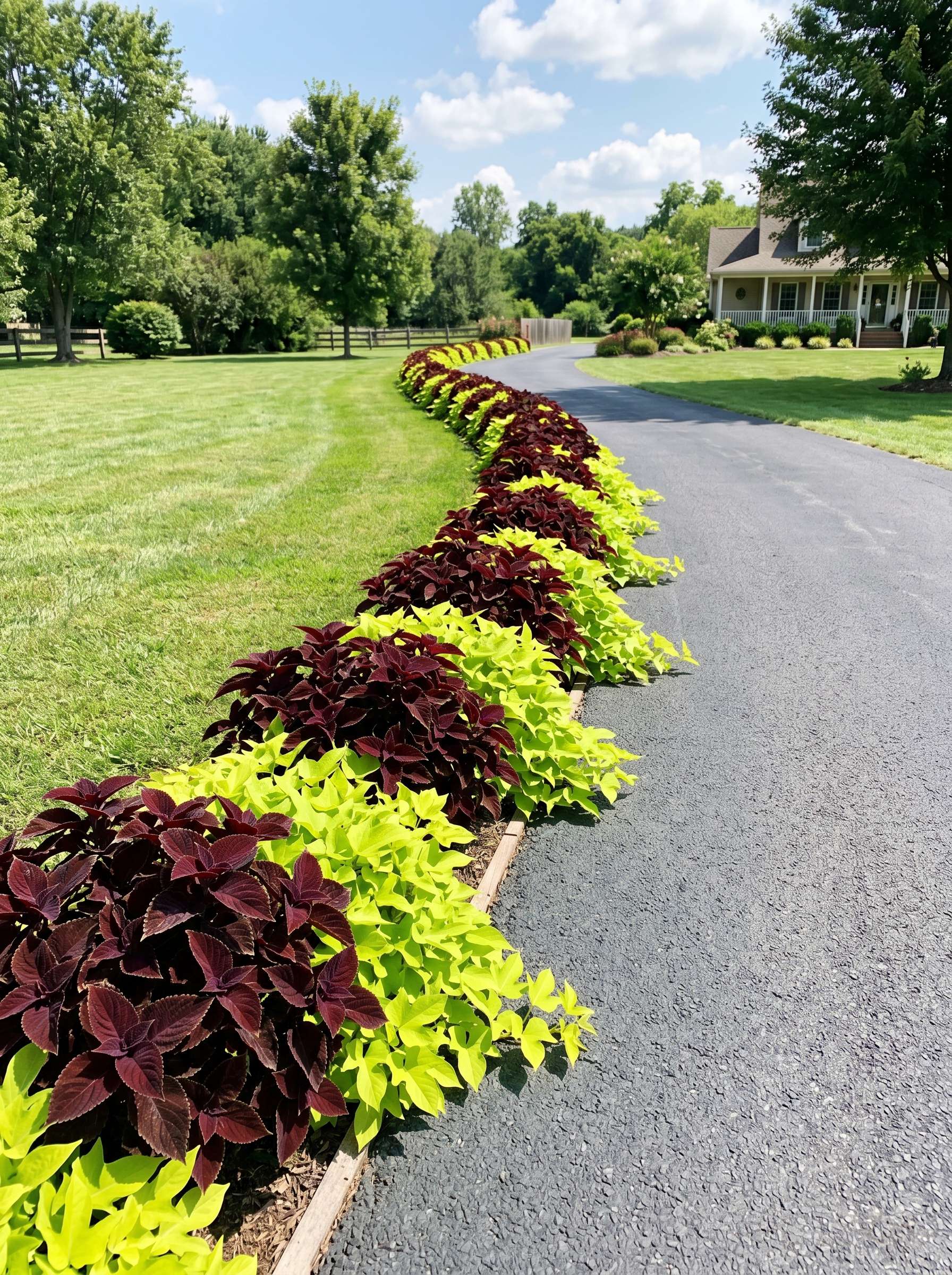
11. The Velvet Burgundy and Lime Contrast
One of the fastest ways to create a high-contrast visual punch that looks great from a vehicle driving past is the classic burgundy and chartreuse combo. The dark velvet burgundy grounds the display while the electric lime green cuts through the shadows.
Planting dark ‘Black Cherry’ coleus alongside neon lime sweet potato vine along your driveway creates a dramatic, clean edge. It looks highly stylized and expensive, yet both of these plants are incredibly easy to grow from simple starter plugs.
But watch out for the mid-summer sun. If your area gets hit with extreme temperatures, you’ll need to pivot fast. I shared the exact steps I took to protect my foliage during a sudden spike in my guide on Heat-Wave Recovery: How I Saved My Scorched Plants During a 40°C Heatwave so your borders don’t wilt away.
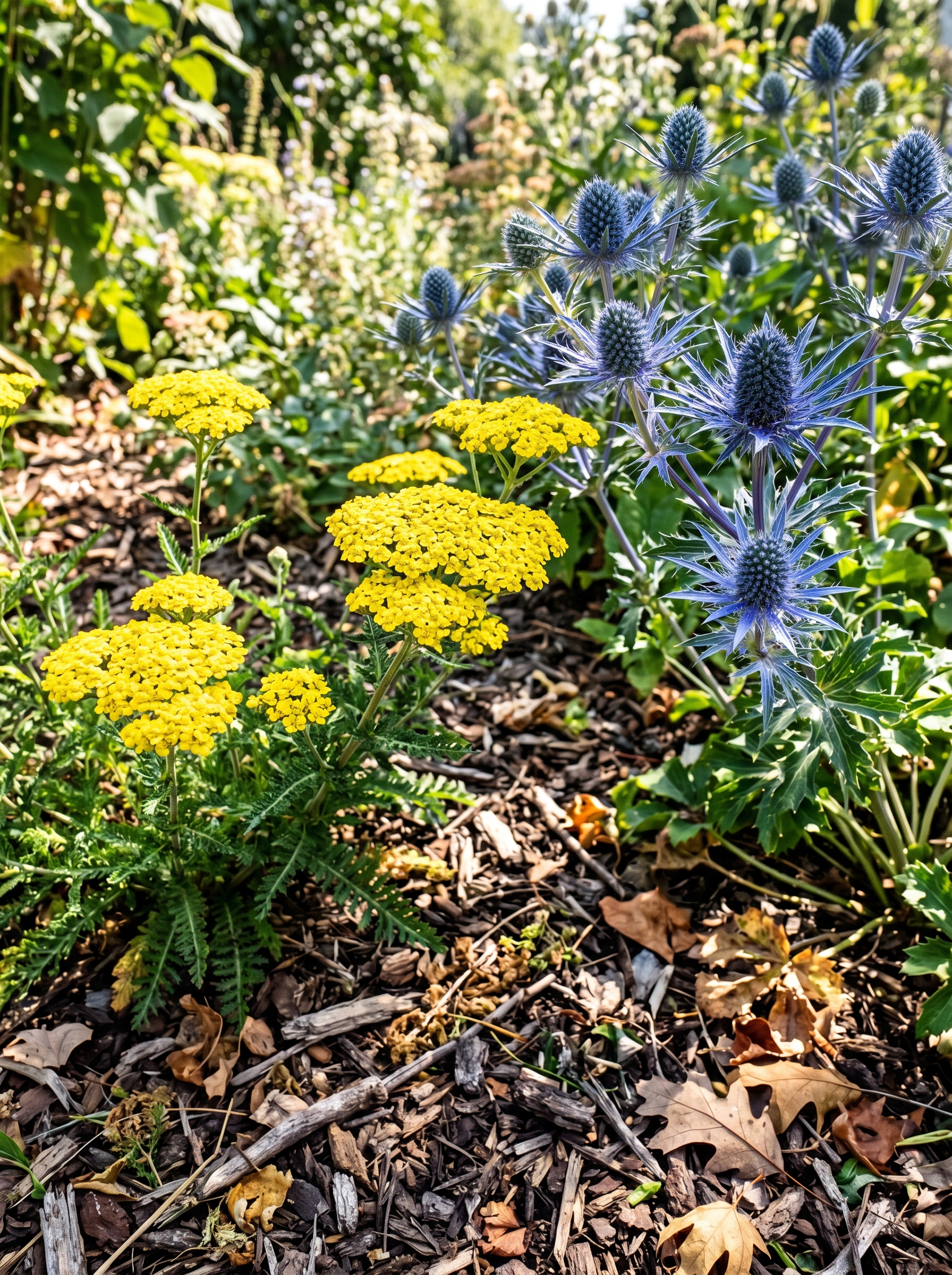
12. The Citrine and Sapphire Mixed Bed
If you want a classic, timeless look that fits traditional American architecture, pair deep sapphire blues with clear citrine yellows. This color combination is incredibly popular because the two shades are direct opposites on the color wheel, making both look brighter than they would alone.
I love mixing blue sea holly or blue star flowers with bright yellow yarrow. The textures contrast just as beautifully as the colors, creating a sophisticated garden bed that looks like it belongs to a historical estate.
The best part? This color combination is an absolute magnet for local wildlife. If you want to maximize this benefit without making your backyard unlivable, read my tips on Pollinator Friendly Layouts: How to Attract Bees Without Getting Stung to balance biodiversity with a usable patio space.
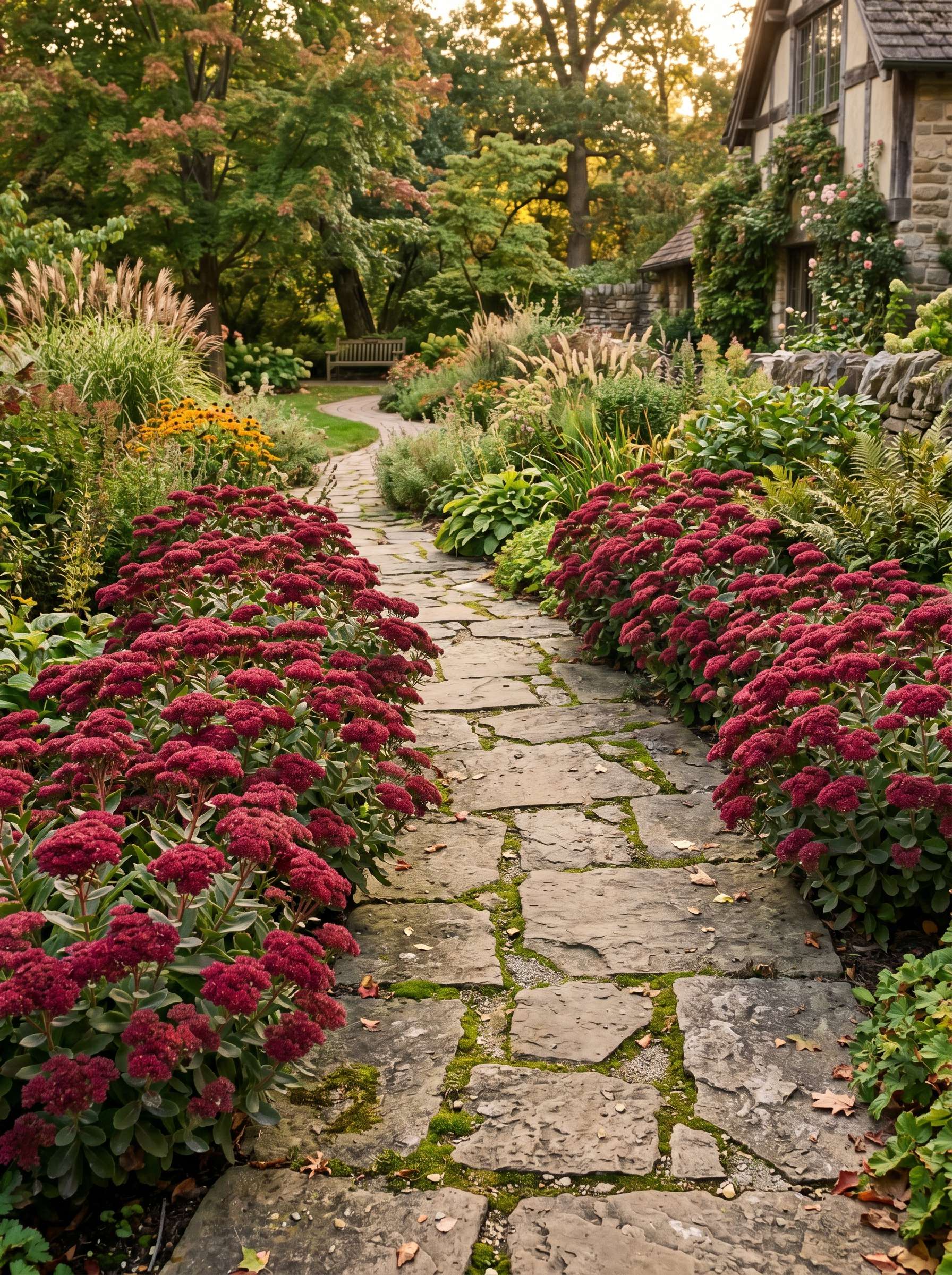
13. The Deep Garnet Sedum Walkway
When late summer hits, many gardens start looking tired, dry, and brown—which is a disaster if you are trying to list your home in August or September. Planting deep garnet autumn stonecrop (Sedum) ensures your yard looks its absolute best when other gardens are starting to fade.
These succulent-style plants start as cool green broccoli-like heads in June and slowly turn into deep, rich garnet red blocks by late August. They look fantastic lining a stone path or a front porch step.
If you are running a food garden alongside your ornamental jewel beds, late summer is also prime time for your vegetable patches. Make sure you don’t drop the ball on your vine crops by checking out the Heirloom Tomato Secrets: The Harvesting Guide For Home Gardeners to finish the season with a massive win.
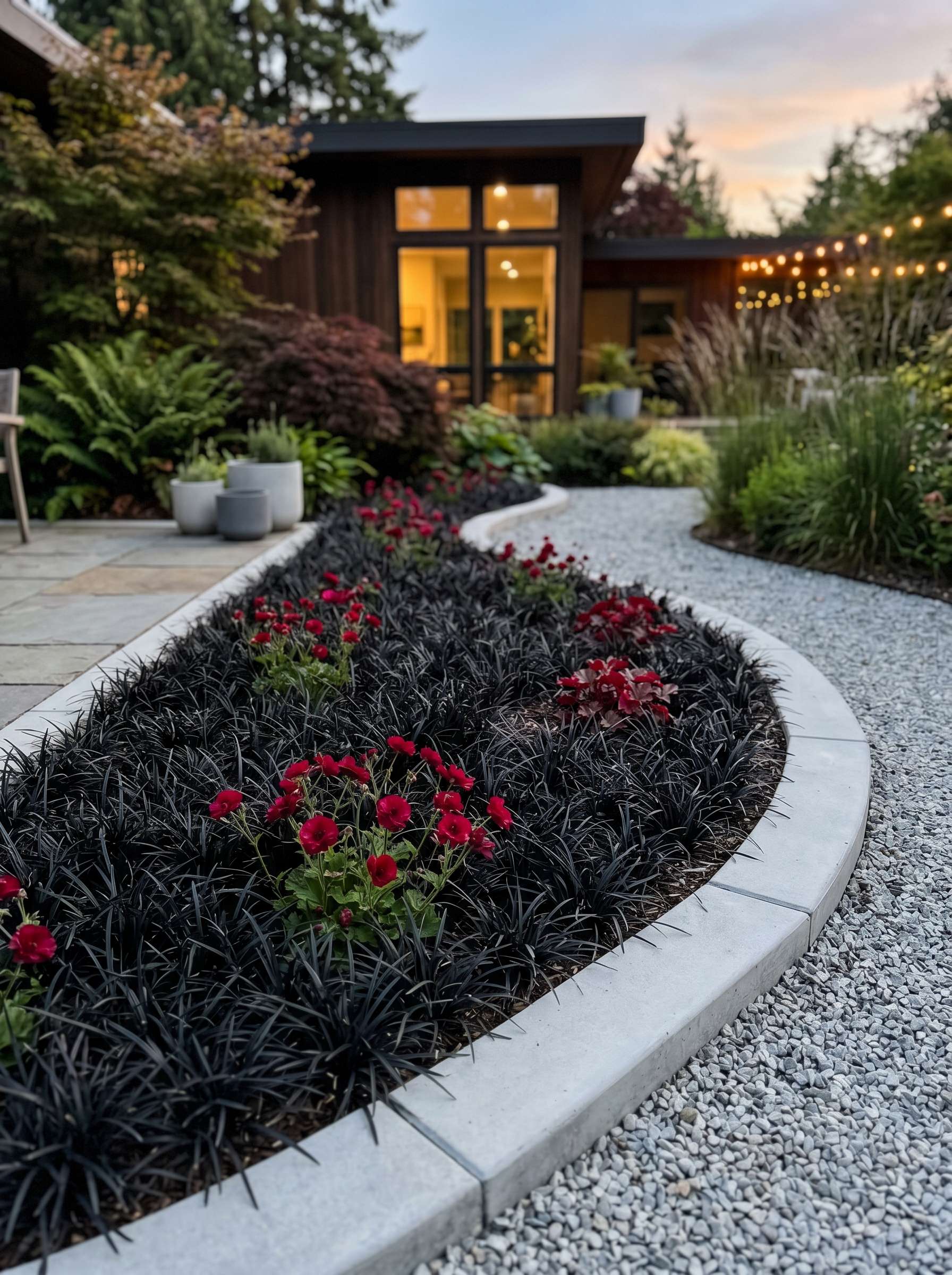
14. The Obsidian and Ruby Accent Bed
For an incredibly high-end, modern look that screams architectural design, try using near-black obsidian foliage mixed with deep ruby red accents. This is a favorite trick among luxury home stagers because it looks so dramatic and clean.
Using black mondo grass or ‘Black Lace’ elderberry as a base, then dropping in clusters of dark red tulips or crimson coreopsis creates a stunning, moody look. It instantly upgrades a basic suburban front yard into a premium, custom-designed space.
How to Start (Simple Plan)
Transforming an entire yard can feel overwhelming, so don’t try to plant all fourteen ideas at once. Follow this simple weekend plan to get started:
- Pick One Zone: Start with your front door entryway or the main walkway border. This is where you get the most curb appeal value for your money.
- Clear the Canvas: Pull any weeds, clean up ragged edges, and lay down a fresh layer of dark hardwood mulch. Clean lines matter as much as color.
- Select Your Palette: Pick two contrasting jewel tones (like Amethyst and Topaz, or Sapphire and Citrine) along with one solid emerald green shrub for structure.
- Plant in Groups: Plant your chosen varieties in tight clusters of three or five to ensure the color blocks look solid and impactful from the street.
Things That Didn’t Work for Me
Over the years, I’ve made plenty of mistakes trying to get these rich colors to work. Here are a few honest failures you should avoid:
- Overcrowding for Instant Fullness: Early on, I wanted my jewel-tone borders to look full right away, so I planted my purple coneflowers way too close together. By mid-summer, poor air circulation caused powdery mildew to ruin the entire batch. Give your plants room to grow.
- The Wrong Mulch Matching: I once used a bright red dyed mulch in a bed where I was trying to showcase deep ruby red switchgrass. The grass completely disappeared into the mulch background, and the whole setup looked cheap and muddy. Stick to natural dark brown or charcoal mulch.
- Ignoring the Light Tracks: I planted a beautiful border of deep sapphire delphiniums on the north side of a house because I thought they would look great against the gray siding. They didn’t get enough sunlight, grew incredibly leggy, and fell over under their own weight before blooming properly.
FAQ Section
Not necessarily. The work depends on the specific plants you choose, not their color. If you stick to hardy, perennial varieties like Salvia, Sedum, and native Coneflowers, your maintenance routine will be exactly the same as a standard green garden bed.
You have to be careful with red brick. Placing deep reds right against red brick can look muddy. Instead, lean heavily on sapphire blues, amethyst purples, and emerald greens to create a stunning contrast that makes the brick texture pop beautifully.
Intense sun can bleach out lighter pastel flowers, but true jewel tones hold up much better. To keep them looking rich, ensure your plants have deep root systems and stay well-hydrated. If your region gets hit by extreme summer spikes, you can pick up some great tips from our heat-wave recovery guide to keep your foliage from getting scorched.
Many jewel-toned perennials like coneflowers and salvias are incredibly tough and pollinator-friendly, but some plants like Delphiniums or certain lilies can be toxic if chewed on by dogs or cats. Always verify pet safety checks at your local nursery before completing your final layout.
For the best return on investment and long-term home value, focus 80% of your budget on perennials and structural shrubs that come back every single year. Use cheap, high-impact annuals like coleus or petunias in your porch pots to add temporary color boosts where needed.
Don’t feel pressured to turn your entire property into a botanical showpiece by Monday morning. Landscaping is a slow process that evolves as you see how light moves across your yard throughout the seasons. Start with a couple of ideas first, see how you like the colors against your home’s siding, and adjust things as you go.
Most ideas in this article come from years of real gardening experience and testing different setups at home. Results may vary depending on your specific climate zone, soil type, and regular maintenance habits. Always check with a local garden center if you are unsure about a specific plant’s hardiness in your town.

Aagam – Founder of SpruceTouch
I’m Aagam, a home and garden enthusiast who enjoys growing, building, and improving outdoor spaces. I focus on practical backyard projects, garden ideas, and simple DIY solutions that are useful in real homes. Through SpruceTouch, I share what I’ve learned, what worked, what didn’t, and the small details that can make an outdoor project easier.