5 Easy Kitchen Scraps You Should Stop Throwing Away
I still remember the first time I tried to start a compost pile in my own backyard. I thought I needed an expensive bin and a degree in chemistry to make it work. I ended up dumping everything in a heap, and within a week, it just smelled like… well, rotten trash. I almost gave up, thinking I wasn’t cut out for this. But then, I realized I was overcomplicating it. You don’t need perfection; you just need to start with the right scraps.
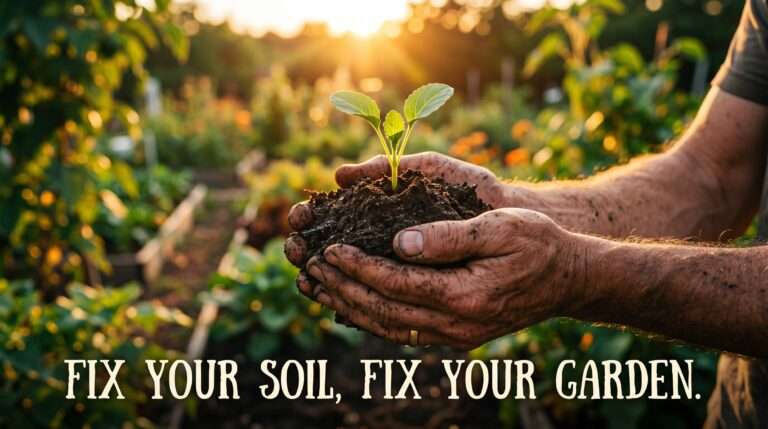
If you’re looking for beginner gardening tips to enrich your soil without spending a dime, stop tossing these five items in the garbage.
The “Big Five” Kitchen Scraps
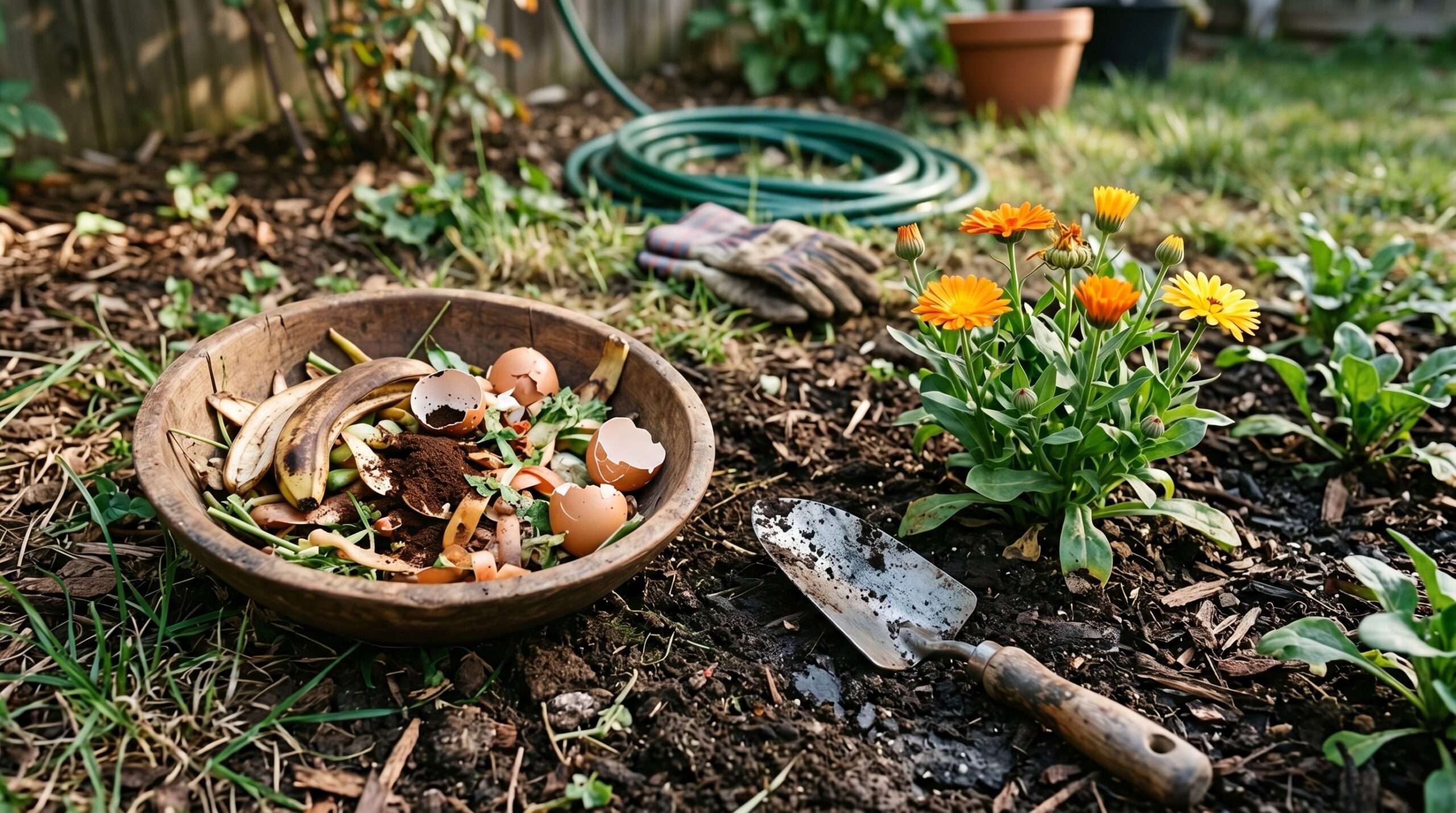
- Coffee Grounds: Nitrogen-rich gold. They break down quickly and are a favorite for worms.
- Eggshells: Crush them well to add calcium to your soil. Pro tip: Rinse them first to keep pests away.
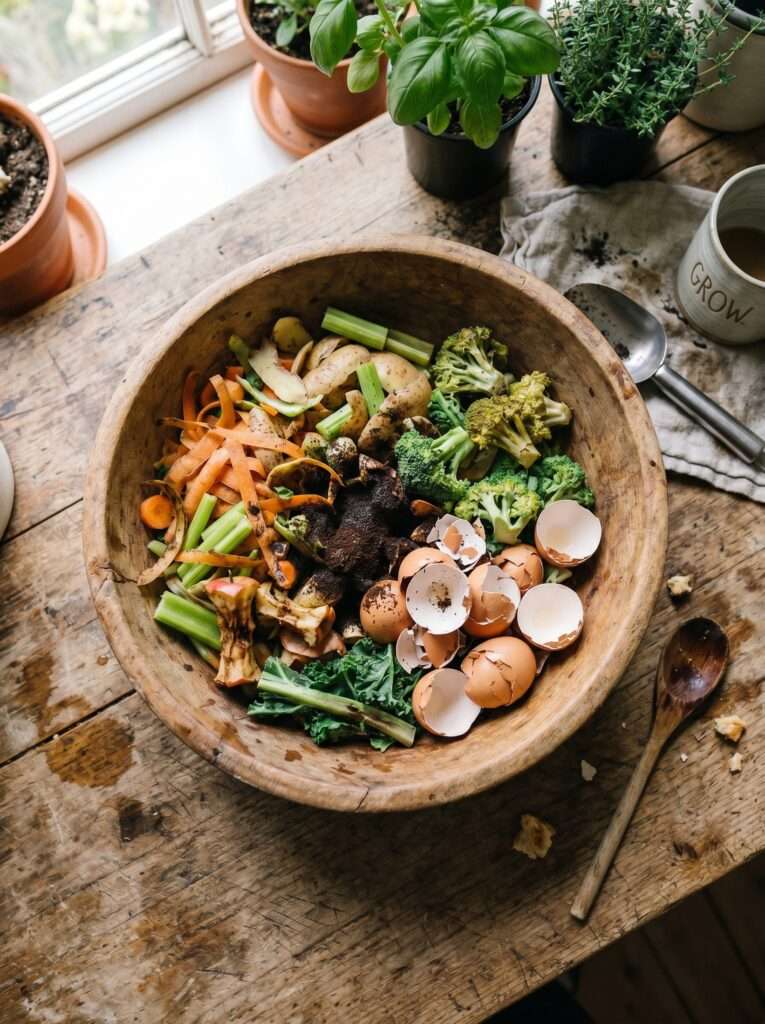
- Vegetable Peelings: Carrot shavings, potato skins, and cucumber ends are perfect. Avoid onion skins if you have a small pile, as they take longer to break down.
- Banana Peels: A massive boost of potassium for your flowering plants. Chop them into small pieces so they disappear into the soil faster.
- Fruit Cores: Apple and pear cores are great, but avoid anything with seeds if you don’t want “surprise” sprouts later!
Simple Step-by-Step Composting
- Collect: Keep a small container under your sink for these scraps.
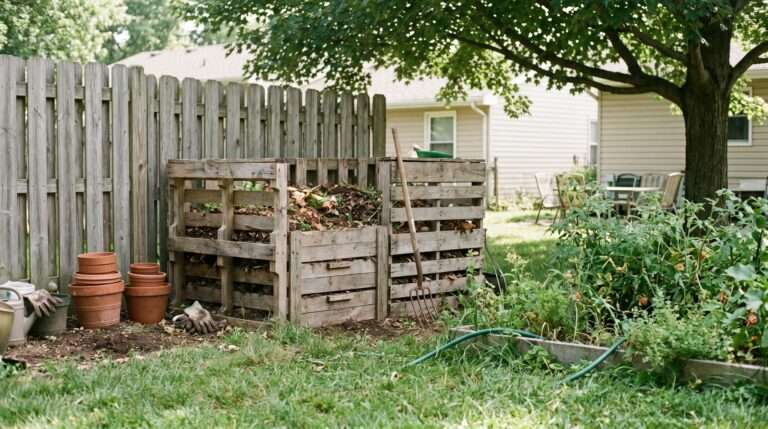
- Layer: Alternate your “green” kitchen waste with “browns” like dry leaves or shredded cardboard.
- Mix: Every few days, give the pile a turn with a pitchfork to get oxygen flowing.
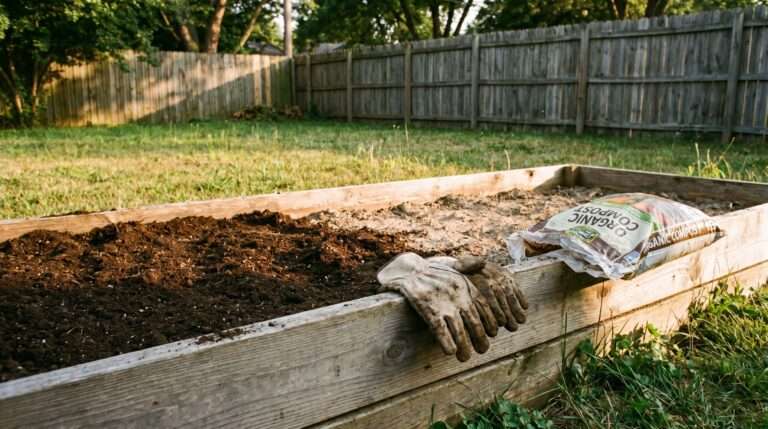
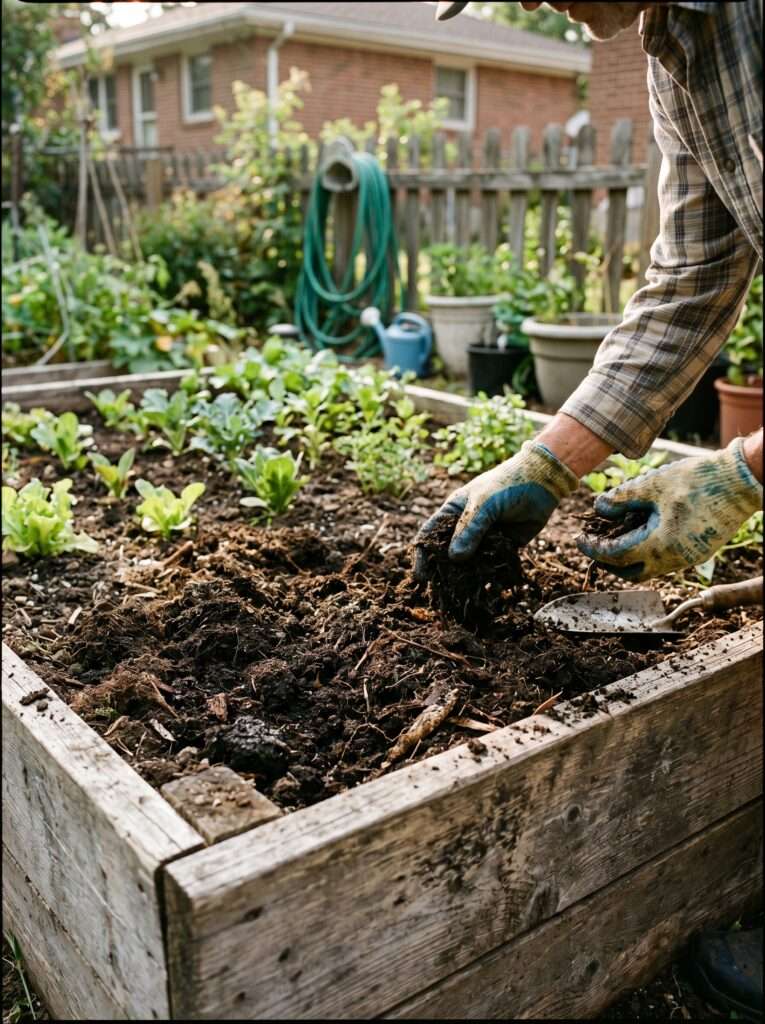
- Feed: Once the material turns dark and crumbly, dig it into your garden beds.
Over the past few seasons here at SpruceTouch, I’ve experimented with everything from expensive store-bought fertilizers to simple, DIY methods. What I’ve found through trial and error—and by consulting with local soil experts—is that your garden doesn’t need synthetic chemicals to thrive.
In fact, most of what your plants crave is already sitting in your kitchen bin. When you break down these scraps properly, you aren’t just reducing household waste; you’re building a living, nutrient-dense ecosystem in your own backyard. It’s the single most effective way to transition from a casual hobbyist to a confident gardener, and it’s a strategy I use daily to keep my own beds resilient against changing weather conditions.
Check out our guide on Vertical Garden Basics to see how these nutrients boost your small-space growth.
Avoid These Common Mistakes
The biggest mistake beginners make is adding oily foods, meat, or dairy. Keep those strictly out! Also, don’t ignore the “browns.” If your bin smells, it’s usually because you need more dry material (leaves or paper) to balance the moisture.
Want to know more about sustainable soil health? Take a look at our Soil Health Secrets to take your easy backyard hacks to the next level.
What is the one kitchen scrap you always find yourself saving for your garden, or have you had any “oops” moments with your compost pile yet?

Aagam – Founder of SpruceTouch
I’m Aagam, a home and garden enthusiast who enjoys growing, building, and improving outdoor spaces. I focus on practical backyard projects, garden ideas, and simple DIY solutions that are useful in real homes. Through SpruceTouch, I share what I’ve learned, what worked, what didn’t, and the small details that can make an outdoor project easier.