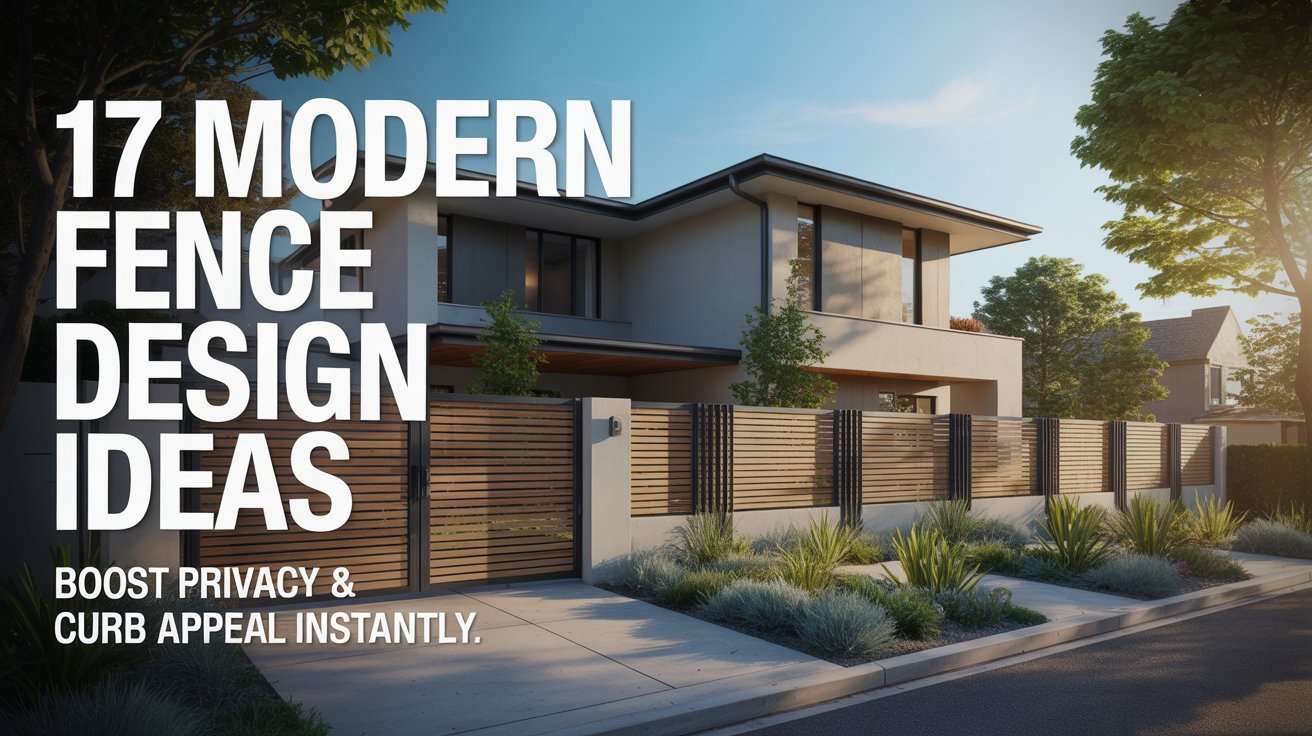
18 Modern Fence Design Ideas That Instantly Upgrade Your Home’s Style & Privacy
A modern fence is no longer just a boundary — it’s part of your home’s personality. The right design can boost curb appeal, create privacy, and make your outdoor space feel polished and intentional. When we upgraded our yard, I quickly realized that choosing the right fence style can completely transform how a garden looks and feels. Clean lines, mixed materials, and thoughtful details are what truly make a fence feel modern and welcoming.
In this guide, I’m sharing some of my favorite modern fence design ideas that feel stylish, practical, and achievable for real homes. Whether your space is small or spacious, these ideas can help you create a beautiful backdrop for your garden, patio, or front yard. I’ll also share practical tips and photo inspiration so you can visualize each look in a realistic setting.
Disclosure: This post contains affiliate links. As an Amazon Associate, I earn from qualifying purchases at no extra cost to you.
1. Sleek Horizontal Wood Slat Fence
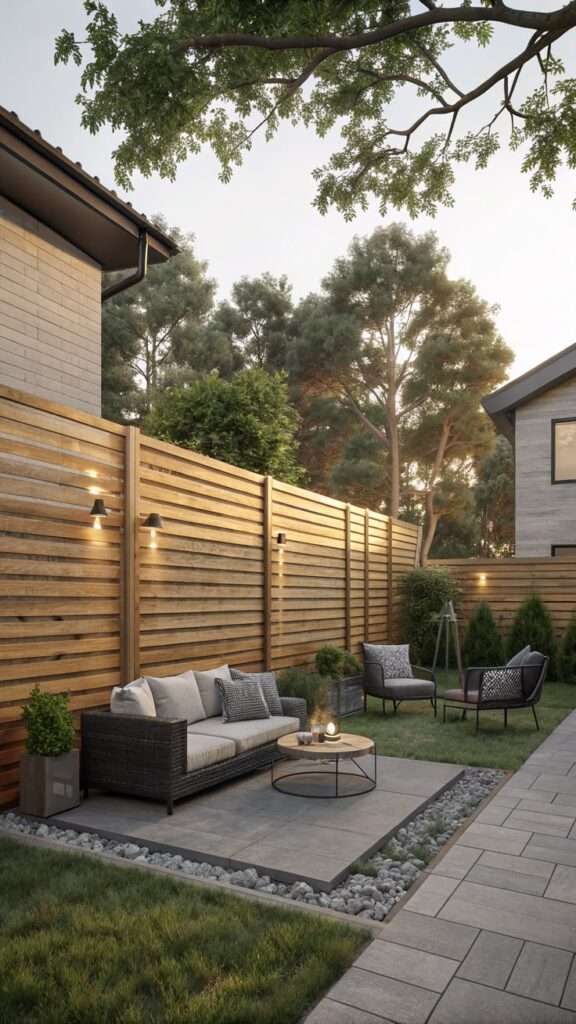
When I redid the boundary between our yard and the driveway, I went horizontal on a whim — mostly because a neighbor two streets over had done it and I couldn’t stop thinking about how much calmer it looked than our old vertical picket fence. It changed the whole feel of that side of the yard within a week of install. I spaced the cedar slats about half an inch apart, which let in enough light that my hostas along the base still got decent afternoon sun, but tight enough that our dog couldn’t stick his head through to bark at the mail carrier.
Before cutting a single board, I measured that boundary line three separate times on three different days — turns out slight ground slope had thrown off my first measurement by almost two inches. I’ve stuck with the Komelon Tape Measure 25ft ever since; the large numbers and locking blade make it easy to double-check alone without a second pair of hands holding the other end.
Cedar left natural (no stain) has aged into a soft silver-gray over about a year and a half, which honestly looks better now than it did brand new. If you’re pairing this with an evening seating area, our cozy patio lighting ideas guide has a few string-light layouts that work well against horizontal slats specifically.
2. Black Painted Slat Fence for a Bold Statement
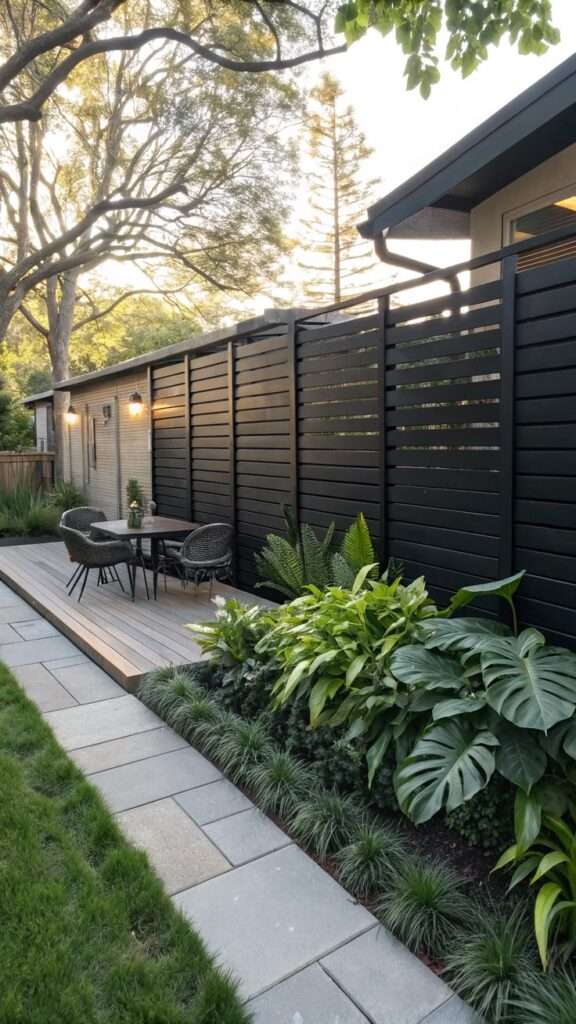
I almost didn’t go with black for our side-yard fence — my wife thought it would look like a prison wall next to the flower beds. It did the opposite. Against the ferns and hostas we’d planted along the base, the matte black finish basically disappeared into shadow by late afternoon, and the plants looked like they were floating in front of it instead of sitting against a fence.
It took two coats of exterior enamel and a full weekend, working section by section so we could keep drying panels out of the dog’s reach. Two winters in, the only wear is a bit of chipping along the top rail where snow sits longest — something to plan for if you’re in a snowy climate; a top cap or angled rail helps shed it.
3. Mixed Wood and Metal Fence
The metal-and-wood combo came out of necessity more than design inspiration — half our old fence panels had rotted at the base, and rather than replace with more wood that would just rot again in the same wet corner, I framed that section in galvanized steel posts and hung cedar infill panels between them. Three years later, that section has held perfectly straight while the all-wood sections on either side have started to bow slightly.
Assembling it solo over two weekends, a decent drill made the difference between finishing on schedule and giving up halfway through. I used the DEWALT Cordless Drill Driver Kit for driving lag bolts into the metal brackets — the extra torque compared to my old drill saved my wrist a lot of strain on the harder fasteners.
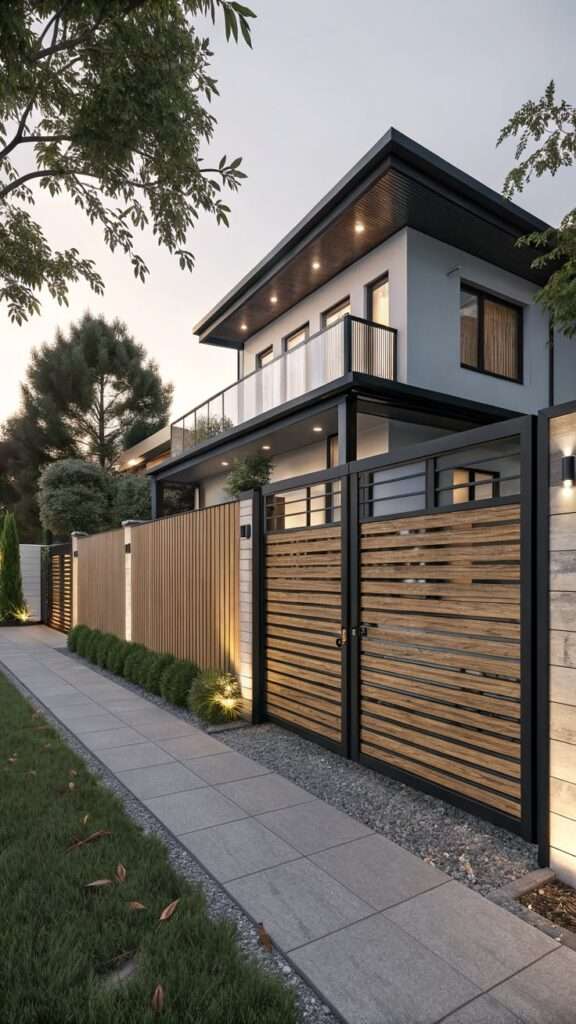
4. Vertical Slim Slat Fence
Our narrow side-yard passage (barely four feet wide) is where I tried vertical slats, mostly to make the space feel less like a hallway. It worked better than I expected — standing at one end, the eye gets pulled upward instead of down the length of the path, so it doesn’t feel as cramped.
The one thing that nearly ruined it: post alignment. On a run this visible and this narrow, a quarter-inch lean on one post throws off the whole rhythm of the slats and it’s obvious from either end. I checked every single post with a CRAFTSMAN 24-Inch Level before setting the concrete, and re-checked after 24 hours before removing the temporary bracing — worth the extra day of patience.
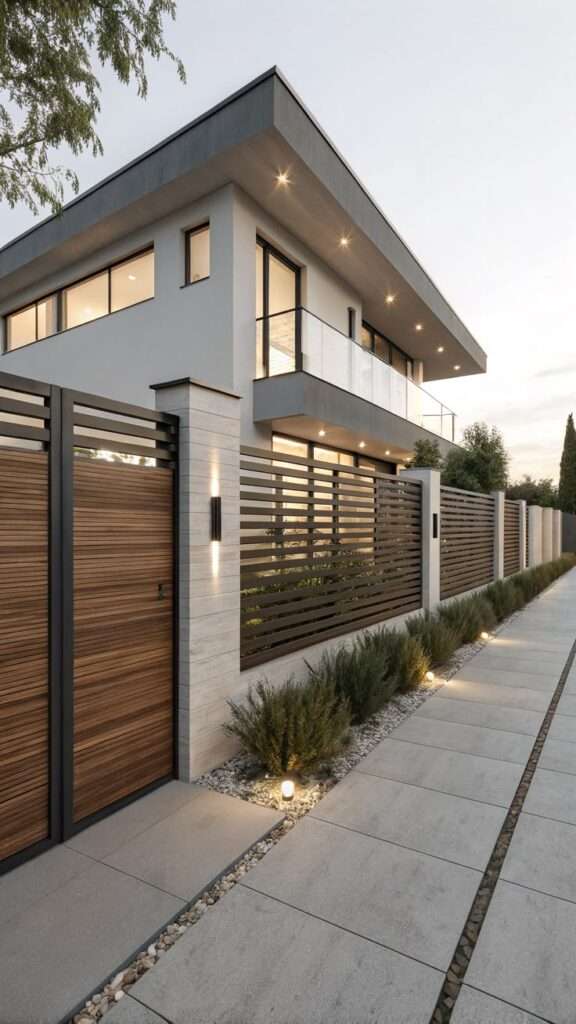
5. Floating Slat Fence Design
I saw this style first at a friend’s place and couldn’t figure out how the slats stayed up with no visible posts — turns out the posts are set back and hidden behind the end slats, so from the front it reads as one continuous floating plane. I tried a shorter version of it as an accent panel near our mailbox rather than a full boundary fence, since hiding posts convincingly gets harder the longer the run.
It’s a fussier build than a standard slat fence — you’re essentially building a hidden frame first — but for a small feature section, the clean look is worth the extra planning.
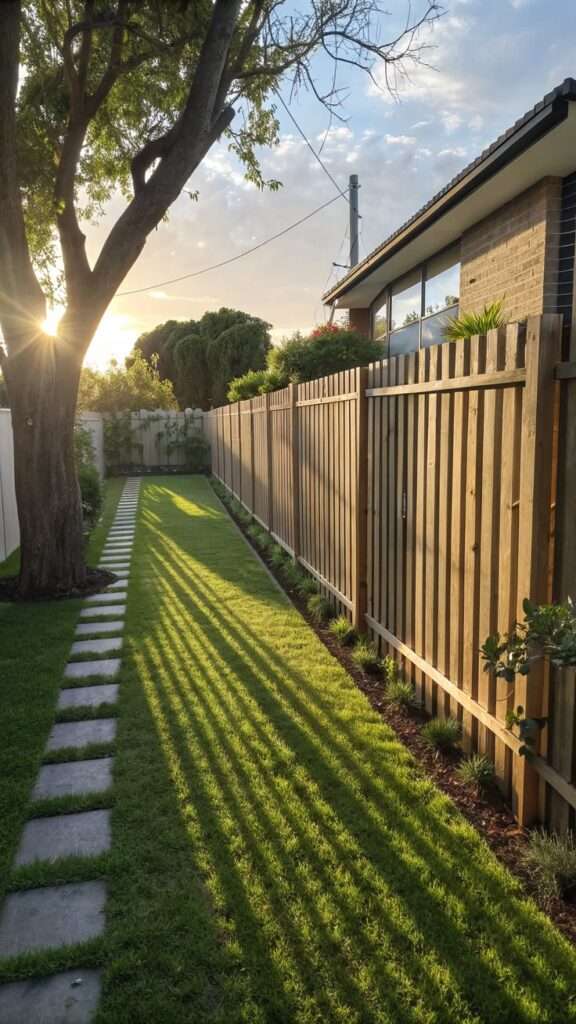
6. Concrete and Wood Combo Fence
For the section of fence that borders our driveway, I wanted something that wouldn’t need re-staining every two years, so I went with concrete pillars and cedar infill panels. The pillars also solved a drainage problem — that corner used to pool water after heavy rain, and the poured concrete bases raised the wood well above the waterline.
Quick-setting mix made the whole project doable in a single Saturday instead of stretching into a multi-day ordeal waiting for standard concrete to cure. I used Fast 2K Fence Post Mix Concrete for all four pillar bases and had posts stable enough to start attaching rails within about an hour.
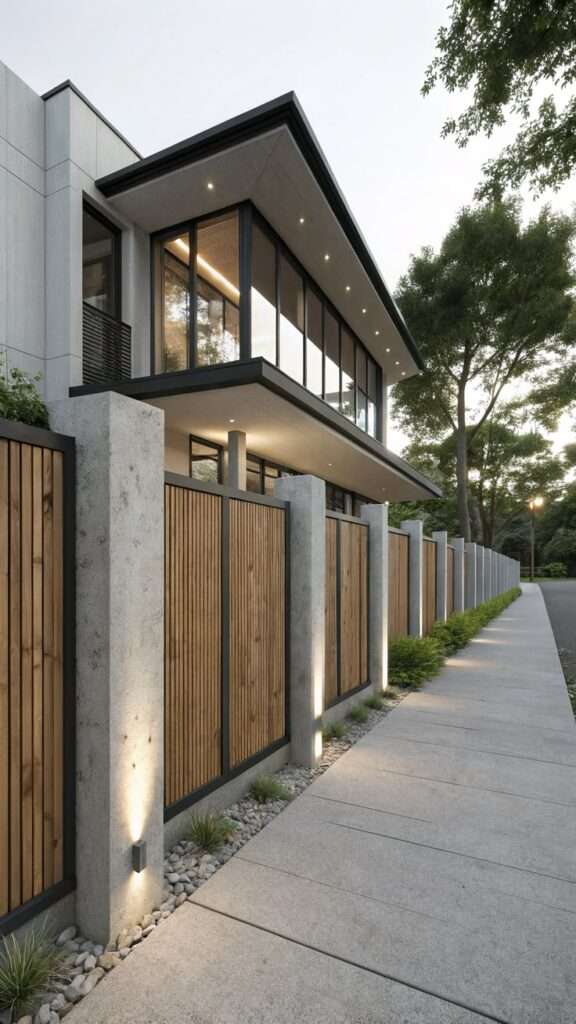
7. Metal Panel Privacy Fence
We put a metal panel section along the property line that backs onto a busier street, mainly for the low-maintenance factor — I didn’t want to be restaining or resealing anything on a fence I’d rarely even walk past. Three summers in, it’s needed nothing beyond an occasional hose-down to knock off dust.
The trade-off I didn’t anticipate: metal panels get noticeably hot to the touch in direct July sun, which matters if kids or pets brush against it. We ended up planting a row of ornamental grasses along the base, which also softened the industrial look considerably.
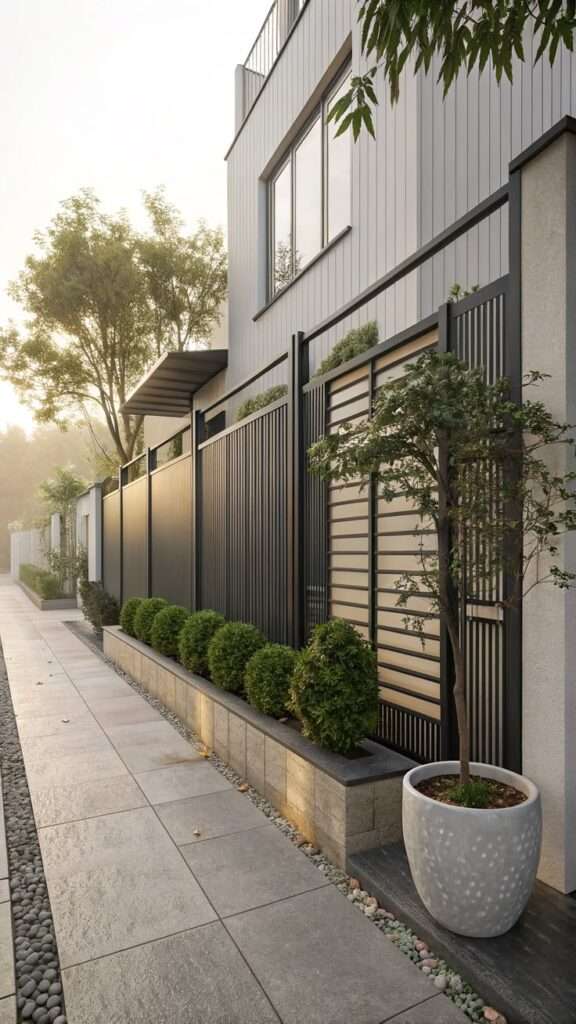
8. Bamboo-Inspired Modern Fence
I put a short bamboo-style panel run around our outdoor shower enclosure, mostly for the texture — everything else back there is hard surfaces (concrete, tile, metal fixtures) and it needed something organic to break it up. The rustling sound in even light wind turned out to be an unexpected bonus; it’s genuinely one of the more relaxing corners of the yard now.
One thing worth knowing before you commit: real bamboo panels need periodic UV-resistant sealing or they’ll gray and get brittle faster than you’d expect in full sun exposure.
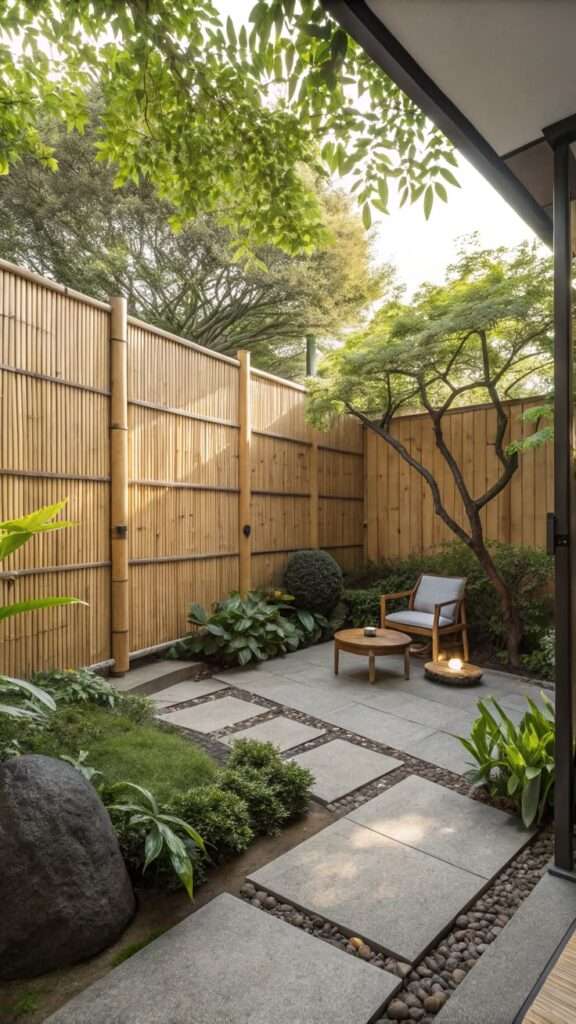
9. Corrugated Metal Fence
I used corrugated metal on the back boundary of our lot, which faces an alley rather than a neighbor’s yard, so I wasn’t as worried about it looking “cold” from a living space perspective. What surprised me is how differently it looks morning versus evening — the ridges catch low-angle light and throw long shadow lines that shift as the sun moves.
It’s held up through hail without a single dent, which is more than I can say for our old wood fence panels after the same storm.
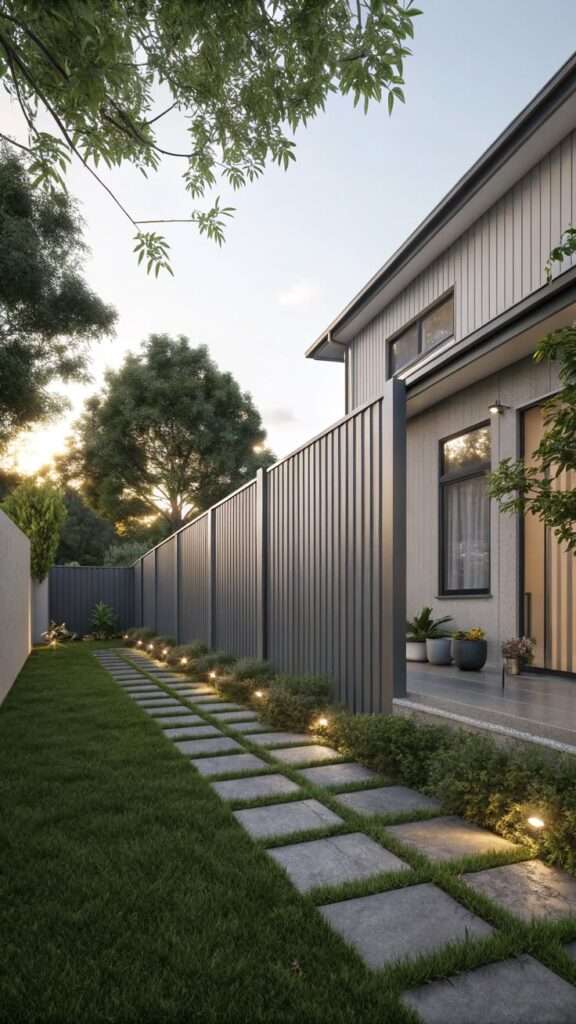
10. Fence with Built-In Lighting
I ran a string of solar lights along the top rail of our back fence after one too many evenings where guests couldn’t see their drinks after sunset. It changed how much we actually use that part of the yard after dark — before, everyone drifted back toward the house once it got dim; now people stay out by the fence line well into the evening.
No wiring needed since these run on solar. I’ve used the SOLPEX Solar Fence Lights for about a year now — they held a charge through most of winter, though shorter daylight hours in December did mean dimmer output by 9 or 10 PM. If you want more ideas along these lines, check our budget-friendly backyard upgrades guide.
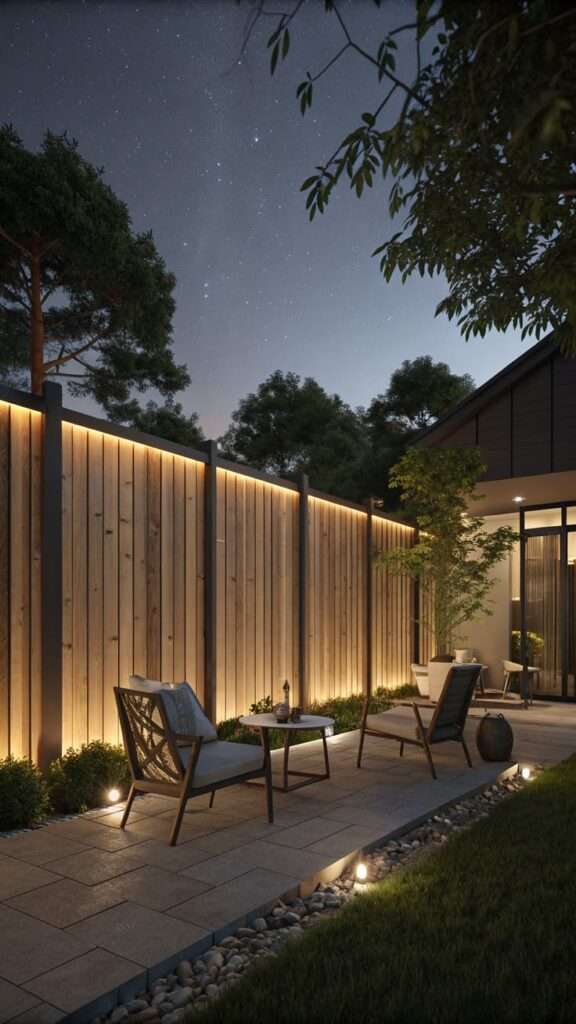
Fence Material Comparison Guide
Choosing the right material matters just as much as the design. Here’s a simple breakdown to help readers decide what works best for their home, climate, and budget.
| Feature | Wood Fencing | Metal Fencing (Steel/Aluminum) | Composite Fencing |
|---|---|---|---|
| Overall Look | Warm, natural, classic-modern | Sleek, bold, contemporary | Clean, uniform, modern |
| Privacy Level | High (solid panels or slats) | Medium to High (panel dependent) | High (solid boards) |
| Maintenance | Medium to High (staining/sealing required) | Low (rust-resistant coatings) | Very Low |
| Durability | 10–20 years (with maintenance) | 20+ years | 20–30 years |
| Weather Resistance | Can warp or fade | Very strong in harsh weather | Excellent moisture resistance |
| Cost Range | $$ | $$–$$$ | $$$ |
| Best For | Cozy, warm modern homes | Bold contemporary homes | Low-maintenance modern designs |
My Honest Take as a Homeowner
- If you love warmth and natural charm → Wood is hard to beat.
- If you want sleek and low-maintenance → Metal is a strong choice.
- If you prefer long-term durability with minimal upkeep → Composite is worth the investment.
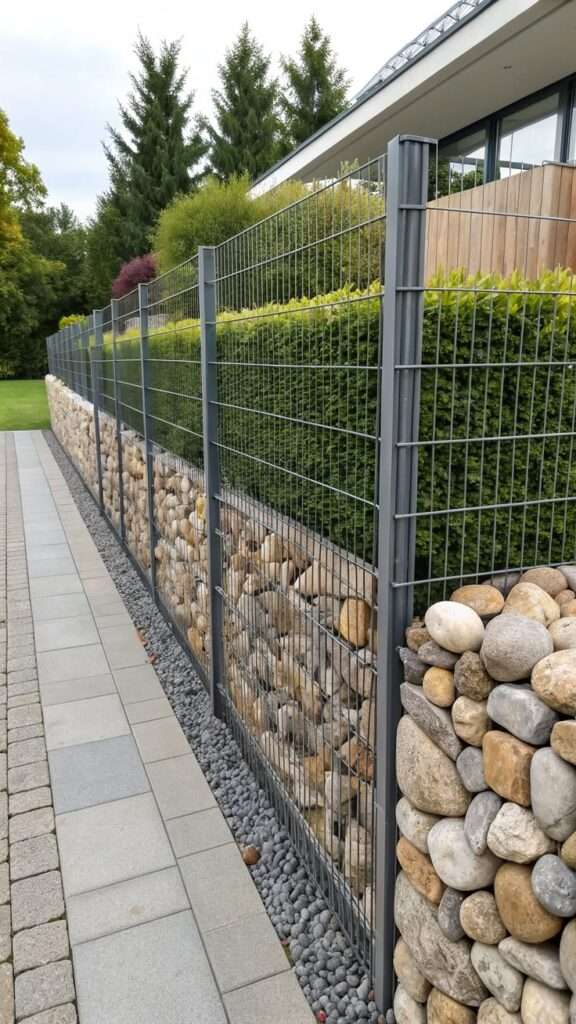
11. Gabion Wall Fence
Gabion fences are made using wire cages filled with stones. They feel strong, natural, and very modern.
This design works especially well in larger yards. It creates a strong visual border while still feeling stylish.
I love how textured and unique they look. No two fences turn out exactly the same.
They’re also extremely durable and low maintenance.
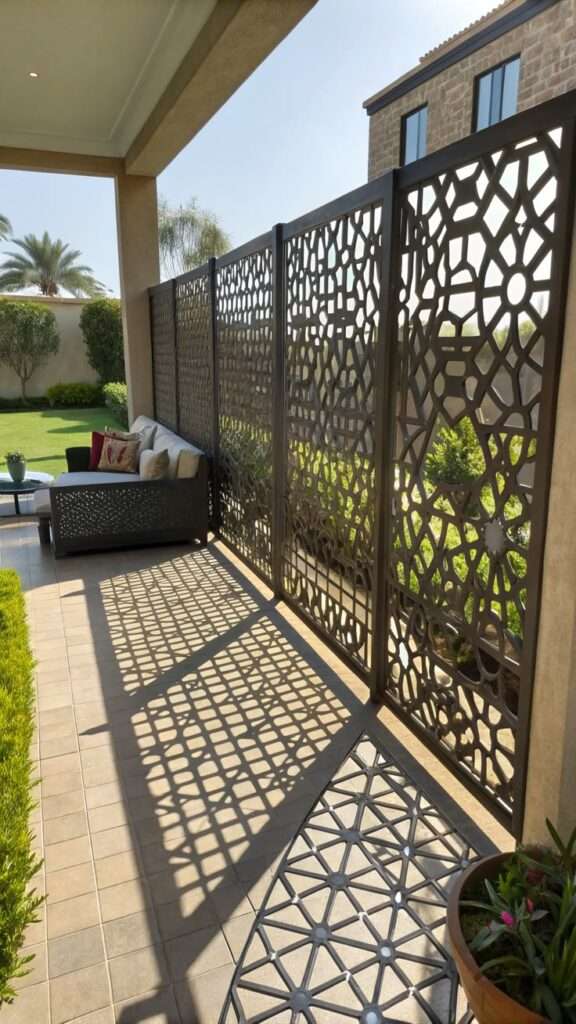
12. Patterned Metal Screen Fence
Patterned metal panels feel like outdoor art. They add detail while still keeping a modern look.
They’re great for creating partial privacy without blocking all the light. The shadows they cast can be really beautiful.
This style works nicely as a feature section rather than the entire boundary. It adds personality without feeling overwhelming.
Perfect for small courtyards and patios.
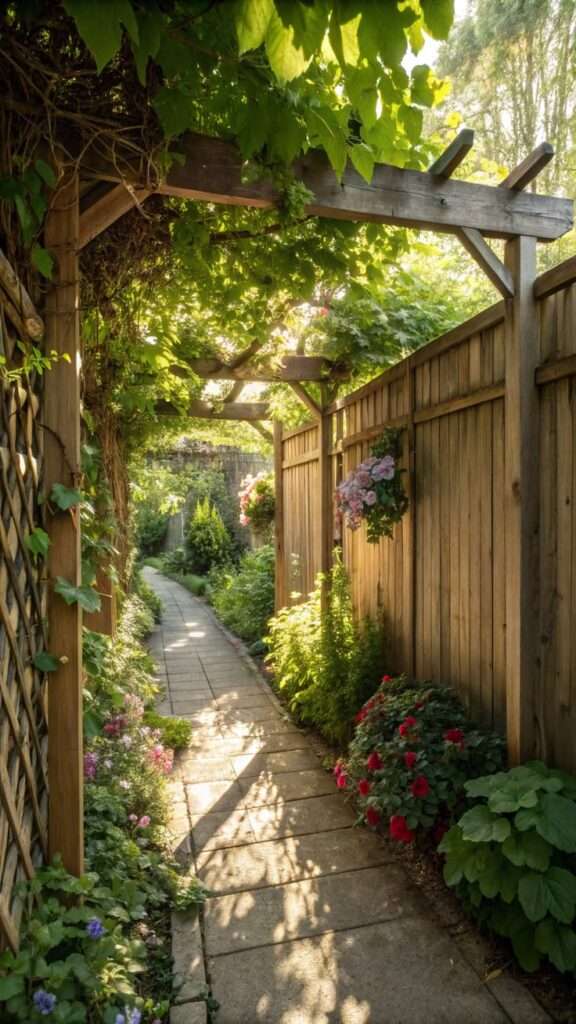
13. Live Plant Fence (Green Wall)
If you’re someone who loves the idea of your fence being alive, a living plant fence might be your dream. This is where climbing vines or densely planted shrubs grow up along a supportive structure, giving you both privacy and a lush backdrop. I installed a trellis with jasmine vines a few years ago, and not only did it soften the fence visually, it perfumed the air every spring — something a plain wood fence just can’t do.
Choose plants that thrive in your climate and provide year-round structure. Evergreens like star jasmine or ivy are great for consistent coverage; flowering vines like clematis or honeysuckle are stunning if you want seasonal blooms and color. Be mindful that plant fences require more care than solid panels — but for many gardeners, the payoff in look and feel is absolutely worth it.
To reduce maintenance, plant low-growing shrubs at the base that fill in any gaps and prevent weeds. Over time, you’ll have a living fence that feels like an outdoor room divider, quietly elegant and full of life.
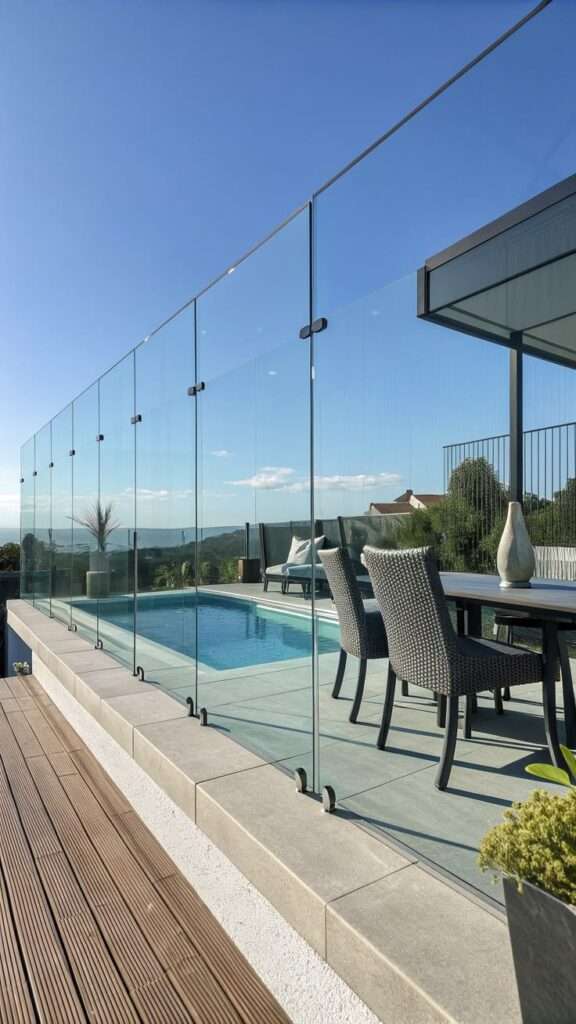
14. Glass Panel Fence for Ultra-Clean Look
Glass fences are sleek, minimal, and perfect for spaces where you don’t want to block views — like around a pool or garden overlook. They feel especially contemporary when paired with metal posts or clean stone paving. I installed one around my deck last summer and was amazed at how much more integrated the space feels with the yard — no visual barriers, just uninterrupted flow.
Tempered safety glass is essential here, both for durability and for code requirements if you’re near a pool. Keep frames and posts minimal so that the view is the real star. You’ll also want to clean the glass regularly — water spots and fingerprints are more obvious here than on wood or metal.
But when it’s done right, a glass fence elevates the whole look. It’s understated, modern, and almost invisible — which makes your outdoor plants and landscaping pop even more.
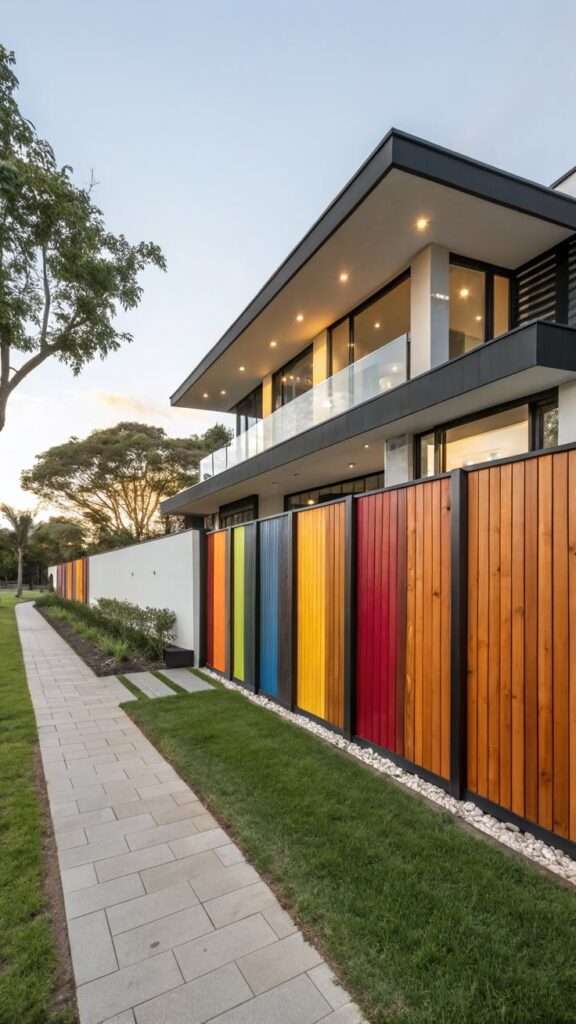
15. Painted Color-Block Fence
Not all modern fences have to be neutral. If you love color and personality, consider painting sections of your fence in geometric color blocks. I tried this on a short boundary between my yard and driveway, and it instantly became a conversation piece.
Choose colors that complement your home’s exterior palette, or pick unexpected shades for a playful twist. Bright teal next to charcoal gray, or crisp white combined with mustard — these combos feel artistic without being overwhelming.
This idea works well on shorter segments of your fence or even as an accent panel near a seating area. Pair it with clean landscaping and simple furniture so the colors feel intentional and grounded.
16. Recycled Materials Fence
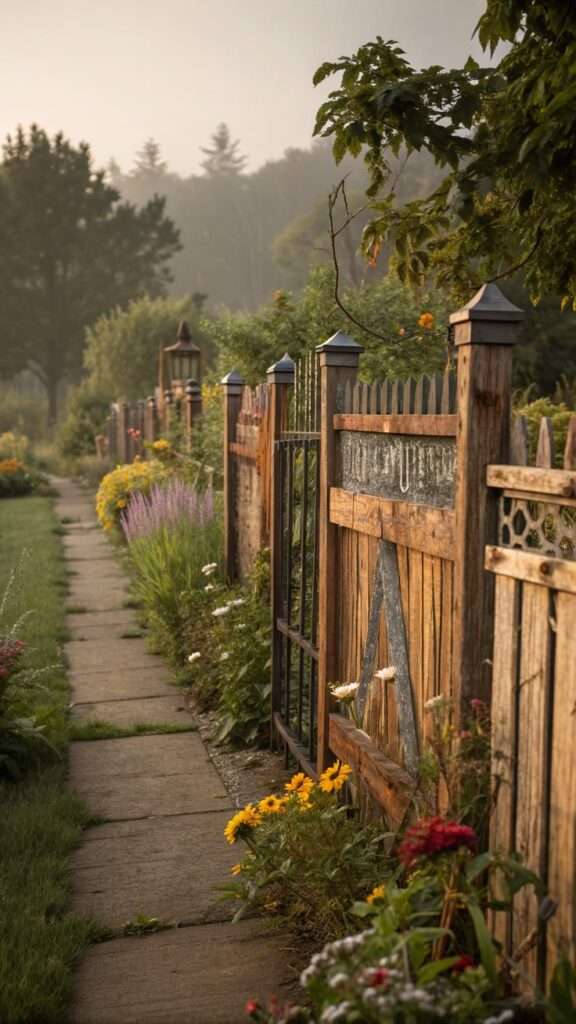
If sustainability matters to you, creating a fence from reclaimed or recycled materials brings both eco-friendly vibes and distinctive character. I once used a collection of reclaimed barnwood boards with varying textures, and it turned a simple boundary into a rich, story-filled backdrop.
Reclaimed metal sheets paired with salvaged timber feel industrial yet warm. Just be sure all recycled material is treated, safe, and structurally sound before installation. This type of fence is perfect for gardens with a relaxed, creative aesthetic.
It’s a great way to add personality while reducing environmental impact. Plus, each panel tells its own story — something factory-made fences can’t replicate.
17. Pergola-Top Fence for a Cohesive Boundary
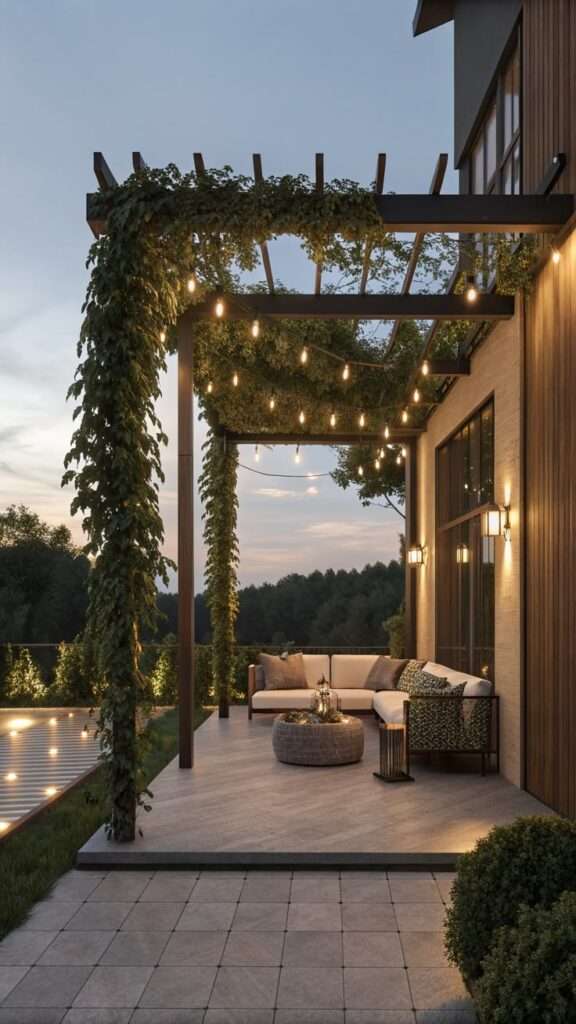
One of my favorite transformations comes from adding a pergola-like extension to a boundary fence. This feels especially good if your yard includes a patio or seating zone right next to the fence. Instead of a tall wall all on its own, the pergola overhead creates an intentional room-like feel.
You can weave vines or lights through the beams, creating a canopy that’s both decorative and functional. This approach makes the fence feel part of your outdoor living space instead of just a barrier.
Think of this as blurring the line between architecture and landscaping — and it’s a fantastic way to unify your yard’s design.
18. Artistic Mural Fence
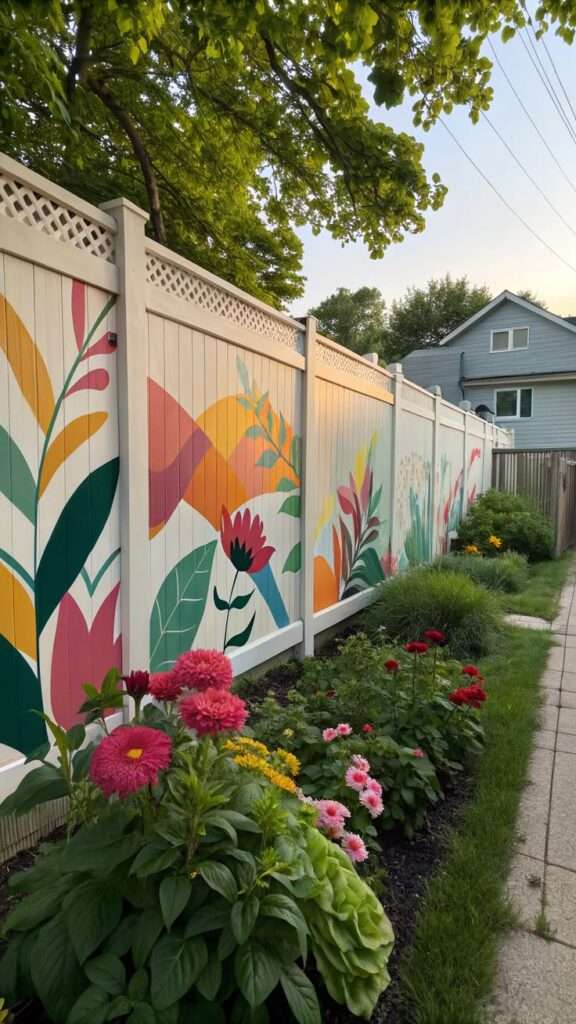
If you’re feeling creative (or know a local artist), turning your fence into a mural can make a bold modern statement. This works beautifully on privacy panels near patios or as a feature boundary in larger gardens.
Geometric shapes, abstract color washes, or nature-inspired scenes — pick a style that feels cohesive with your outdoor vibe. I helped a friend install a soft botanical mural on her backyard fence one summer and the space suddenly felt more like an outdoor gallery than a backyard.
Weather-resistant paints are a must, and you’ll want to seal the finished artwork so it keeps its vibrancy. But the impact is huge — suddenly your fence isn’t just functional, it’s inspiring.
Final Thoughts
Your fence isn’t just a boundary — it’s the frame around your home’s entire story.
Whether you choose sleek black metal, warm horizontal wood, or a bold wood-and-concrete mix, the right design can instantly elevate curb appeal and create a more private, peaceful outdoor space.
✨ Start by identifying what matters most: privacy, maintenance, style, or long-term durability.
✨ Choose a material that fits your climate and lifestyle.
✨ Then commit to a design that complements your home’s architecture.
A modern fence isn’t just an upgrade — it’s an investment in how your home feels every single day.
Save your favorite idea, plan your layout, and take that first step toward transforming your outdoor space.
Natural wood fences stay beautiful much longer when they’re protected from rain, sun, and seasonal weather. After finishing a fence installation, I always apply a quality stain rather than leaving the wood untreated. One product I’ve consistently had good results with is Ready Seal Exterior Wood Stain & Sealer, which enhances the wood grain while helping extend the fence’s lifespan.

Aagam – Founder of SpruceTouch
I’m Aagam, a home and garden enthusiast who enjoys growing, building, and improving outdoor spaces. I focus on practical backyard projects, garden ideas, and simple DIY solutions that are useful in real homes. Through SpruceTouch, I share what I’ve learned, what worked, what didn’t, and the small details that can make an outdoor project easier.