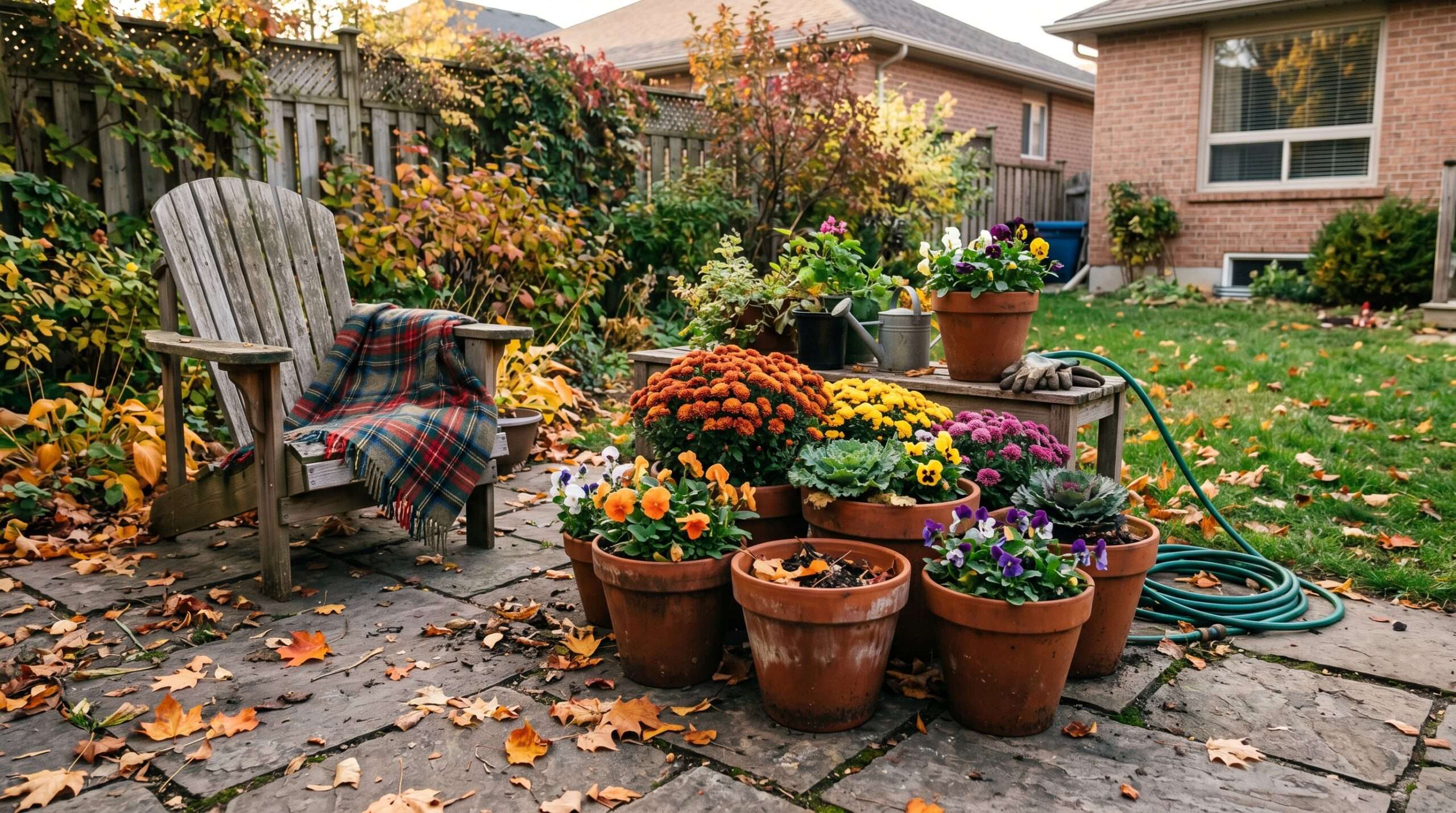
19 Best Fast-Growing Fall Flowers for a Burst of October Color
I’ve spent the last 17 years digging in the dirt of my suburban backyard, and if there’s one thing I’ve learned, it’s that the “end” of the gardening season is a total myth. Most people pack up their shovels in September, but that’s actually when some of the most rewarding colors start to show up. We’re going to look at exactly which seeds and starts can handle the cooling soil and still give you a show by October.
I’ve tested dozens of layouts—some looked like a professional botanical garden, and others… well, others looked like a weed patch with a few sad petals. I remember one year I spent nearly $200 on “instant” fall decor from a big-box store only to have it wilt within three days because the root systems were cramped. It was a total waste of money and honestly pretty discouraging.
I used to struggle with that “patchy” look where the summer zinnias are dying off and the ground looks bare and brown. It made my whole yard feel messy and neglected. But once I figured out the timing for fast-growers, I realized you don’t need a massive budget or a green thumb—you just need the right plants that are in a hurry to bloom.
A few of these ideas honestly worked much better than I expected, especially the ones that thrive on those crisp, cool mornings.
Quick Picks (Top 5)
If you’re in a rush and just want the “greatest hits” for immediate impact, here is what I’d grab first:
- Pansies: The ultimate “set it and forget it” fall flower.
- Calendula: Tough as nails and grows incredibly fast from seed.
- Garden Mums: For that classic, dense explosion of color.
- Sweet Alyssum: A low-growing carpet that smells like honey and loves the cold.
- Snapdragons: They actually prefer the fall over the heat of summer.
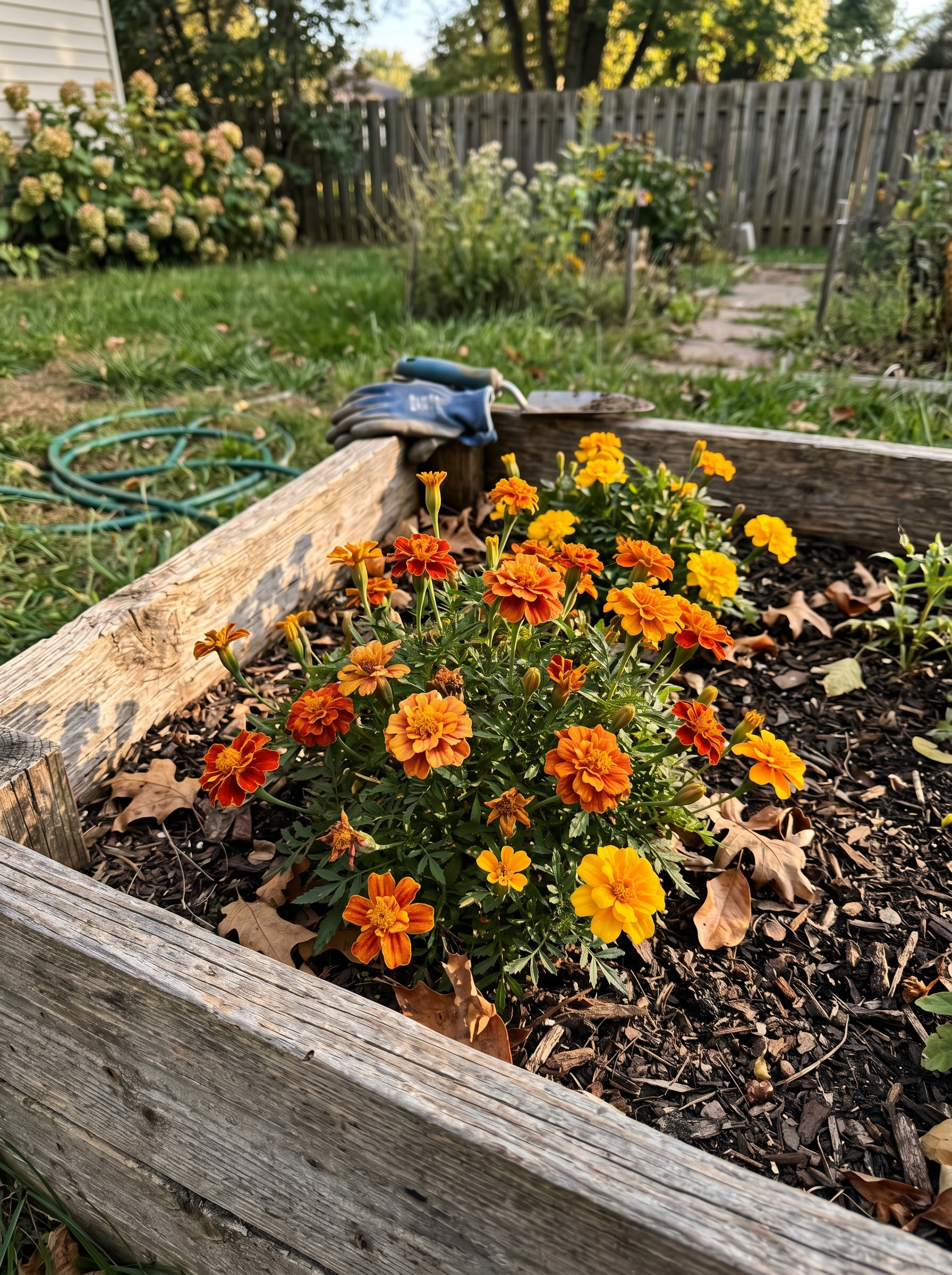
1. The Reliable French Marigold
I used to think marigolds were just for summer, but they actually hit their stride when the humidity drops. If you grab the “Petite” varieties, they fill out into these tight, bushy mounds of gold and orange in just a few weeks. I’ve found that they act as a great “border guard” for my raised beds, keeping things looking tidy while other plants are heading into dormancy.
Last year, I tucked these into the gaps where my lettuce had bolted. Because the soil was already warm from August, they exploded. The trick is to deadhead them—just pinch off the dried-up heads—and they’ll keep pushing out new buds until a hard freeze. They aren’t picky about soil either, which is a blessing if you’re like me and sometimes forget to fertilize.
One thing most people ignore is that marigolds actually help keep some late-season pests away from your remaining veggies. It’s a win-win.
2. Calendula (Pot Marigold)
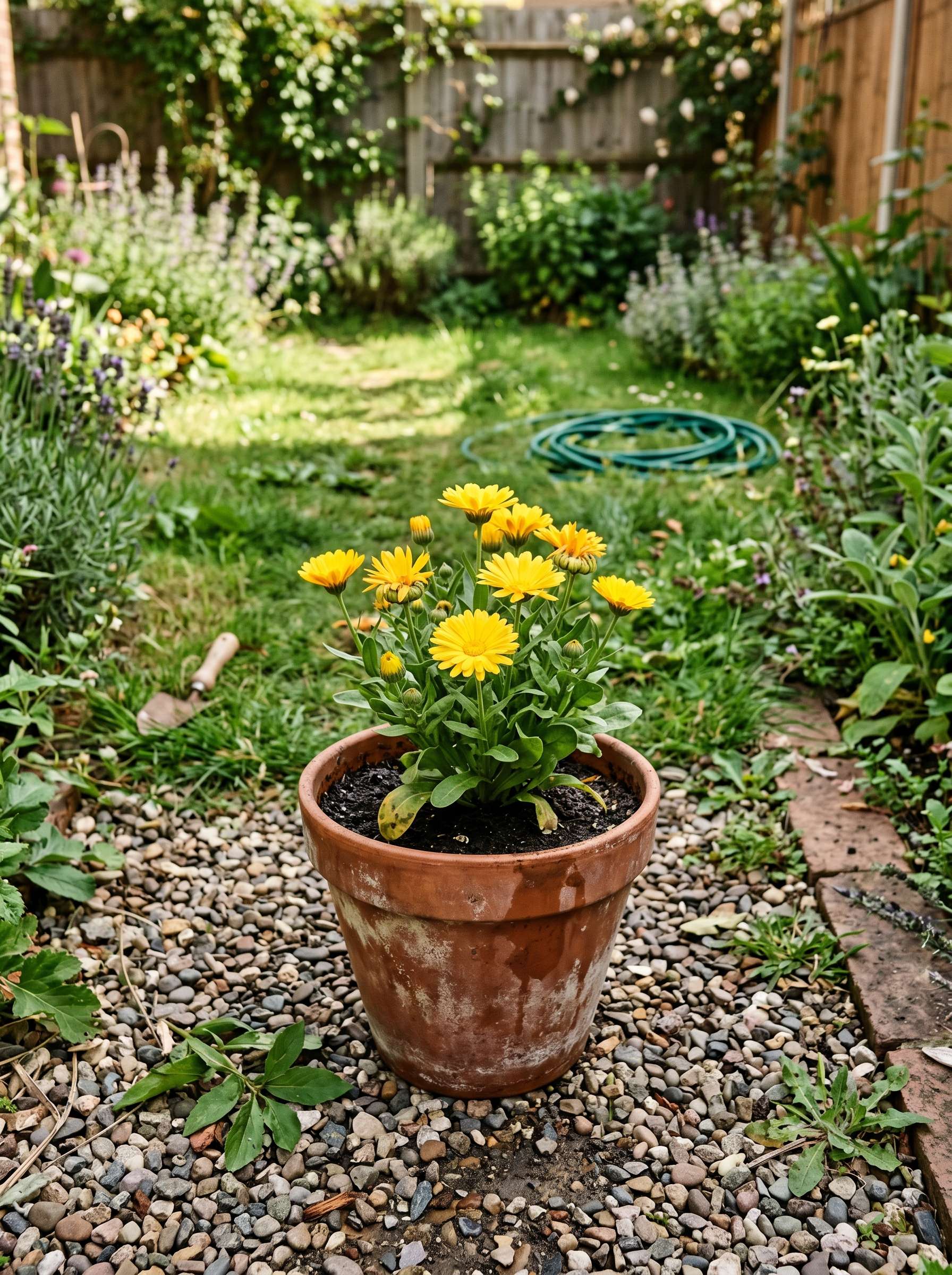
Calendula is the unsung hero of the “I forgot to plant stuff” gardener. You can toss these seeds into the ground in late August or early September, and they will race to bloom. I love them because they have this medicinal, earthy smell and the petals are actually edible—I sometimes sprinkle them on salads just to feel fancy.
I learned this the hard way: don’t overwater them. They like to dry out a bit between drinks. One year I kept the soil soggy and they got leggy and sad. Now, I let the top inch of soil get dry to the touch before I even think about grabbing the hose. They handle a light frost like absolute champs, often looking fresh even after a chilly night that kills off the peppers.
3. Sweet Alyssum “Carpet of Snow”
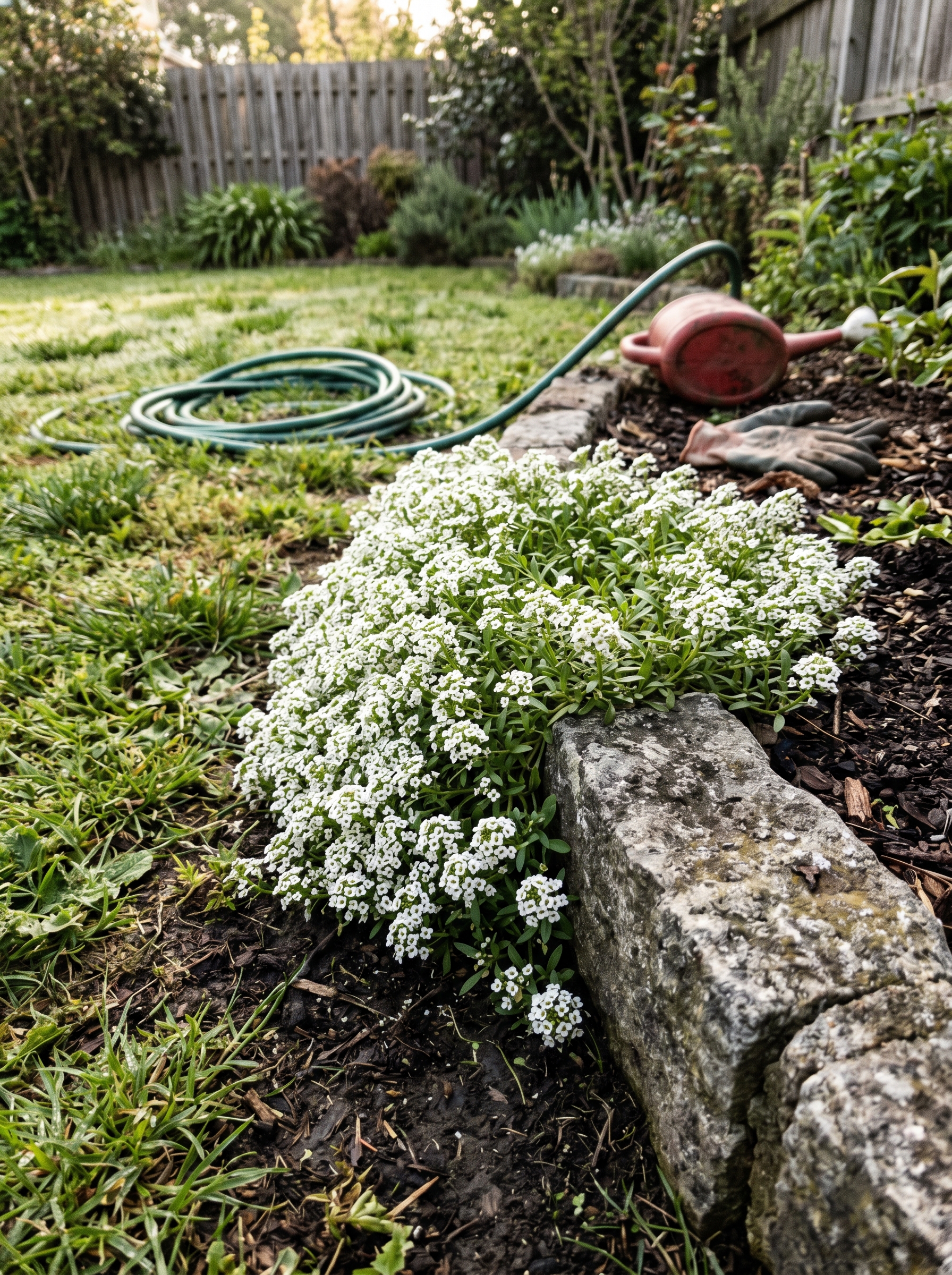
If your garden looks a bit “stiff” with tall mums and marigolds, you need Alyssum. It’s a low-growing filler that spills over the edges of pots like white foam. I usually buy a flat of these rather than starting from seed this late, just to get that instant “spill” effect.
The best part? The scent. On a sunny October afternoon, a patch of Alyssum smells like pure honey. It attracts the last of the bees and butterflies, which is always a nice sight before winter sets in. I’ve used these to cover up the “ugly legs” of taller perennial plants that have lost their bottom leaves.
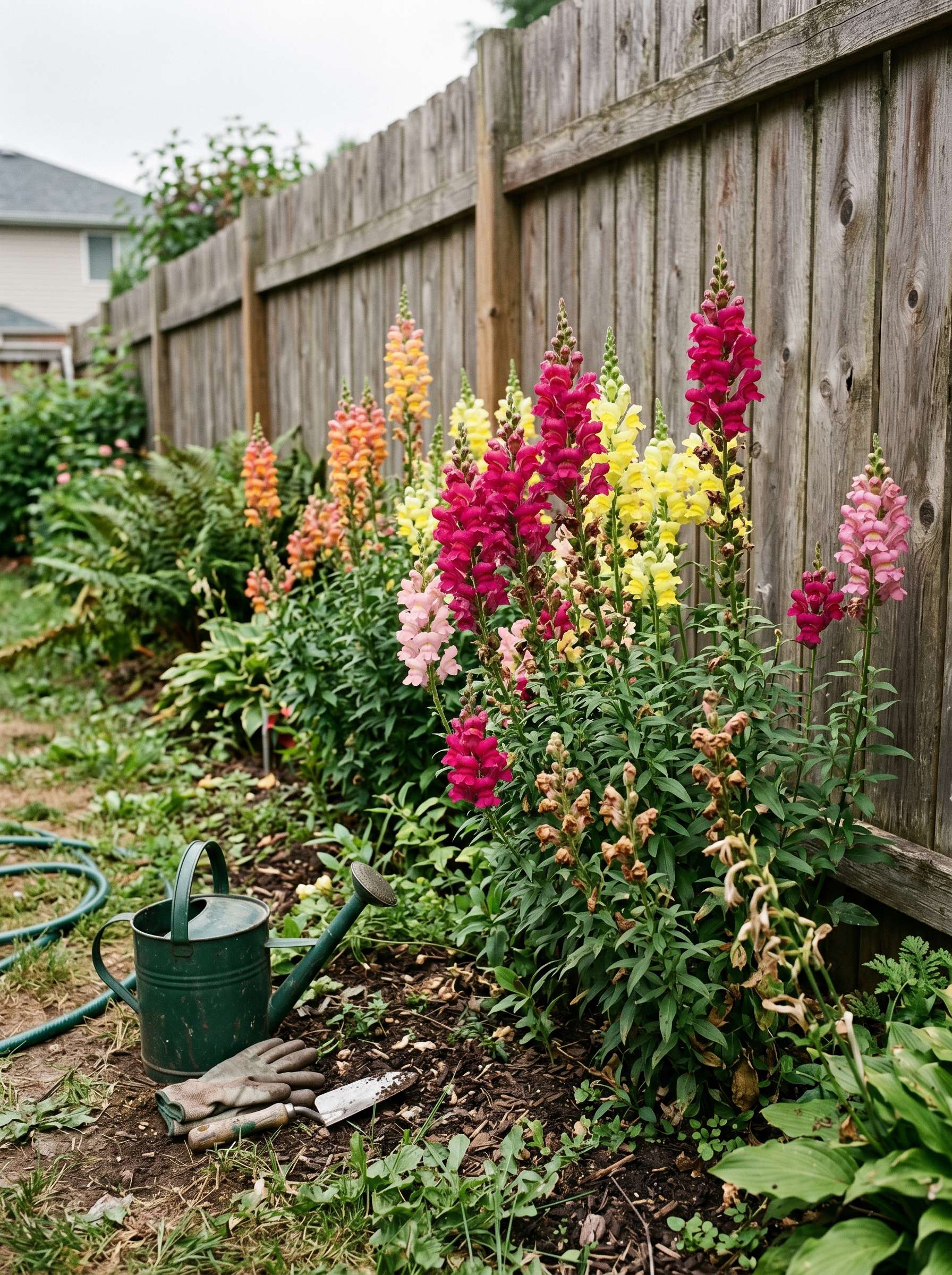
4. Snapdragons: The Cool Weather Queens
Snapdragons are interesting because they actually stop blooming in the dead of summer heat. If you plant them now, they wake right up. I personally love the tall “Rocket” varieties because they add height to a fall display that is often dominated by low, round mums.
One mistake to avoid: forgetting to stake the tall ones. October can get windy, and there’s nothing sadder than seeing your beautiful snaps snapped in half after a rainstorm. I use simple green bamboo sticks that blend in. They come in every color imaginable, but I find the deep burgundies and bronzes look best against the changing tree leaves.
Small Pro Tip When planting in the fall, the sun is lower in the sky. Check your shadows! A spot that was full sun in June might be full shade by late September because of your house or a neighbor’s tree.
5. Nasturtiums (The Jewel Mix)
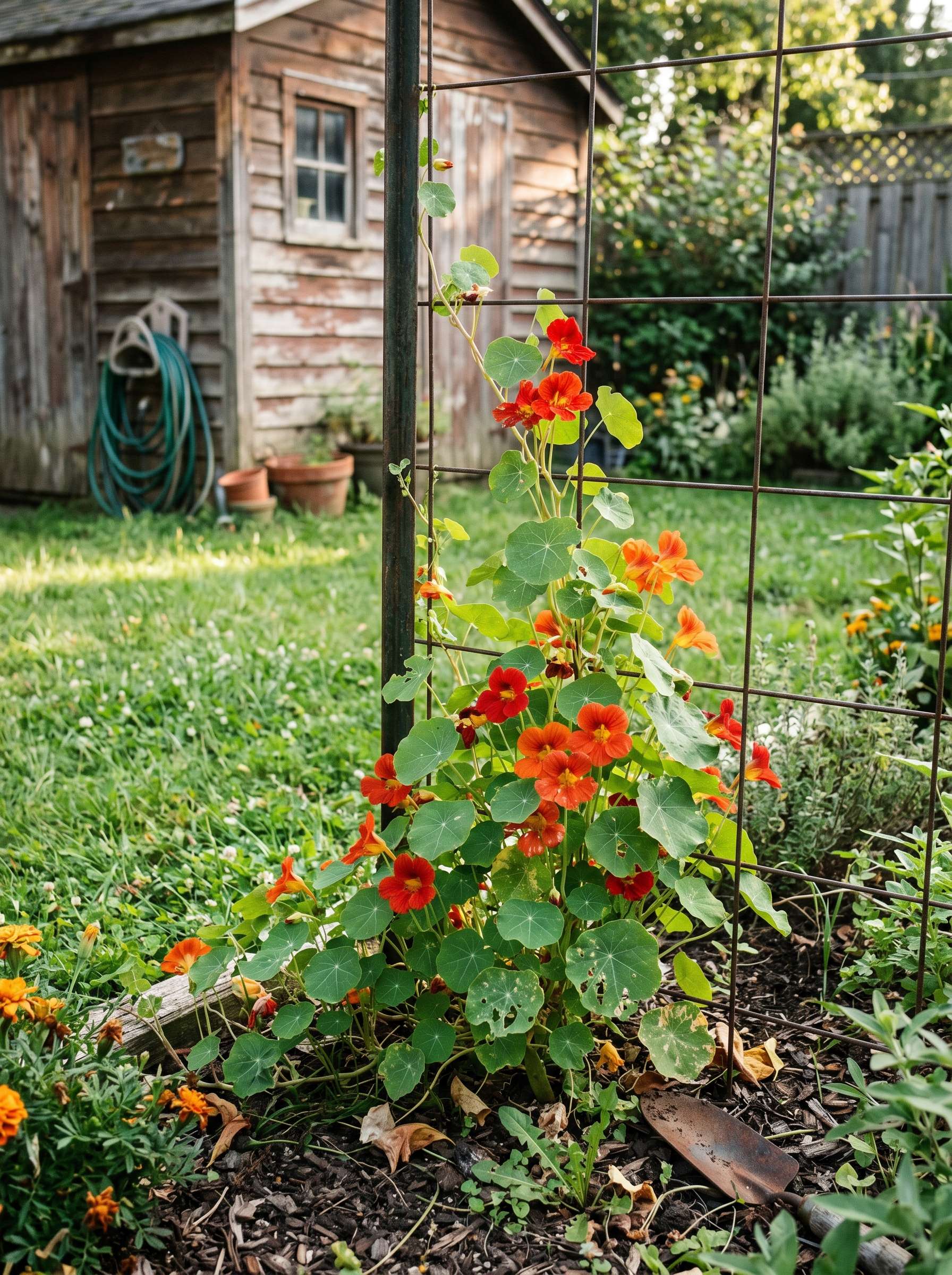
Nasturtiums are fast. Like, “blink and you missed a leaf” fast. They have these round, lily-pad-looking leaves and vibrant, trumpeted flowers. I usually soak the seeds overnight before planting them to speed up germination.
This worked better than expected: I planted them at the base of my tomato cages once the tomatoes were done. They climbed right up the wire and turned an ugly, empty cage into a tower of orange and red. The seeds are big, so they are great if you have kids or grandkids who want to help “poke” them into the dirt.
6. Ornamental Kale and Cabbage
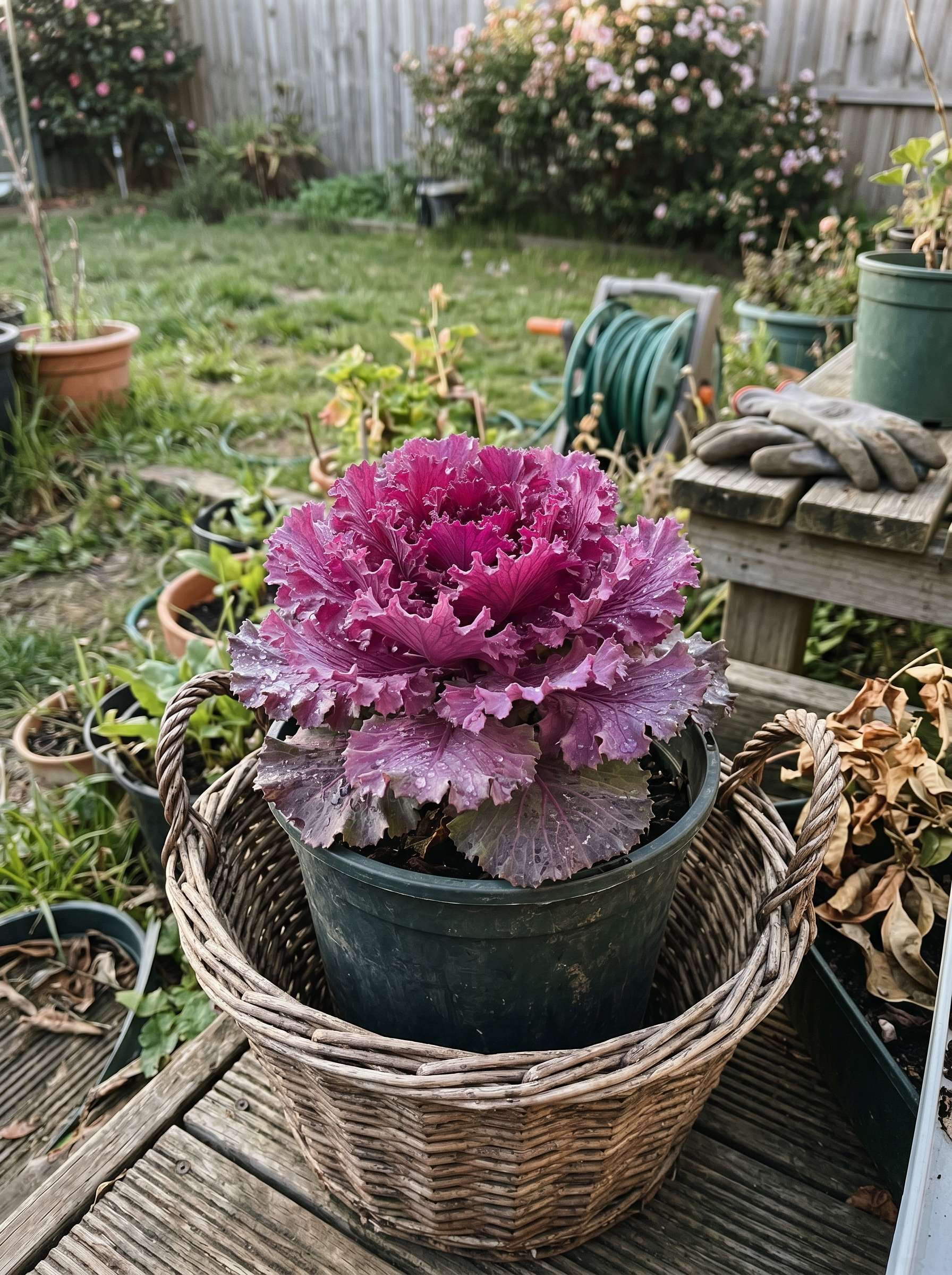
Okay, technically these aren’t “flowers” in the traditional sense, but they are essential for October color. They don’t even get their best colors—deep purples, rose pinks, and creamy whites—until the temperature drops below 50 degrees.
I’ve learned that these are basically indestructible. I’ve seen them covered in a light dusting of snow and they still look like they’re ready for a magazine cover. I like to group them in threes in large containers. But here’s the kicker: don’t plant them too deep. Keep the “head” of the cabbage level with the soil line or they might rot if it’s a rainy autumn.
7. Pansies and Violas
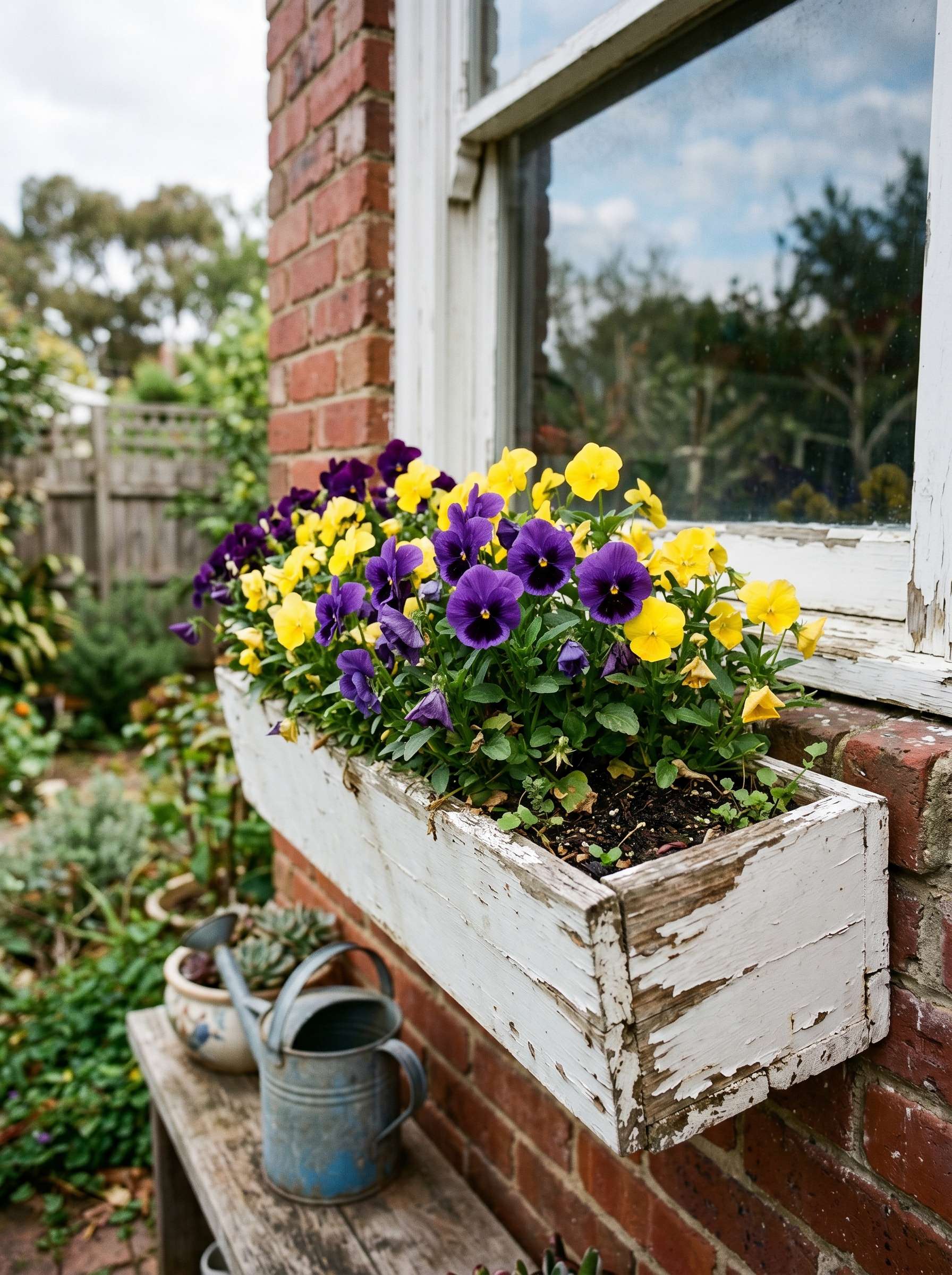
You can’t have a fall garden without pansies. They are the tough guys of the flower world. I prefer the smaller “Violas” (sometimes called Johnny Jump-Ups) because they tend to produce more flowers than the giant-faced pansies.
I learned this the hard way: if you plant them too early while it’s still 85 degrees out, they will stretch and get “leggy.” Wait for that first true crisp week of weather. If you treat them right, they will bloom all through October, go dormant under the snow, and then pop back up to say hi in March. It’s like getting two seasons for the price of one.
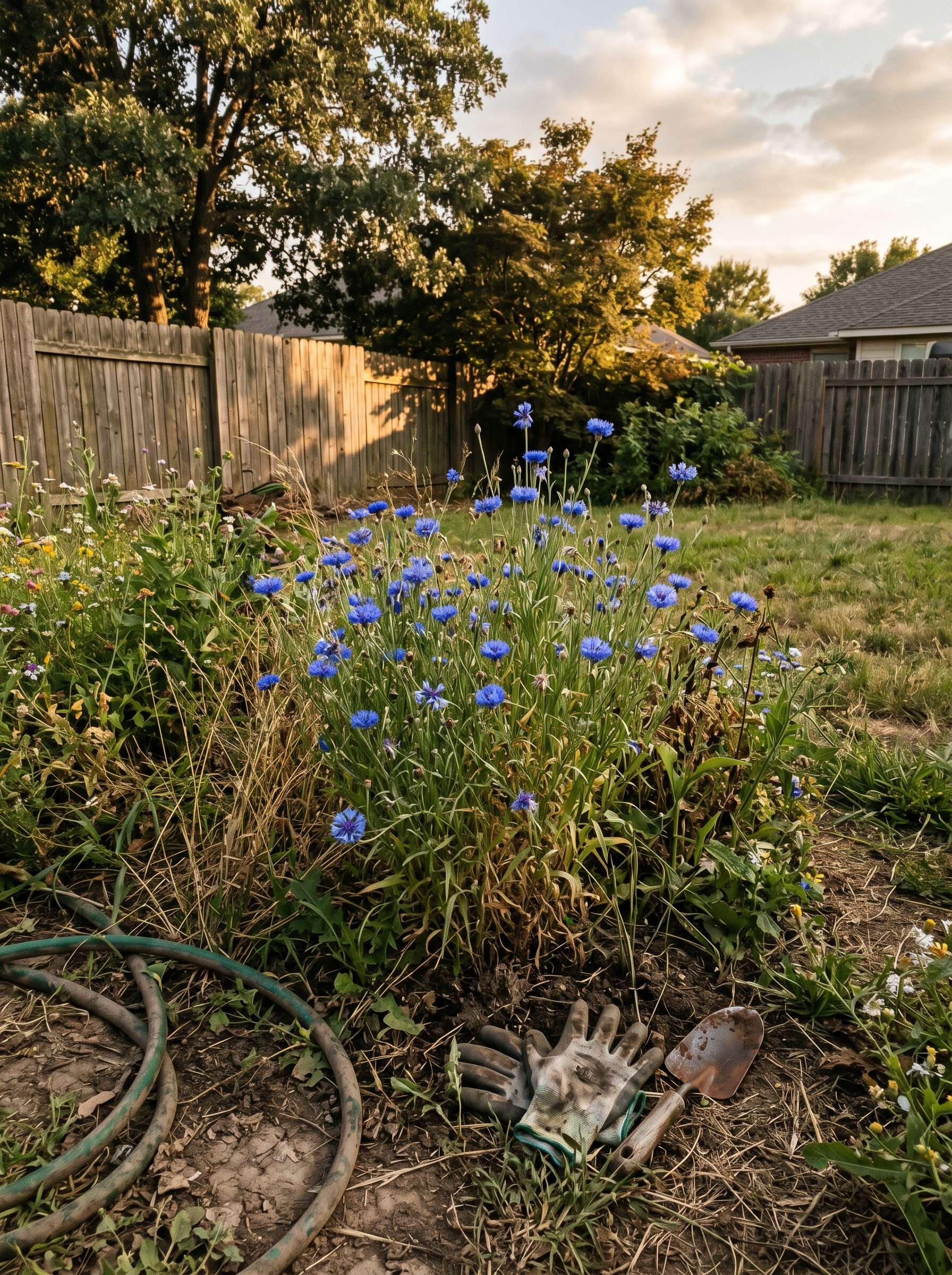
8. Bachelor’s Buttons (Cornflowers)
These are surprisingly cold-hardy. Most people plant them in spring, but a late-summer sowing results in beautiful, papery blue flowers by October. I love the blue ones specifically because blue is such a rare color in the fall palette of oranges and browns.
One thing to watch out for is that they can get a bit floppy. I usually plant them closely together so they can lean on each other for support. They make excellent cut flowers, so I often find myself bringing a handful inside to put in a bud vase on the kitchen windowsill.
9. Celosia (Plumed or Cockscomb)
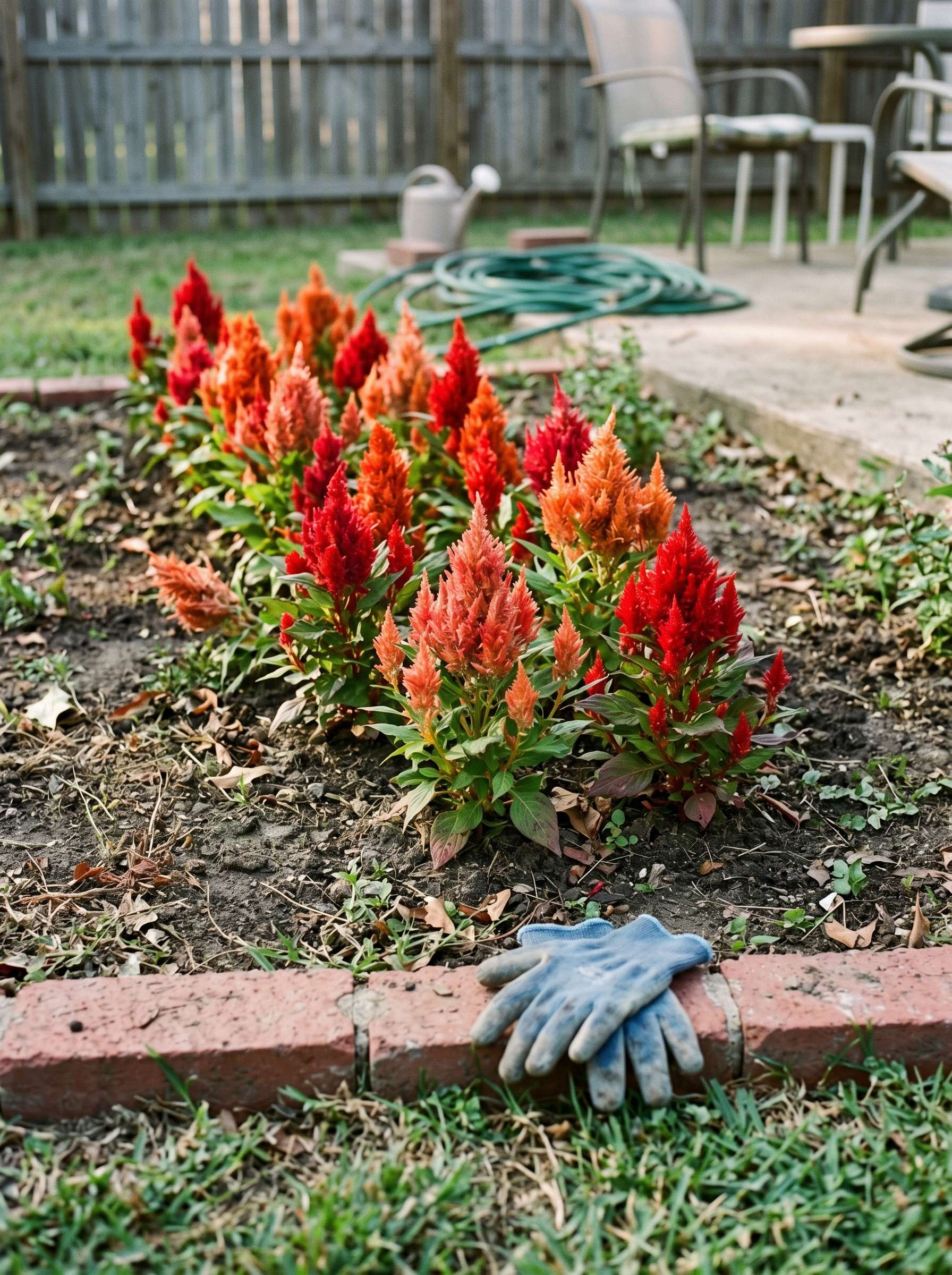
Celosia looks like something out of a Dr. Seuss book. The “Plumed” varieties look like little feathery flames. They absolutely love the warm soil of late summer and will grow rapidly into September.
I usually buy these as starts (small plants) rather than seeds if I’m starting in September, just to ensure they hit their peak size by October. They hold their color even when they start to dry out, which makes them great for “everlasting” fall arrangements. I once left some in a vase without water and they stayed bright for a month.
⚠ Common Mistake Don’t stop watering! We tend to forget about the hose once the air gets cool, but fall wind can dry out plants faster than summer heat. Keep that watering plants correctly habit going until the ground actually freezes.
10. Aster (Symphyotrichum)
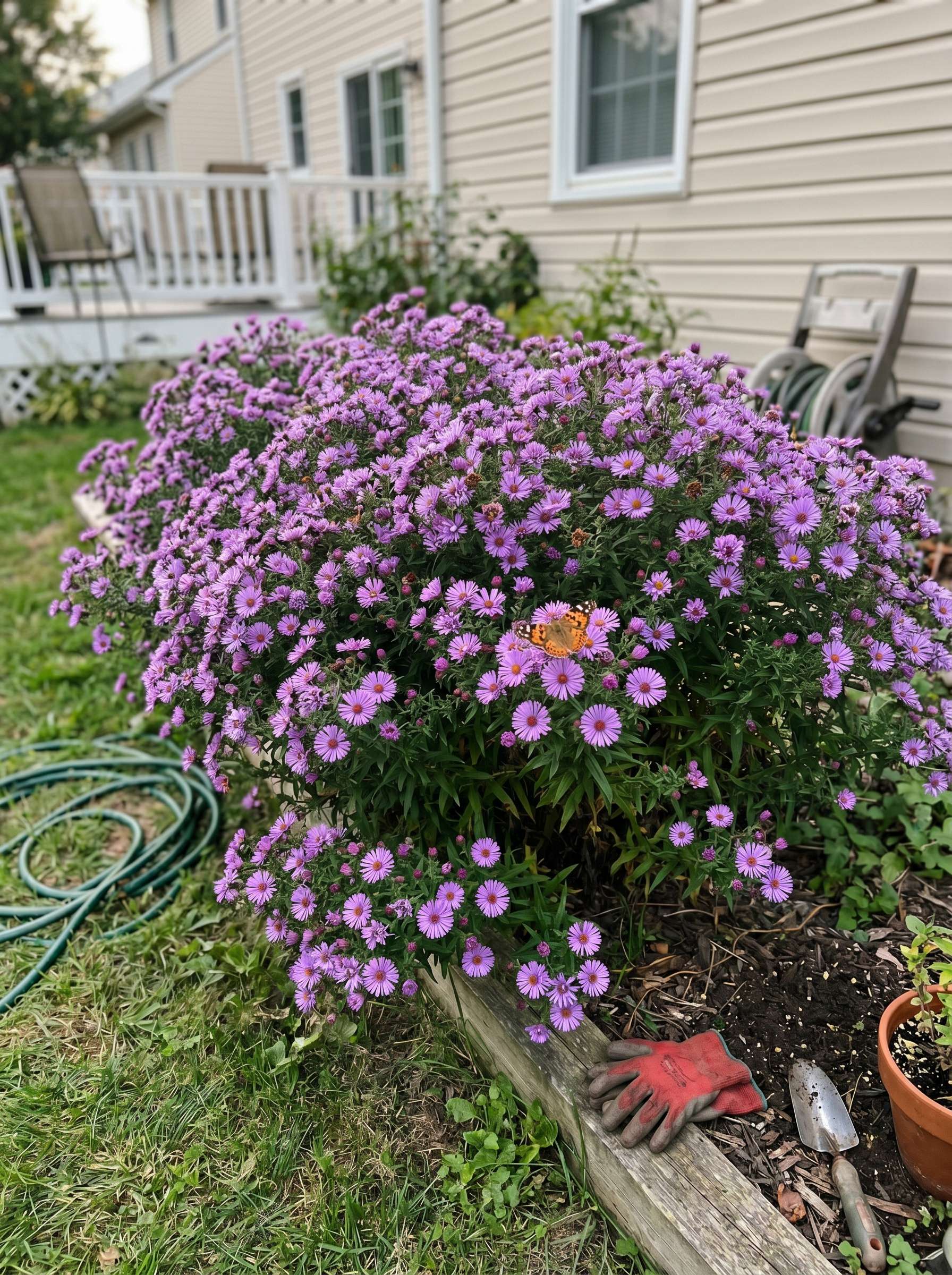
Asters are the quintessential “late bloomers.” They stay green and boring all summer long, and then suddenly in late September, they explode into a cloud of purple or pink. You can buy these at any garden center right now.
But wait, there’s a catch: they can get powdery mildew if you water them from the top. I always try to aim the hose at the base of the plant. If the leaves start looking like they’ve been dusted with flour, don’t panic—it usually doesn’t kill the plant, but it’s not pretty. I usually hide the bottom of the asters behind some shorter mums.
11. Garden Mums (Chrysanthemums)
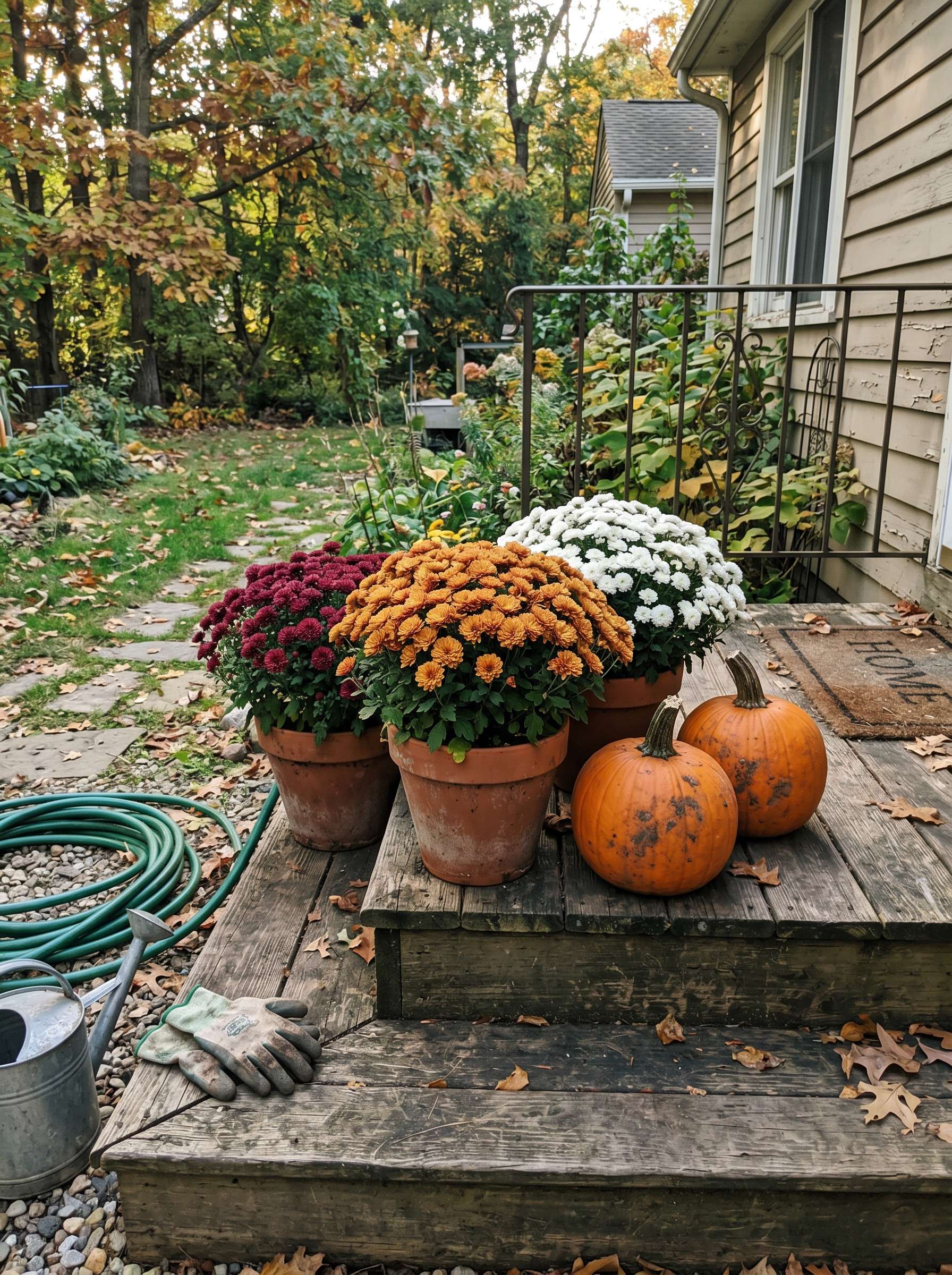
We can’t talk about October without mums. They are the kings of the season. The trick to making them look “designed” rather than just “plonked down” is to take them out of those plastic nursery pots and actually plant them in the ground or a larger decorative urn.
This looked great online, but… I once tried to buy the “clearance” mums that were already fully blooming. Bad move. They were done in a week. Always look for the plants that have mostly closed buds. You want them to open on your porch, not in the store’s parking lot.
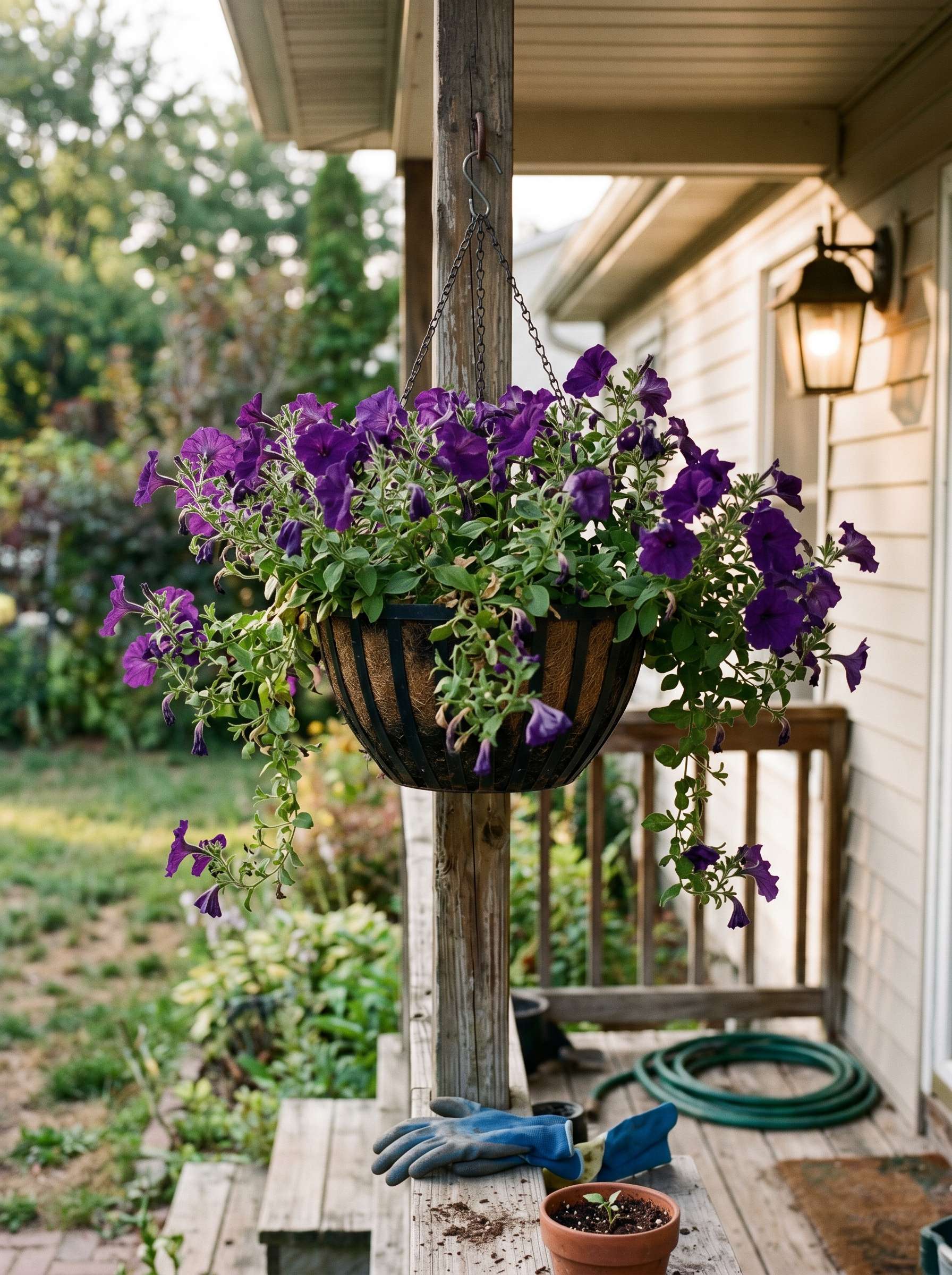
12. Petunias (Late Season Surge)
Most people rip out their petunias in August. Don’t do it! If you give them a “haircut” (cut them back by about half) and a shot of fertilizer in late summer, they will have a massive second act in October.
The cooler nights actually make the colors more intense. I’ve had “Black Magic” petunias look almost velvety-purple in the October light. They won’t survive a hard freeze, but they’ll give you a glorious run for your money until then. It’s a great way to practice water-wise gardening by reusing what you already have.
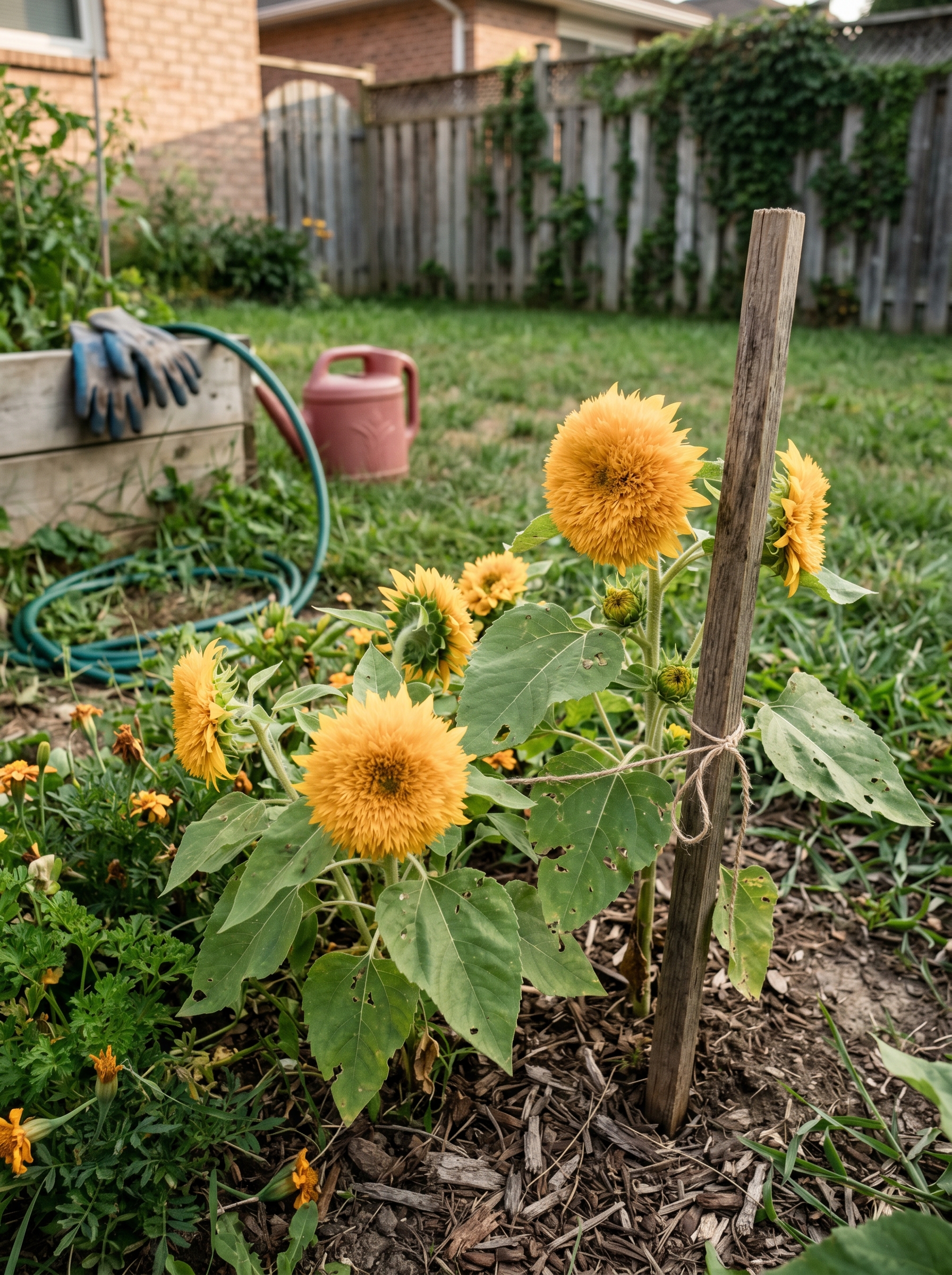
13. Sunflowers (Dwarf Varieties)
You might think it’s too late for sunflowers, but dwarf varieties like “Teddy Bear” or “Sunray” reach maturity in about 50-60 days. If you get seeds in the ground by early August, you’ll have fuzzy, golden blooms by mid-October.
I love the dwarf ones because they don’t require the heavy staking that the 10-foot giants do. They look adorable in the middle of a flower bed, looking like little suns poking through the foliage. Just keep an eye out for squirrels—they know exactly when the seeds are ready!
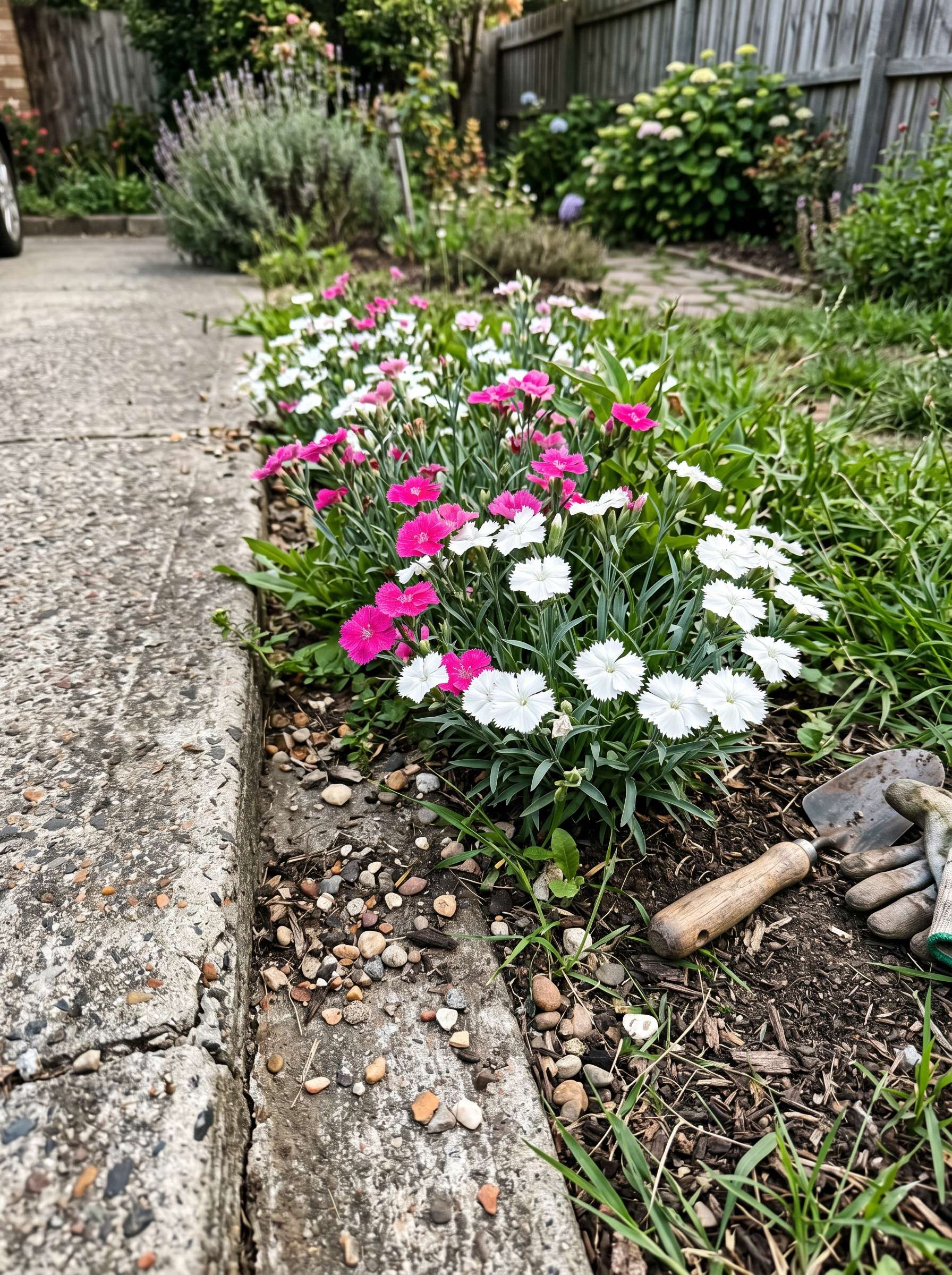
14. Dianthus (Sweet William)
Dianthus is often sold in the spring, but it’s incredibly frost-hardy. These plants have a spicy, clove-like scent that is wonderful. The “Pinks” (as they are often called) form low mats of blue-green foliage that stay attractive even when not in bloom.
I’ve found that they are great for “rocky” areas where other plants struggle. I have a spot next to my concrete driveway that gets really hot in the day but cold at night, and the Dianthus thrives there. They are tough little things.
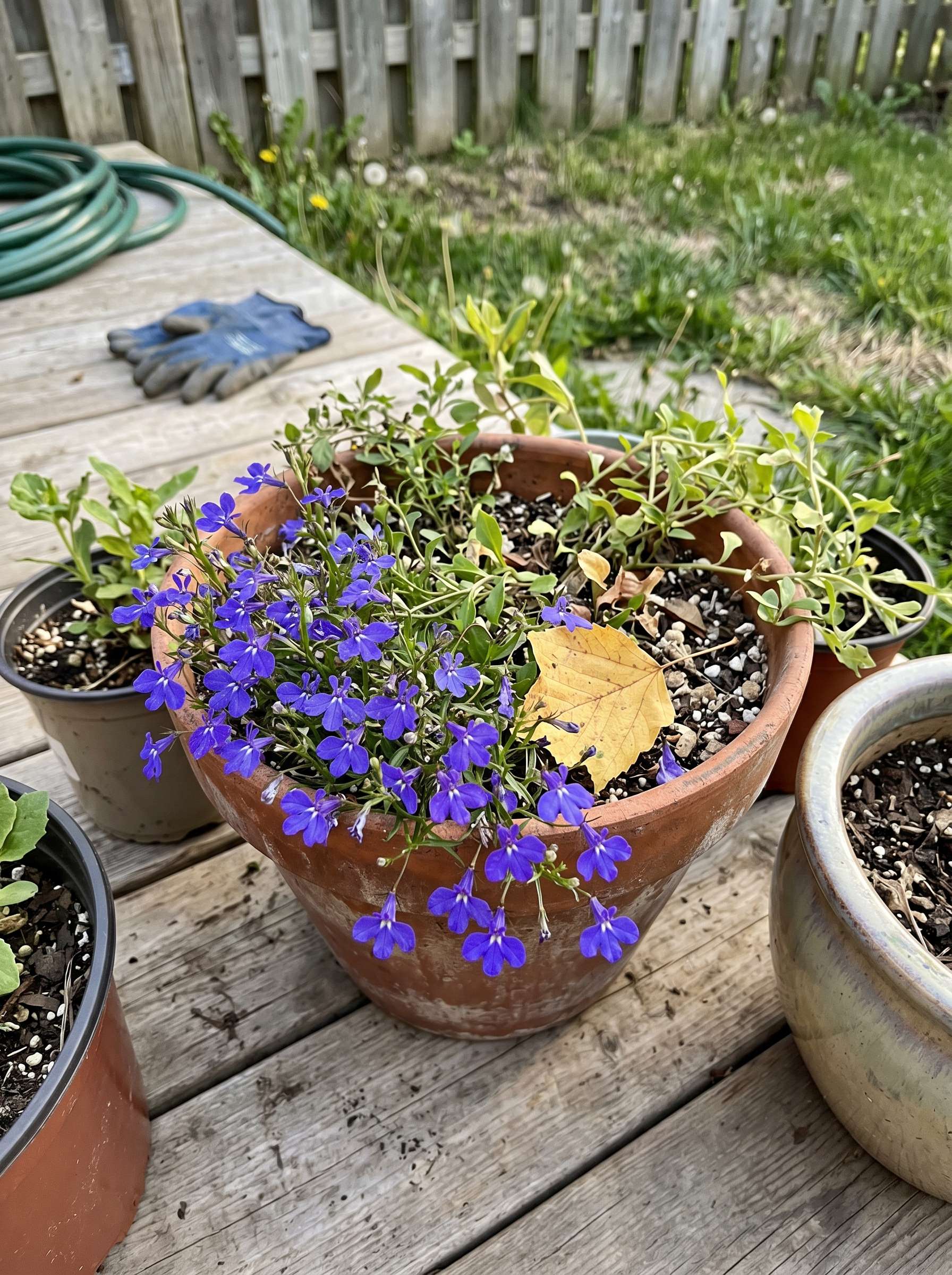
15. Lobelia (Blue Moon)
Lobelia provides an intense, electric blue that you just don’t see often in nature. Like Alyssum, it loves the cooler air. If you plant it in a container, it will trail down the sides beautifully.
I’ve noticed that Lobelia can be a bit dramatic—if it gets too dry, it wilts instantly. But a quick drink usually perks it right back up. I like to pair it with yellow pansies for a high-contrast look that really draws the eye from the street.
🌿 What Actually Helped I started using a “bloom booster” fertilizer (one high in phosphorus) every two weeks starting in September. It really helps the plants focus on making flowers rather than just growing leaves. Just make sure to follow the soil health guide principles so you don’t over-salt your dirt.
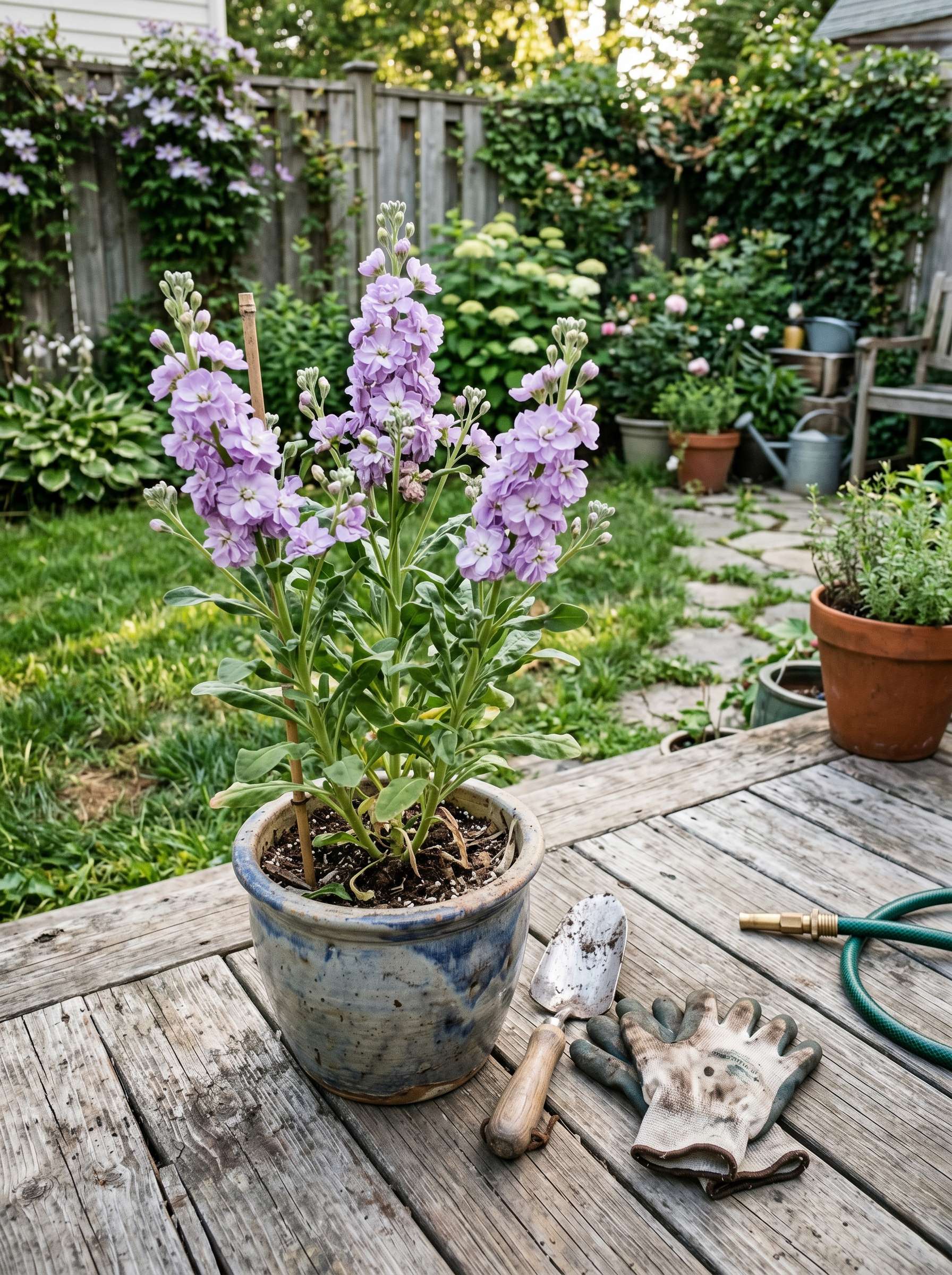
16. Stock (Matthiola incana)
Stock is one of those old-fashioned flowers that your grandmother probably grew. It has a heavy, spicy scent and tall spikes of ruffled flowers. It absolutely hates the heat, so it’s perfect for planting now.
I find that Stock adds a bit of “elegance” to the garden. It comes in soft pastels—lavenders, creams, and pale pinks. If you’re planning an outdoor fall dinner party, a few pots of Stock near the seating area will make the whole place smell amazing.
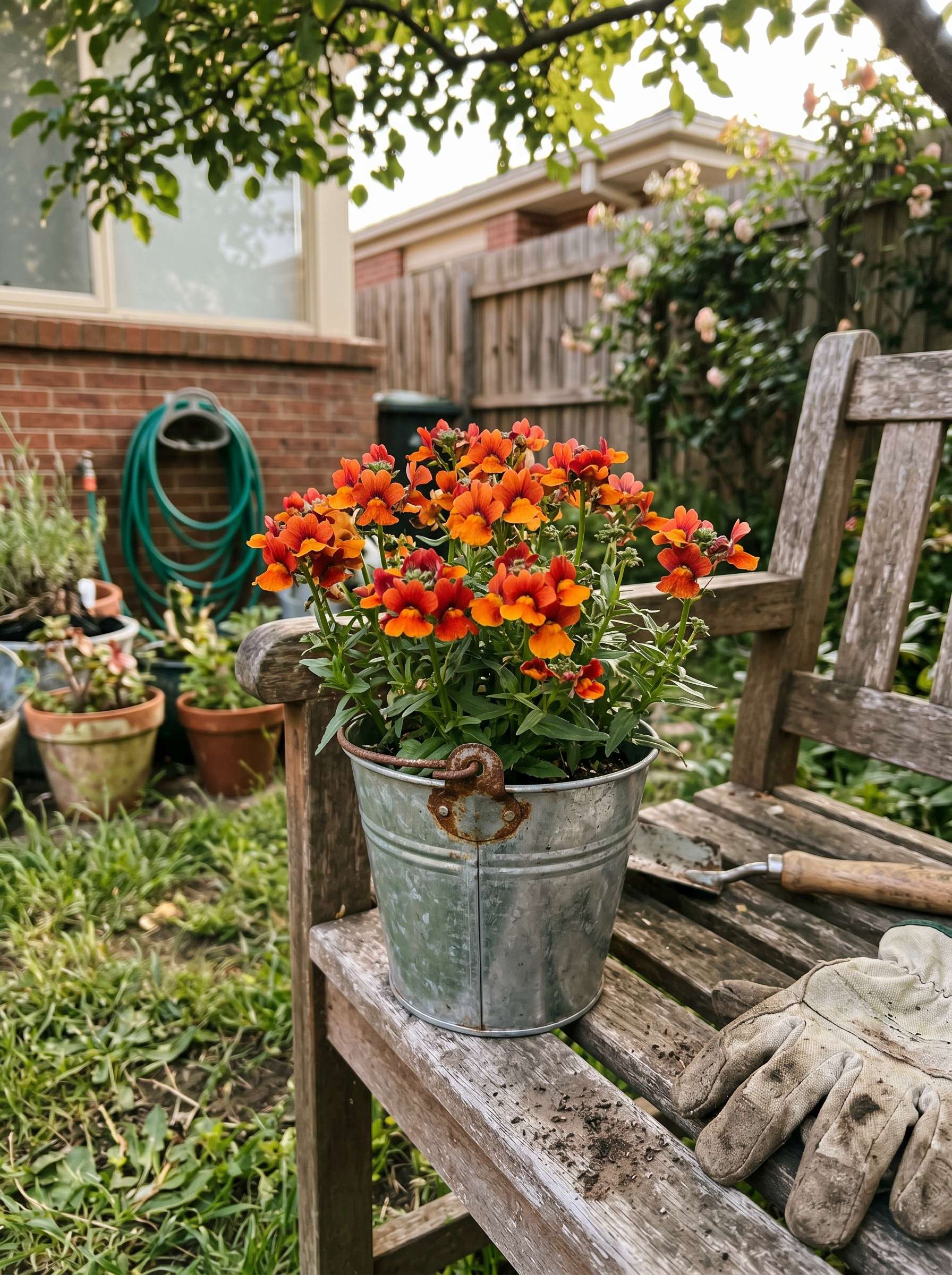
17. Nemesia
Nemesia looks a bit like tiny orchids or snapdragons. It’s a fast-grower that comes in incredible bicolor patterns. I’ve had great luck with the “Sunsatia” series which handles the cold exceptionally well.
One thing that surprised me: they are much tougher than they look. They look delicate, but they can handle a light frost without dropping a single petal. I use them in my “high-visibility” pots right by the front door.
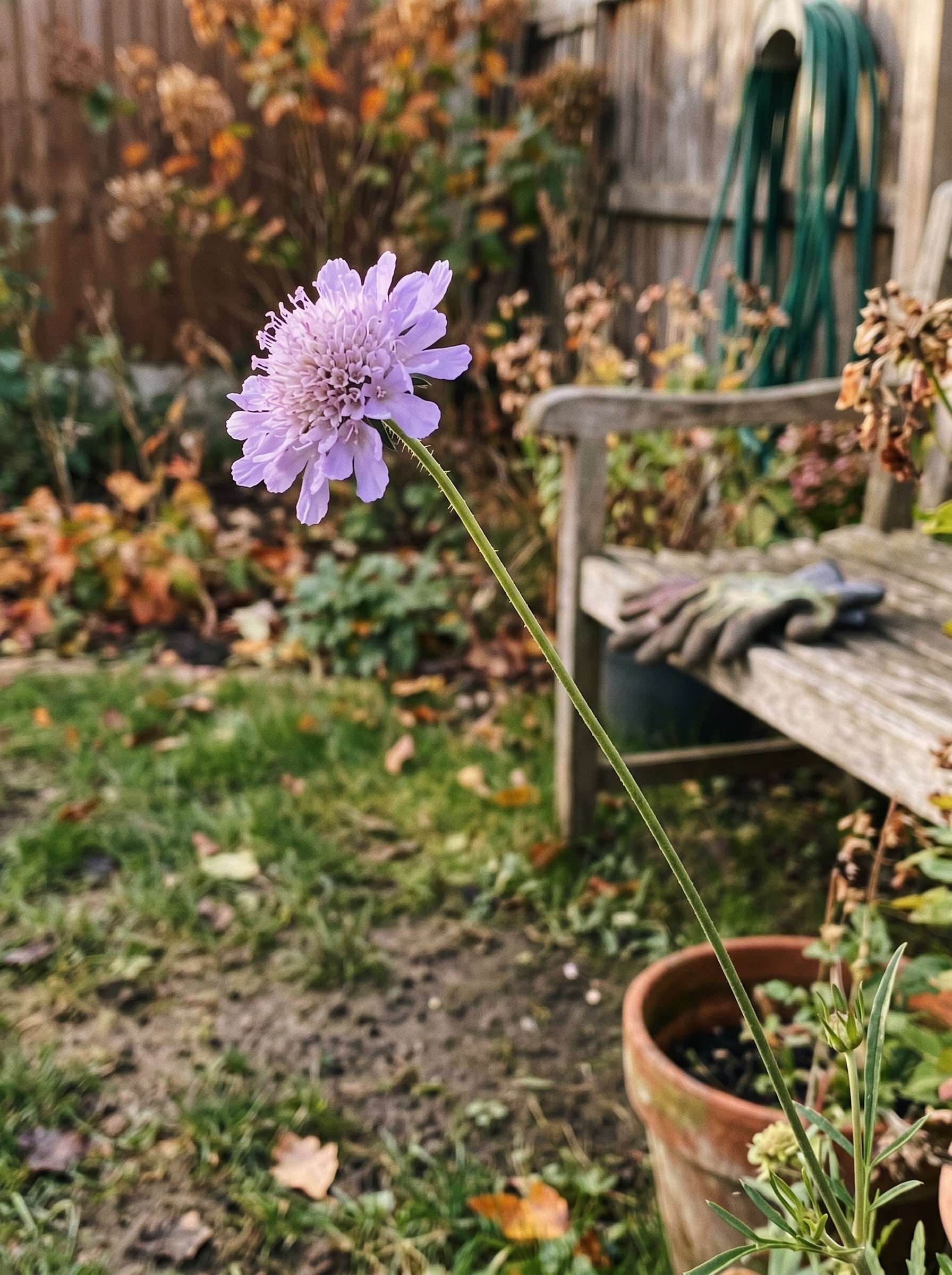
18. Scabiosa (Pincushion Flower)
Scabiosa gets its name because the center of the flower looks like a little pincushion stuck with pins. It’s a perennial in many zones, but you can find it in bloom at garden centers now.
I love how the long stems dance in the wind. It gives the garden movement, which is important when everything else starts to feel a bit heavy and “done.” The blue and butterfly-lavender shades are my personal favorites.
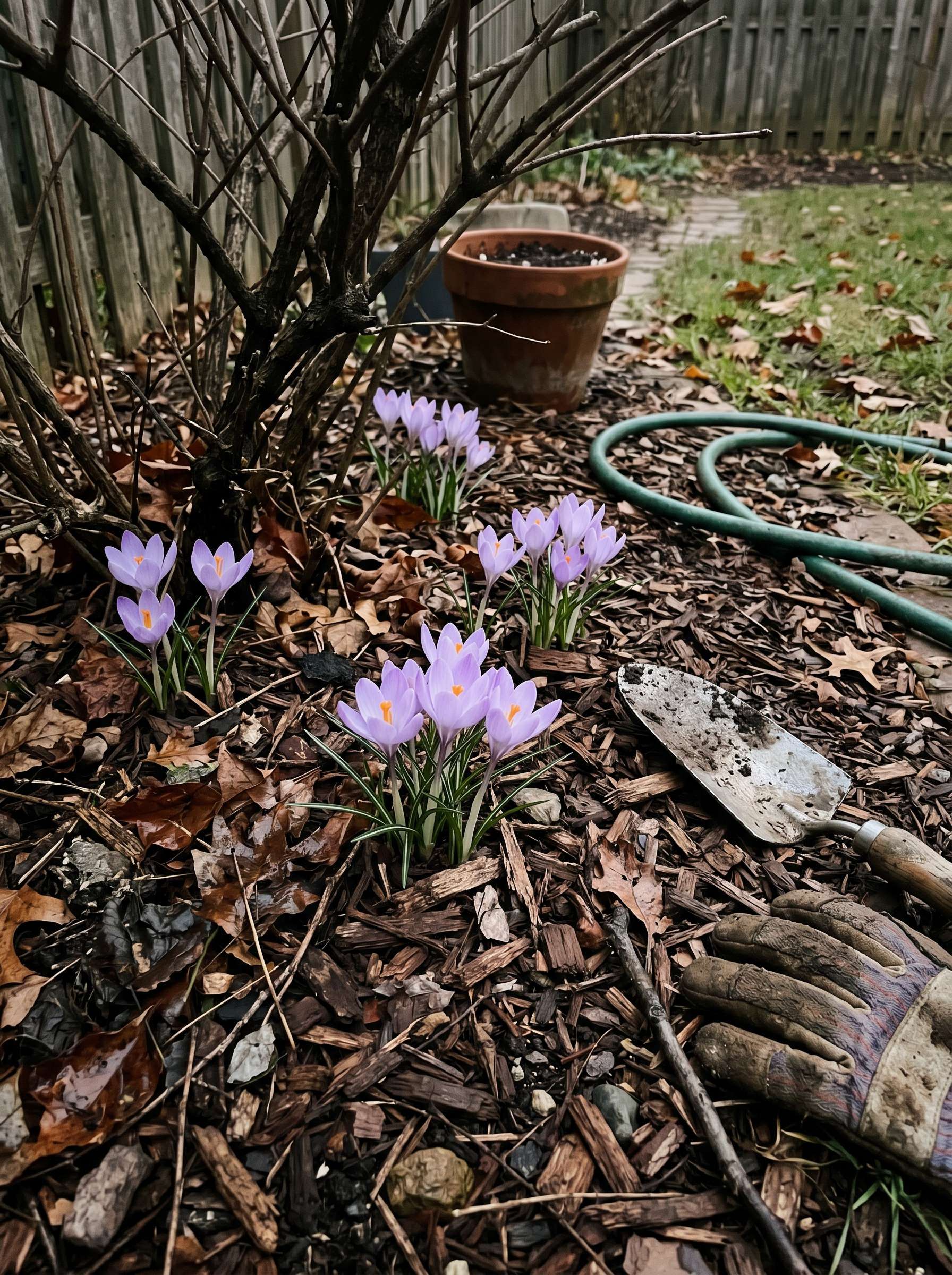
19. Autumn Crocus (Colchicum)
These are a bit of a “magic trick.” You plant the bulbs in late summer, and a few weeks later, they pop out of the bare ground—no leaves, just flowers! It’s such a fun surprise.
I learned this the hard way: mark where you plant them! Since they don’t have leaves in the fall, it’s easy to accidentally dig them up or step on them when you’re doing your final garden cleanup. They look like giant glowing chalices in the grass.
How to Start (The “October Glow” Plan)
If you’re feeling overwhelmed, here’s a simple 3-step plan to get that October bloom:
- Clear the Dead Weight: Pull out any summer annuals that look crispy or diseased. Don’t be sentimental—if it’s 80% dead, it’s taking up valuable space.
- Focus on “The View”: Pick the three spots you see most (the front porch, the view from the kitchen window, the mailbox). Spend your energy there.
- The “Pot-in-Pot” Trick: If you don’t want to dig, just buy pre-grown mums or asters and drop the nursery pot directly into a larger, prettier decorative pot. Cover the rim with a little moss or mulch. Done in 5 minutes.
Things That Didn’t Work for Me
- Over-crowding: I used to cram 5 mums into one giant pot. By October, they were fighting for air and the centers turned brown and moldy. Give them room to breathe.
- Late Seeding of Slow Growers: I once tried to grow Zinnias from seed in September. They grew about 4 inches tall and then the first frost killed them before they ever saw a bud. Stick to the “fast” list!
- Ignoring the “Hardiness Zone”: I bought some beautiful tropical-looking flowers in late September once, forgetting that my area gets frost early. They were dead by October 5th. Always check the tag for “frost tolerance.”
- Bad Spacing in Beds: I used to plant fall flowers too far apart, thinking they’d grow as much as summer plants. In the fall, growth is slower, so plant them a bit closer than you would in May to get that “full” look immediately.
FAQ
For some, yes! Calendula, Alyssum, and Nasturtiums grow very fast. For things like Mums or Asters, you’re better off buying established plants now.
Yes, but gently. A liquid bloom booster is great for keeping the flowers coming, but avoid high-nitrogen fertilizers that encourage lots of new, tender green growth that will just freeze.
Keep an old bedsheet handy. If the weather report says “frost tonight,” just toss the sheet over your favorite beds. It usually buys you another 2-3 weeks of bloom time.
Usually, it’s either underwatering (mums are thirsty!) or they were already “past their prime” when you bought them. Always look for tight buds.
Just “deadheading” (removing dead flowers) is enough. You want to keep the plant’s energy focused on new blooms, not making seeds.
Gardening in the fall is much more relaxed than the frantic pace of spring. The air is better, the bugs are fewer, and the light is just beautiful. Don’t feel like you need to replant your entire yard. Just pick a few of these beginner gardening tips to start with, grab a couple of bags of mulch, and see what happens. Some of my favorite garden moments have happened while wearing a sweatshirt and holding a warm mug of cider, looking at a few bright pansies that refused to quit.
Most ideas in this article come from years of real gardening experience and testing different setups at home. Results may vary depending on climate, space, and maintenance. Always check your local frost dates!

Aagam – Founder of SpruceTouch
I’m Aagam, a home and garden enthusiast who enjoys growing, building, and improving outdoor spaces. I focus on practical backyard projects, garden ideas, and simple DIY solutions that are useful in real homes. Through SpruceTouch, I share what I’ve learned, what worked, what didn’t, and the small details that can make an outdoor project easier.