Heat-Wave Recovery: How I Saved My Scorched Plants During a 40°C Heatwave
Most beginner gardeners think crispy, brown leaves during a summer spike mean the plant just needs a heavy dose of water. Half the time, pouring water onto a boiling hot, stressed root system actually makes the problem worse. It cooks the roots right in the ground.
When the temperature hits 40°C (that’s over 100°F for everyone managing a backyard in the US), standard gardening rules go right out the window. You aren’t just growing things anymore; you are managing an emergency room for vegetation.
I learned how to handle this the hard way during a brutal summer stretch a few years back when my entire backyard patch looked like it had been hit by a flamethrower. I panicked, made a ton of classic mistakes, and watched some of my favorite heirloom crops turn to dust.
But I also figured out exactly how to bring the survivors back from the brink. You don’t need expensive commercial setups or complicated chemical formulas to save your yard. You just need to understand how plants actually process extreme heat and how to change your daily routine to protect them.
The Reality of Severe Heat Stress
When the air turns into a literal furnace, plants stop growing entirely. They enter a state of survival shutdown.
Most online articles tell you to just throw up some shade cloth and call it a day. That advice fails because it ignores what is happening below the soil surface. If your soil temperature spikes along with the air temperature, the roots stop pulling up moisture, no matter how wet the ground is.
But here’s where it gets tricky:
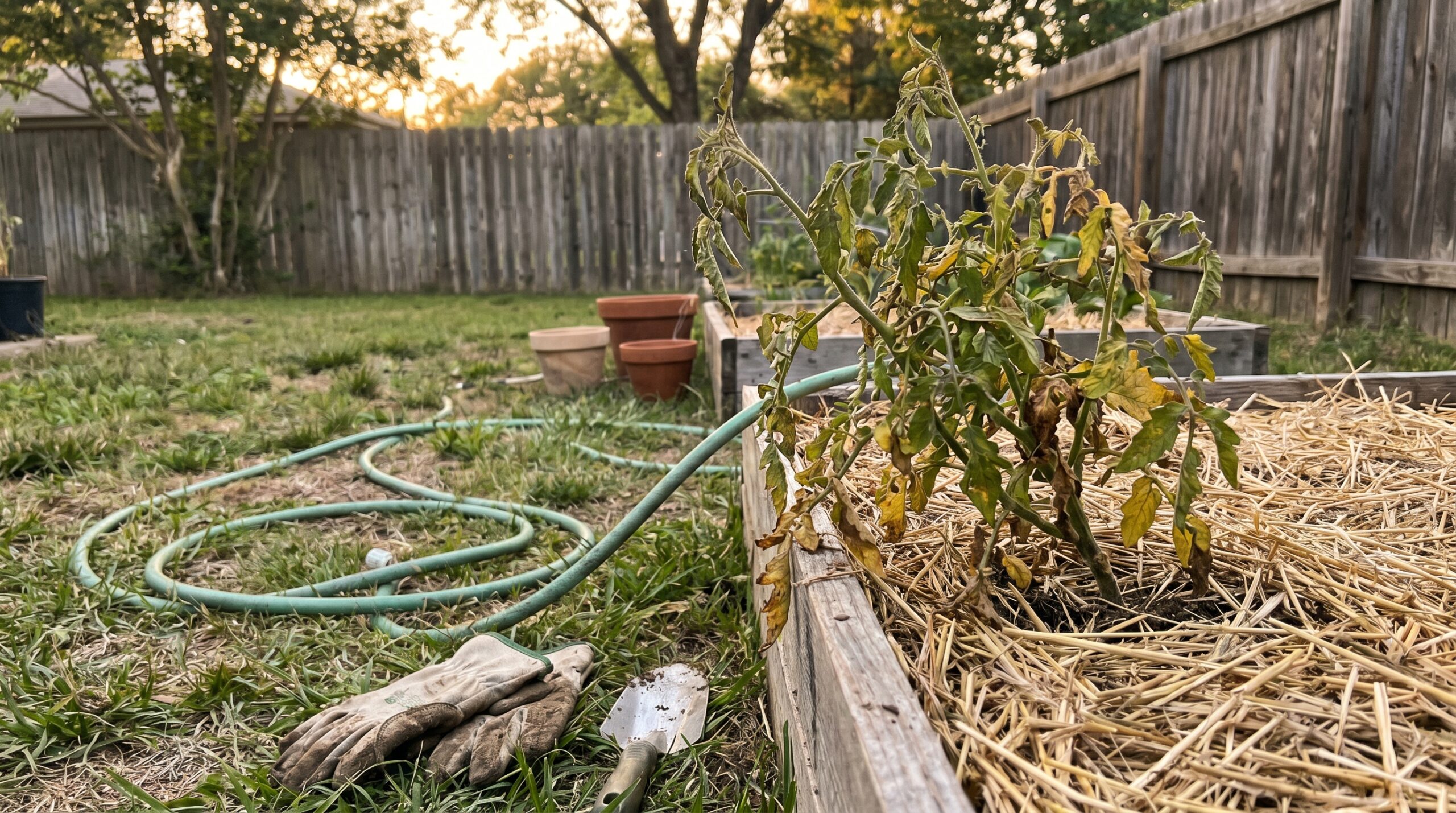
You see a wilting tomato plant at 2:00 PM, and your first instinct is to grab the garden hose. That is often the worst thing you can do. The plant might just be sweating out moisture faster than its roots can replenish it, a natural defense mechanism that often corrects itself once the sun goes down.
If you dump freezing cold tap water into blazing hot soil in the middle of a scorching afternoon, you shock the root hairs. I did this to an entire row of bell peppers once. By the next morning, they weren’t just wilted—they were completely dead.
Signs You’re Doing It Wrong Right Now
- Crispy edges with soggy soil: If the leaf borders are brown but the dirt feels like liquid mud when you poke your finger into it, you are drowning a drowning plant.
- Watering on a strict clock: Turning on the sprinklers every morning at 7:00 AM without checking the actual dirt condition means you’re operating on autopilot while your garden is in crisis.
- Leaving bare dirt exposed: If you can see dark, naked soil between your plants during a heatwave, the sun is baking the moisture out of the earth within minutes.
- Heavy afternoon pruning: Cutting away the ugly, fried leaves while the sun is still high removes the only natural shade the lower stems have left.
- Applying fertilizer for a quick boost: Giving a stressed, heat-scorched plant a heavy dose of nitrogen is like handing a marathon runner a heavy steak in the middle of a race. It stresses the system out completely.
Root Cause Breakdown: Why 40°C Changes Everything
To fix the damage, you have to look at your garden as an interconnected system rather than just a collection of pots and beds.
The Soil Temperature Trap
Dark soil absorbs heat like black asphalt. When the ground temperature gets too high, the delicate microbial life in your dirt dies off, and the plant roots lose their ability to take up water. It doesn’t matter if the soil is damp; the roots are essentially paralyzed.
Container Overheating
Pots, especially cheap plastic ones or dark fabric bags, have zero insulation. The sun hits the sides of the container, cooks the roots against the inner walls, and evaporates every drop of moisture within an hour or two.
Lack of Ambient Airflow
We often think blocking the wind helps, but stagnant, humid heat creates a blanket of hot air right around the foliage. Without a slight breeze, the plant can’t cool its leaves down through transpiration.
The Sun’s New Angle
During peak summer, the sun sits directly overhead, hitting parts of the plant stems and lower soil beds that are usually shaded during the spring months.
Common Confusion: Overwatering vs. Underwatering
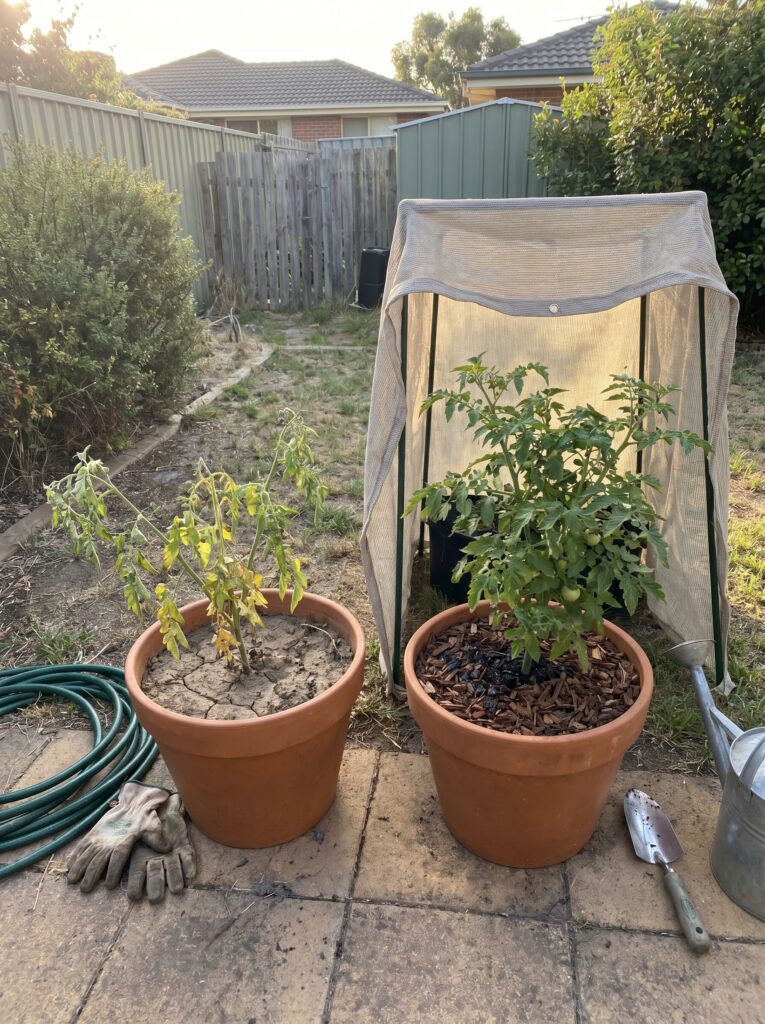
This is where beginners usually panic. A plant wilting under a 40°C sun looks exactly like a plant that hasn’t seen rain in a month.
The fix is actually simpler than you think: you have to use your fingers, not your eyes. Dig down at least three inches into the dirt. If the soil is dry and crumbly down there, the plant is genuinely thirsty. If it feels wet, cool, or sticky, leave it alone. The wilt you see is just the plant closing its leaf pores to conserve internal moisture.
Most gardening blogs never explain this properly. They tell you to look for yellow leaves to diagnose overwatering. But extreme heat also turns leaves yellow because the plant is abandoning its oldest foliage to keep the main stem alive. Stop looking for simple visual cues and start testing the actual dirt depth.
The Real Solution: How I Revived My Backyard
When the heat hit its peak, I stopped following standard instructions and started treating my garden like a living system that needed immediate, practical triage.
Changing the Watering Window Entirely
I stopped watering in the morning altogether during the worst of the heatwave. Why? Because by 11:00 AM, that morning water was boiling hot inside the top layer of soil. Instead, I shifted to late evening watering, right around dusk.
This gave the plants a full ten hours of darkness to drink deeply, recover their structural strength, and cool down their root systems without the sun evaporating the water instantly.
The Radical Cardboard Trick
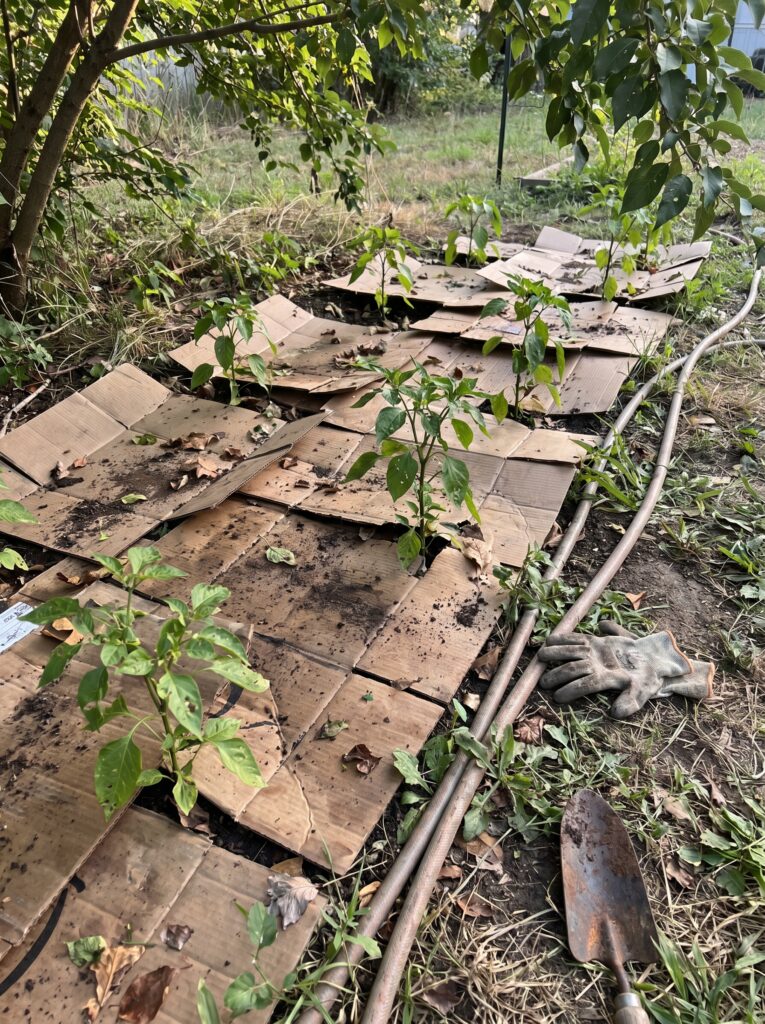
I didn’t have enough fancy shade cloth for my entire layout. I went to the garage, grabbed a bunch of old shipping boxes, broke them down flat, and laid them right on top of the soil around the base of my tomatoes and peppers.
It looked incredibly messy and unpolished, but it worked beautifully. That thick cardboard blocked the direct sunlight from hitting the earth, dropping the ground temperature by several degrees almost instantly.
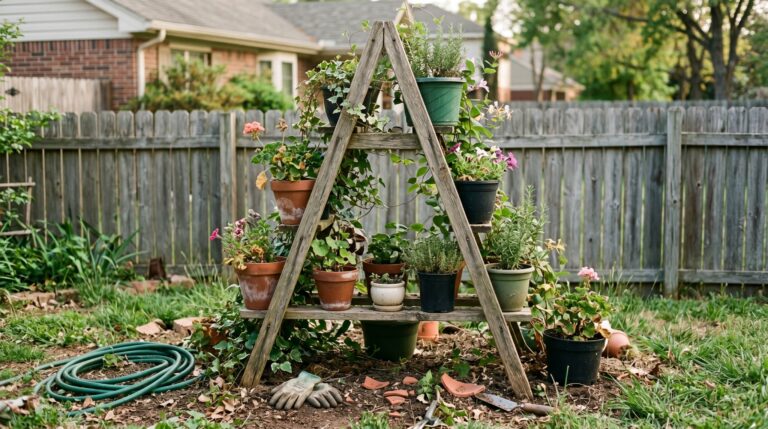
Grouping Pots for Collective Shade
For my container plants, I stopped trying to keep them in their designated aesthetic spots on the patio. I dragged every single pot into one giant, crowded cluster on the north side of the house where they only got early morning sun.
By packing them tightly together, the leaves of one plant shaded the pot of the neighbor next to it. They created their own microclimate, trapping humidity between the branches and keeping the individual containers from roasting in isolation.
My Step-by-Step Heatwave Emergency Routine
If your garden is currently frying, stop doing deep maintenance and follow this simple survival routine instead.
- Check the deep dirt: Poke a long wooden skewer or your index finger deep into the bed around sundown. If it comes up completely dry, prepare to water.
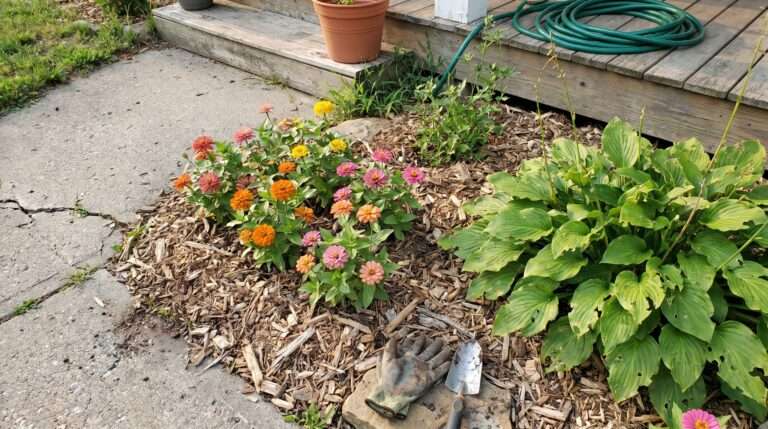
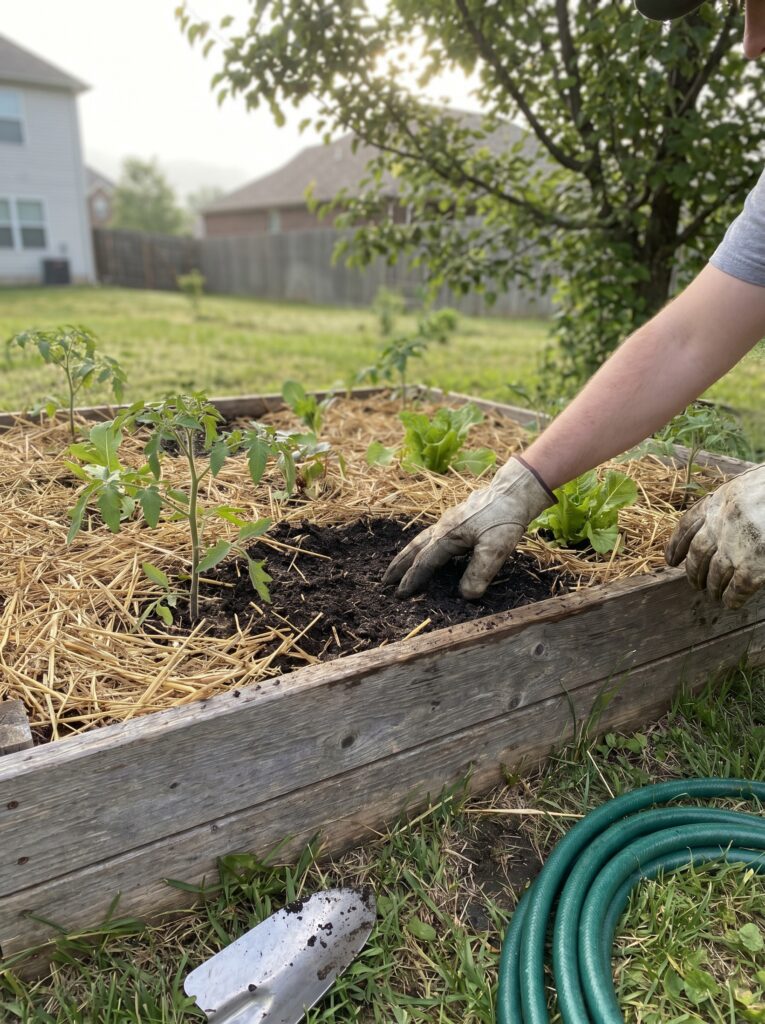
- Apply a thick, heavy mulch layer: If you don’t have cardboard, dump three to four inches of dry leaves, clean straw, or even shredded newspaper over every inch of bare soil.
- Erect temporary western barriers: Use old bedsheets, beach umbrellas, or scraps of wood to block the sun specifically between 1:00 PM and 5:00 PM when the rays are most destructive.
- Elevate your containers: Get your potted plants off concrete patios or brick walkways. Put them on wooden pallets, grass, or even old towels to stop the ground heat from transferring directly into the pots.
- Mist the surrounding air, not the leaves: Spray the ground around your plants with water in the late afternoon to drop the ambient temperature of the immediate area through evaporation.
How Heat Behaves Differently Across Your Yard
One thing most people miss is that heat doesn’t hit every part of your property the same way. You have to adapt your strategy based on where your plants live.
In Raised Beds
Raised beds dry out from the sides as well as the top. The wooden or metal walls bake in the sun, drying out the perimeter plants much faster than the ones sitting in the dead center of the bed. I had to double the mulch thickness right along the inside edges of my frames to stop this from happening.
In Small Containers
If you have small terracotta or cheap plastic pots, they are the most vulnerable things in your yard. They can go from fully saturated to bone dry in less than four hours. These need to be moved to total shade until the heatwave breaks, regardless of how much sun the plant typically prefers.
In Traditional In-Ground Gardens
Your in-ground plants have the best chance of survival because the earth has natural thermal mass. They don’t experience the wild temperature swings that containers do. Focus your energy on covering the bare ground around them rather than worrying about moving them.
Seasonal Factors: Managing the Changing US Summer
Depending on where you live in the United States, a 40°C heatwave presents very different challenges. If you are dealing with the dry, desert heat of the Southwest, your main battle is evaporation. You need deep, consistent watering holes and heavy physical shading structures to keep your plants alive.
If you are dealing with the sticky, humid heat of the South or the Midwest, your problem isn’t just dry dirt—it’s fungal disease. High heat combined with high humidity creates a breeding ground for powdery mildew and root rot if you overwater.
You have to ensure there is plenty of space between your plants for air to move. Don’t crowd your rows so much that air can’t circulate, or you’ll save your plants from the heat only to lose them to mold.
Real Mistakes I Made That You Should Avoid
I learned all of this by failing repeatedly. When you’re watching your hard work turn brown, it’s easy to make decisions based on panic rather than logic.
The Panic Pruning Disaster
The first time my squash leaves turned yellow and crispy from the heat, I took my pruners and cut them all off. I thought I was helping the plant focus its energy on new growth.
Instead, I removed the only natural sunshade the developing squash vegetables had. The next day, the direct sun scorched the actual fruits, turning them mushy and useless. Leave the ugly leaves on until the weather cools down.
Trusting the Automated Drip System
I used to think my automated timers would handle everything. But during a major heat spike, standard drip emitters often don’t run long enough to penetrate deep past the dry top layer of crusty soil.
The water just pools on top and evaporates before reaching the root zone. You have to manually check behind your system to make sure the water is actually getting where it needs to go.
Sturdier Structures Make the Real Difference
When the weather turns extreme, cheap plastic stakes and flimsy store-bought planters just can’t protect your garden. They warp in the heat and fail when your plants need structural support the most. Building your own heavy-duty shaded pergolas or custom self-watering planters using professional blueprints is a game-changer. It saves you serious money compared to commercial setups, and custom wood structures provide natural insulation that keeps your root systems cool when the temperature spikes.
If you want to build durable, weather-resistant garden setups that last for years, check out Ted’s Woodworking Plans for high-quality, easy-to-follow blueprints.
Simple Setup & Budget for Heat Survival
You don’t need a massive budget to protect your backyard from a heat crisis. Most of the best tools are incredibly cheap or can be sourced from around your home.
| Tool / Material | Purpose | Estimated Cost (USD) |
| Clean Wheat Straw | Mulching bare soil beds | $8 – $12 per bale |
| Wooden Skewers (12-inch) | Testing deep soil moisture | $2 – $4 per pack |
| Basic Shade Cloth (40%) | Filtering intense afternoon sun | $15 – $25 per roll |
| Spring Clamps | Securing cloths to stakes or fences | $5 – $8 for a pack |
| Unprinted Cardboard | Free ground insulation | $0 (Recycled boxes) |
Invest your money into good mulch and basic shading material rather than expensive, gimmicky liquid plant foods or specialized recovery chemicals that don’t actually work.
FAQ
Yes, if the main stem and the roots are still healthy. Scrape the main stem gently with your fingernail. If you see green underneath the outer bark, the plant is still alive and can bounce back once conditions improve.
No. Water droplets on the leaves can act like tiny magnifying glasses under intense sun, potentially worsening the burn damage. Misting also increases humidity right around the leaves, which can invite fungal diseases in stagnant air.
If you touch the top inch of bare dirt with the back of your hand and it feels uncomfortably hot, your plant roots are struggling. Healthy soil should feel distinctly cool to the touch when you dig down a few inches.
Yes, during extreme heat, many large-leafed plants like zucchini and pumpkins wilt to protect themselves from moisture loss. If they look completely normal and upright by the following morning, they don’t need extra water.
Absolutely. Plants cannot process nutrients properly when they are under extreme temperature stress. Adding fertilizer forces them to attempt new growth, which exhausts their remaining resources and damages the roots.
Old cotton bedsheets or sheer window curtains attached to simple wooden stakes work beautifully. They let in enough ambient light for the plants to function while blocking the harsh, direct rays that cause leaf scorch.
Once you understand what’s actually causing the problem, fixing it gets much easier. You stop panicking every time a leaf turns yellow or droops in the afternoon sun.
Gardening through a major summer spike is all about patience and observation. Cover your soil, water deeply when the sun is down, and don’t try to force your plants to grow when they just need to survive.
If you want to keep your backyard thriving through every season, check out my comprehensive soil health guide to build a stronger foundation, or read through my practical beginner gardening tips to avoid the most common layout traps.
To prevent future hydration mistakes, take a look at my guide on watering plants correctly under pressure. If you are planning ahead for next year, my may gardening strategy will help you get your yard ready before the summer heat hits, and you can explore balanced pollinator friendly layouts to keep the good bugs coming to your yard even when it’s hot.
Most advice in this article comes from years of hands-on gardening experience and trial-and-error in real home gardens. Results can vary depending on your local climate, soil quality, and specific growing conditions.

Aagam – Founder of SpruceTouch
Hi, I’m the creator behind SpruceTouch. i am a home and garden enthusiast who shares practical ideas for backyard design, garden projects, patio decor, and small outdoor spaces. Through SpruceTouch, he focuses on simple and budget-friendly ways to improve outdoor living spaces.