
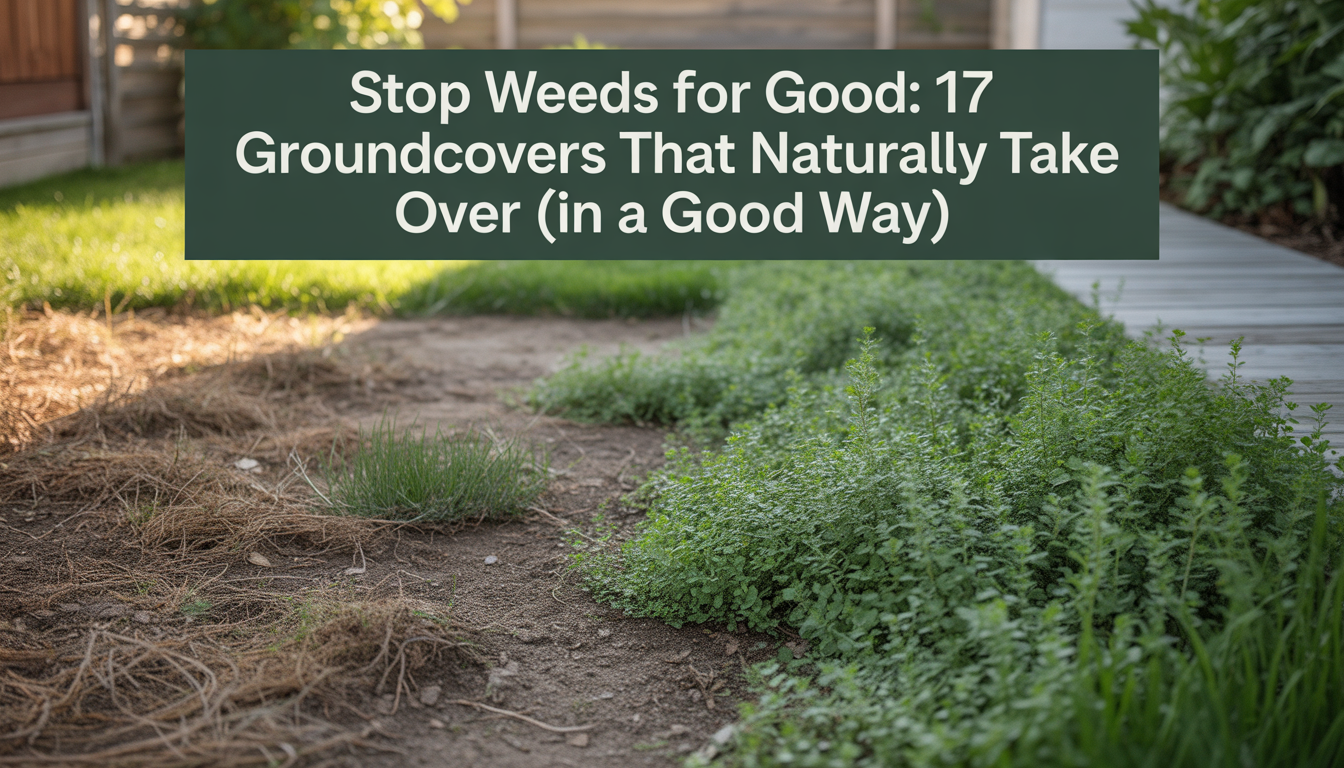
I used to think weeds were just part of gardening—something you had to fight forever. Every weekend, I’d clear a patch, feel proud for a day… and then watch it slowly get taken over again.
At one point, I even tried covering everything with mulch, thinking that would solve it. It helped—for a while—but the weeds always found a way back through.
The real shift happened when I stopped trying to remove weeds and started focusing on replacing them.
There’s a simple principle most beginner gardeners miss:
👉 Bare soil is an invitation for weeds.
Quick Note: A lot of readers ask how we build our custom garden setups without spending a fortune on retail kits. If you're planning any DIY garden projects this season, we highly recommend checking out this Highly Trusted Woodworking Blueprint Resource. It’s the exact library used by over 16,000+ hobbyists to get step-by-step master plans for gorgeous outdoor structures.
Once I started filling that space with the right groundcovers, the difference was honestly shocking. Less work, fewer weeds, and a garden that finally looked “finished.”
Before you plant your groundcovers, you need to clear the slate. Using a heavy-duty [Professional Grade Weed Barrier Fabric] underneath your new plants ensures that stubborn weeds don’t stand a chance while your groundcover establishes itself.
In this guide, I’ll show you exactly which groundcovers work—and how to use them properly so you don’t make the same mistakes I did.
⚡ Quick Selection Table (Top 5 Weed-Choking Groundcovers)
| Groundcover | Best For | Sun Needs | Growth Speed | Why It Works |
|---|---|---|---|---|
| Creeping Thyme | Pathways & sunny beds | Full sun | Medium | Dense mat + fragrant |
| Sweet Woodruff | Shady areas | Shade | Fast | Spreads aggressively |
| Ajuga (Bugleweed) | Slopes & borders | Partial shade | Fast | Thick leaf carpet |
| Clover (White/Dutch) | Lawns | Full sun | Fast | Nitrogen-fixing + dense |
| Sedum (Stonecrop) | Dry areas | Full sun | Medium | Drought-tough coverage |
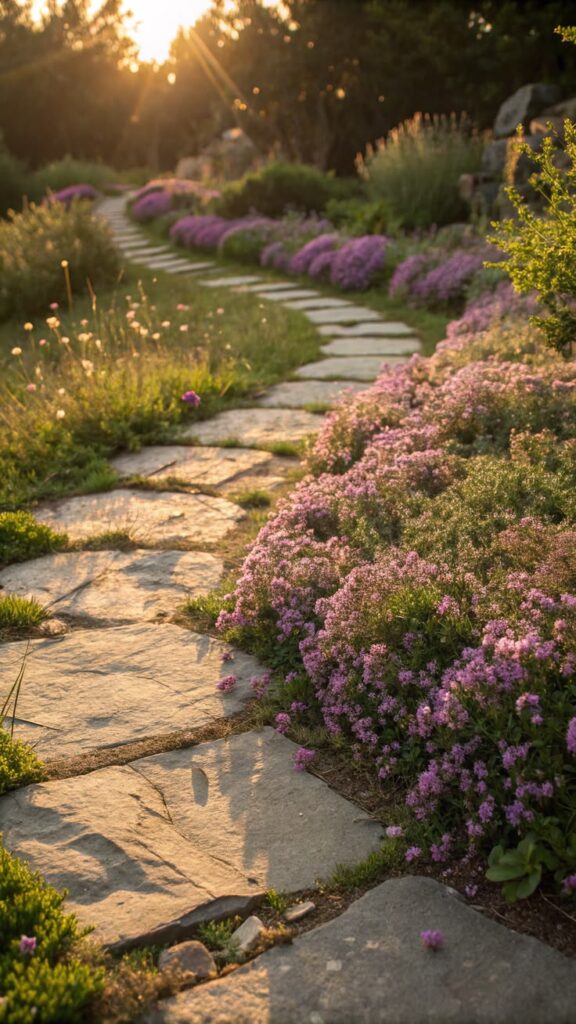
🌸 1. Creeping Thyme: The Fragrant Weed Barrier
I’ll be honest—this one tested my patience at first. When I planted creeping thyme between stepping stones, it looked sparse for weeks. I almost gave up and thought it wasn’t working.
But by the second season, it completely filled in—and the weeds disappeared. That was the moment I realized coverage takes time, but it’s worth it.
Actionable Tip:
Plant closer than recommended (about 5–6 inches apart instead of 8). This speeds up weed suppression significantly.
Common Problem → Fix:
- Problem: Weeds popping up early
- Fix: Add light mulch between young plants for the first month
If you’re working on pathways, pairing this with ideas from small backyard layout tricks that make spaces look bigger can completely transform tight areas.
🌿 2. Sweet Woodruff: Shade Garden Savior
Switching part of my lawn to clover was honestly a turning point. It filled bare patches faster than grass ever did—and I stopped worrying about weeds completely.
What surprised me most? It actually improved the soil over time.
Actionable Tip:
Overseed clover directly into existing lawn instead of removing grass—it saves time and money.
Common Problem → Fix:
- Problem: Patchy growth
- Fix: Water lightly but consistently for 2 weeks after seeding
If you’re trying to build a low-effort garden, this pairs perfectly with low-maintenance backyard systems that reduce work year-round.
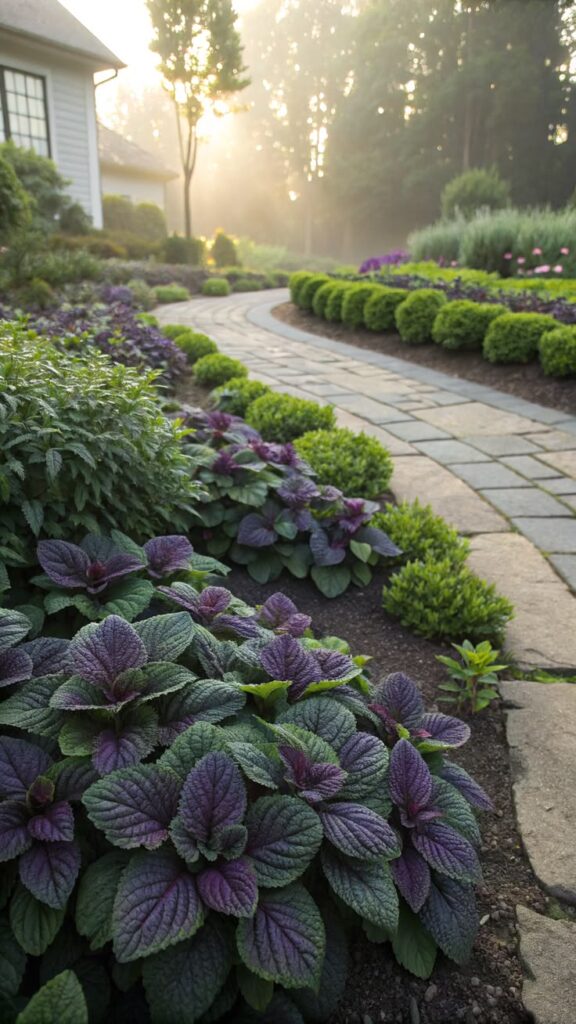
🌱 3. Ajuga (Bugleweed): Fast-Spreading Weed Blocker
Ajuga is one of the fastest ways to cover soil and stop weeds from taking over. Its dense foliage grows low and wide, leaving no space for weeds to breathe.
I like using it along borders or slopes where erosion is also a problem. It not only blocks weeds but stabilizes soil beautifully.
Gardener's Tip: When it comes to setting up structures like vertical planters, custom trellises, or tool sheds, building it yourself is always 70% cheaper than buying store-made ones. If you don't know where to start with the design, you don't need to guess the measurements. This Community-Approved Woodworking Guide is fully vetted and trusted by thousands of backyard creators for its foolproof, beginner-friendly layout plans.
Actionable Tip:
Use ajuga for problem areas first (slopes, edges, bare patches) instead of spreading it everywhere.
Common Problem → Fix:
- Problem: Leaves burning
- Fix: Plant in partial shade, not harsh afternoon sun
You can often find ajuga in affordable trays at garden centers. Buy a few and space them out—they’ll fill in faster than you expect.
One mistake to avoid is planting it in full harsh sun in hot climates—it prefers partial shade and can struggle otherwise.
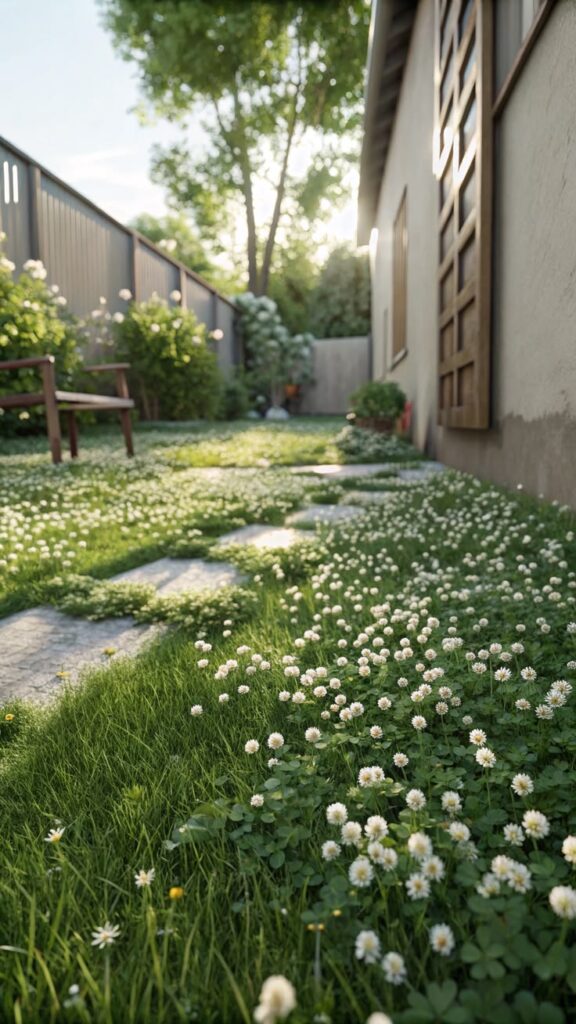
🌿 4. Clover (Dutch White): The Living Lawn Alternative
Switching to clover was honestly one of the best decisions I made. It grows thick enough to crowd out weeds while staying soft underfoot.
You can overseed your lawn with clover seeds—it’s affordable and surprisingly easy. Within weeks, you’ll see it filling gaps where weeds used to dominate.
Clover is also nitrogen-fixing, meaning it improves your soil naturally. That’s something traditional grass doesn’t do.
The biggest mistake? Mowing too short. Let it stay a bit taller so it can form that dense weed-blocking layer.
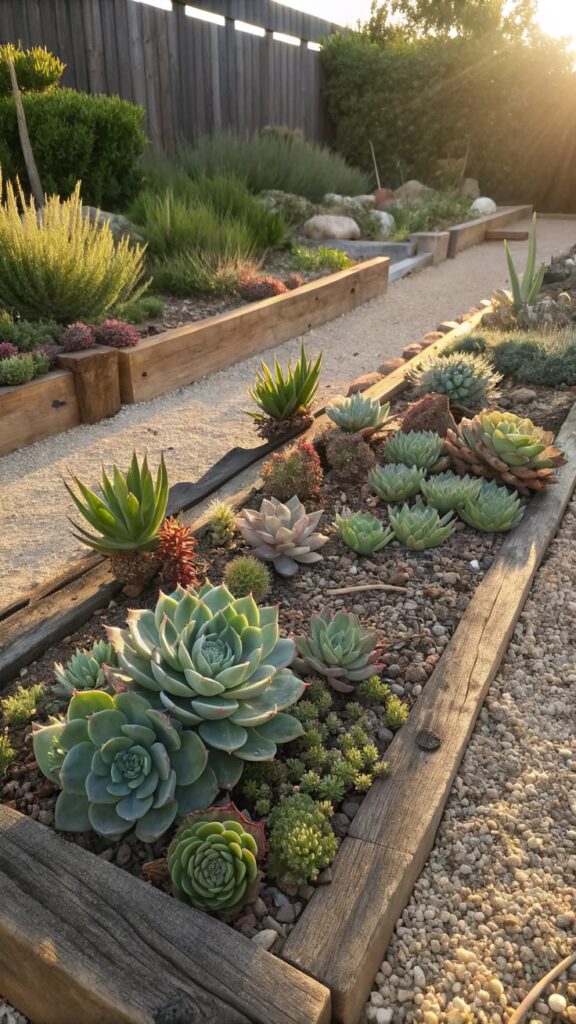
🌵 5. Sedum (Stonecrop): The Drought-Proof Defender
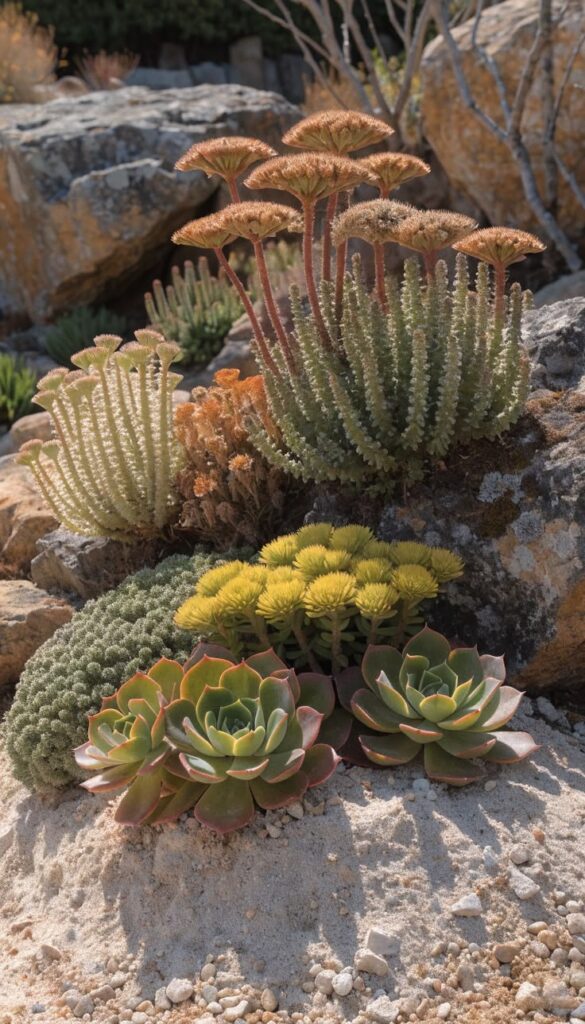
If you struggle with dry, rocky soil, sedum is your best friend. It thrives where other plants fail—and weeds can’t compete.
Actionable Tip:
Use sedum in areas you don’t want to maintain.
Common Problem → Fix:
- Problem: Rotting plants
- Fix: Ensure proper drainage—no standing water
I planted sedum in a neglected corner of my yard, and it slowly took over, leaving no space for weeds. It’s especially useful in hot climates or areas with poor soil.
Look for small cuttings or starter plants—they’re easy to propagate and save money.
Avoid overwatering—this is one plant that actually prefers being ignored.
Ready to upgrade your garden landscape? Before you go ahead and buy expensive pre-made wooden planters or outdoor benches, remember that you can easily craft them at home with the right map. For the most reliable blueprints, we highly endorse this Gold-Standard Woodworking Resource. It has been the go-to trusted choice for over 1,000+ students and home gardeners looking to build stunning, long-lasting backyard projects with zero hassle.
PRO TIP (GROWING SECRET)
Most people plant groundcovers too far apart and then complain about weeds coming back.
Here’s the secret: plant densely in the beginning. Yes, it costs slightly more upfront—but it saves you months of weeding.
Also, add a thin layer of mulch between young plants. This gives your groundcover time to spread before weeds sneak in.
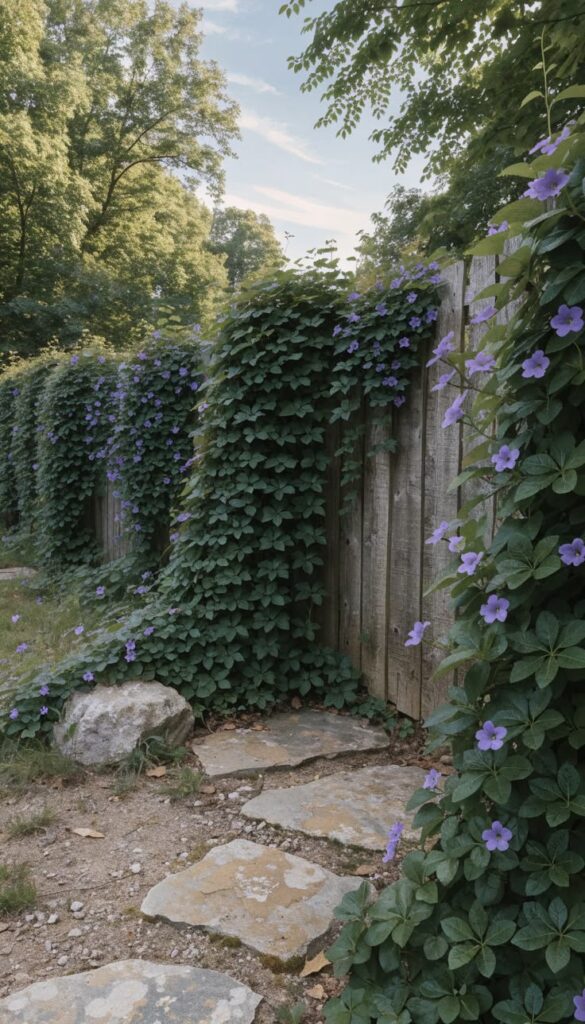
🌼 6. Periwinkle (Vinca Minor): Evergreen Coverage
I planted periwinkle along a fence line that used to be my biggest weed problem. Honestly, I didn’t expect much—but within a year, it completely took over. Now, I barely touch that area.
Actionable Tip:
Plant in slightly staggered rows instead of straight lines. This helps it fill gaps faster and block weeds sooner.
Common Problem → Fix:
- Problem: Thin coverage in the first few months
- Fix: Add temporary mulch between plants to prevent weed growth early
If you’re working on fence areas, combining this with plants that soften harsh backyard edges naturally can make the whole space look more intentional.
Pro Tip: To help these plants ‘take over’ faster, the soil needs to be loose and nutrient-rich. Mixing in some [Organic Perlite & Peat Moss Soil Conditioner] will give the roots plenty of room to spread quickly and choke out weeds naturally.
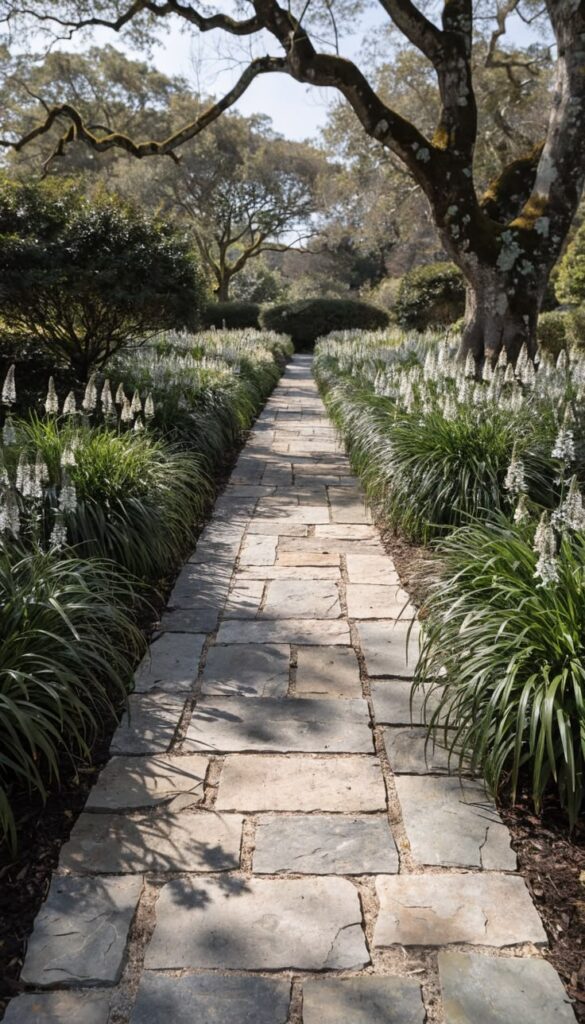
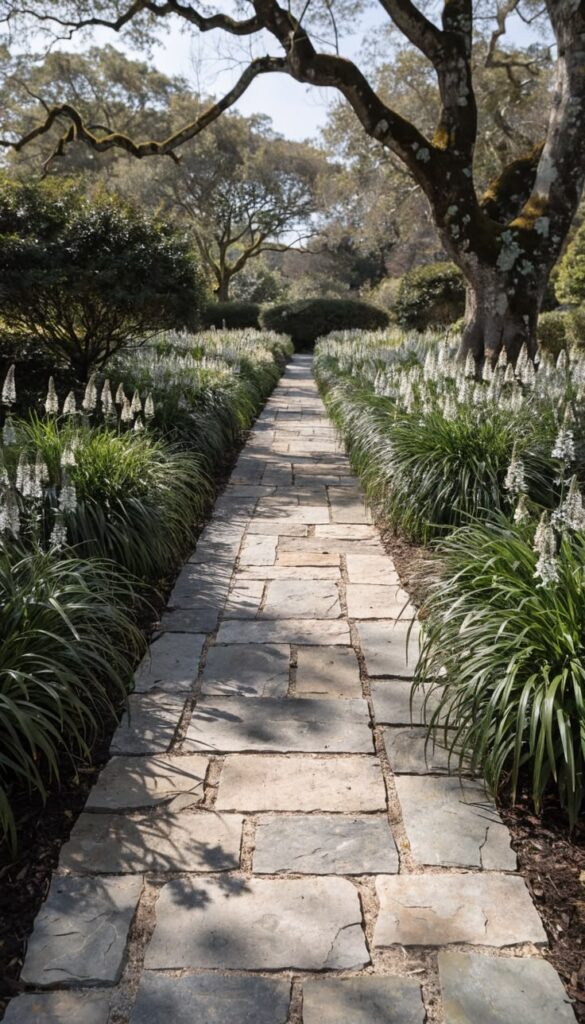
🌿 7. Liriope (Monkey Grass): Border Control Expert
I started using liriope just to make my pathways look cleaner—but I quickly realized it was also stopping weeds from creeping into those areas.
Actionable Tip:
Use liriope as a border barrier—it works like a natural fence against weeds spreading from nearby soil.
Common Problem → Fix:
Fix: Divide plants every 2–3 years to maintain density
Problem: Overcrowded clumps after a year
🌱 8. Creeping Jenny: Fast Coverage for Damp Areas
This one spreads fast—almost too fast in the right conditions. It’s perfect for moist soil areas where weeds thrive.
Use it in containers or garden edges for a cascading look.
Actionable Tip:
Use creeping jenny in areas where you want quick visual results, especially near patios or containers.
Common Problem → Fix:
- Problem: Weak growth
- Fix: Ensure soil stays slightly moist—this plant hates dry conditions
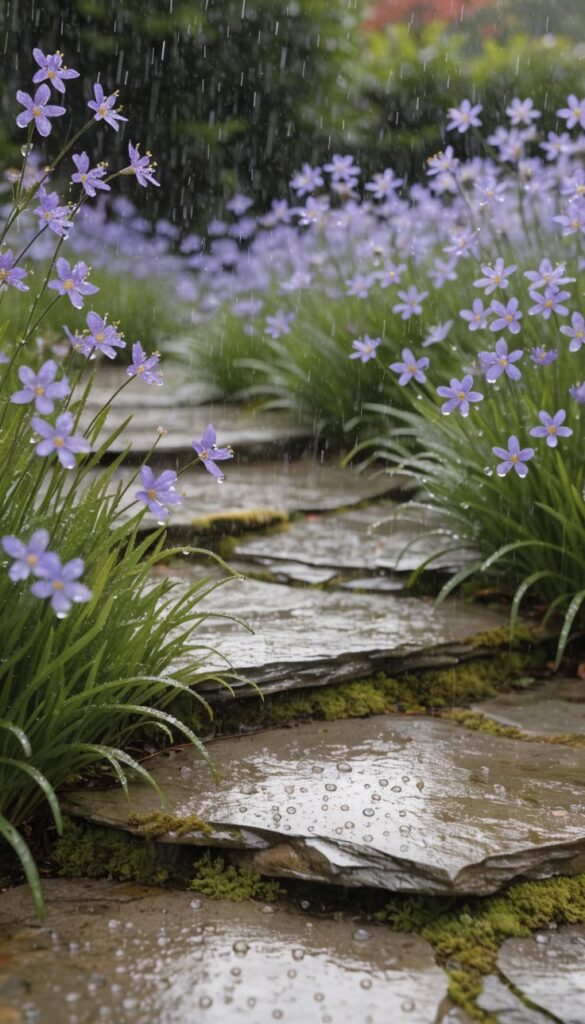
🌸 9. Mazus: The Hidden Gem Groundcover
Mazus is one of those plants you don’t hear about much—but it works incredibly well. I planted it between stepping stones, and it slowly created a soft, weed-free surface.
Actionable Tip:
Use mazus for tight gaps and cracks where weeds usually pop up.
Common Problem → Fix:
Fix: Water consistently during early growth stage
Problem: Patchy growth
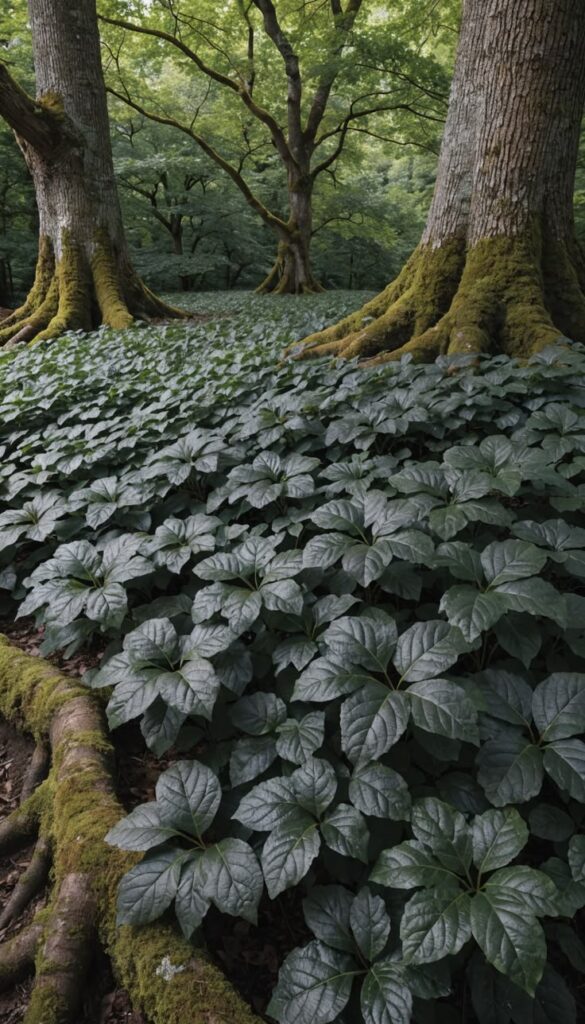
🌿 10. Pachysandra: Shade-Loving Carpet Plant
This is what I use in deep shade areas where nothing else grows. Once it fills in, it creates a thick carpet that weeds can’t penetrate.
Actionable Tip:
Plant closer than recommended for faster results—shade slows growth, so spacing matters more.
Common Problem → Fix:
Fix: Avoid direct sun exposure
Problem: Yellowing leaves/
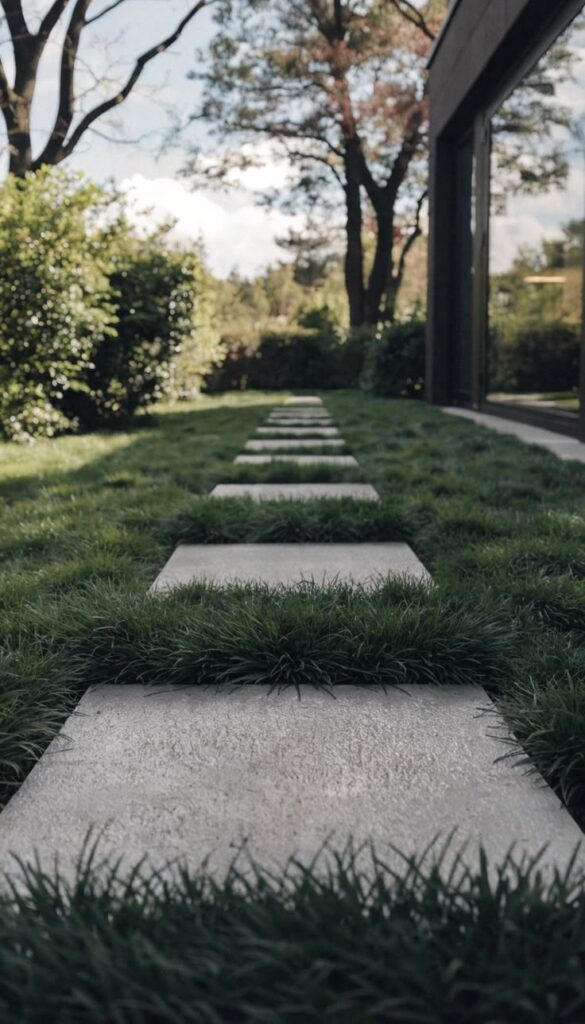
🌸 11. Dwarf Mondo Grass: The Slow but Solid Weed Blocker
Dwarf mondo grass is one of those plants that rewards patience. It doesn’t spread aggressively like some others on this list, but once it fills in, it creates a thick, almost impenetrable layer that weeds struggle to break through.
I first used it between stepping stones in a small courtyard. At the start, it looked sparse and honestly a bit underwhelming—but by the second season, it transformed into this lush, uniform carpet that required almost no maintenance.
For best results, plant plugs close together (about 4–6 inches apart). It thrives in partial shade but can handle some sun if the soil stays slightly moist. You can usually find trays of small plugs at nurseries, which are much cheaper than buying mature plants.
One mistake to avoid is expecting fast results. This isn’t a quick fixer—it’s a long-term solution. But once established, it’s one of the cleanest, most elegant weed barriers you can have.
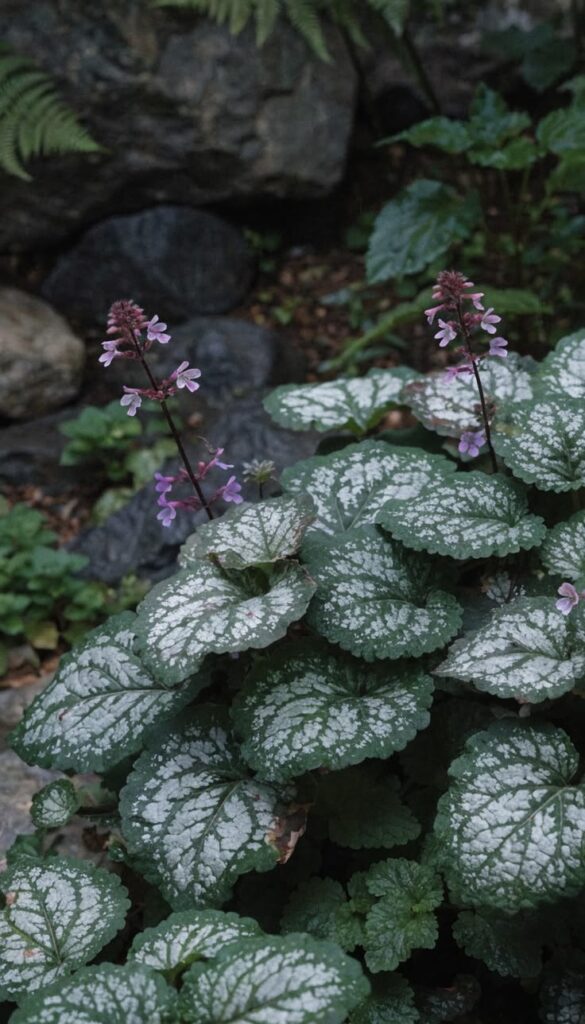
🌿 12. Lamium (Dead Nettle): Shade + Color Combo
Lamium is perfect if you want something functional and visually interesting. Its silver-patterned leaves reflect light, making shady spots feel brighter and more alive.
I planted lamium along a north-facing wall where everything else struggled. Not only did it survive—it thrived and spread into a thick mat that left no room for weeds.
It’s easy to find at local nurseries, and you can divide it every year to expand coverage for free. It prefers moist, well-drained soil, especially during the establishment phase.
Actionable Tip:
Use lamium where you want both coverage and visual contrast.
Common Problem → Fix:
- Problem: Leaf burn
- Fix: Keep in shade or filtered light
The biggest mistake? Planting it in harsh afternoon sun. It can scorch easily, so keep it in partial to full shade.
Planting dozens of groundcover plugs can be tough on your back. This [Long-Handled Bulb & Plug Planter] lets you plant everything while standing up, making the whole process 10x faster and easier.
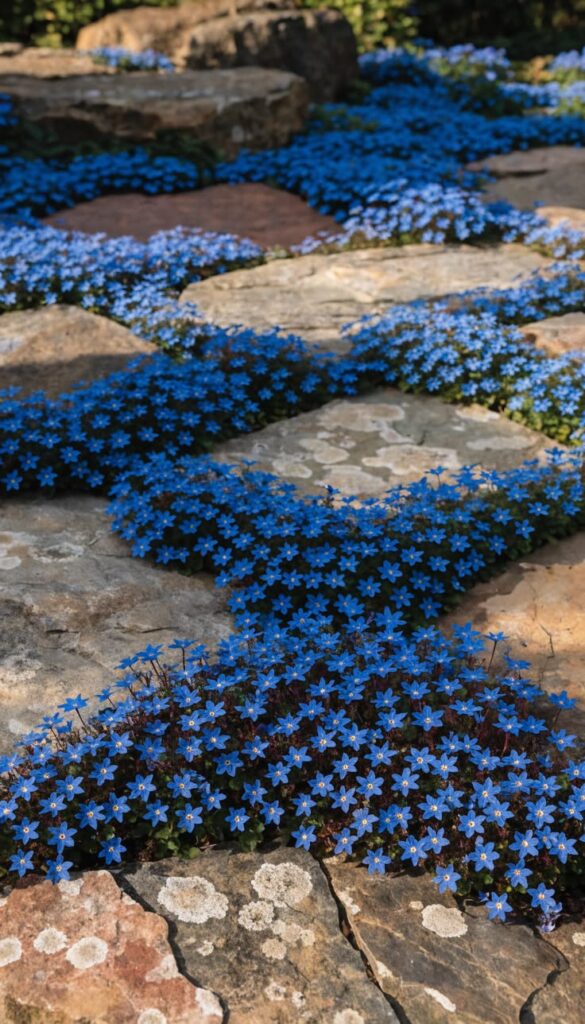
🌱 13. Blue Star Creeper: The Soft Living Carpet
Don’t let its delicate appearance fool you—blue star creeper is surprisingly tough. It spreads quickly and fills gaps beautifully, especially between pavers or in small spaces.
I used it in a patio area where weeds used to pop up between tiles constantly. Within months, it filled every crack and completely solved the problem.
You can buy starter trays or even small plugs online or locally. Once established, it’s easy to propagate by division.
One mistake I made early on was letting it dry out too much. It prefers consistent moisture, especially when getting established.
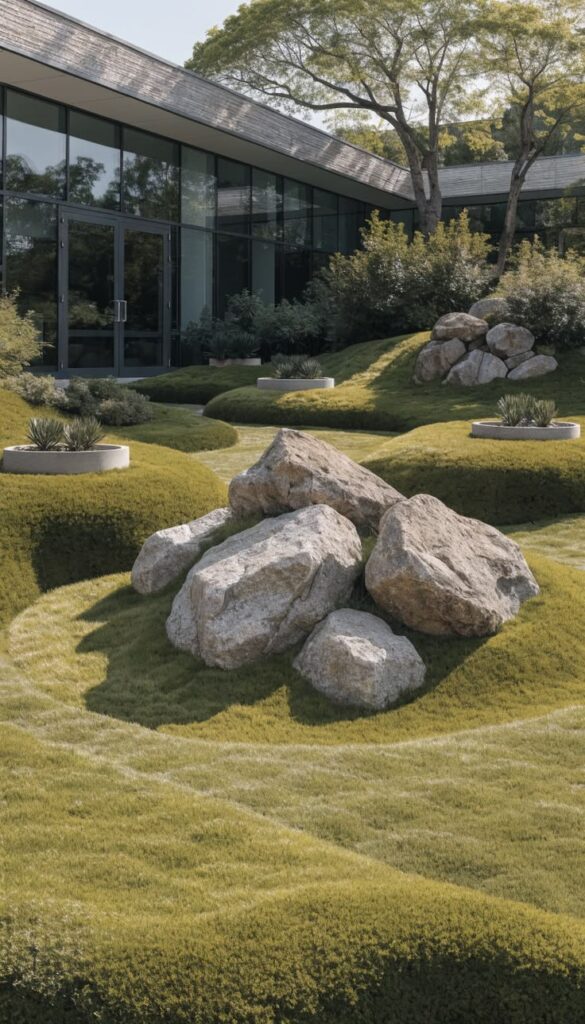
🌿 14. Herniaria Glabra (Green Carpet): The Ultimate Weed Suppressor
This plant is often called “green carpet” for a reason—it grows incredibly low and dense, almost like a living mat pressed against the soil.
I discovered it while looking for a no-mow alternative for a small section of my yard. It ended up being one of the best performers in terms of weed suppression.
It thrives in full sun and poor soil, making it ideal for tough spots. You can often find it online if local nurseries don’t carry it.
The main mistake to avoid is overwatering—it prefers dry conditions once established.
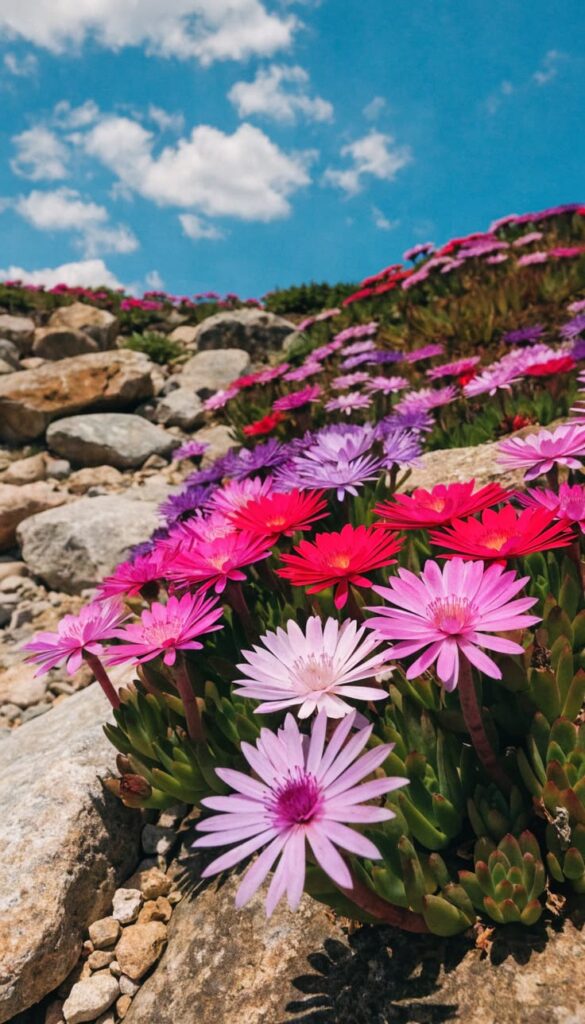
🌸 15. Ice Plant (Delosperma): Bright and Weed-Proof
Ice plant is perfect if you want something vibrant and functional. Its thick, succulent leaves spread outward, covering soil completely and leaving no room for weeds.
I planted it in a sunny slope area where erosion and weeds were constant issues. It not only stabilized the soil but also added bursts of color throughout the season.
Actionable Tip:
Use on slopes or difficult terrain where other plants fail.
Common Problem → Fix:
Fix: Avoid heavy soil—ensure drainage
Problem: Root rot
PRO TIP (LONG-TERM SUCCESS SECRET)
If you want groundcovers to truly choke out weeds, think in layers:
Start with soil prep → plant densely → add temporary mulch → water consistently for the first 2–3 months.
Most people fail because they skip one of these steps. But when you do all four, weeds barely stand a chance.
🌿 16. Oregano (Creeping Varieties): Edible Weed Barrier
Creeping oregano is one of my favorite dual-purpose plants. It spreads low across the ground, smells amazing, and you can actually harvest it for cooking.
I planted it along a walkway, and it quickly filled in gaps while keeping weeds out. Every time I brush against it, it releases a fresh herbal scent.
You can buy small plants or even grow from cuttings if you already have oregano at home. It thrives in sunny, dry conditions.
Actionable Tip:
Plant near paths for easy access while cooking.
The biggest mistake? Over-fertilizing. It grows better in lean soil—too much nutrients can make it leggy and less dense.
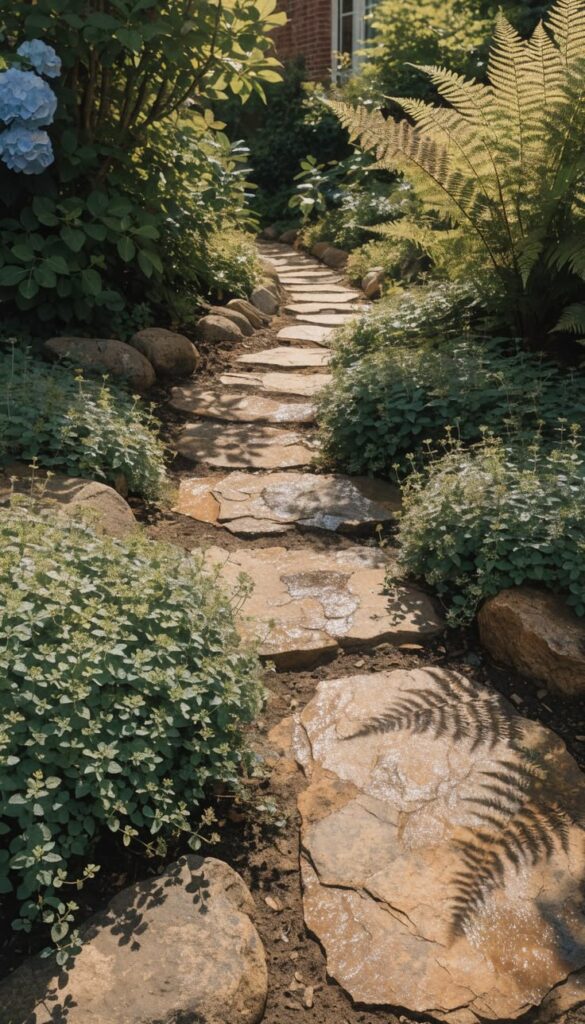
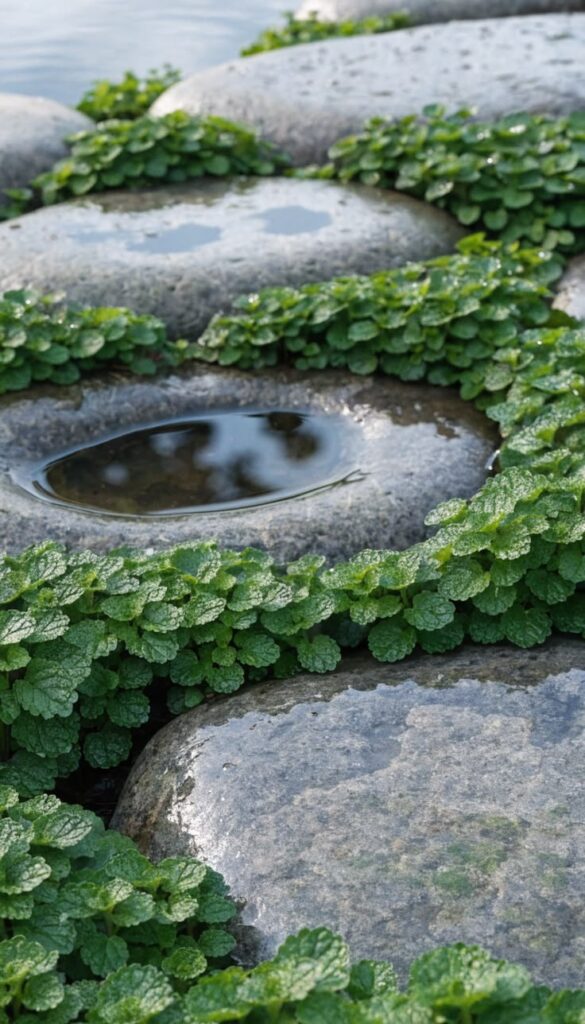
🌱 17. Corsican Mint: Tiny but Powerful
Corsican mint is perfect for small spaces or between stepping stones. It stays incredibly low and spreads into a tight mat that weeds can’t penetrate.
I used it in a small patio area, and it completely changed the feel of the space. Walking on it releases a fresh minty aroma—something guests always notice.
Actionable Tip:
Best for small spaces and decorative gaps.
It prefers partial shade and moist soil, so it’s ideal for cooler spots.
Mistake to avoid: letting it dry out—it’s not drought-tolerant like other groundcovers.
Even the best groundcovers need a little help in the beginning. Applying a thin layer of [Shredded Cedar Mulch] around your new plants will retain moisture and suppress weeds until your groundcover forms a solid, beautiful carpet.
Common Mistakes (Expanded Real-Life Insights)
- Planting in poor soil without preparation
- Even tough groundcovers need a good start. Loosen soil and remove roots of old weeds.
- Mixing aggressive and slow growers together
- Fast plants like ajuga can completely overtake slower ones.
- Ignoring spacing instructions
- Too wide = weeds sneak in. Too tight = wasted money.
- Skipping early maintenance
- The first 4–6 weeks are critical. After that, it gets much easier.
🌿 Step-by-Step: How to Use Groundcovers to Eliminate Weeds (Real-Life Method)
Step 1: Clear the area completely
Remove all weeds, including roots. This step makes the biggest difference long-term.
Step 2: Improve the soil lightly
Add compost if needed—but don’t overdo it for drought plants like sedum.
Step 3: Plan tight spacing
Aim for faster coverage instead of saving a few plants.
Step 4: Add temporary mulch
Helps suppress weeds while plants spread.
Step 5: Water consistently (first 4–8 weeks)
After that, most groundcovers become self-sufficient.
More Smart Gardening Ideas You’ll Love
If you’re trying to build a low-maintenance garden, pairing groundcovers with fast-growing crops can make a huge difference. I highly recommend exploring fast-growing vegetables you can harvest quickly on sprucetouch.com—perfect for filling empty spaces productively.
And if you want to scale your garden affordably, learning how to propagate plants from cuttings will save you a surprising amount of money over time.
Final Thoughts (From Real Experience)
The biggest shift for me wasn’t finding a better tool or spending more time—it was changing my approach.
Instead of constantly removing weeds, I started replacing empty space with the right plants.
And once those plants took over, everything changed. Less work. Less stress. And honestly, a much more beautiful garden.
If you take anything from this guide, let it be this:
👉 Plant smarter, not harder.
Start small, stay consistent, and let your groundcovers do what they naturally do best—take over (in the best way possible).
The “No-More-Weeding” Essential Toolkit
- [Stand-Up Weeding Tool with 3 Claws] — “For removing those last few stubborn weeds before you plant your groundcover.
- [Concentrated Vinegar-Based Weed Killer (Pet Safe)] — “The best way to clear an area naturally before starting your groundcover project.
- [Hand-Held Garden Cultivator/Rake] — “Perfect for smoothing out the soil before spreading seeds or plugs.
- [Creeping Thyme / Clover Seed Bulk Packs] — “If you have a large area to cover, buying seeds in bulk is the most budget-friendly way to go.
As an Amazon Associate, I earn from qualifying purchases.

Aagam – Founder of SpruceTouch
Hi, I’m the creator behind SpruceTouch. i am a home and garden enthusiast who shares practical ideas for backyard design, garden projects, patio decor, and small outdoor spaces. Through SpruceTouch, he focuses on simple and budget-friendly ways to improve outdoor living spaces.