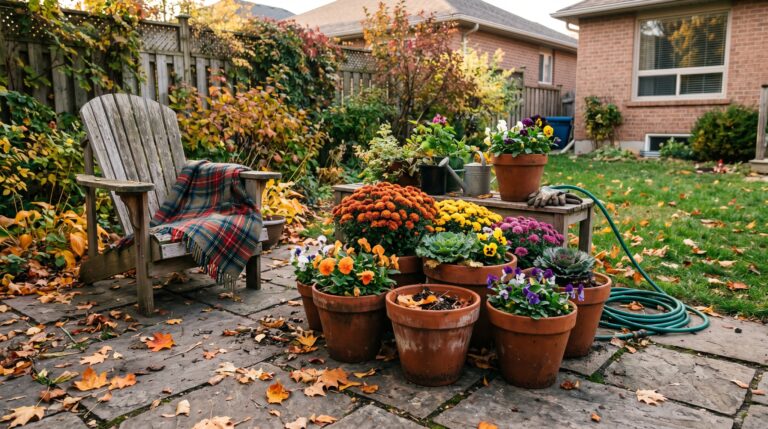
Fall Bulb Guide: Why you must buy your Tulip and Lily bulbs in June.
If you walk into a big-box store in October looking for the best tulip and lily varieties, you are going to end up with the leftovers. I learned this about twelve years ago when I tried to design my first real spring display and ended up with nothing but shriveled, bruised bulbs that looked like sad little onions. Every single one of them rotted in the ground before spring even arrived.
After almost two decades of getting my hands dirty, failing more times than I care to admit, and finally understanding how the commercial plant supply chain works, I realized the secret to those breathtaking spring gardens isn’t what you do in October. It is what you do in June.
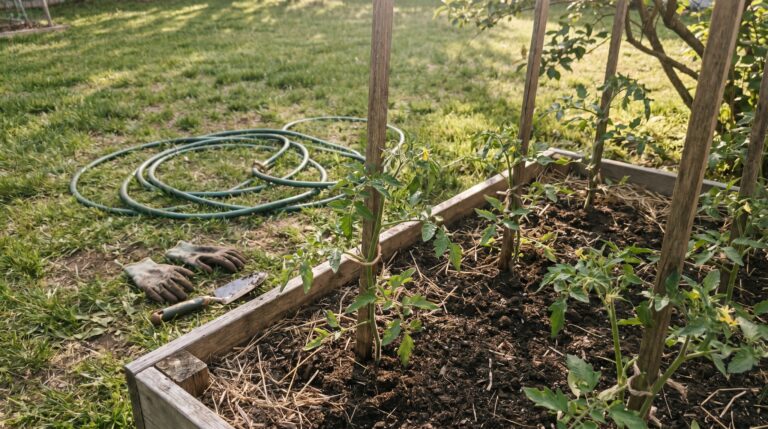
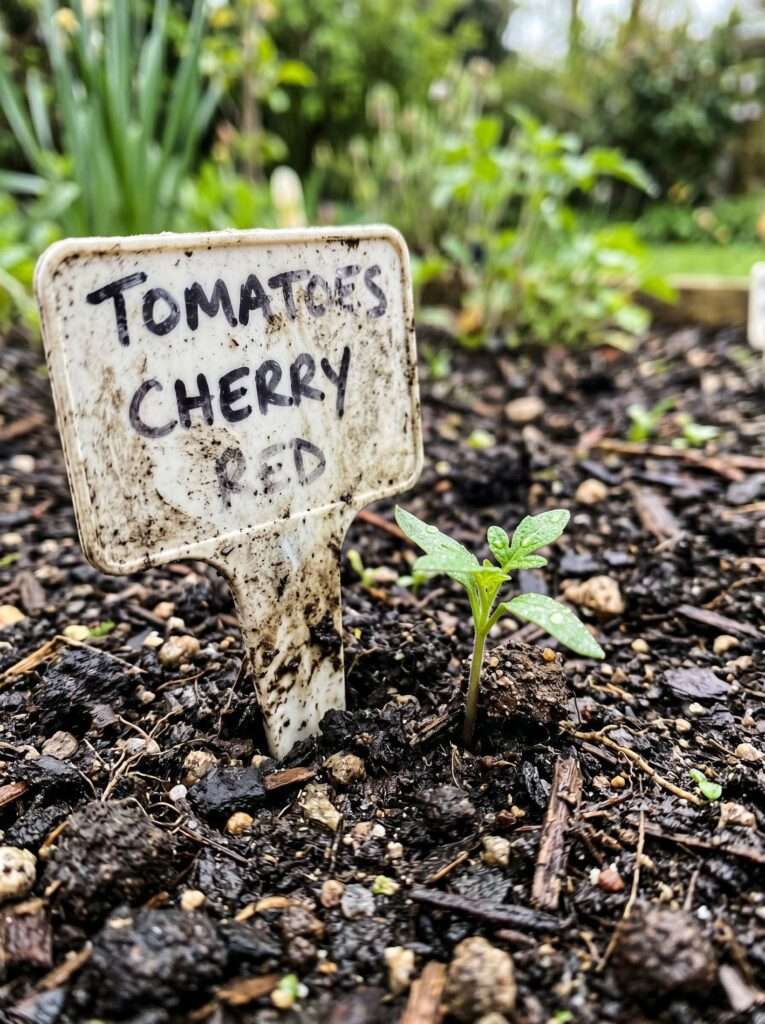
Today, we are going to talk about why the smartest gardening move you can make right now, while your summer tomatoes are just starting to flower, is ordering your fall-planted bulbs. It sounds completely backward, but trust me, it changes everything.
Let’s dive into why June is the secret weapon month for spring color.
Quick Check: Is Your Bulb Strategy Ready?
- Check your calendars: High-quality Dutch growers open pre-orders right now in early summer.
- Inspect your soil spots: Look for areas where your summer perennials are crowding out open ground.
- Watch the heat: Don’t plant anything yet; we are only reserving the inventory before it disappears.
- Check the firmness: If you do buy anything locally this early, it should feel like a solid onion, not a sponge.

Why June Predicts Your Next Spring Success
It feels weird to think about chilly April mornings when you’re sweating through your shirt in June, but this is exactly how the best flower farms operate. The premium bulb importers and growers don’t wait for the leaves to fall to see what they have; they tally up their inventory right after the spring harvest ends.
But here’s the kicker: the rarest, most spectacular varieties of tulips, like the deeply fringed parrot types or those heavy, peony-style double lilies, exist in limited quantities. Wholesalers open their digital doors to the public in June, and the hardcore garden enthusiasts swoop in immediately.
If you wait until the autumn air hits, you are essentially picking through the clearance rack of the flower world. You’ll get the standard red and yellow singles that everyone else has, while the breathtaking bicolors and fragrant heritage varieties are already spoken for.
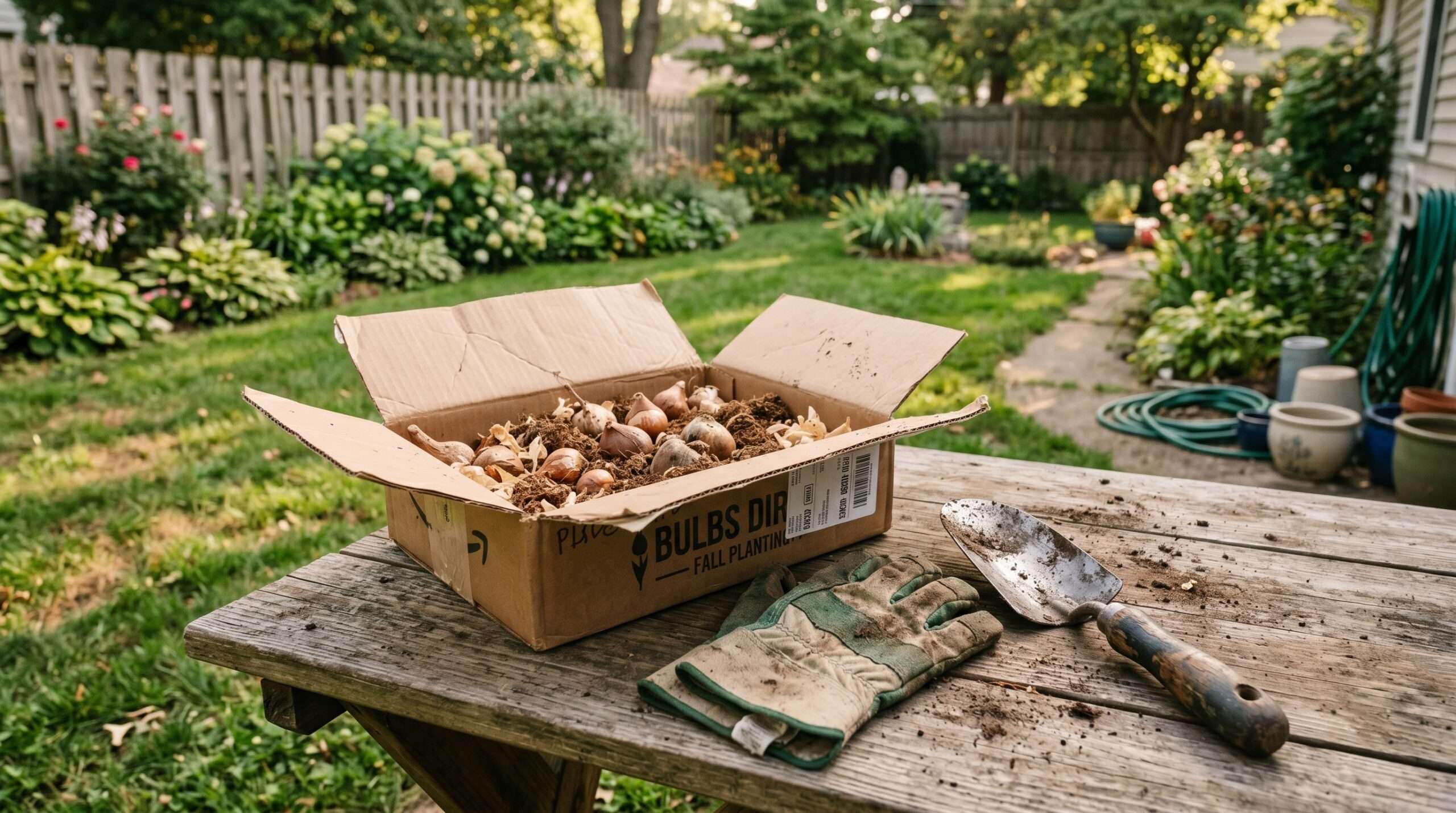
One thing I noticed over the years is that bulb quality declines the longer they sit in hot, dry retail warehouses. By securing your batch early through pre-orders, you ensure your name is on the boxes that come straight off the climate-controlled ships from Holland, bypass the baking-hot store shelves entirely, and ship straight to your door at the exact right planting moment for your specific zone.
The Reality of the Dutch Bulb Supply Chain
Most gardening blogs never mention this, but the global bulb market is surprisingly fragile. A wet spring in Europe or an early heatwave can completely wipe out certain crops of specific lily varieties. When you order early, you get first dibs on the actual harvest yield.
I used to think that online nurseries just kept a massive, infinite warehouse of bulbs all year round. They don’t. They take your reservations now, secure the contract quantities with the growers, and ship them out fresh in September or October.
[June Pre-Orders] ---> [Late Summer Harvest] ---> [Direct Climate-Controlled Shipping] ---> [October Planting]
If a specific variety suffers a crop shortage, the nursery fulfills orders based on who bought first. If you are at the back of the line in September, you get an automated email offering a boring substitute or a refund, leaving a sad, empty gap in your landscape plan.
The Hidden Advantage for Your Landscape Planning
When you design a landscape on the fly in October, you forget where everything else is. You look at a bare patch of dirt and think, “Yeah, I can stick twenty lilies here.” Then, next summer rolls around, and you realize you planted them right on top of your sleeping hostas or overshadowed by your massive hydrangeas.
Right now, your garden is in full summer growth. You can see exactly where the bare spots are, where the color gaps happen, and where you need an early pop of energy next spring.
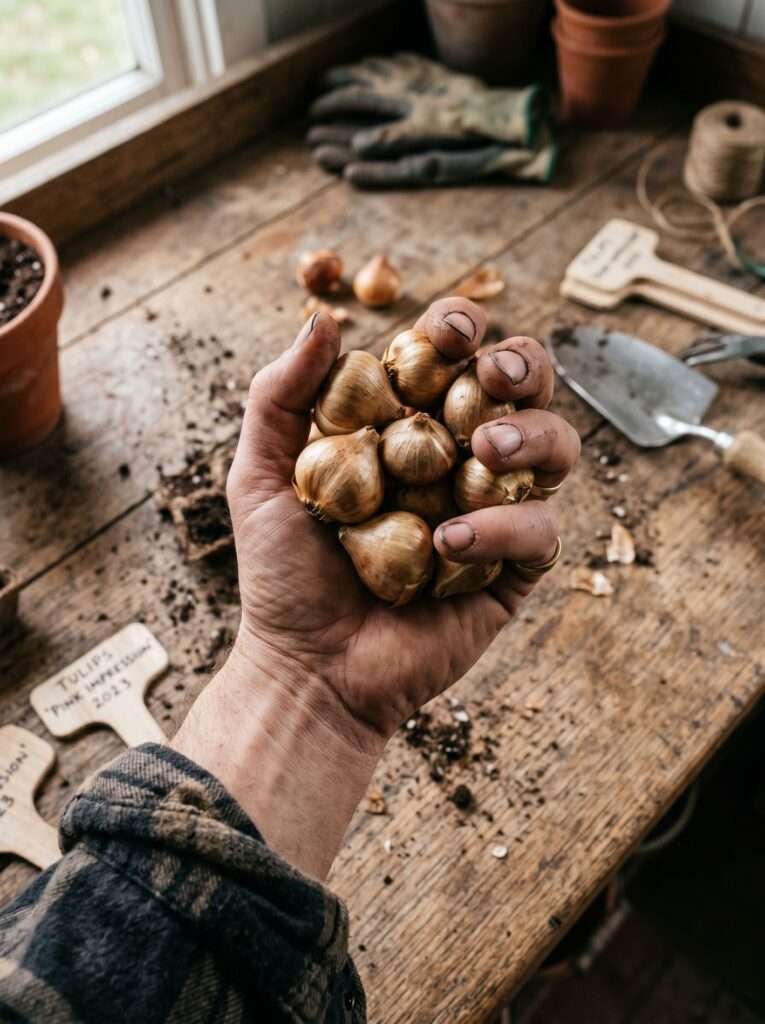
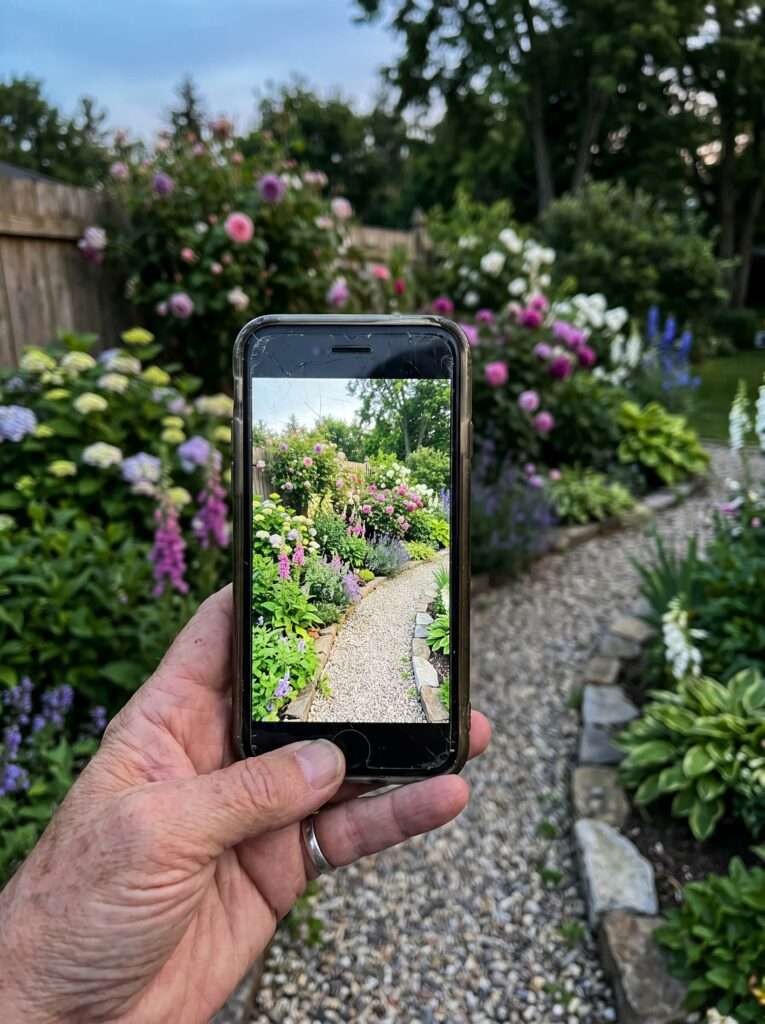
I learned this the hard way: write down your observations right now. Walk your yard with a notepad or your phone camera today. Look for those spaces where your spring-blooming shrubs are finished and nothing else has started yet. That is exactly where your early tulips need to go.
While you are looking at your current layout, it is also a great time to think about long-term soil preparation. If you want to dive deeper into getting your beds ready for future seasons without destroying your existing ecosystem, check out our guide on how to try the chaos gardening experiment to see how unpredictable planting can yield surprisingly beautiful, low-effort results in your backyard.
Keeping Tulips Safe from Backyard Critters
Let’s be honest for a second: squirrels treat tulip bulbs like a free buffet laid out just for them. You spend hours digging in the chilly autumn mud, go inside for a warm cup of cider, and look out the window only to see a squirrel digging up your hard work.
Here’s where most people go wrong: they think spraying some smelly deer repellent on the soil surface is enough. It isn’t. The smell fades in a couple of days, or the rain washes it deep into the dirt, and the local wildlife comes right back for breakfast.
The Chicken Wire Trick
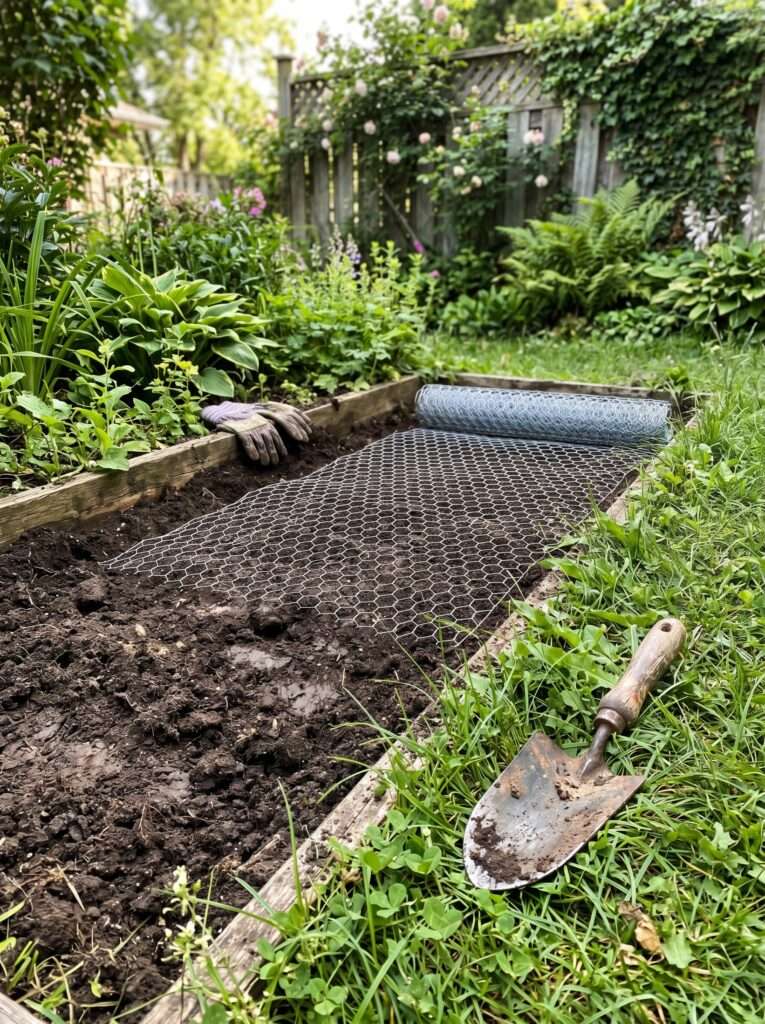
If you have a major squirrel or gopher problem, you need physical barriers. When I plant my tulip clusters in October (ordered in June, of course), I dig a wide trench instead of individual holes, place the bulbs at the bottom, throw a handful of dirt over them, and then lay a piece of standard metal chicken wire over the top of the whole section before filling the rest of the soil back in.
The flower stems can easily grow right through the gaps in the wire come spring, but the squirrels can’t dig down from the top to pull the bulb out. It saves an immense amount of frustration.
Fragrant Lilies: The Summer Icons Worth Reserving
While tulips take care of the early spring show, lilies are the queens of mid-to-late summer. Asiatic lilies offer that punchy, vibrant color early in the season, while Oriental lilies bring that intoxicating, heavy perfume that wafts across your entire porch on July evenings.
But wait, there’s a catch: lily bulbs don’t have a tough, protective papery skin like tulips or daffodils do. They are made of fleshy, loose scales and are much more sensitive to drying out or getting bruised during transport and storage.
+-------------------+-------------------------+------------------------+
| Lily Type         | Bloom Time              | Key Benefit            |
+-------------------+-------------------------+------------------------+
| Asiatic           | Early Summer            | Intense, bright colors |
| Oriental          | Mid-to-Late Summer      | Incredible fragrance   |
| Trumpet / LA      | Mid-Summer              | Massive flower size    |
+-------------------+-------------------------+------------------------+
Because they are delicate, buying them from bulk bins at local stores late in the year is a total gamble. They’ve often been sat on, dried out by store air conditioning, or started growing weird, pale sprouts in the dark corners of the store shelves. Ordering them early ensures they stay tucked safely in climate-controlled peat moss until the exact week they need to go into your ground.
Designing with Spring Bulbs: The “Drift” Method
When I first started out, I planted my tulips like little tin soldiers—one straight line along the edge of my sidewalk, spaced exactly six inches apart. It looked incredibly stiff, unnatural, and kind of goofy when they actually bloomed.
Nature doesn’t grow in straight, neat lines. If you want your front yard to look like a professional botanical garden, you need to plant in drifts.
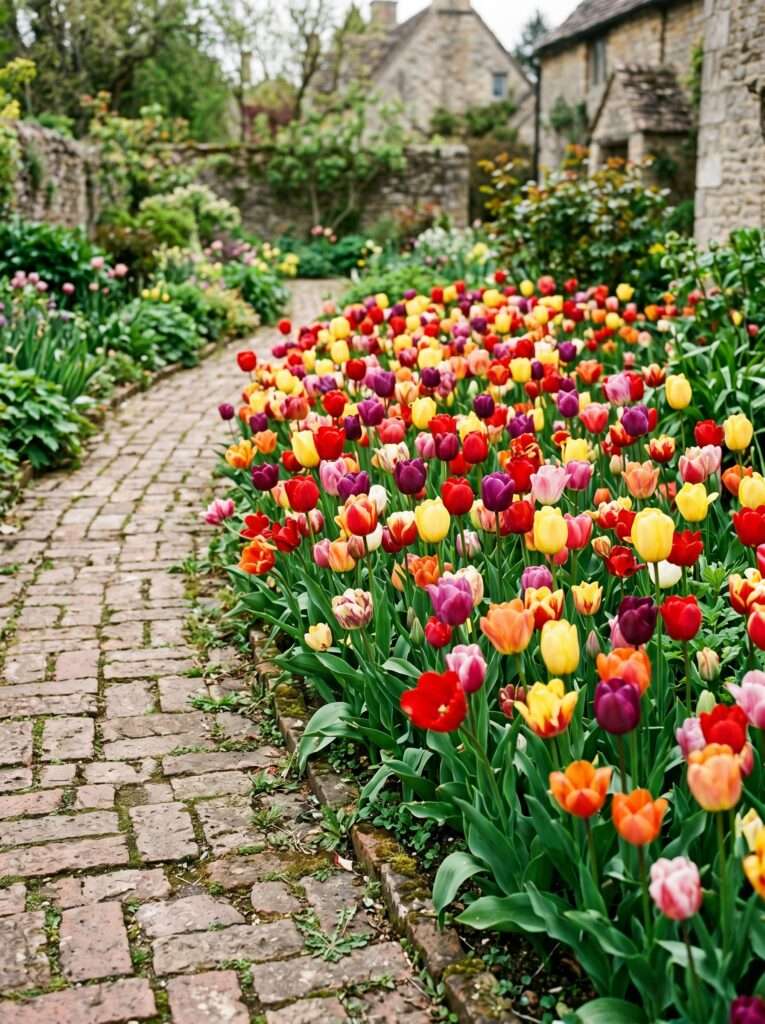
Instead of digging individual holes, dig a large, irregular shape out of your bed—think like a kidney bean or a long teardrop. Gently toss your bulbs into the space so they land somewhat randomly, adjust them so their pointy ends are facing skyward, and bury them all together. This creates a dense, natural-looking cloud of color that looks ten times more impactful than any single row ever could.
If you love that abundant, slightly wild, and informal look that makes old country homes feel so welcoming, integrating these bulb drifts around your permanent structures is a core element of timeless landscape layout. If you need some inspiration for creating cozy spots to sit and enjoy these blooms, take a look at our guide on cozy DIY garden seating nooks to find ideas for building a peaceful corner in your yard this weekend.
Understanding Your Soil Needs Before Planting
You can buy the most expensive heritage bulbs in the country, but if you drop them into heavy, compacted clay that drains like a concrete swimming pool, they will rot into mush before they ever think about sprouting.
Tulips and lilies love water when they are actively growing, but they absolutely hate sitting in cold, stagnant water during their dormant winter months. They need sharp, fast drainage to stay healthy.
If you have heavy clay soil like I do, don’t give up hope. You don’t need to dig up your whole yard and replace it. You just need to loosen up the planting area and mix in plenty of coarse organic matter, like compost or well-rotted leaf mold, to create spaces for water to pass through.
While you are assessing your soil conditions for your upcoming fall planting, it is also a fantastic time to consider how you protect your beds during the cold months. To learn how to naturally build up your soil structure and prevent winter erosion, read our comprehensive overview on winter cover crops for beginners to give your garden an extra boost during the off-season.
Companion Planting for a Seamless Transition
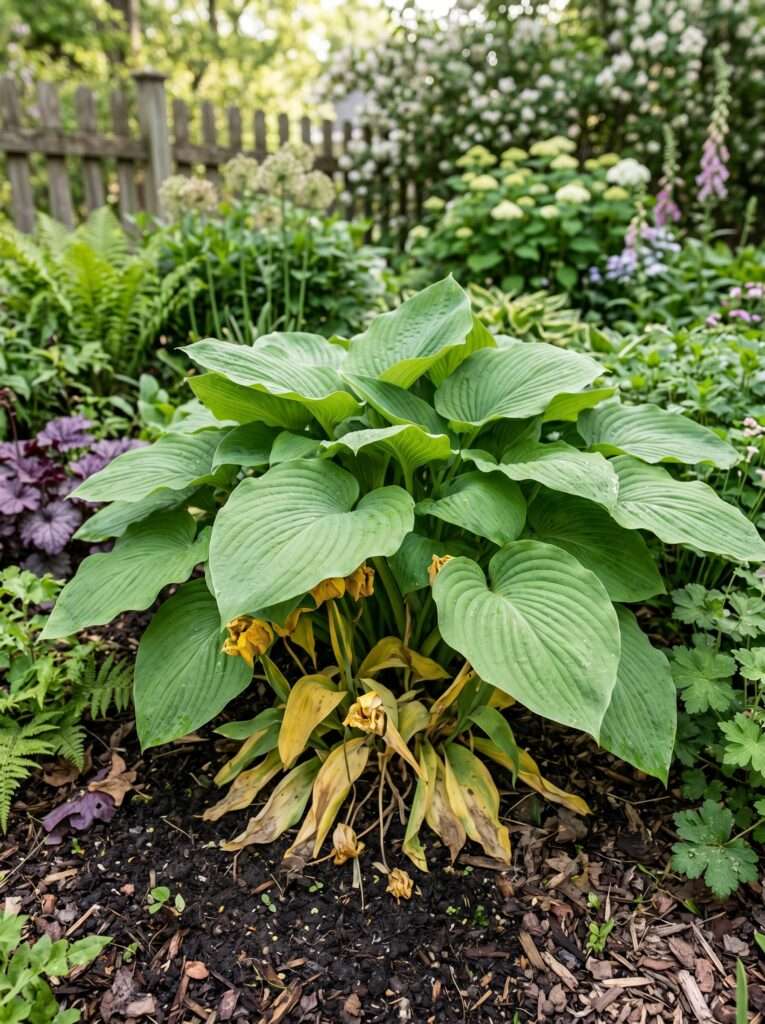
The worst part about tulips is the aftermath. Once those gorgeous flowers drop their petals in May, you are left with a bunch of yellowing, floppy, sad-looking leaves that you cannot cut down if you want the bulb to bloom again the following year. The bulb needs those leaves to gather sunlight and store energy for its next cycle.
The solution is clever companion planting. You want to place your bulbs directly behind or beneath perennials that wake up a little later in the spring, like hostas, daylilies, or hardy geraniums.
[Early Spring: Tulips Bloom] ---> [Late Spring: Petals Drop / Leaves Yellow] ---> [Early Summer: Perennials Grow & Hide Yellow Leaves]
As the tulip foliage starts to look ugly and die back, the surrounding perennials expand their leaves, completely hiding the messy transition phase from view. It is a simple magic trick that keeps your garden looking clean without harming your flower production.
What Actually Works: The Weekend Bulb Bed Setup
If you want to set up a new dedicated flower area for your incoming fall shipments, here is a simple, no-stress method to prepare your planting area ahead of time without breaking your back.
Step 1: Mark the Spot
Use a garden hose or a long piece of rope to lay out an irregular, organic shape in your yard where you want your flowers to go. Avoid sharp squares or stiff lines.
Step 2: Clear the Surface
Scrape away any thick weeds or grass from the area using a sharp spade. You don’t need to dig incredibly deep right now; just clear the top layer so you have clean, open soil to work with.
Step 3: Layer the Amendments
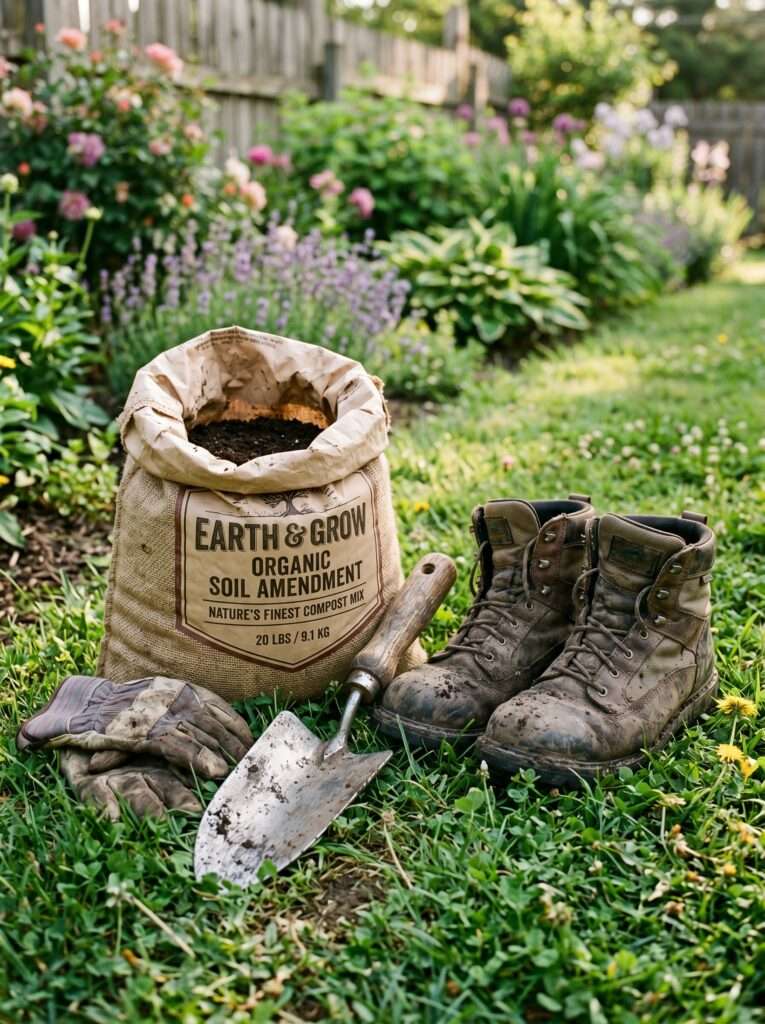
Spread a two-inch layer of good quality compost or aged manure across the entire cleared area. This will naturally break down and blend into the topsoil over the next few months, saving you intense tilling later.
Step 4: Protect and Wait
Cover the entire prepared space with a thick layer of shredded wood mulch or straw to keep weeds from moving back in over the summer. When your ordered bulbs arrive in the fall, simply push back the mulch, dig your planting trench, and drop them in.
Budget Breakdown: Real Prices for Real Gardeners
Gardening shouldn’t require taking out a second mortgage. Here is what you can realistically expect to spend on a solid starter spring bulb project in the US.
- Premium Tulip Bulbs (Pack of 25-50): $25 – $45 (Depending on rarity and variety)
- High-Quality Lily Bulbs (Pack of 5-10): $15 – $30
- Sturdy Garden Trowel: $10 – $18
- Bag of High-Quality Compost (1 Bag): $5 – $8
- Roll of Chicken Wire (For pest control): $12 – $20
- Total Average Project Cost: $67 – $121
Mistakes I Made (So You Don’t Have To)
1. The Upside-Down Disaster
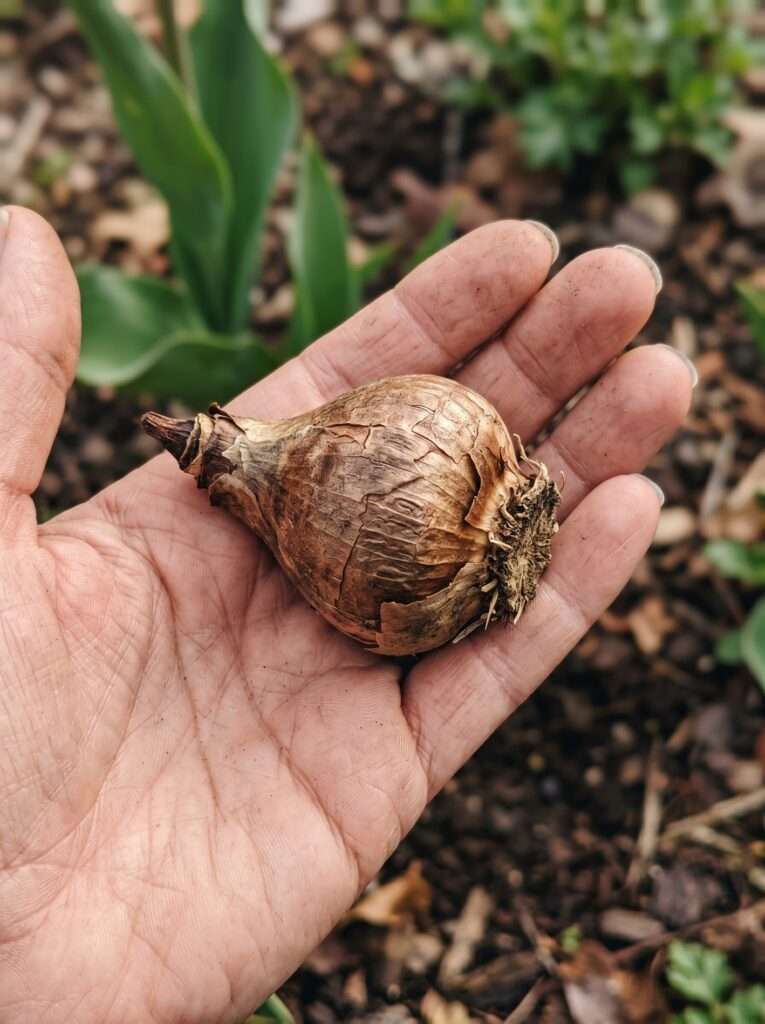
In my second year of gardening, I was in such a rush to finish planting before a big thunderstorm that I didn’t pay attention to which way the bulbs were facing. I planted about fifty of them upside down. While some managed to find their way up around the sides, many exhausted their energy trying to grow downward and died in the dirt. Always make sure the pointy end faces up and the flat, hairy root end faces down.
2. Planting Too Early in the Heat
When my pre-orders first arrived in early September during a warm year, I got overly excited and planted them immediately. The soil was still baking hot from the summer sun. The bulbs thought it was spring, started pushing up green sprouts immediately, and then got completely zapped and ruined by the first hard freeze of December. Wait until your daytime temperatures are consistently below 60°F before putting them in the ground.
3. Buying the “Mystery Mix” Bargain Bins
I once bought a massive box of 100 “mixed surprise” tulips from a discount home center for fifteen bucks. When spring arrived, ninety percent of them were a harsh, neon orange color that clashed horribly with everything else in my yard, and the rest didn’t bloom at all. Investing a little extra in specific, named varieties from reputable suppliers is always worth it if you care about your color scheme.
Sourcing Your Bulbs: Finding the Best Growers
When you start browsing online in June, look for long-standing family-run nurseries or dedicated importers that specialize specifically in geophytes (the technical term for bulbous plants). Avoid flashy, fly-by-night websites that show impossible, heavily photoshopped blue or rainbow-colored lilies. Those don’t exist in nature, and you will end up disappointed.
Stick to companies that list the specific bulb sizes in centimeters. For tulips, you want to see “12cm+” listed on the product details. This measurement refers to the circumference of the bulb. Larger bulbs hold more stored energy, which means bigger, stronger stems and much larger flowers when spring finally arrives. Smaller, cheaper utility bulbs (often 10cm or less) will give you tiny flowers or just leaves.
Caring for Your Bulbs Long-Term
Many people treat tulips like annuals, pulling them out and throwing them away after their first spring bloom. While it’s true that modern hybrid tulips (especially the fancy double and parrot types) tend to lose their vigor after their first year, there are ways to encourage them to return.
If you want long-term perennial performance from your spring display, look into Darwin Hybrid tulips or Emperor varieties. These are much tougher, highly resilient strains that are far more likely to naturalize and multiply in your soil year after year, especially if you leave their leaves alone to die back completely naturally each spring.
Lilies, on the other hand, are fantastic perennials. Once you establish a lily bed, those clumps will expand and grow larger and more impressive every single summer, giving you more stems and heavier blooms without you having to dig them up or replace them. Just give them a light top-dressing of organic compost every spring as they emerge, and they will reward you for a decade.
If you enjoy learning how to propagate and extend your plant collection for free, you might also find it rewarding to start saving your own flower seeds during the warmer months. Take a quick look at our simple ten-minute guide to saving zinnia seeds to learn how to keep your cutting garden going year after year without spending another dime at the store.
Keeping Track of Your Garden Layout
One of the most useful habits I’ve developed over fifteen years is taking a quick five-second video of my garden beds every single month on my phone.
When you are looking at bare dirt in October, trying to remember exactly where your summer lilies were located or where your spring tulips died back is almost impossible. You will inevitably accidentally slice into an existing bulb with your shovel while trying to plant a new one.
By opening your phone, scrolling back to your June or July videos, and seeing exactly where your plants were at their peak, you can map out your new additions with absolute pinpoint precision. It takes almost no effort but saves you from a ton of accidental plant damage down the line.
Preparing for Late-Season Garden Maintenance
As the summer progresses and your pre-ordered bulbs are safely reserved on a grower’s list in Holland, your attention will naturally shift back to your current garden maintenance. Keeping your landscape looking tidy during the peak heat is all about timing your chores correctly.
For instance, if you have fruit trees or large ornamental shrubs that are getting unruly, you’ll want to handle them before the deep fall sets in. If you are curious about how to manage your larger plants later in the season, check out our tutorial on late summer fruit tree pruning in August to avoid the common cutting mistakes that can accidentally limit your next harvest.
Frequently Asked Questions
It is usually best to wait a little bit. If your soil is still warm from summer, planting too early can cause them to grow prematurely or rot. Keep the boxes in a cool, dark, dry place like a basement or garage until your outdoor night temperatures drop consistently into the 40s.
This usually happens for two reasons: either the bulbs were too small and lacked enough stored energy to flower, or the foliage was cut down too quickly the previous spring, preventing the bulb from recharging its internal energy reserves.
Yes, absolutely. Give them a deep, thorough watering right after you plant them. This helps settle the soil around the bulb, eliminates air pockets, and triggers the bulb to start growing its essential root system before the ground freezes solid for the winter.
A great general rule of thumb is to plant them three times as deep as the bulb is tall. For standard tulips, that means about six inches deep. For larger lily bulbs, you will want to go around seven to eight inches deep to provide proper stability for their tall summer stems.
Yes, they do great in containers. Just ensure the pots have excellent drainage holes at the bottom and use a high-quality, lightweight potting mix. Keep in mind that pots freeze much faster than the ground, so you may need to move them into an unheated garage for the winter in very cold climates.
Yes, deer love both tulips and lily buds. If you have heavy deer pressure in your neighborhood, you will want to use a liquid deer repellent spray as soon as the green shoots emerge in spring, or focus on planting deer-resistant bulbs like daffodils and alliums instead.
Once you understand the basic timeline of the flower industry, planning your garden gets much easier. You stop reacting to what is on the store shelves today and start creating the exact landscape you want for tomorrow. Get your orders in this month, enjoy the rest of your summer, and your future self will thank you immensely when April rolls around.
Transparency Note: Most advice in this article comes from personal gardening experience over the years. Results can vary slightly depending on climate, soil, and growing conditions.

Aagam – Founder of SpruceTouch
Hi, I’m Aagam — the creator behind SpruceTouch. I’m a home and garden enthusiast who shares practical ideas for backyard design, garden projects, patio decor, and small outdoor spaces. Through SpruceTouch, I focus on simple and budget-friendly ways to improve outdoor living spaces.