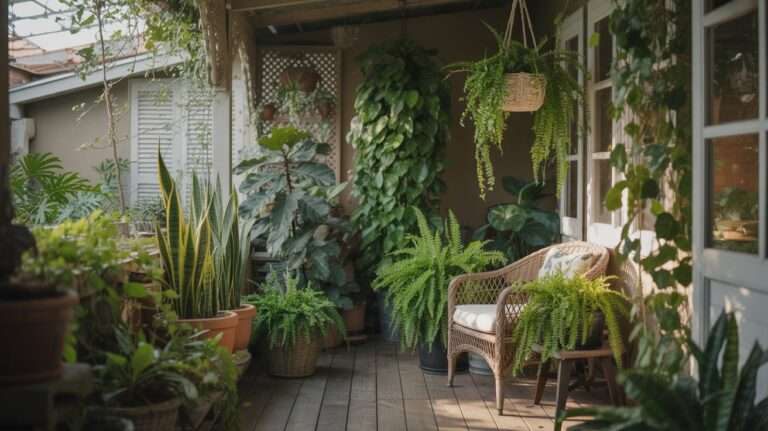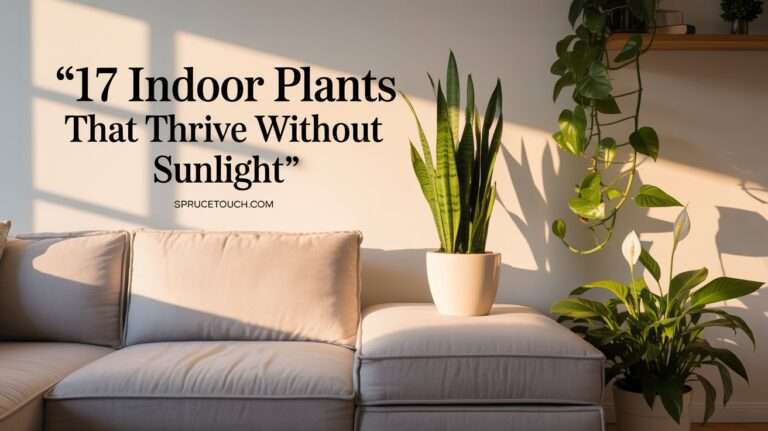
Humidity Hacks: Keeping tropical plants happy in dry US indoor climates.
If you’ve ever brought home a gorgeous, velvety Calathea or a massive Monstera only to watch it turn crispy at the edges within two weeks, you’re definitely not alone.
I’ve spent the last 18 years turning my various living rooms across the Midwest and Northeast into makeshift jungles. Trust me, I know the heartbreak of watching an expensive tropical plant slowly turn into a pile of dry corn husks because the furnace kicked on in November.
Early on in my gardening journey, I thought the solution to dry indoor air was just blasting my plants with a spray bottle every time I walked past. Spoiler alert: it didn’t do a damn thing except give me sore thumbs and cause a mild fungal spot issue on my favorite Anthurium.
But here’s the kicker: you don’t need to transform your home into a damp, foggy swamp just to keep your green roommates happy. After a lot of trial, error, and dead ferns, I figured out how to fake a tropical rainforest climate in a typical bone-dry American home. Let’s talk about what actually works.
Quick Check: Is Your Plant Gasping for Air?
Before you go buying a bunch of gear, check your plants for these quick warning signs. They usually yell for help before they completely throw in the towel.
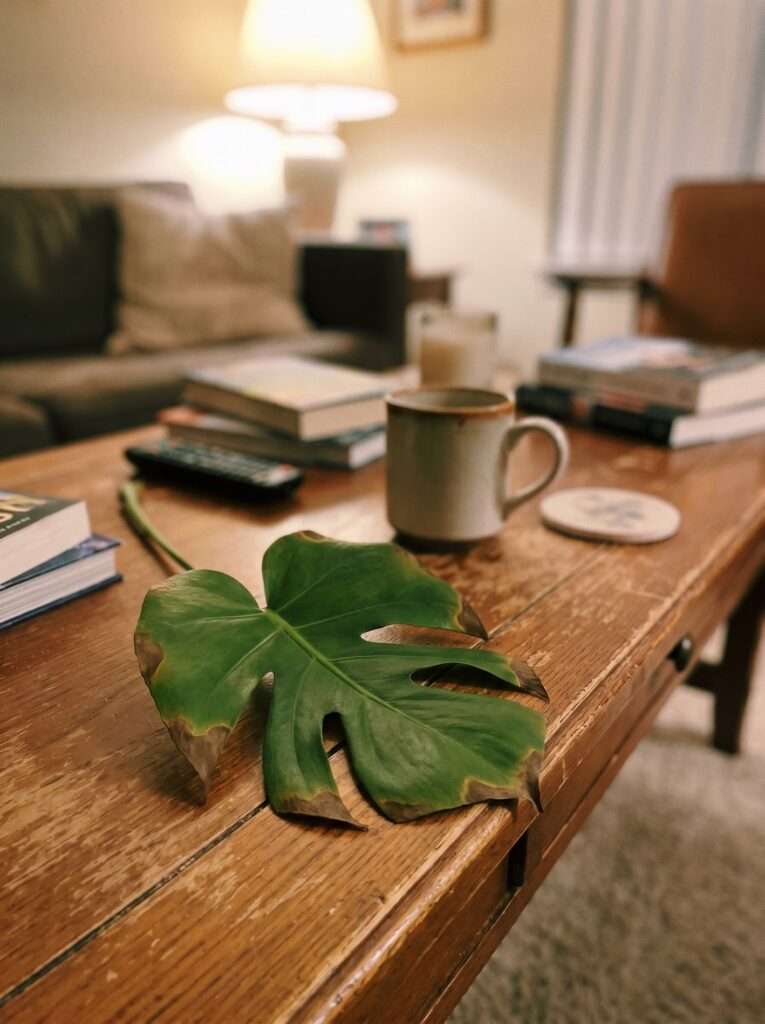
- The “Potato Chip” Edge: Leaf margins turn brown, dry, and literally crumble when you touch them.
- Mystery Leaf Drop: Perfectly green leaves suddenly pop off the stem when you walk by.
- The Dull Look: The foliage loses that deep, vibrant, glossy sheen and looks dusty or washed out.
- Unopened New Leaves: New growth gets stuck in its sheath for weeks and eventually turns black.
Why US Homes Are Secretly Tropical Plant Prisons
The main issue we face in the US is our heavy reliance on central heating and air conditioning systems.
Most tropical plants live in environments where the humidity rarely drops below 60%. In fact, many of them thrive in 80% moisture, where the air feels thick enough to chew.
Now, think about your typical suburban home during an Ohio winter or a Texas summer. When that HVAC unit starts chugging, the relative humidity inside your house can easily plunge down to 15% or 20%.
To put that into perspective, the Sahara Desert hovers around 25% humidity. We are literally asking tropical rainforest understory plants to survive in a desert-like living room.
One thing I noticed over the years is that plants are surprisingly resilient to temperature swings, but dry air is their kryptonite. When the air is dry, the plant loses water through its leaves faster than its roots can drink it up.
It’s a process called transpiration, and when it goes into overdrive, the leaf tips are always the first part to die off because they are furthest from the water source.
The Big Misting Myth (And What to Do Instead)
I see this advice on almost every generic gardening site on the internet, and it drives me absolutely crazy. “Just mist your plants daily with a spray bottle!”
Let’s break down why this doesn’t work. When you spray water into the air or directly onto a leaf, it creates a temporary spike in moisture that lasts for maybe ten minutes. Once those water droplets evaporate, your room is right back to being a desert.
Unless you plan on standing in your living room every ten minutes for twenty-four hours a day, misting is essentially useless for raising humidity.
Worse yet, leaving sitting water on leaves in a room without great airflow is a golden invitation for bacterial and fungal spores. I learned this the hard way when I ruined a stunning begonia by spraying it religiously, only to watch its fuzzy leaves rot right off the stems.
If you truly want to give your plants a boost without a machine, group them together instead. Plants naturally release moisture through their leaves. By clustering five or six pots closely together, you create a tiny microclimate where they trap each other’s evaporated moisture. It’s like a little plant huddle for survival.
But wait, there’s a catch: don’t pack them so tightly that the leaves are completely smashed against each other. They still need a bit of breathing room so pests like spider mites don’t use the touching leaves as a highway system to colonize your entire collection.
The Pebble Tray Reality Check
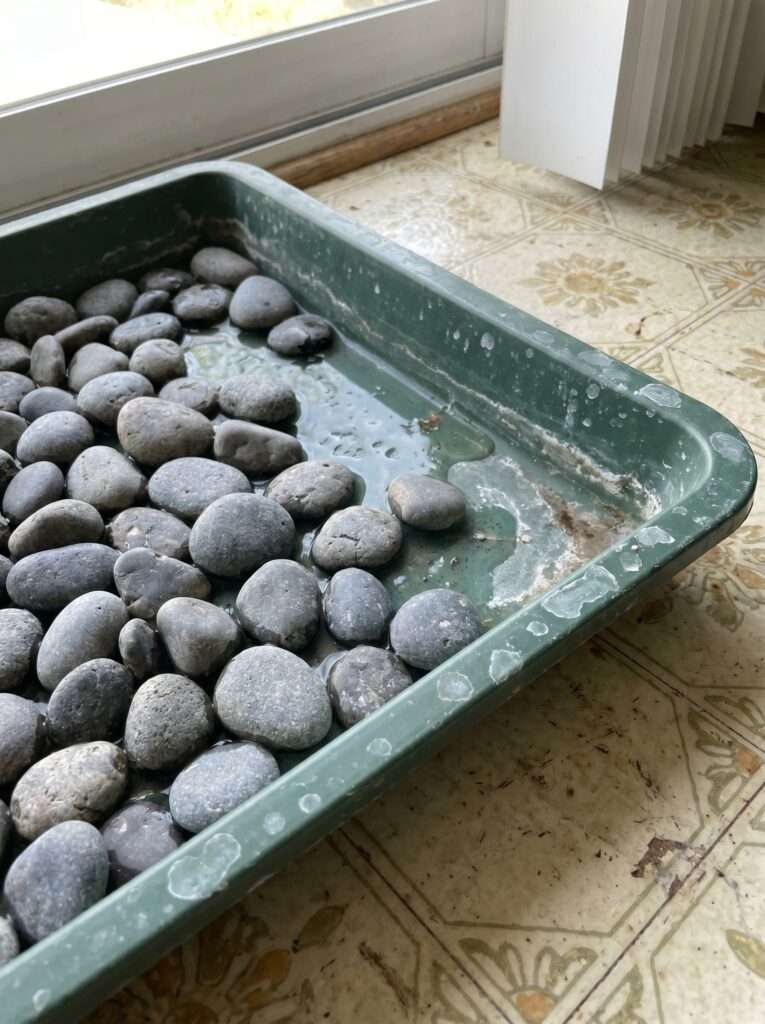
Another classic piece of advice is the pebble tray method. You take a shallow dish, fill it with small rocks, pour water in, and set your plant pot right on top. The idea is that as the water evaporates, it rises up directly into the plant’s root zone and leaves.
Does it work? Yes, but only a tiny bit. It might bump the humidity up by about 3% to 5% right around the base of the pot. It’s not going to save a delicate humidity-loving plant in the dead of January, but it’s a great supplemental trick for intermediate plants like Pothos or Philodendrons.
Here’s where most people go wrong: they fill the tray with too much water. If the bottom of your nursery pot is sitting directly in the water, the soil will suck that moisture up like a sponge.
Before you know it, the roots are suffocating in stagnant water, which leads directly to root rot. If you’ve ever dealt with mushy stems, you might want to look at how to handle a root rot recovery before trying to fix your air moisture levels. Keep the water level just below the top of the pebbles.
Humidifiers: The Only Real Game Changer
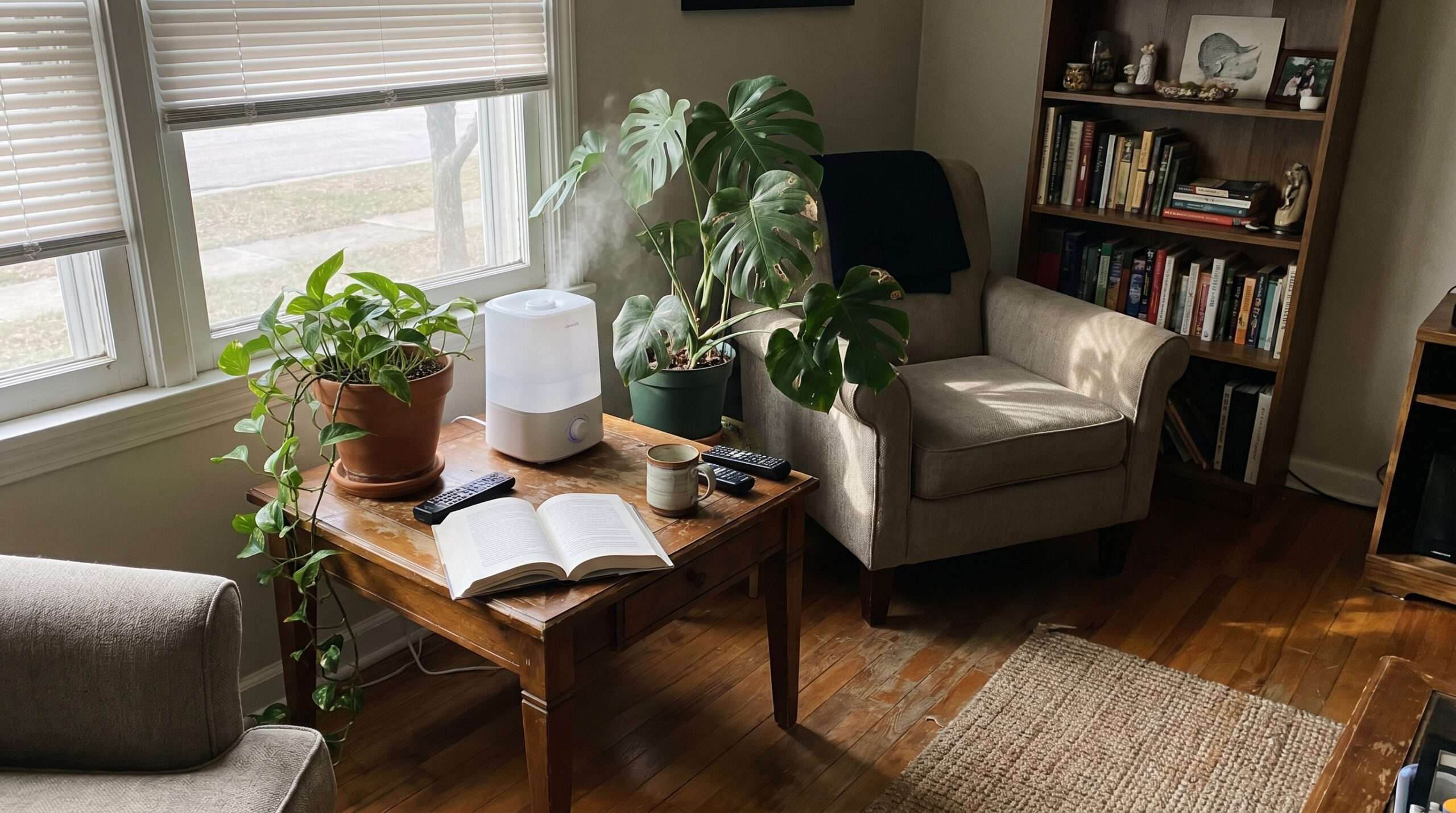
If you are serious about keeping things like Alocasias, Calatheas, or orchids alive in a dry climate, you need a mechanical humidifier. There is simply no way around it.
I resisted buying one for years because I didn’t want an ugly, loud plastic machine humming in my bedroom or living room. But once I finally cracked and bought a basic ultrasonic humidifier, my plants completely transformed within a week. New leaves started popping out without getting stuck, and the crispy edges stopped progressing.
Most gardening blogs never mention this, but the type of water you put in your humidifier matters immensely if you have sensitive plants. If you live in an area with hard tap water, an ultrasonic humidifier will blast those minerals right into the air.
You’ll end up with a fine white dust coating your furniture, your TV screen, and ironically, your plant leaves. That mineral crust can actually clog the pores on your plant’s leaves, making it harder for them to breathe.
If you have hard water, stick to an evaporative humidifier (the kind with a paper wick filter) or commit to using distilled water or rainwater in your ultrasonic machine.
I personally use a top-fill cool mist humidifier that holds about six liters of water. It runs for a full 24 hours on a low setting before needing a refill, which saves my sanity during busy work weeks.
Location Hacks: Utilizing Your Home’s Hidden Wet Zones
If you don’t want to run a machine constantly, you have to get smart about where you place your green collection. The average American home has two rooms that are naturally much more humid than the rest of the house: the bathroom and the kitchen.
Every time you take a hot shower, wash dishes, or boil a pot of pasta, you are pumping pure steam into the air. My bathroom window sill is where I banish my most dramatic, crispy-prone plants. They absolutely love the steam from the morning shower.
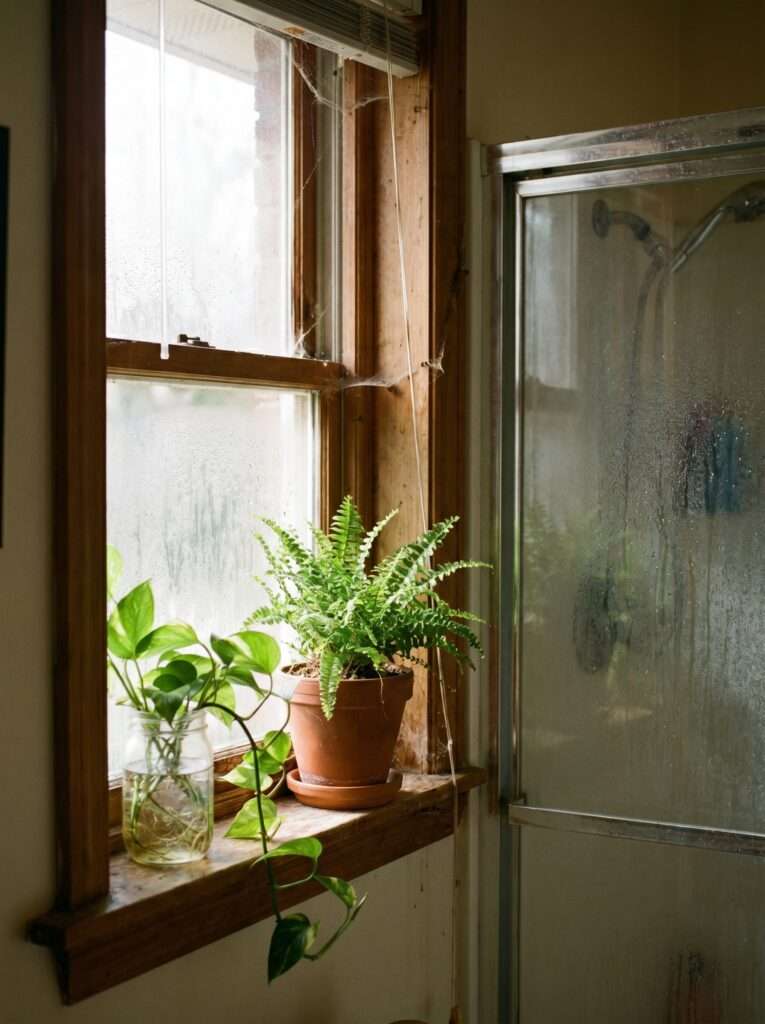
But you have to be careful with light. A lot of bathrooms have tiny, frosted windows that let in almost no usable sunlight. A tropical plant needs bright, indirect light to process moisture properly.
If your bathroom looks like a dark cave, putting a plant in there just for the humidity will cause it to rot or become incredibly leggy and weak. If you find yourself struggling to find the right balance for your home environment, you might want to check out these ideas on unkillable houseplant lists that can tolerate tricky indoor settings.
Step-by-Step: Setting Up a Low-Tech Microclimate Zone
If you want to boost the humidity for a specific group of plants without spending a fortune or running cords across your floor, setting up a dedicated microclimate tray system is your best bet. This is the exact setup I use for my propagation cuttings and baby tropicals.
What You’ll Need:
- A long, shallow plastic boot tray or seed tray (without drainage holes)
- A 5-pound bag of smooth pea gravel or river stones
- A cheap digital hygrometer (to measure actual humidity)
- Your collection of moisture-loving plants
Step 1: Prep the Base
Wash your tray thoroughly to remove any manufacturing oils. Pour your pea gravel into the tray and spread it out until you have an even layer that is about an inch deep.
Step 2: Add the Water Carefully
Slowly pour water over the rocks. Stop pouring when the water level is about a quarter-inch below the surface of the stones. The tops of the rocks must remain completely dry.
Step 3: Arrange by Height
Place your tallest plants in the center of the tray and cluster the smaller ones around them. The taller foliage will help trap the rising water vapor, creating a dome of humid air around the shorter, more fragile plants below them.
Step 4: Monitor the Air
Place your digital hygrometer right in the middle of the plant leaves, not on the rocks. Check it after a few hours. You should see the local humidity around those plants sitting comfortably 10% to 15% higher than the rest of your room. Top off the water once a week as it evaporates.
Budgeting for Plant Hydration (Real US Prices)
Keeping your plants happy shouldn’t mean breaking the bank. Over the years, I’ve bought the expensive gadgets and the dirt-cheap ones, and honestly, the mid-tier stuff works perfectly fine. Here is a realistic breakdown of what you can expect to spend in typical US stores:
| Item | Low-End Estimate | High-End Estimate | My Recommendation |
| Cool Mist Humidifier (4L – 6L) | $25.00 | $80.00 | Go for a $35 top-fill model for easy cleaning. |
| Digital Hygrometer (2-pack) | $8.00 | $20.00 | The cheap $9 ones on Amazon are incredibly accurate. |
| Plastic Boot/Seed Trays | $5.00 | $15.00 | Check the hardware aisle, not the garden center. |
| Bag of Pea Gravel (0.5 cu ft) | $6.00 | $12.00 | Local big-box hardware stores sell these dirt cheap. |
| Distilled Water (per gallon) | $1.20 | $2.00 | Use rainwater if you can to keep this cost at zero. |
If you can save money on your indoor setup, it leaves you with more room in your budget for other areas of your home. For instance, I managed to do a full budget landscaping front yard makeover for under a hundred bucks just by being smart about materials. The same mindset applies indoors.
Mistakes I Made (So You Don’t Have To)
I’ve killed a lot of green things over nearly two decades, and almost all of those losses came down to trying too hard or over-correcting a problem. Here are the biggest blunders I made when trying to tackle dry indoor air.
The Terrarium Death Trap
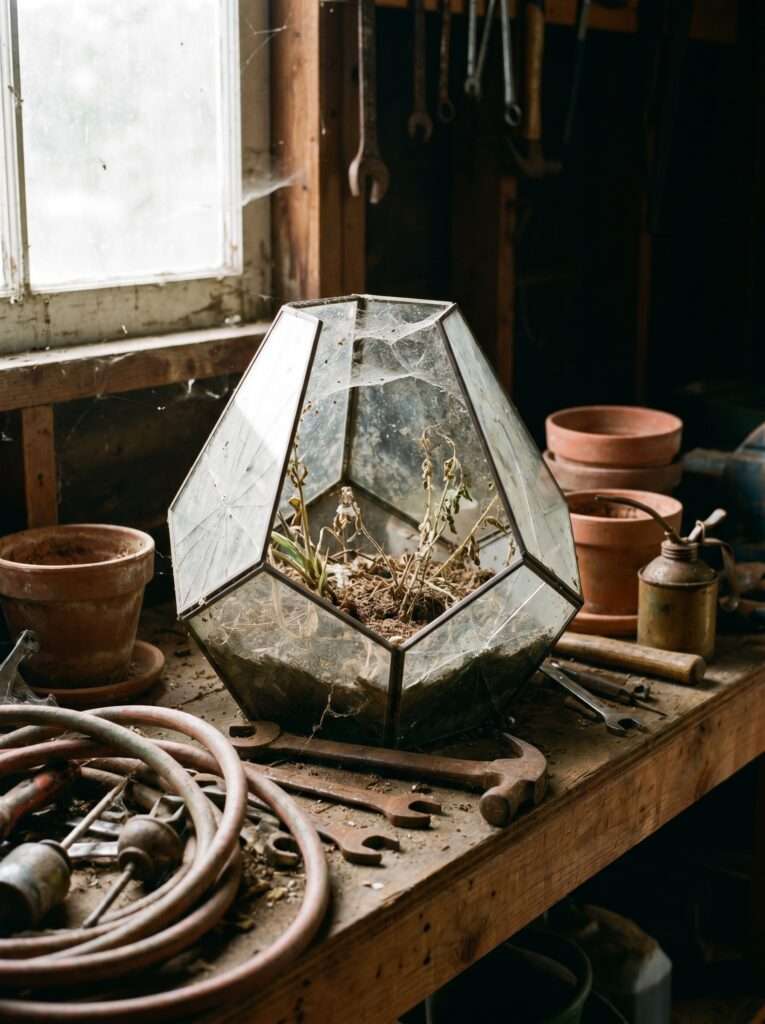
When I first struggled with dry air, I bought a beautiful glass geometric terrarium, stuffed a bunch of high-humidity tropical plants inside, and closed the hatch. Within two weeks, it turned into a moldy, mushy swamp.
Without proper ventilation, high humidity just creates a breeding ground for fungus. If you use glass enclosures, you need an open top or a tiny computer fan to keep the air moving.
The Direct Vent Placement
One winter, I noticed my favorite Calathea looking a bit sad, so I moved it to a prominent shelf where it would get great light. What I didn’t realize was that the shelf was directly above a floor heating vent.
Every time the furnace kicked on, it blasted hot, bone-dry air straight up at the root system and under the leaves. It practically toasted the poor plant over the weekend. Always look up and down to check for vents before placing a pot.
The Overwatering Trap
This is the most common mistake intermediate gardeners make. When they see crispy, dry leaf tips, their first instinct is to grab the watering can and drench the soil.
But if the issue is dry air, adding more water to the soil won’t help. The roots can only absorb so much. If the soil stays constantly waterlogged because you’re trying to cure dry leaf tips, you’ll end up drowning the plant entirely.
Advanced Tactics: Greenhouse Cabinets and Plastic Covers
If you’ve graduated past basic Pothos and you’re starting to collect rare Anthuriums or delicate Rex Begonias, standard room humidifiers might not cut it anymore. That’s when you have to start looking at enclosing the environment completely.
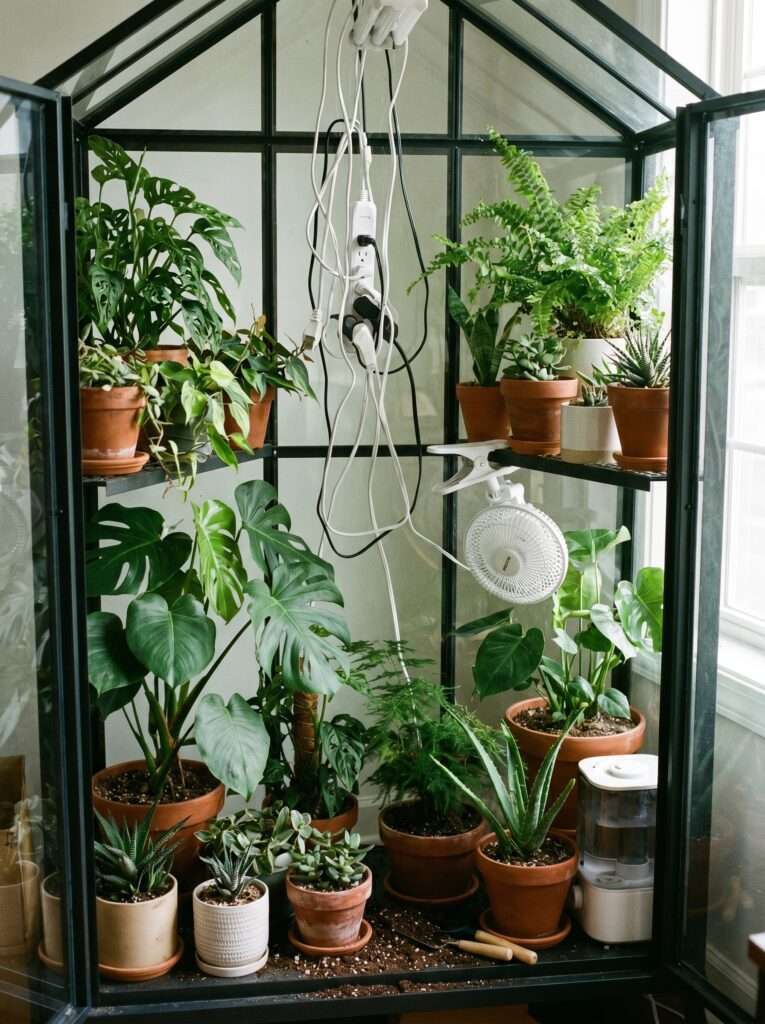
A huge trend right now in the US indoor gardening scene is converting old glass display cabinets (like those popular Swedish metal and glass ones) into indoor greenhouses.
By adding weather stripping to the glass doors, installing some cheap LED grow lights, and adding a few small USB fans, you can create an environment that stays at a steady 85% humidity year-round without getting your living room walls damp.
If you don’t want to buy a whole cabinet, you can use the cheap plastic storage bin trick. I take clear, 60-quart plastic storage tubs from the local big-box store, flip them upside down over my most dramatic plants, or use them as propagation boxes.
It looks a little white-trash in the middle of a nice living room, admittedly, but it works like an absolute charm when a plant is in critical condition and needs an emergency humidity chamber to recover.
Dealing with the Winter Drop-Off
Depending on where you live in the United States, your seasonal shifts are going to dictate your indoor humidity routine. In the Northeast and Midwest, winter is the true danger zone. Your heating system will dry out the air to an extreme degree.
During these months, I pull all my tropical plants back from cold, drafty window panes. The combination of freezing glass and dry indoor air will shock the root systems of tropical species.
I pack them tighter together in the winter, crank up the humidifier, and significantly scale back on my watering schedule since plants grow slower in the winter anyway.
On the flip side, if you are living in the South or parts of the East Coast, your summers might be naturally humid enough that you don’t need to do anything at all during the warmer months.
In fact, if you move your house plants out onto a shaded porch during a humid Georgia or Virginia summer, they will grow like absolute weeds. Just keep an eye out for outdoor pests before you bring them back inside when the autumn chill hits.
Speaking of outdoor transitions, if you do ever decide to move some of your gardening efforts outside, you quickly realize you have to deal with a whole different set of problems than just humidity. For example, my outdoor beds required a lot of learning when it came to suburban deer proofing tips just to keep my hostas from being eaten to the ground overnight.
The Hard Truth About Certain Plants
Look, I love a challenge, but after nearly twenty years of doing this, I’ve learned that life is too short to fight with plants that refuse to adapt to human homes.
Some varieties, like the infamous Fittonia (Nerve Plant) or certain maidenhair ferns, will throw a tantrum and drop dead if the humidity dips below 50% for even an hour.
If you don’t want to run machines or spend your weekends checking water trays, save yourself the stress and stick to tropicals that have thicker, waxy leaves.
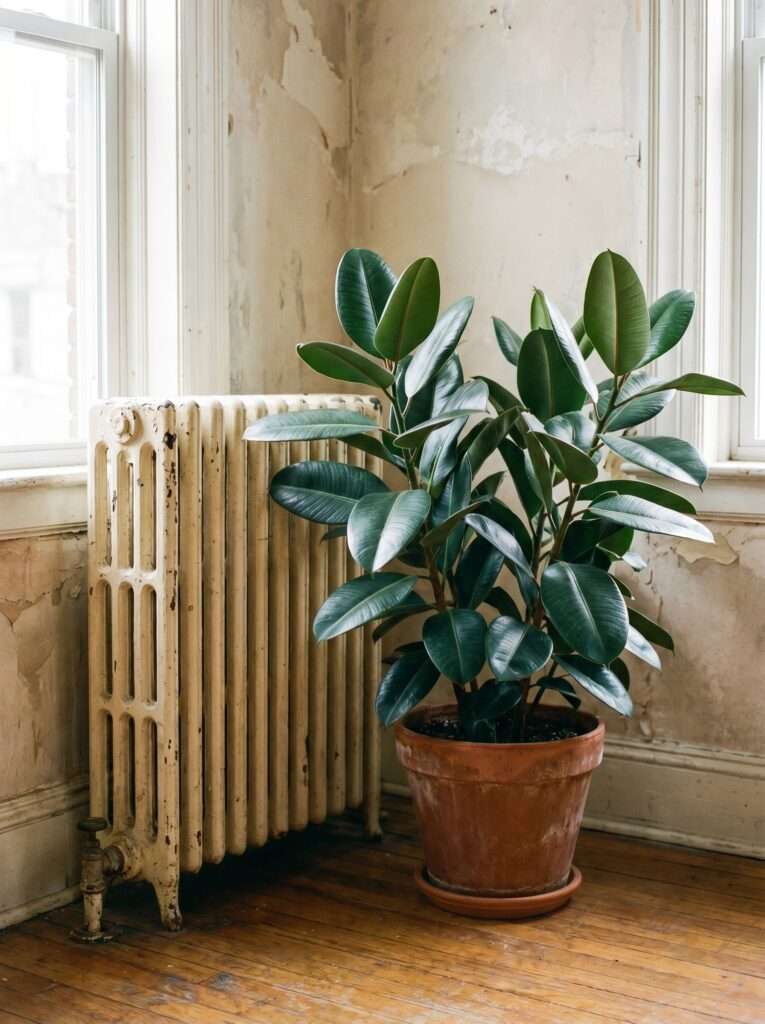
Plants like the ZZ Plant, Snake Plants, Rubber Trees, and most Hoya varieties have evolved to store water efficiently and thick cuticles on their leaves that prevent moisture loss. They will happily tolerate the dry air of a standard US home without a single complaint.
At the end of the day, indoor gardening should be a relaxing hobby, not a source of constant anxiety. If a plant dies because your house is too dry, it’s not a personal failure. It just means that specific plant wasn’t a good match for your home’s ecosystem. Swap it out for something sturdier and keep going.
How to Handle Summer AC Dryness
Most people expect the winter furnace to be the main culprit, but central air conditioning during a hot July can dry out a house surprisingly fast too. Air conditioners work by pulling moisture out of the air to make the heat more bearable for humans.
If you live in a climate where the AC runs 24/7, your plants are facing a constant draft of chilled, dry air. Never place a tropical plant directly under or opposite an air conditioning vent where the cold breeze hits the foliage.
I’ve seen entire sides of a Ficus tree drop their leaves because they were sitting in the direct path of an AC blast. Keep them in the corners of the room where the air circulates naturally but gently.
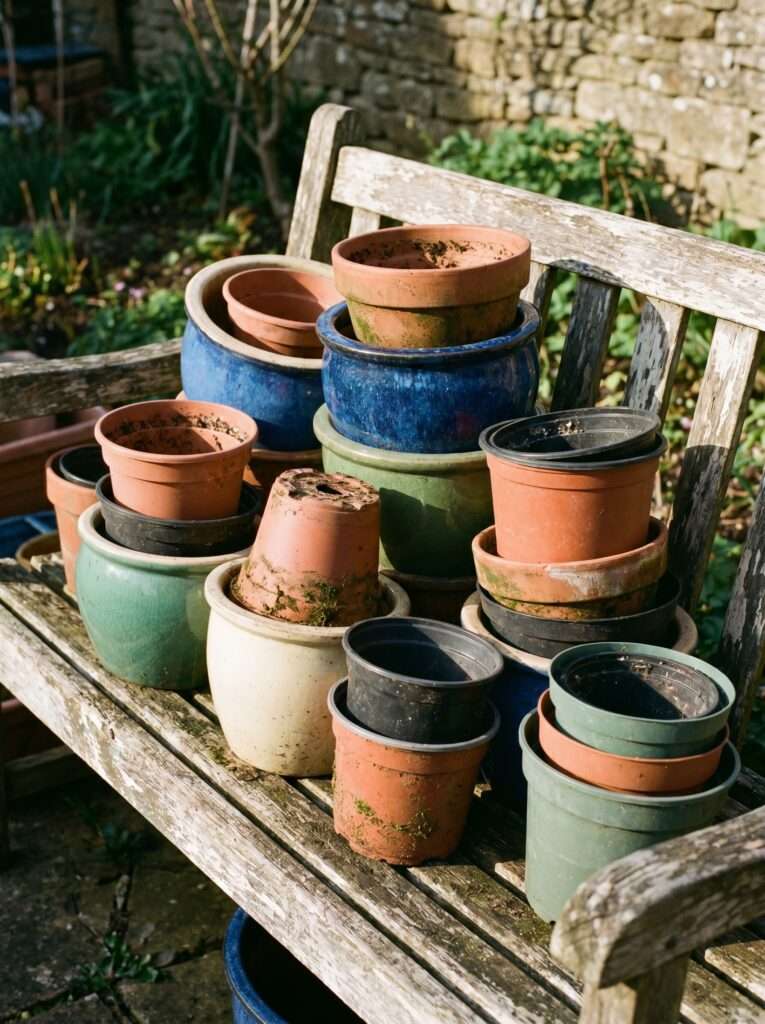
If you notice your plants are drying out too fast in the summer, you might want to consider using plastic or ceramic pots instead of traditional unglazed terracotta. Terracotta is highly porous and allows water to evaporate through the sides of the pot.
While that’s great for preventing overwatering in succulents, it can dry out the root zones of tropical plants far too quickly in a dry, air-conditioned room. Switching to a sealed ceramic or plastic pot helps retain that precious root moisture much longer.
The Role of Proper Airflow
While we talk a lot about trapping moisture, you can’t forget about airflow. In a truly stagnant room where the humidity is high, you are practically begging for fungal issues like powdery mildew or gray mold to settle on your leaves.
In a real tropical jungle, there is always a light breeze moving through the canopy. I keep a tiny, low-voltage personal fan running on the lowest setting in my main plant room.
You don’t want the fan blowing directly onto the plants like a windstorm—that will just dry them out faster. Instead, point the fan at a blank wall or the ceiling just to keep the air mass in the room slowly rotating. This simple trick prevents stagnant pockets of wet air from sitting on delicate leaves and causing spot rot.
If you ever decide to expand your plant hobbies into producing things you can actually eat or use, understanding these little environmental balances makes a massive difference.
For instance, when I started transitioning some of my focus toward learning how to dry and store herbs, I realized that managing airflow and ambient moisture was just as critical for preservation as it was for keeping my indoor tropicals thriving during the winter months.
Once you get a handle on how air, moisture, and temperature interact in your specific home, managing your indoor garden becomes second nature. You won’t need to hover over your pots every day with a spray bottle or worry yourself to death every time the weather changes outside.
FAQ
Yes, absolutely. Any standard cool mist or warm mist humidifier built for human comfort works perfectly for plants. You don’t need a special, expensive “plant humidifier” to get the job done.
For most common houseplants like Pothos, Philodendrons, and Monsteras, 40% is the sweet spot where they will survive and grow reasonably well. Rare or highly variegated tropicals usually prefer it closer to 60%.
Cool mist is generally safer and cheaper to run. Warm mist humidifiers use a heating element that can actually boil the water, and if placed too close to a plant, the hot steam can literally cook the leaves.
If you start seeing fuzzy white mold growing on top of your potting soil, or if your windows are constantly covered in thick condensation, your indoor humidity is too high. Dial it back to protect your walls and your health.
Yes, through a process called transpiration, plants release water vapor through their leaves. Clustering them together creates a localized zone of higher moisture that benefits the whole group.
If your water is soft, yes. If you have hard water, the minerals will create a fine white dust that covers your room and can clog your plant’s leaf pores. Use distilled water or an evaporative humidifier instead.
Once you understand the basics of how indoor air works, keeping your tropical collection thriving in a dry climate gets much easier. It’s all about finding the right balance between tech, location, and choosing the right plants for your home’s natural environment.
Most advice in this article comes from personal gardening experience over the years. Results can vary slightly depending on your specific regional climate, home heating setup, soil mixes, and individual indoor growing conditions.

Aagam – Founder of SpruceTouch
Hi, I’m Aagam — the creator behind SpruceTouch. I’m a home and garden enthusiast who shares practical ideas for backyard design, garden projects, patio decor, and small outdoor spaces. Through SpruceTouch, I focus on simple and budget-friendly ways to improve outdoor living spaces.