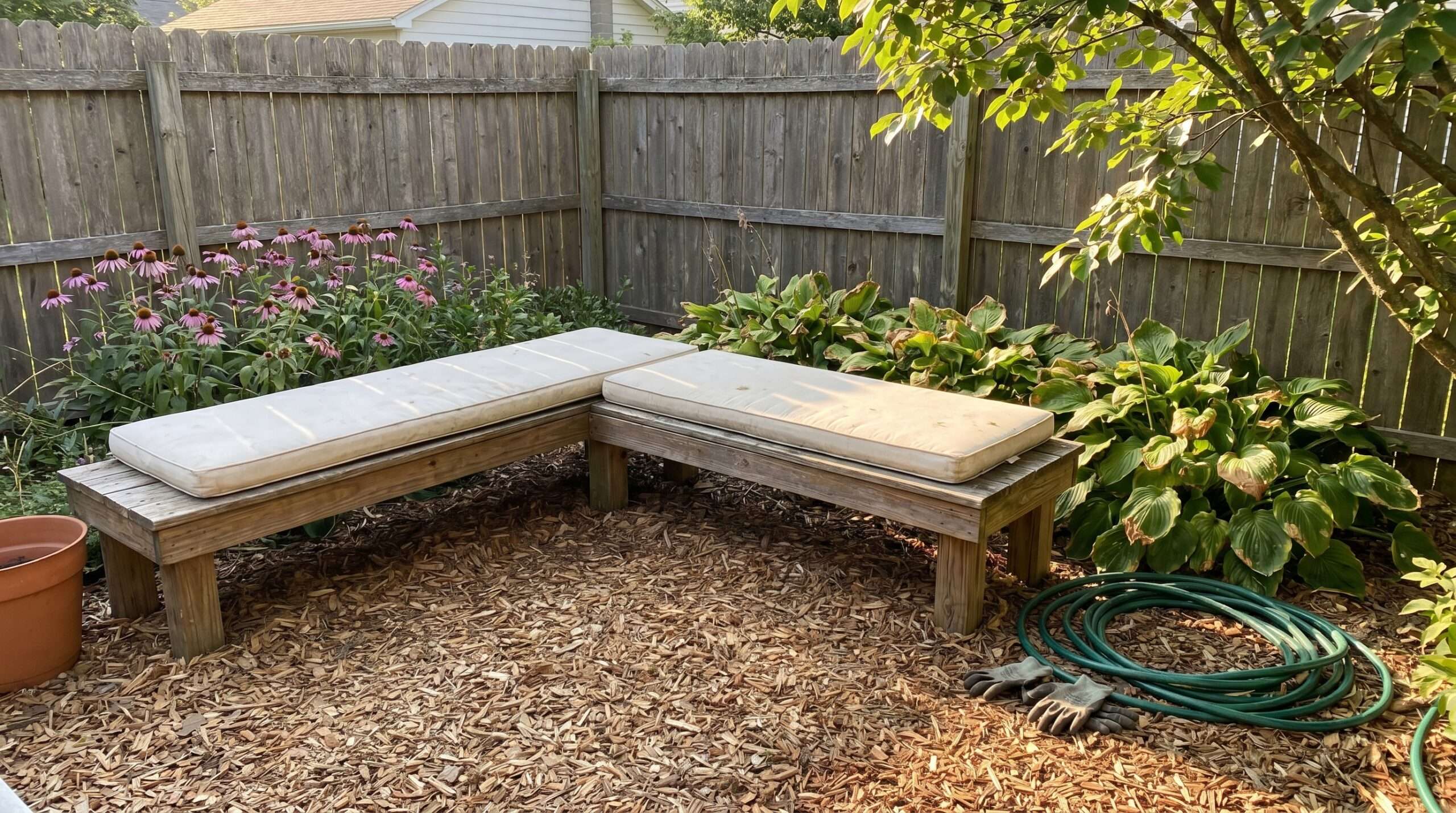
17 Cozy Seating Nooks: Build your dream garden corner in one weekend.
I spent years thinking a great garden meant focusing entirely on the center lawn and the main flower beds. I threw money at big perennial borders, kept the grass perfectly manicured, and yet, the yard felt completely uninviting. It was just a big open space with nowhere to actually sit, breathe, and enjoy the dirt under my fingernails.
The real turning point came when I stopped looking at my yard as one big project and started looking at the forgotten, awkward corners. I’m talking about that weird shady spot behind the tool shed where only weeds grew, and the narrow strip along the fence line that felt totally useless.
Once I started building small, dedicated seating spaces, the entire energy of the backyard changed. You don’t need thousands of dollars or a crew of contractors to make this happen; most of these setups can be put together over a single Saturday and Sunday with things you probably already have lying around.
A few of these ideas honestly worked much better than I expected, while others taught me some funny, frustrating lessons about wind, mud, and mosquito placement. Let’s dive into the setups that actually made my yard feel like a home.
Quick Picks (Top 5)
If you’re short on time or just want to get something set up before Sunday evening, here is the quick breakdown of my personal favorites:
- The absolute easiest: The Tree Hugger Bench (takes about an hour if you buy a pre-made semi-circle).
- Best for tight budgets: The Salvaged Pallet Daybed (mostly free wood and old cushions).
- Most peaceful spot: The Hidden Fern Grotto (perfect for the damp, dark side of your house).
- Highest visual impact: The Cattle Panel Arched Arbor (looks like a million bucks, costs under fifty).
- Greatest privacy win: The Chevron Lattice Screen Corner.
17 Cozy Seating Nooks You Can Build This Weekend
1. The Pea Gravel Fire Pit Corner
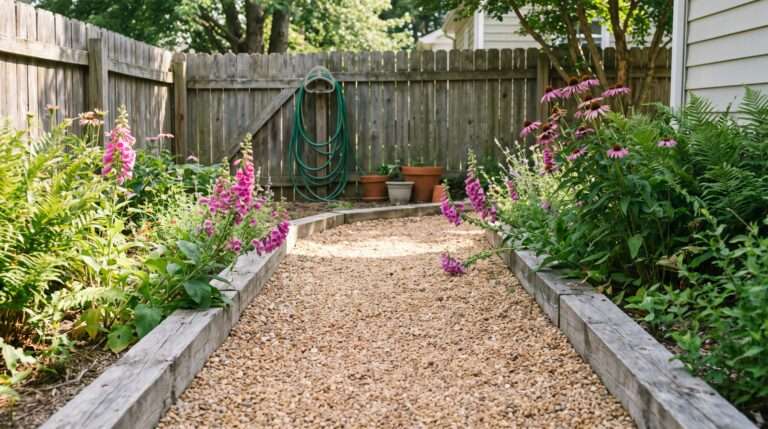
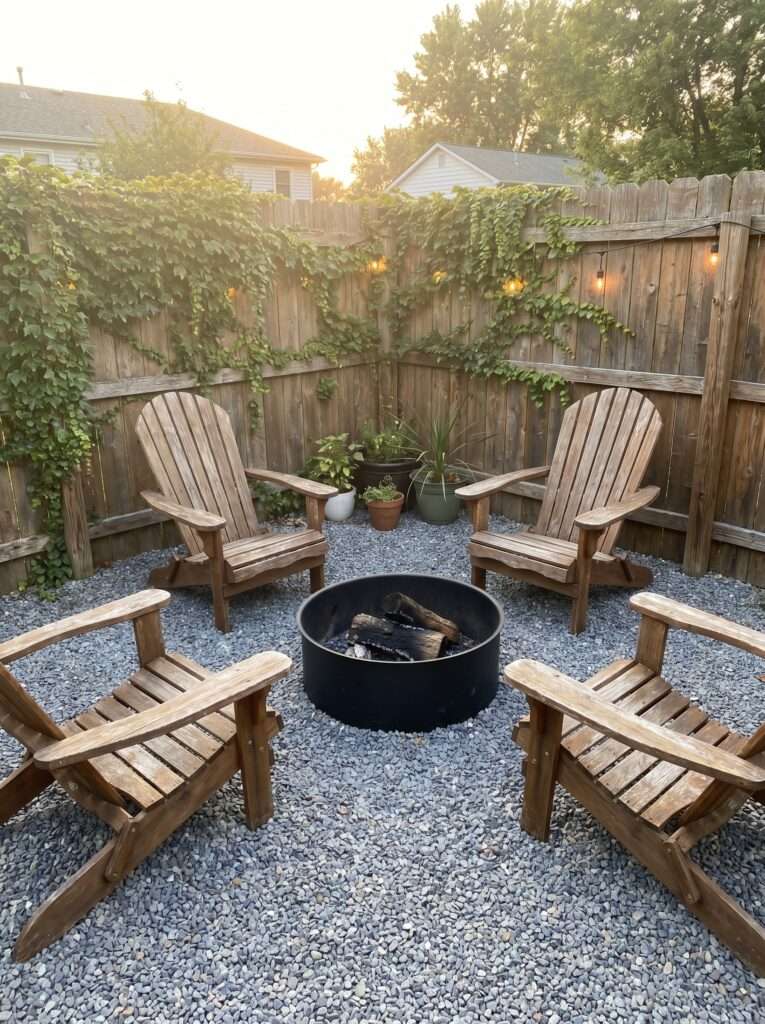
There is something incredibly grounding about the crunch of pea gravel under your boots. I had a rough, sloped patch near my back fence line that refused to grow decent grass. Instead of fighting it with more fertilizer, I dug down about two inches, laid down thick woven landscape fabric, and dumped twenty bags of cheap pea gravel.
I set a basic metal fire ring in the middle and arranged four classic wooden Adirondack chairs around it. The trick here is extending the gravel border about two feet wider than you think you need. It gives the chairs plenty of room to slide back without slipping into the lawn, making the whole nook feel intentional and anchored.
2. The Cattle Panel Arched Arbor
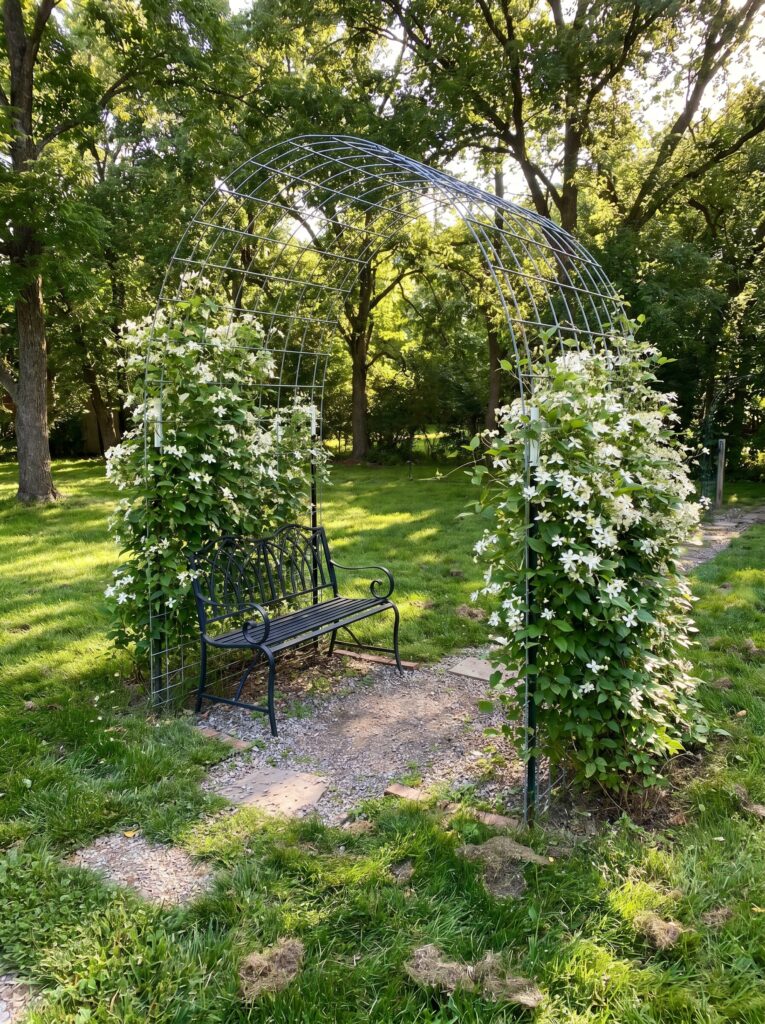
If you haven’t discovered cattle panels from the local feed store yet, you are missing out on the ultimate gardening cheat code. They are sixteen feet long, made of thick galvanized wire, and cost next to nothing. I bent one into a high arching loop between four heavy wooden T-posts driven deep into the dirt.
Underneath the arch, I placed a simple two-seater iron bench. I planted some fast-growing vines at the base, and within a single season, the metal framework practically disappeared under a blanket of green. Sitting inside it feels like being tucked away in a secret green tunnel, entirely cut off from the rest of the neighborhood.
3. The Hidden Fern Grotto
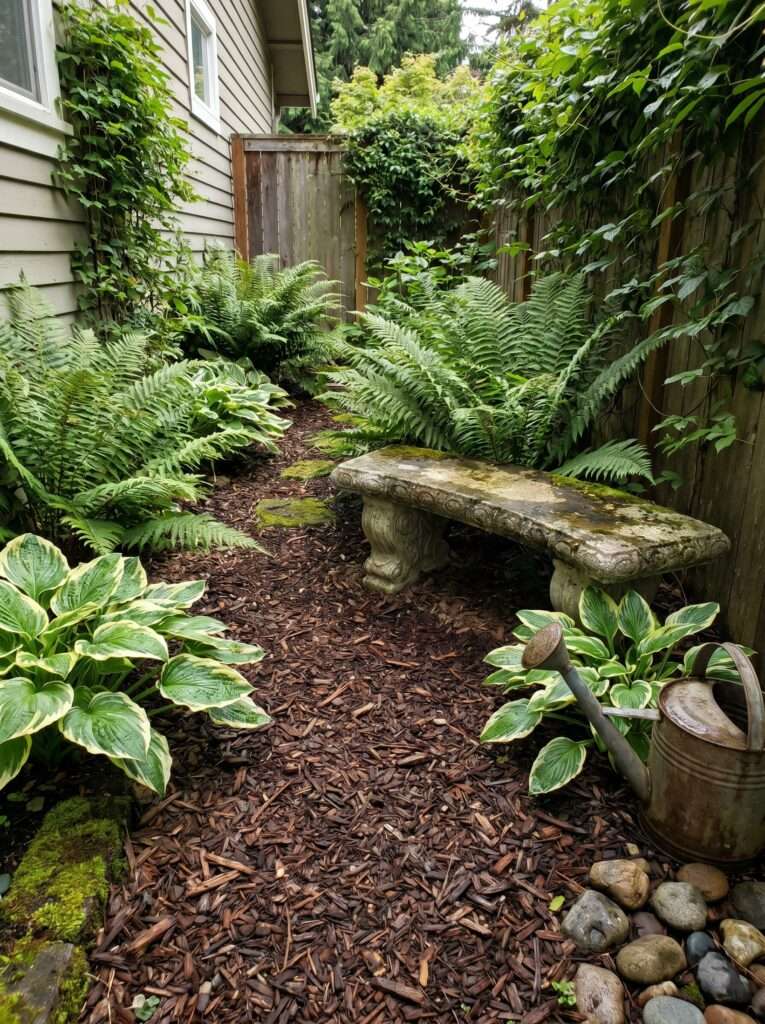
Most people despair over the deep, soggy shade on the north side of their home, but it’s actually the easiest place to build a sanctuary. I cleared out the old leaf litter, laid down some natural cedar mulch, and planted a thick border of ostrich ferns and hostas.
In the middle of all that lush greenery, I placed a heavy, moss-covered concrete bench. Because the soil stays naturally damp, the ferns thrive without any help from me, and the dense leaves swallow up the ambient street noise completely. It is easily the coolest spot in the yard during a blistering July afternoon.
But here’s the kicker: concrete gets incredibly cold and damp to sit on directly in the shade, so I always keep a vintage woolen throw blanket folded over the back.
4. The Chevron Lattice Privacy Screen
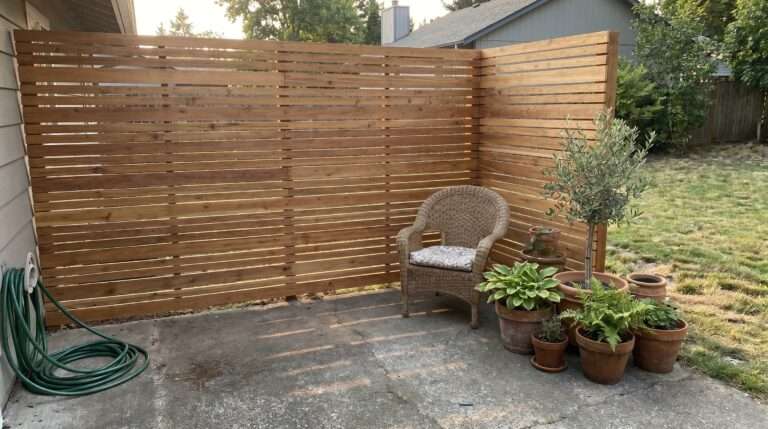
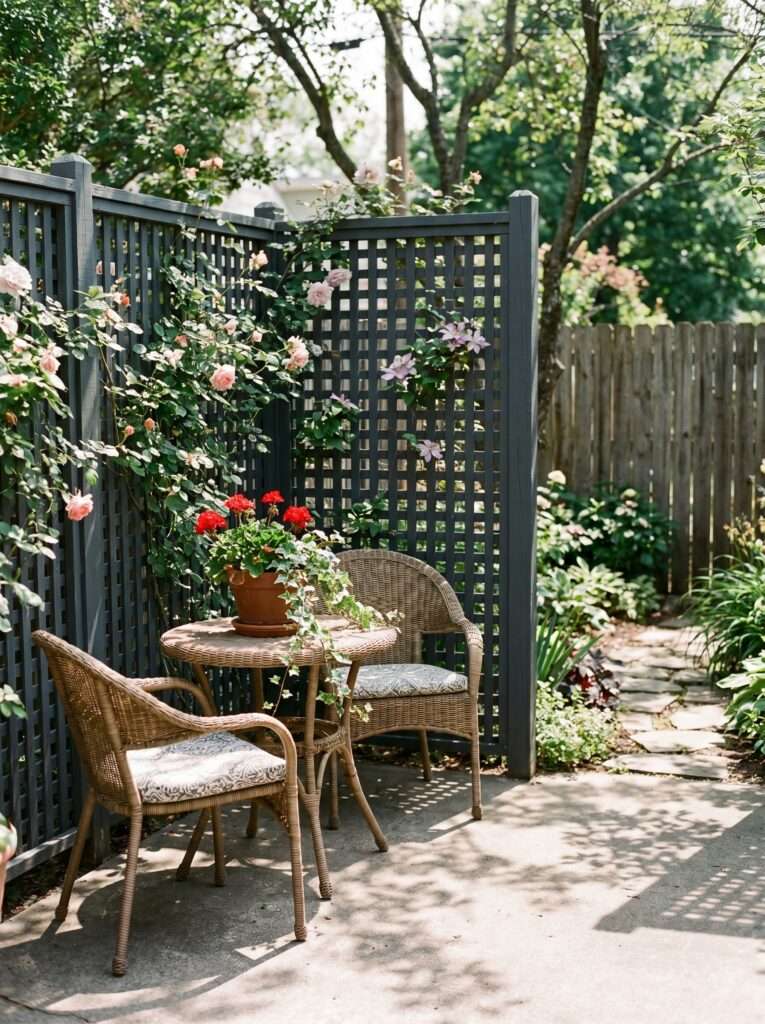
I have lovely neighbors, but I don’t always want to chat while I’m drinking my morning coffee in my pajamas. To fix this, I bought three standard wooden lattice panels from the hardware store and screwed them together to form a free-standing U-shape corner wrapper.
I painted the whole thing a deep charcoal gray to match my house trim and tucked a small wicker bistro set inside. The dark color makes the surrounding green foliage pop beautifully. It took less than three hours to assemble, and it instantly created a private oasis right on the edge of an exposed patio.
If you are dealing with a rental property and can’t sink posts into the dirt, you can find brilliant workarounds for this setup by looking through these ideas for a lush, temporary cottage garden that won’t lose your security deposit, which uses clever planter-weighted screen solutions.
5. The Overhanging Tree Hugger Bench
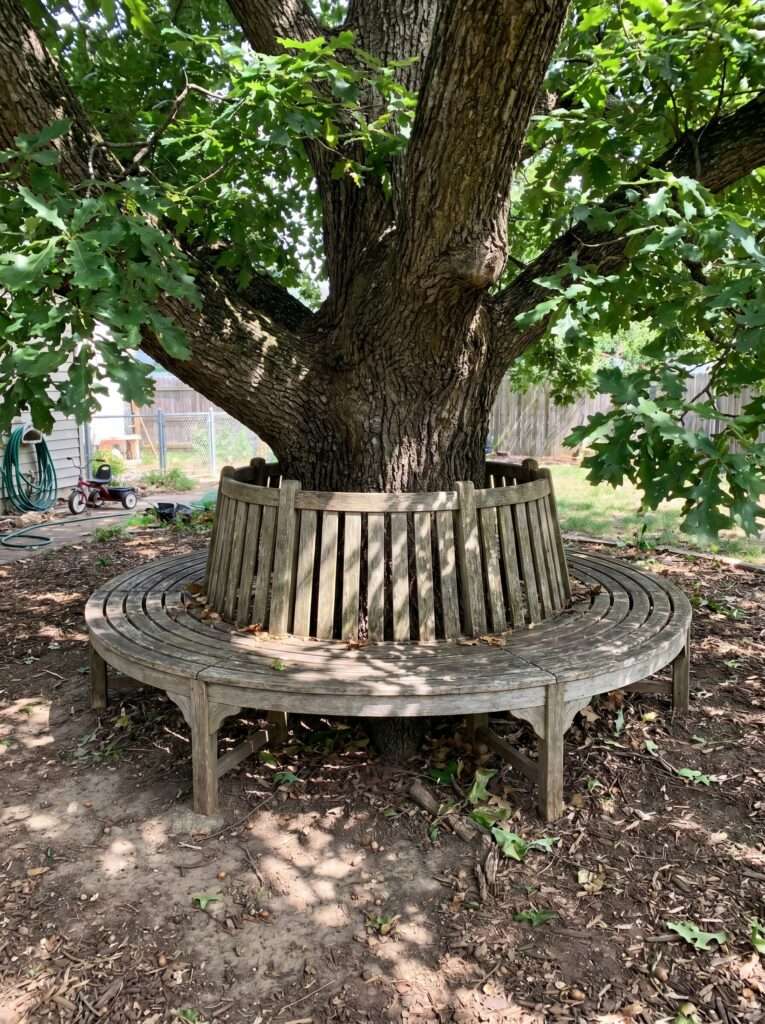
If you are lucky enough to have a mature oak or maple tree in your yard, stop trying to grow grass underneath it. The roots will always win that fight anyway. Instead, I built a simple, hexagonal wooden bench that wraps completely around the base of the trunk.
The natural canopy of the tree acts as a massive umbrella, protecting you from both the hot sun and light rain drizzles. It’s become my favorite spot to sit with a book, listening to the birds up in the branches directly over my head.
One thing most people ignore when putting furniture around trees is the trunk’s growth. Always leave a three-to-four-inch gap between the inner wooden framework of the bench and the bark to give the tree room to widen over the years.
6. The Salvaged Pallet Daybed
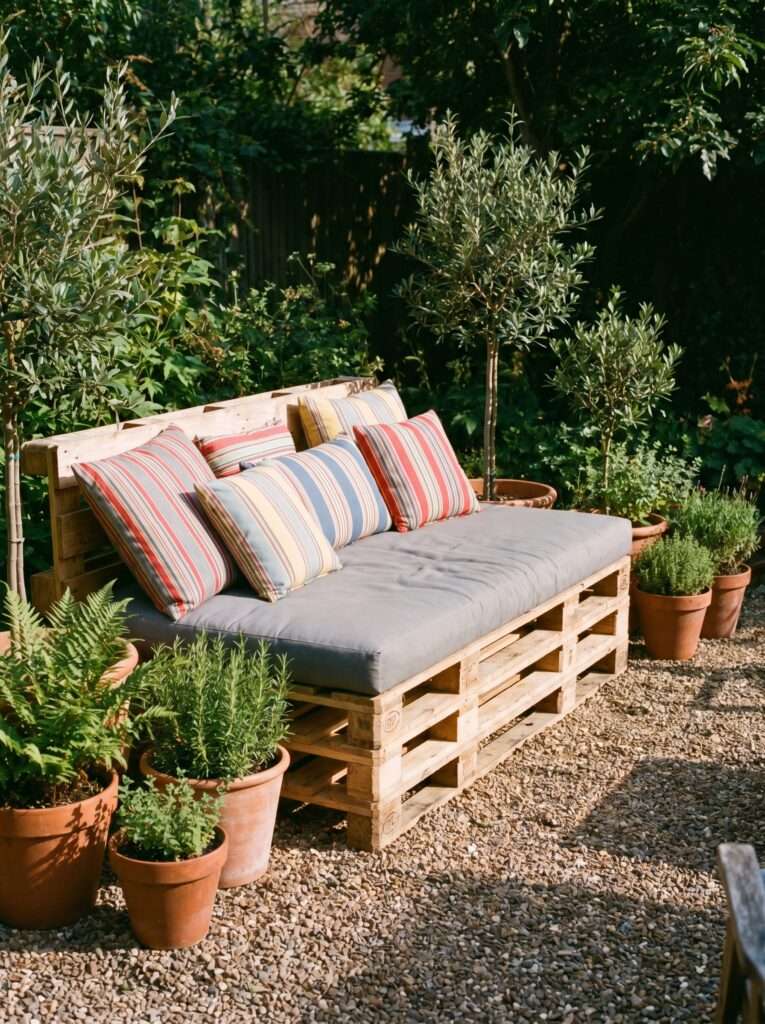
This was a pure budget experiment that turned into my teenager’s favorite spot in the entire garden. I sourced four clean, heat-treated shipping pallets for free from a local construction site, sanded down the roughest splinters, and stacked them two-high to create an L-shaped base.
I topped the pallets with an old twin mattress covered in a waterproof zippered vinyl sleeve, then threw a bunch of colorful outdoor throw pillows on top. It’s tucked deep under the shade of our pergola, creating a massive, low-profile daybed that is absolutely perfect for afternoon naps.
7. The Stock Tank Planter Perimeter
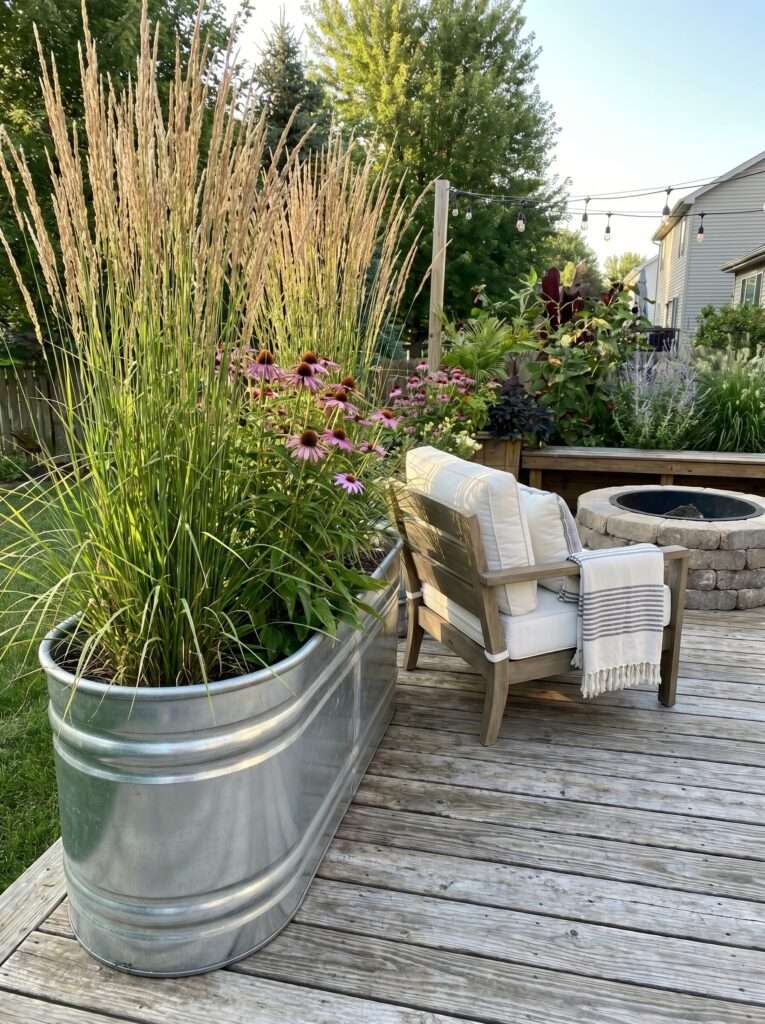
If your garden corner feels completely barren and open to the rest of the yard, you can create an instant sense of enclosure using galvanized stock tanks. I bought two eight-foot oval stock tanks, drilled drainage holes in the bottoms, and positioned them in an L-shape corner configuration.
Inside the angle of the tanks, I placed a comfortable cushioned armchair. I filled the stock tanks with a mix of tall ornamental grasses and native perennials. Sitting in the chair feels like being cradled inside a living, waving wall of blooms.
If you are wondering what exactly to plant in these large containers to attract the right kind of garden visitors, try incorporating some of these keystone plants for US wildlife and butterfly gardens to create a buzzing, living sanctuary right next to your seat.
8. The Flagstone Teardrop Solitude Spot
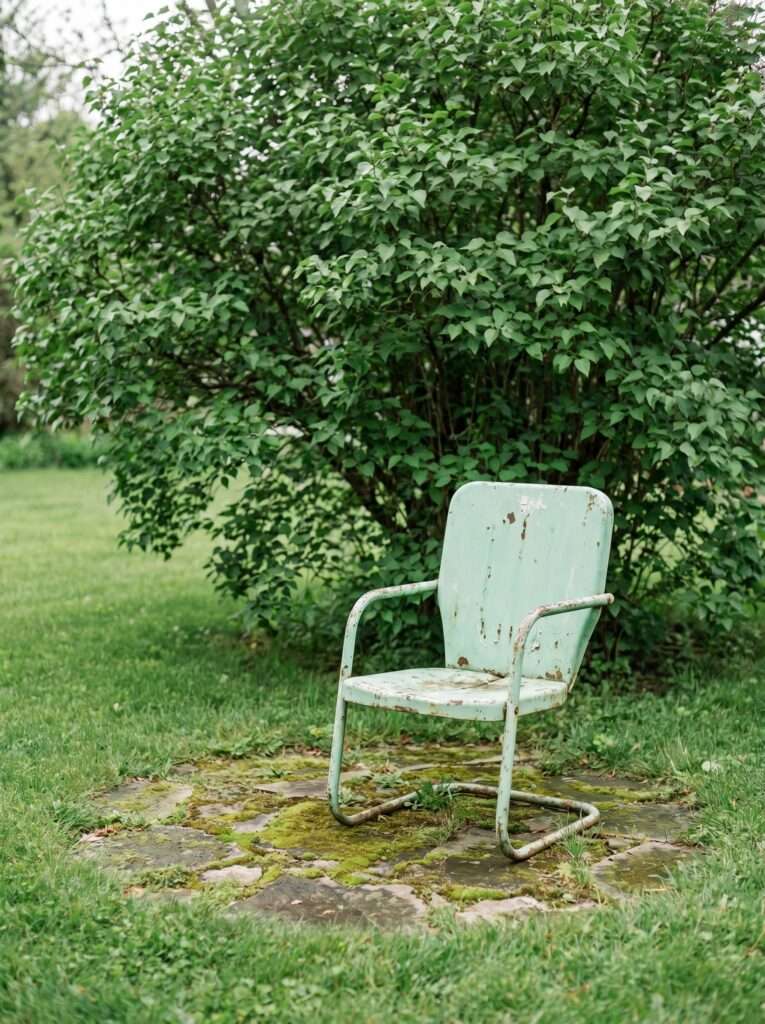
Sometimes you don’t want a big social space; you just want a single chair where you can escape everyone else. In the absolute furthest corner of my lot, behind a massive patch of lilacs, I laid down five large, irregular flagstone pavers directly into the sod, cutting around them with a spade so they sit flush with the lawn.
On top of this tiny stone island, I placed a single classic metal spring chair from the 1950s that I found at a flea market. It’s just big enough for one person and a cold drink.
I learned this the hard way: don’t bother mortaring the joints for a tiny pad like this. Just let the grass grow naturally between the flagstone gaps. It looks far more ancient and charming that way, and it takes a fraction of the physical effort to install.
9. The Overhead Festoon Canopy Corner
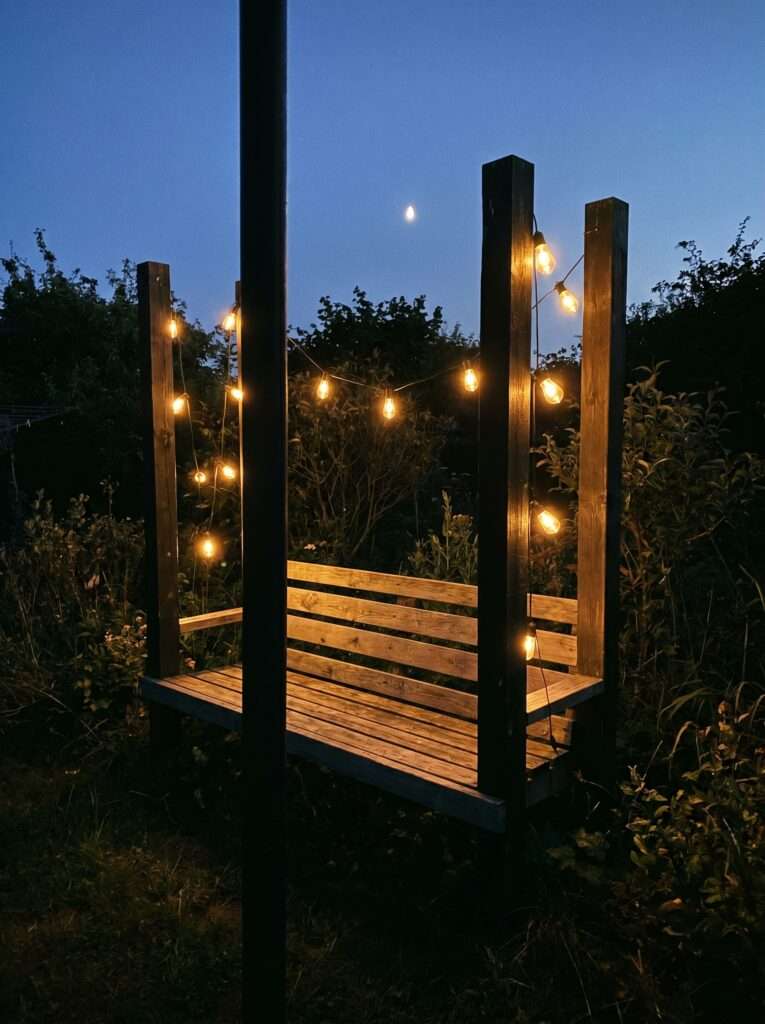
You don’t need a solid wooden roof over your head to make a corner feel like an actual room. I took four long wooden closet rods, stained them dark, and attached them securely to the corners of a basic wooden garden bench.
I then strung heavy-duty, outdoor-rated Edison bulb string lights back and forth across the top of the posts in a crisscross pattern. When twilight hits and you turn those warm bulbs on, the space instantly transforms from a simple bench into a high-end, intimate lounge space that feels completely detached from the main house.
The best part? It creates a distinct ceiling effect using nothing but wire and light, which makes the whole corner feel incredibly cozy without blocking the stars overhead.
What Actually Helped
When I first started building these seating spots, I kept putting them right against the house foundation walls because it felt safe and easy. But I realized those spots always felt cramped and exposed to the gutters and house noise. Moving the seating corners at least ten to fifteen feet away from the main building—deeper into the actual garden plants—instantly made them feel like true escapes rather than just an extension of the back porch.
10. The Brick Paver Rug Nook
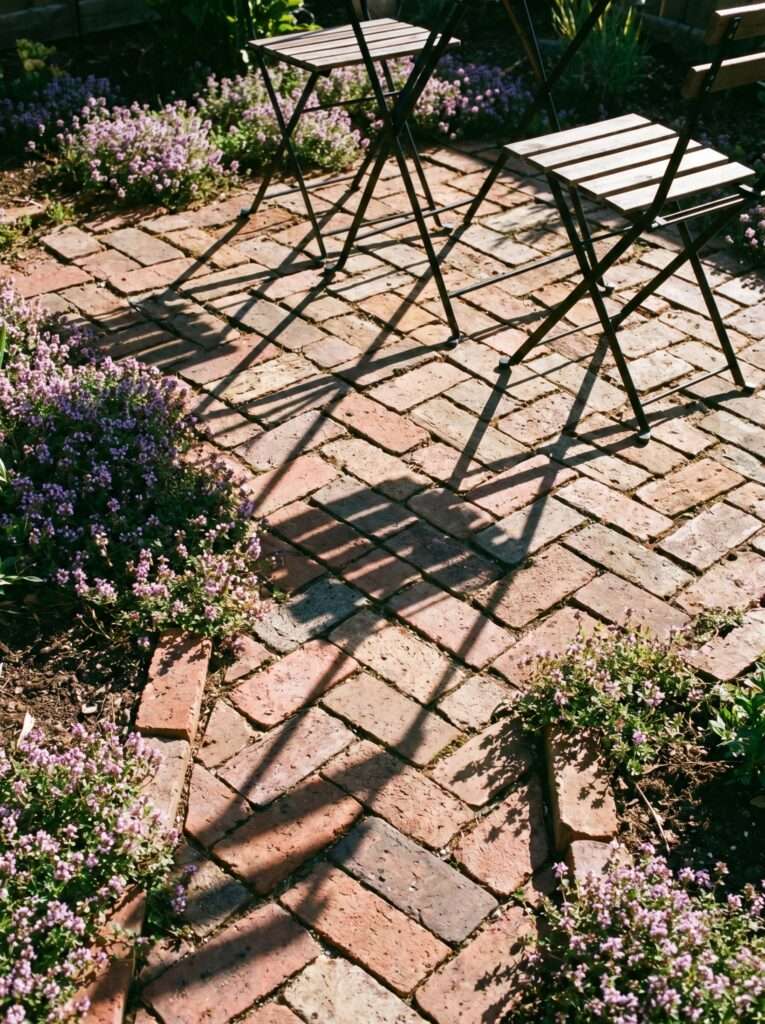
If you have a pile of leftover bricks from a previous house project gathering cobwebs behind your garage, this is the perfect way to upcycle them. I cleared a small eight-by-eight-foot square in a sunny corner of the yard, leveled the dirt with a hand tamper, laid down a thin bed of leveling sand, and arranged the old bricks in a classic herringbone pattern.
I didn’t bother using heavy equipment to cut the outer edges; I just let the perimeter stay slightly ragged and lined it with natural fieldstones. On top, I placed a pair of simple iron folding chairs and a small table. It looks exactly like an antique European courtyard hidden away in a modern suburban backyard.
11. The Fragrant Herb Border Retreat
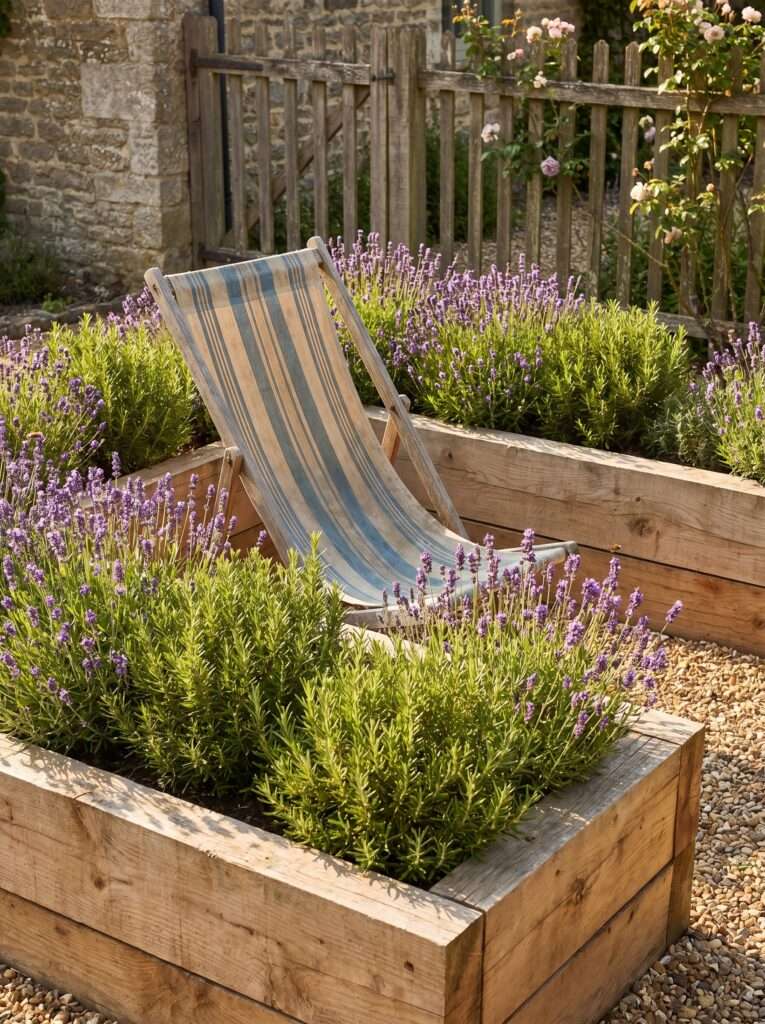
If you love spending long hours outside reading, try building your nook directly inside a raised bed filled with fragrant Mediterranean herbs. I built a U-shaped raised wooden planter box using basic cedar two-by-fours, leaving a wide gap right in the middle of the “U” for a comfortable canvas deck chair.
Inside the elevated planters, I filled every square inch with rosemary, English lavender, and various types of creeping thyme. Every single time you sit down, your elbows naturally brush against the plants, releasing an incredible wave of fresh, calming essential oils into the air around you.
But wait, there’s a catch: make sure your raised bed has incredible drainage. Mediterranean herbs absolutely hate having soggy roots, so mix plenty of coarse sand and perlite into your soil mix before planting anything.
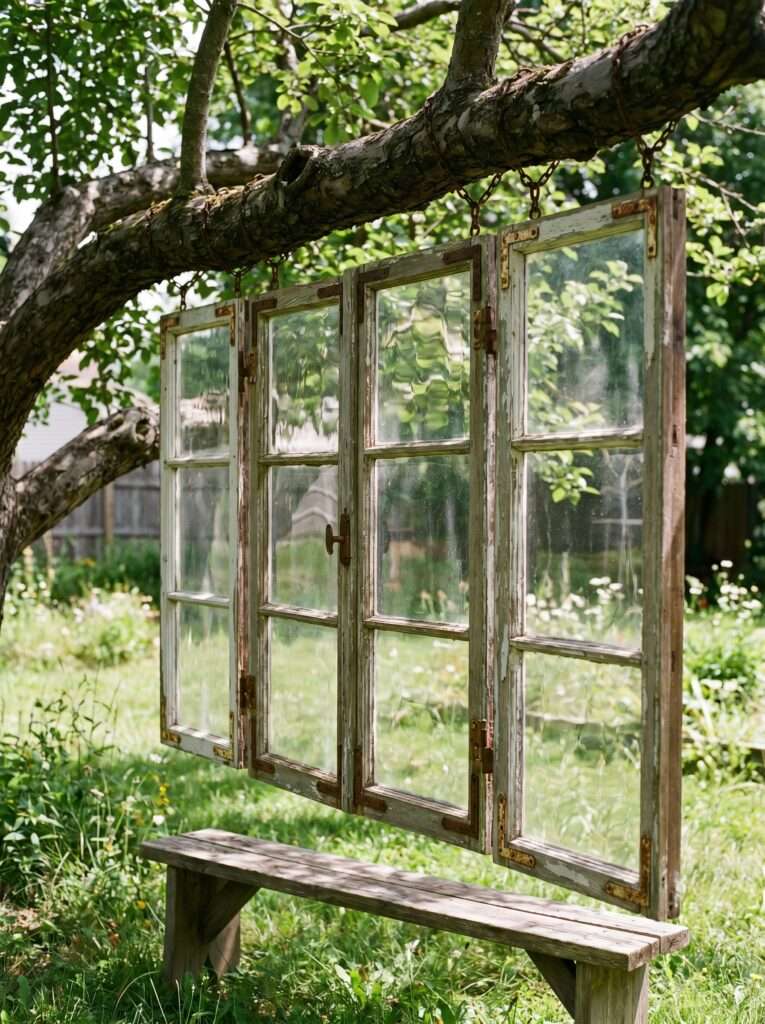
12. The Reclaimed Window Wall Nook
This is one of the most unique setups I’ve ever put together, and it cost almost nothing. I collected four old wooden window frames from a local architectural salvage yard, scrubbed down the old peeling paint, and chained them together vertically using small screw eyes and zinc hooks.
I hung this hanging glass wall from a sturdy tree branch right behind a low-slung wooden bench. The glass catches the afternoon light beautifully, blocking the cool evening breeze while still letting you look out across the rest of the open yard. It has a beautiful, old-fashioned greenhouse feel without the massive footprint or expense.
13. The Sunken Stone Lounge
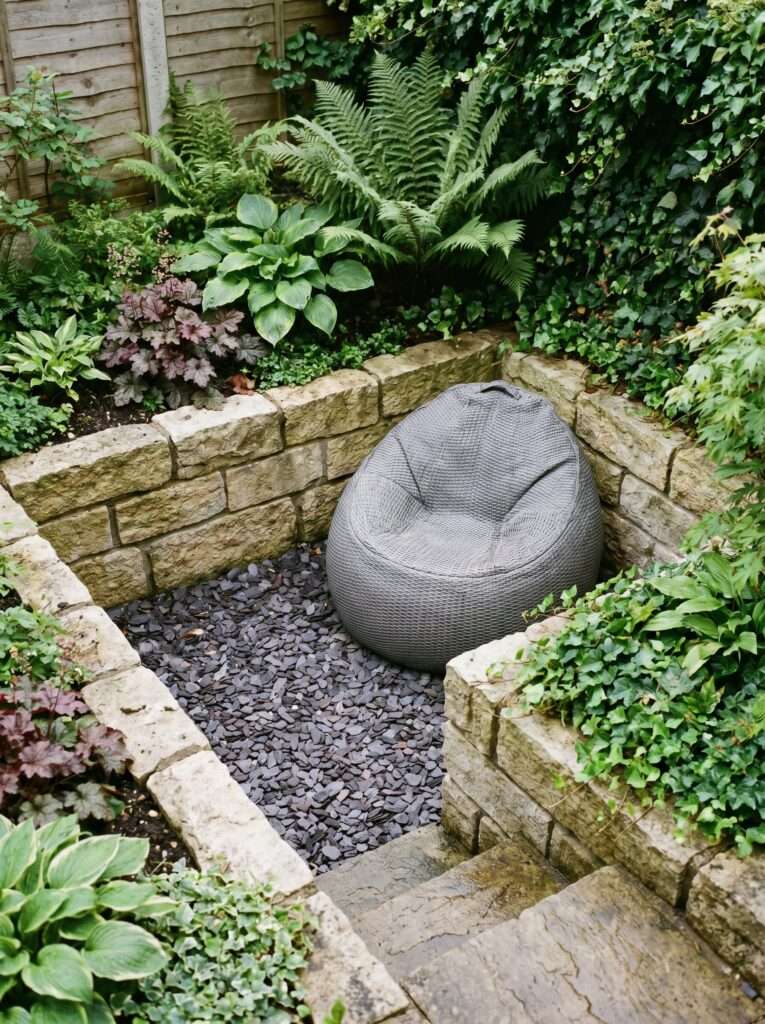
If you have a corner of your yard that sits slightly lower than the rest of the lawn, don’t waste time trying to fill it with topsoil to level it out. Embrace the elevation change. I excavated my low spot down an extra six inches, creating a distinct sunken zone.
I lined the shallow walls with rough-cut dry-stack limestone blocks and filled the floor with dark slate chips. I tucked an oversized, weather-resistant bean bag lounger right down into the center of the space. Sitting down in it lowers your line of sight completely, making the surrounding ordinary flower borders look like a massive, towering forest.
If you enjoy experimenting with unconventional, low-maintenance garden layouts that break the traditional rules of landscaping, you might appreciate seeing the chaotic, wild beauty of my recent “chaos gardening” experiment and its real results from May seed sowing, which embraces this exact type of informal design.
14. The Low-Profile Zen Meditation Corner
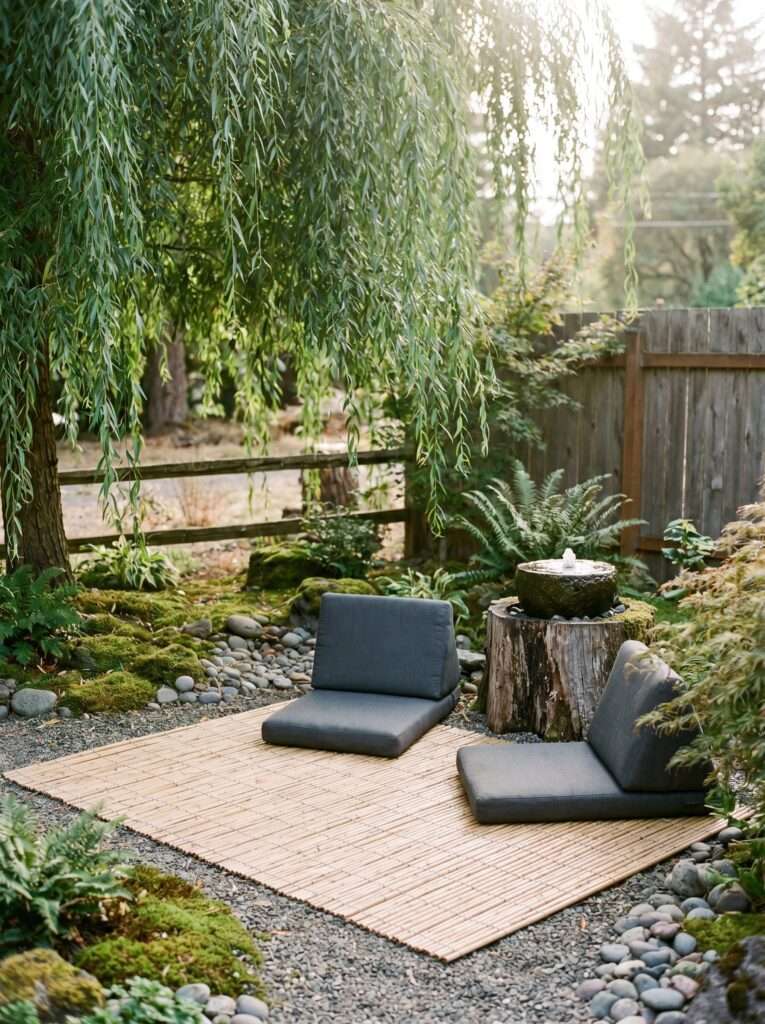
Sometimes you just need a place to sit completely still and clear your mind. I cleared out a quiet corner under a weeping willow tree, laid down a large woven bamboo outdoor mat, and placed a couple of weather-resistant floor cushions right on the ground.
To complete the space, I added a simple tabletop stone water fountain on top of an old tree stump next to the mat. The constant, gentle trickling sound of the water completely masks the hum of nearby air conditioning units and traffic, creating an instant zone of peace.
15. The Trellis-Topped Corner Arbour
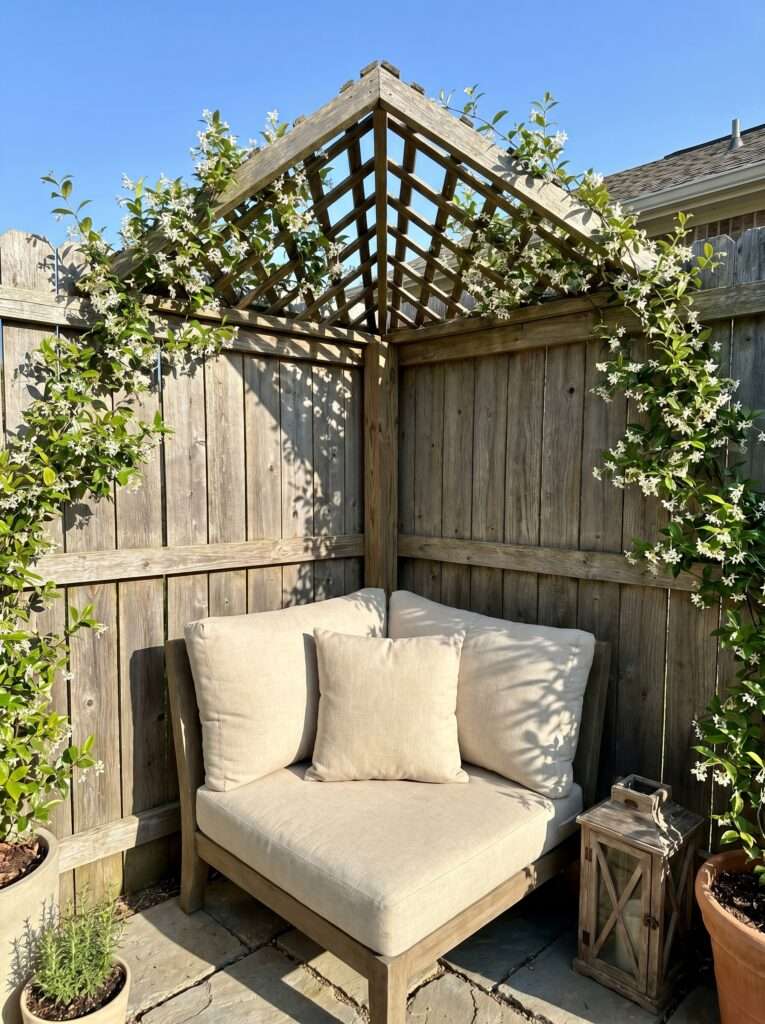
If you have two blank wooden fences meeting at a sharp ninety-degree angle, it can look incredibly harsh and boxy. I softened that corner by installing a heavy triangular wooden shelf across the top of the fence panels, creating a small corner roof framework.
I ran vertical wooden trellises down both sides of the fence lines and planted fast-growing sweet peas and jasmine. I placed a comfortable upholstered corner armchair directly underneath the structure. Now, instead of staring at ugly pressure-treated fencing wood, you are completely enveloped in a cascade of sweet-smelling vertical blooms.
If you are wondering how to keep your nearby garden structures looking clean and shaped throughout the year, make sure you avoid the typical pruning errors detailed in this guide on late summer pruning for fruit trees and shrubs in August.
16. The Curtained Pergola Escape
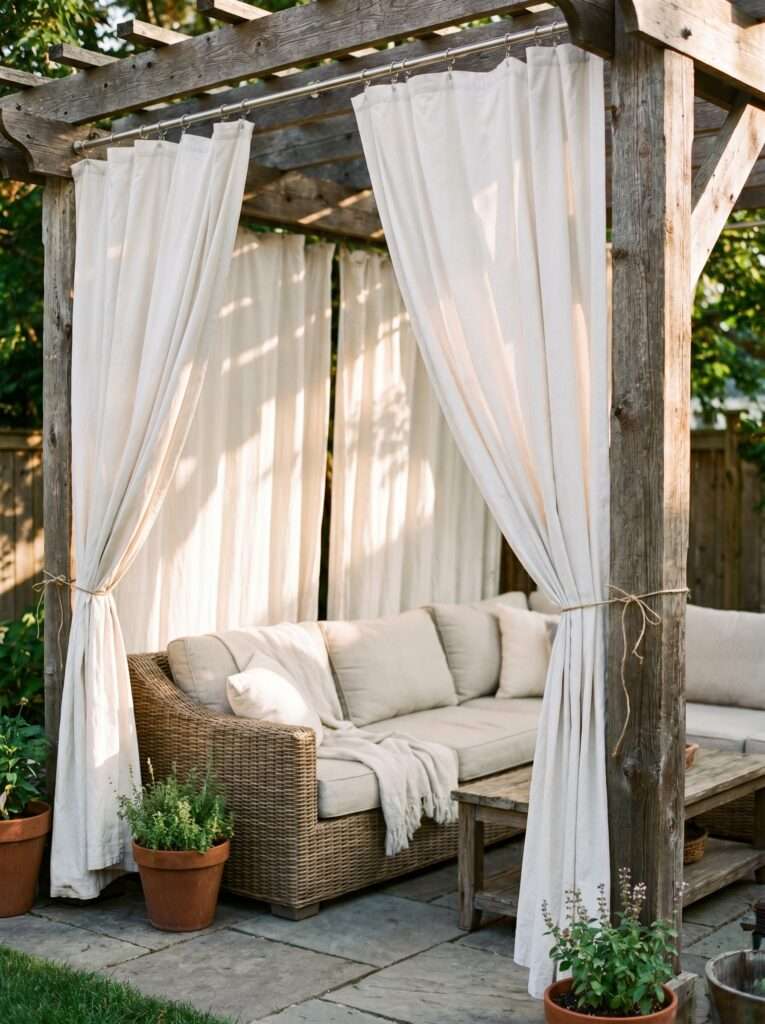
If you already have a basic wooden pergola or porch overhang but it still feels too open and hot during the day, try adding some soft textile lines. I mounted a cheap, rust-proof outdoor shower curtain rod along the outer beam of my wooden patio overhang and hung heavy white canvas drop cloths using simple metal clip rings.
During the hottest parts of the day, you can pull the canvas panels shut to completely block out the blinding sun and create an instant, breezy cabana feel that looks like an expensive resort setup but costs under thirty bucks.
17. The Upcycled Barrel Chair Pocket
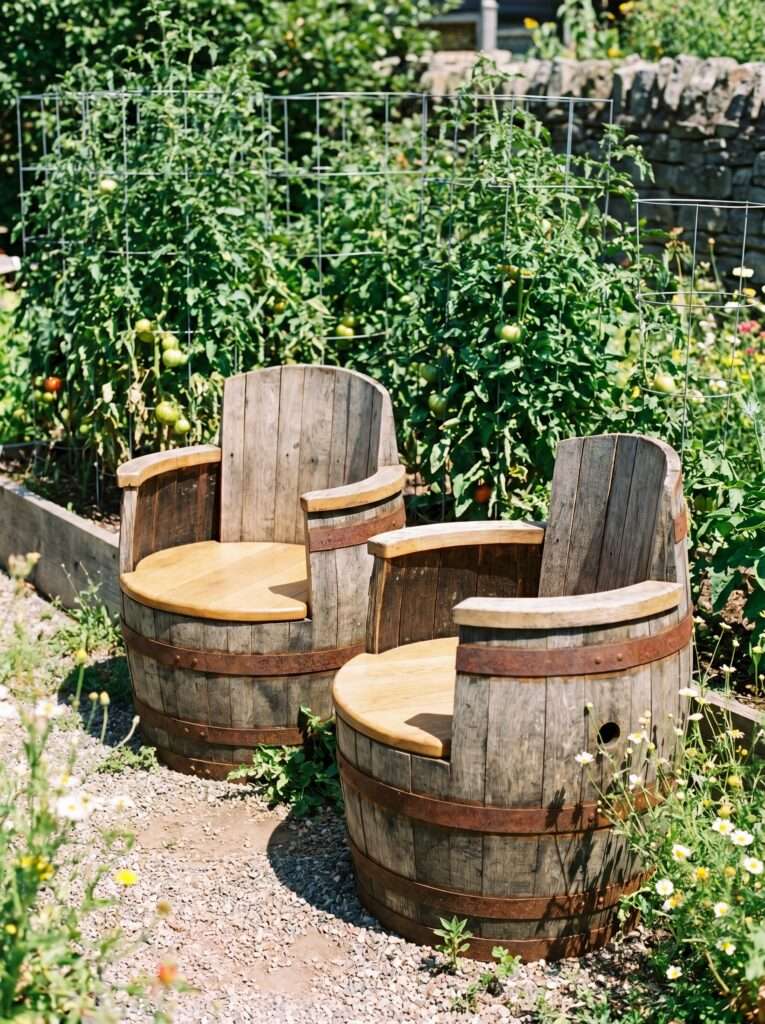
For a truly rustic, cottage-style corner, you can build incredible seating options using old oak wine or whiskey barrels. I sourced two old, split-open barrels from a local nursery, cut out a wide front section using a jigsaw, and installed a simple pressure-treated plywood seat round inside the opening.
I sanded down the sharp edges of the metal bands and placed the two barrel chairs in a tiny, unused pocket of my vegetable garden right next to the tomato cages. They are incredibly heavy, completely wind-proof, and look like they have been sitting in the garden for a century.
A Common Mistake to Avoid
The absolute biggest blunder I made early on was ignoring the path leading to the new seating nook. I would build a beautiful, cozy little corner spot at the back of the yard, but leave nothing but open grass to get there. After a heavy morning rain, if I wanted to go sit back there with my boots on, I would end up tracking mud everywhere or soaking my socks in wet grass. Always lay down a simple, stable line of stepping stones or a clear wood-chip path connecting your main back door or patio to your new destination nook.
How to Start (Your Saturday Morning Plan)
You don’t need a massive blueprint to make this happen. If you want to build your own corner escape this weekend, just follow this simple, stress-free progression:
[ Step 1: Clear & Level ] ---> [ Step 2: Lay Foundation ] ---> [ Step 3: Add Furniture ] ---> [ Step 4: Soften with Plants ]
(Remove weeds & sod)            (Gravel, mulch, or stone)       (Chairs, benches, or mats)     (Ferns, vines, or pots)
- Pick the Right Corner: Go stand in your yard at 3:00 PM on a Friday. Find the spot that naturally feels sheltered, cool, or under-utilized.
- Clear the Floor: Don’t try to set furniture directly on uneven lawn grass. Clear out a distinct patch, dig out the top two inches of sod, and lay down a heavy layer of cedar wood chips or cheap pea gravel to define the space.
- Anchor with One Great Piece: Don’t overcrowd a small corner. Start with just one incredibly comfortable armchair or a solid two-seater bench. You can always add small side tables or accent stools later.
- Create Vertical Enclosure: Use a simple lattice panel, a hanging curtain, or a couple of tall potted plants to block the wind and create that essential feeling of being safely tucked away.
Things That Didn’t Work for Me
I’ve had plenty of projects look absolutely flawless on my computer screen, only to turn into an absolute nightmare once the real outdoor elements hit them. Here are a few honest failures from my own trials:
- Cheap Paper Lanterns: I once strung dozens of beautiful, inexpensive white paper lanterns over a shady hammock corner because it looked stunning in photos. The very first summer thunderstorm shredded them into soggy white papier-mâché pulp within ten minutes. Stick to heavy-duty, commercial-grade rubberized string lights instead.
- Indoor Cushions Outside: I tried to save money by using old indoor living room throw pillows for my pallet daybed setup. They didn’t have UV or mold resistance, and within two weeks of humid weather, they smelled intensely like a damp basement and grew black spots. Always invest in true outdoor-rated solution-dyed acrylic fabrics.
- Placing a Nook Right Under a Mulberry Tree: I built a gorgeous white-painted wooden bench directly under a beautiful, sprawling mulberry tree. I completely forgot that birds love eating mulberries. Within forty-eight hours, the bench looked like an abstract purple paint disaster. Check what is growing directly over your head before you install permanent furniture.
Frequently Asked Questions
Natural arborist wood chips or basic cedar mulch are easily the most affordable options. You can often get wood chips for free from local tree trimming services, or buy bags of cedar mulch at the local hardware center for a couple of dollars each. It smells fantastic, suppresses weeds, and handles drainage beautifully.
Shady corners naturally attract mosquitoes because they love cool, damp zones. To combat this without chemical sprays, I keep a small, battery-operated oscillating fan on a side table next to my chair. Mosquitoes are incredibly weak fliers, and a simple, steady breeze will completely keep them from landing on you.
Even if cushions are labeled as “100% waterproof,” you should never leave them exposed to freezing winter snow and constant rain. The fabric might survive, but the interior foam cores will trap moisture over time and develop deep, unfixable mold. Store them in a plastic deck box or garage when the season ends.
In almost all US municipalities, temporary or free-standing garden structures under eight feet tall do not require any kind of building permit. However, if you are attaching anything permanently to a shared boundary property fence, it is always a smart idea to double-check with your local homeowner’s association or chat with your neighbor first.
The secret is using heavy-duty, woven landscape fabric before you dump your gravel down. Don’t use the cheap, thin plastic sheeting that tears instantly. Go for the thick, felt-like professional grade fabric and secure the edges deep into the dirt with metal landscape staples.
You don’t need to transform your entire acreage by tomorrow afternoon to enjoy your backyard more. Pick just one single corner that is currently doing nothing but gathering weeds, clear a small patch of dirt, and drag a comfortable chair out there this weekend.
Let the layout evolve naturally based on how you actually use the space. Adjust things as you go, see where the sun hits your face, and let the garden shape itself around your life.

Aagam – Founder of SpruceTouch
Hi, I’m Aagam — the creator behind SpruceTouch. I’m a home and garden enthusiast who shares practical ideas for backyard design, garden projects, patio decor, and small outdoor spaces. Through SpruceTouch, I focus on simple and budget-friendly ways to improve outdoor living spaces.